To paint a wall properly, you need to clean and prime the surface, choose the right paint type, and apply it in smooth, even coats using the correct tools. A successful paint wall project starts with surface prep, uses quality latex or water-based paint for most interiors, and follows a top-to-bottom painting order to avoid drips and uneven coverage.
Knowing which paint finish works best for each room, how to cut in edges cleanly, and how many coats to apply makes the difference between a result that looks professional and one that peels or streaks within months. Whether you are repainting a bedroom, refreshing a living area, or tackling a first-time paint wall project, the steps covered here will walk you through every stage clearly and simply.
What Does It Mean to Paint a Wall?
When people say they want to paint a wall, they mean applying a layer of coloured or neutral paint to an interior or exterior wall surface to protect it, refresh its look, or change its colour. A paint wall job is more than just rolling colour onto a surface. It covers filling in cracks, sanding rough spots, priming bare or patched areas, choosing the right sheen, and applying two or more even coats for a smooth finish.
The technical term for the coated finish left behind after you paint a wall is called the paint film. This film is what protects the wall from moisture, staining, and everyday wear. Getting that film right means following proper steps from start to finish.
What Type of Paint Is Best for Walls?
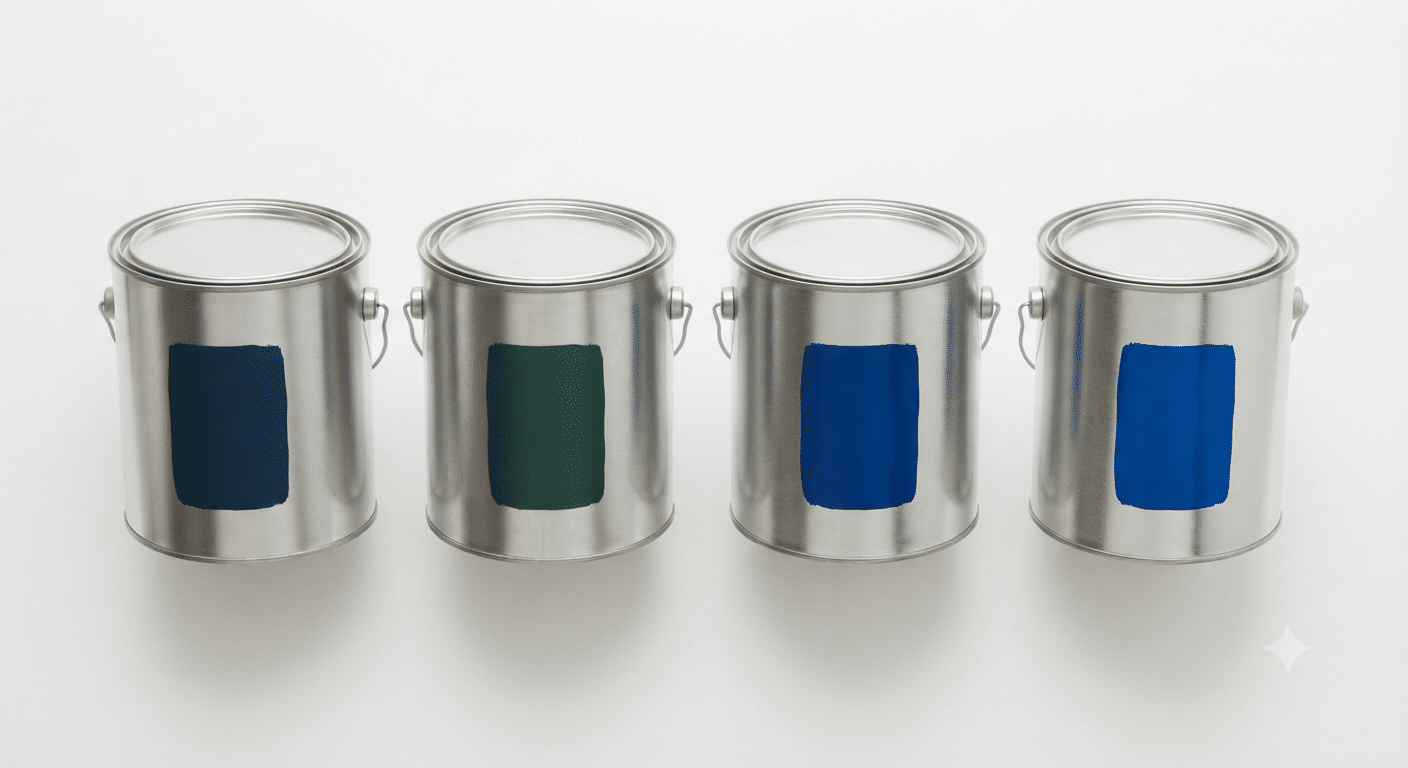
Choosing the right paint before you paint a wall saves you time, money, and extra coats. The two main categories are water-based (latex) and oil-based paint, and each has a specific purpose.
Water-Based Paint
Water-based or latex paint is the most widely used option when you want to paint a wall indoors. It dries fast, has low odour, cleans up with water, and holds colour well over time. It works well on drywall, plaster, and previously painted surfaces. If you are doing a paint wall project in a bedroom, hallway, or living area, water-based paint is almost always the right call.
Oil-Based Paint
Oil-based paint creates a harder, more durable finish. It is sometimes used to paint a wall in high-traffic areas or on trim and cabinets where extra toughness is needed. The downside is longer drying time and stronger fumes that require proper ventilation. For most interior walls, water-based paint handles the job better.
Paint Finishes Compared
The sheen level you choose also affects how the finished paint wall looks and how well it holds up. Here is a quick comparison:
| Finish | Best For | Key Benefit |
|---|---|---|
| Flat / Matte | Ceilings, low-traffic rooms | Hides imperfections well |
| Eggshell | Living rooms, bedrooms | Soft glow, easy to clean |
| Satin | Hallways, family rooms | Durable and washable |
| Semi-Gloss | Kitchens, bathrooms, trim | Moisture resistant |
| Gloss | Doors, cabinets, wood trim | Very durable, shiny |
For most standard paint wall projects indoors, eggshell or satin finish gives the best balance of looks and durability.
What Tools Do You Need to Paint a Wall?
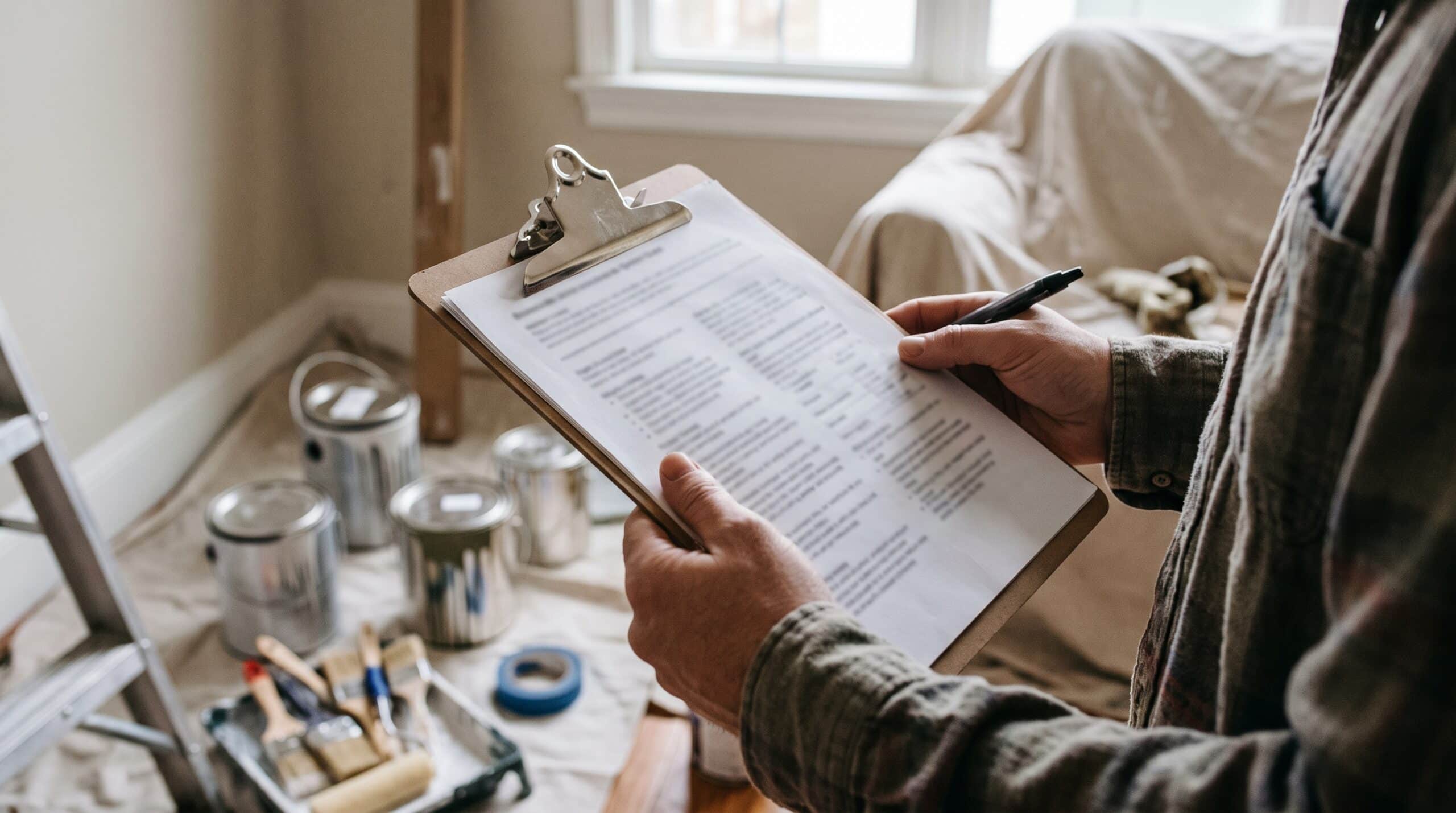
Using the right tools makes it much easier to paint a wall cleanly and evenly. You do not need a lot of equipment, but skipping key items leads to streaks, uneven coverage, and more cleanup work.
- Roller frame and sleeve (9-inch for large flat surfaces)
- Angled brush (2 to 2.5 inch) for cutting in edges
- Roller tray and liner
- Drop cloths or plastic sheeting to protect floors
- Painter’s tape for clean lines along trim and ceilings
- Sandpaper (120-grit) for smoothing rough patches
- Primer for bare or patched walls
- Paint stir stick
- Bucket and clean water or mineral spirits for cleanup
If you want to learn more about edge work, our post on residential painting in Winnipeg covers how professionals handle tight corners and tricky areas when they paint a wall.
How Do You Paint a Wall Step by Step?
Following a clear process is the key to a clean result when you paint a wall. Rushing through prep or skipping primer can cause the paint to peel, crack, or show brush marks within months.
Step 1: Prepare the Surface
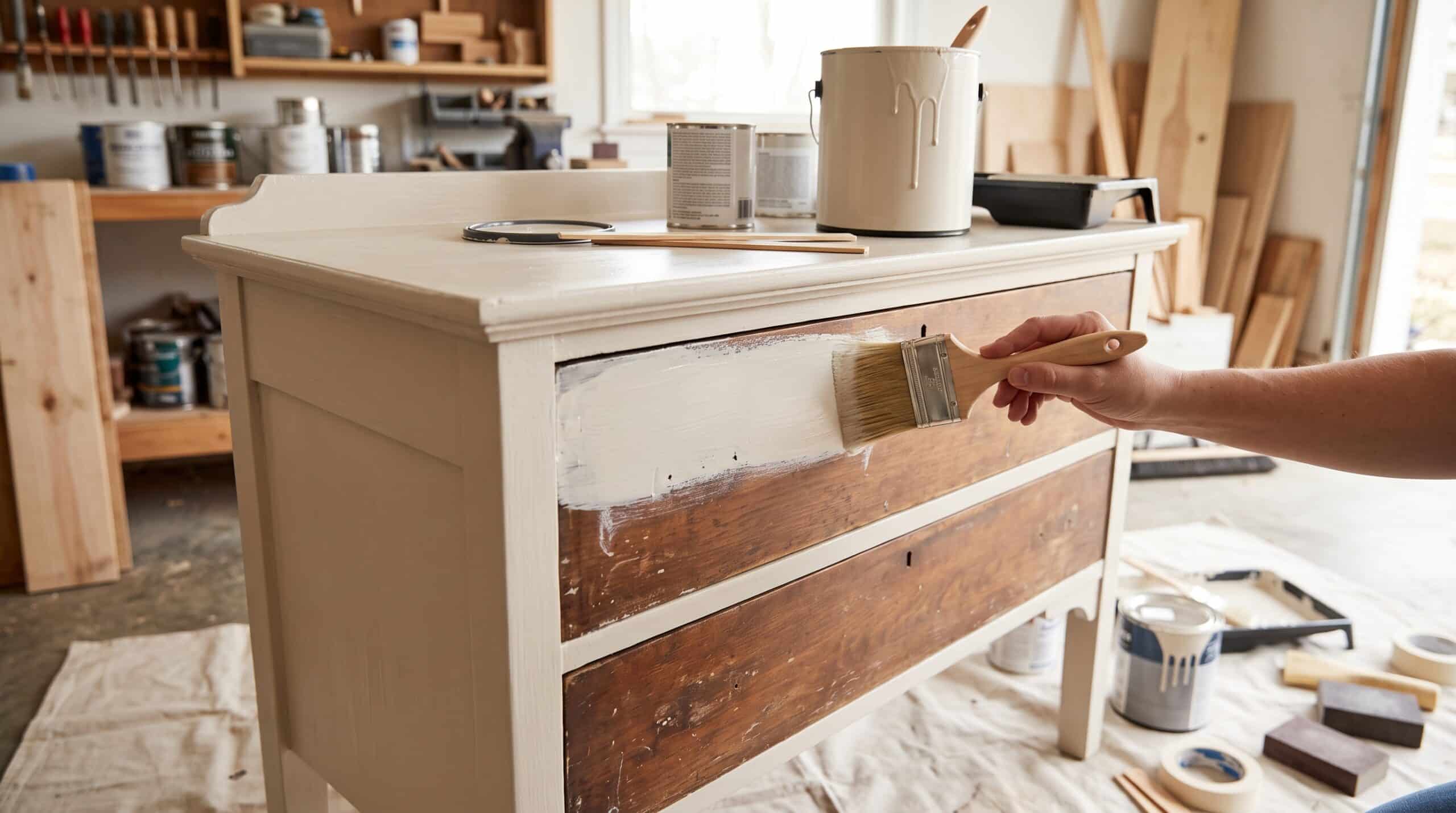
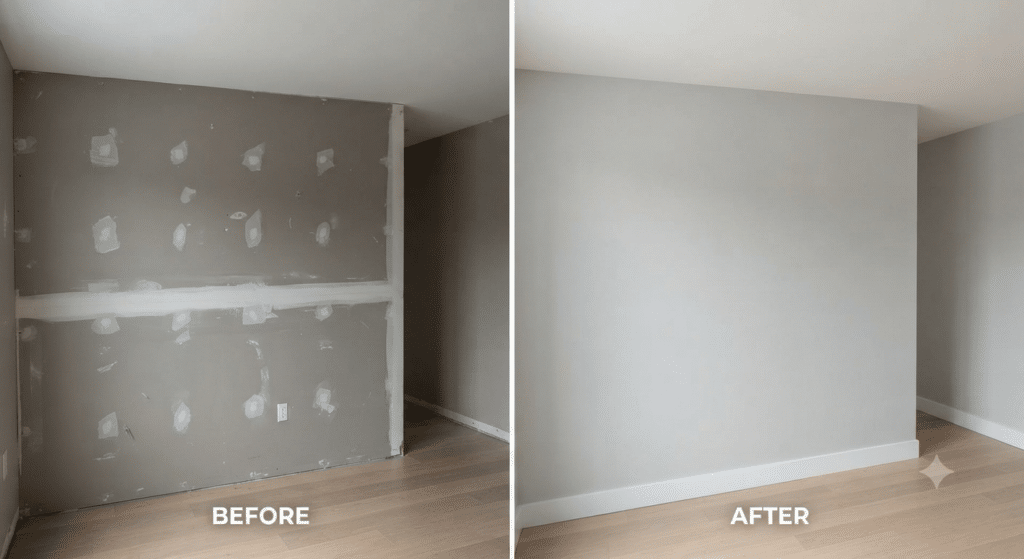
Before you paint a wall, wash it with a mild soap solution to remove dust, grease, and stains. Let it dry fully. Fill any holes or cracks with spackling compound, let it dry, then sand it smooth. For walls with shiny paint already on them, lightly sand the surface so the new paint has something to grip.
Step 2: Apply Primer
Primer is a must when you paint a wall that is bare, heavily patched, or switching from a dark to a light colour. It creates a uniform base that helps the topcoat stick and look even. Apply one coat of primer, let it dry completely, then lightly sand before painting.
Step 3: Tape and Protect
Apply painter’s tape along baseboards, window frames, door trim, and the ceiling line. Lay drop cloths on the floor. This step might feel slow, but it saves a lot of time cleaning up edges after you paint a wall.
Step 4: Cut In the Edges
Use an angled brush to cut in along the ceiling, corners, and trim before rolling. This is the part of how you paint a wall where precision matters most. Work about 2 to 3 inches from the edge and blend into the wet rolled area while it is still wet.
Step 5: Roll the Paint
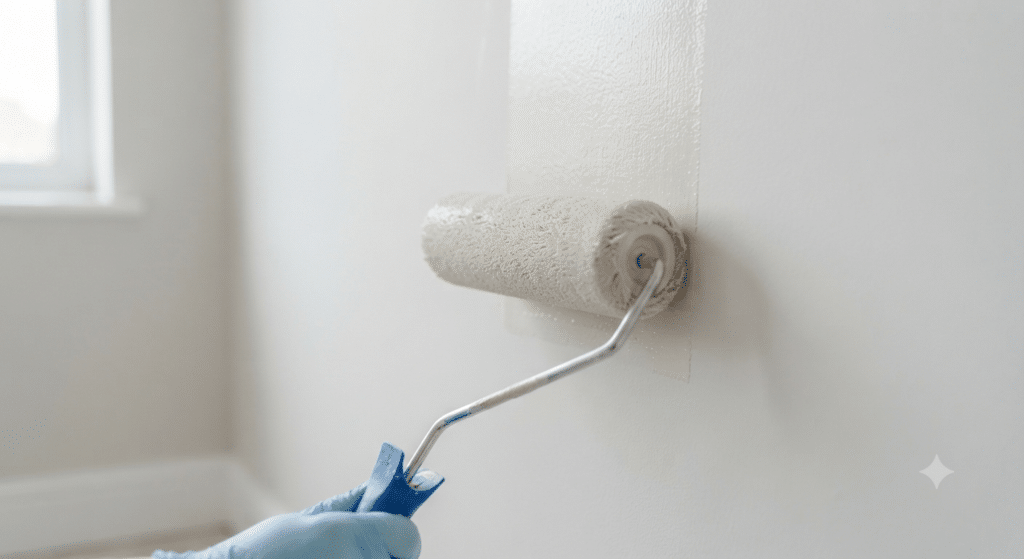
Load your roller evenly and start from the top of the wall, working in a W or M pattern to spread paint without heavy streaks. Keep a wet edge as you work across the wall. Apply two coats for even coverage, letting the first coat dry fully before the second. Most latex paint dries in one to two hours before recoating.
Things to Know Before You Paint a Wall
Here are some practical points that most beginners miss the first time they paint a wall:
- Always stir paint before use. Pigment settles at the bottom and changes the colour consistency.
- One coat is rarely enough. Plan for two coats every time you paint a wall, especially when changing colours.
- Temperature matters. Do not paint a wall when the room is below 10°C or above 30°C. The paint will not bond properly.
- Humidity affects drying. High moisture slows drying time and can cause bubbling or sagging.
- Primer counts as a coat. If you prime first, the second coat of paint will often be all you need for solid coverage.
- Edge cuts should stay wet. Cut in a section and roll it right away so the brushed edge blends into the rolled area without showing lap lines.
Which Option Is Best: DIY or Professional Painting?
Deciding whether to paint a wall yourself or hire a professional depends on the size of the project, your skill level, and how much time you have. Both options have real advantages.
| Factor | DIY Paint Wall | Professional Paint Wall |
|---|---|---|
| Cost | Lower materials cost | Higher upfront, better long-term value |
| Time | Longer, especially for prep | Faster with experienced crew |
| Finish Quality | Good with practice | Consistent, flawless results |
| Equipment Needed | Must buy or rent tools | Pros bring all equipment |
| Surface Prep | Easy to underdo | Thorough and reliable |
| Best For | Small rooms, simple jobs | Whole home, commercial spaces |
For large homes, commercial spaces, or surfaces that need detailed prep work, hiring professionals to paint a wall saves time and delivers better results. You can also check out what makes the best interior painting companies stand out when choosing someone to handle your project.
True Coat is a licensed and insured painting company in Winnipeg, Manitoba, offering residential and commercial painting services with a 3-year craftsmanship warranty. If you want a reliable team to paint a wall in your home or business, contact True Coat for a free estimate.
How to Paint a Wall Without Streaks or Mistakes
Streaks happen when paint dries before you blend it, when the roller is too dry, or when you apply too much pressure. To paint a wall without streaks, always maintain a wet edge. This means working quickly and not letting any area dry before the adjacent section is painted. Use a properly loaded roller rather than pressing hard to cover thin spots. Another common cause of uneven results is rolling in one direction only.
Use overlapping diagonal strokes to spread paint, then finish with light vertical passes to smooth the surface. For corners and edges, always blend brush cuts into the rolled section before either side dries. If you see lap marks after the paint dries, lightly sand and apply another coat.
Want more tips from professionals on getting clean finishes? The post on why you should hire interior house painters for your Winnipeg home explains what trained painters do differently when they paint a wall.
Get a Flawless Paint Wall Finish in Winnipeg
Knowing how to paint a wall the right way gives you better results, less waste, and a finish that lasts years. From picking the right paint type to rolling without streaks, every step matters. If you want professional results without the work, or if your project involves more than a single room, a trained team makes the process faster and more consistent.
Whether you are looking to paint a wall in one room or refresh your whole home, getting the prep and materials right is always the best place to start. For more inspiration and expert guidance on exterior projects, check out our post on the best approach to exterior painting for house projects.
Frequently Asked Questions
What type of paint is best on walls?
The best paint for most walls is water-based latex paint with an eggshell or satin finish. It dries quickly, resists scrubbing, and works on drywall, plaster, and previously painted surfaces. Satin is ideal for high-use rooms; eggshell suits bedrooms and living areas.
What is the correct way to paint a wall?
The correct way to paint a wall is to clean and prime the surface first, tape off edges, cut in with a brush, then roll in overlapping strokes from top to bottom. Apply two coats, letting each dry fully before the next.
What kind of paint is used for walls?
Interior walls typically use latex or acrylic-latex paint. These are water-based, dry fast, and clean up easily. Oil-based paint is used occasionally on trim or in very high-traffic areas where extra hardness is needed.
What is paint on a wall called?
The layer of paint applied to a wall is called the paint film. The first layer is called the primer coat or undercoat, and the final visible layers are called the topcoat. Together they form the paint system on the wall.
What are the two types of paint for walls?
The two main types of paint used on walls are water-based (latex) paint and oil-based paint. Water-based paint is used for most interior wall projects because it dries quickly and has low odour. Oil-based paint is used where extra durability is needed, such as on trim or commercial surfaces.