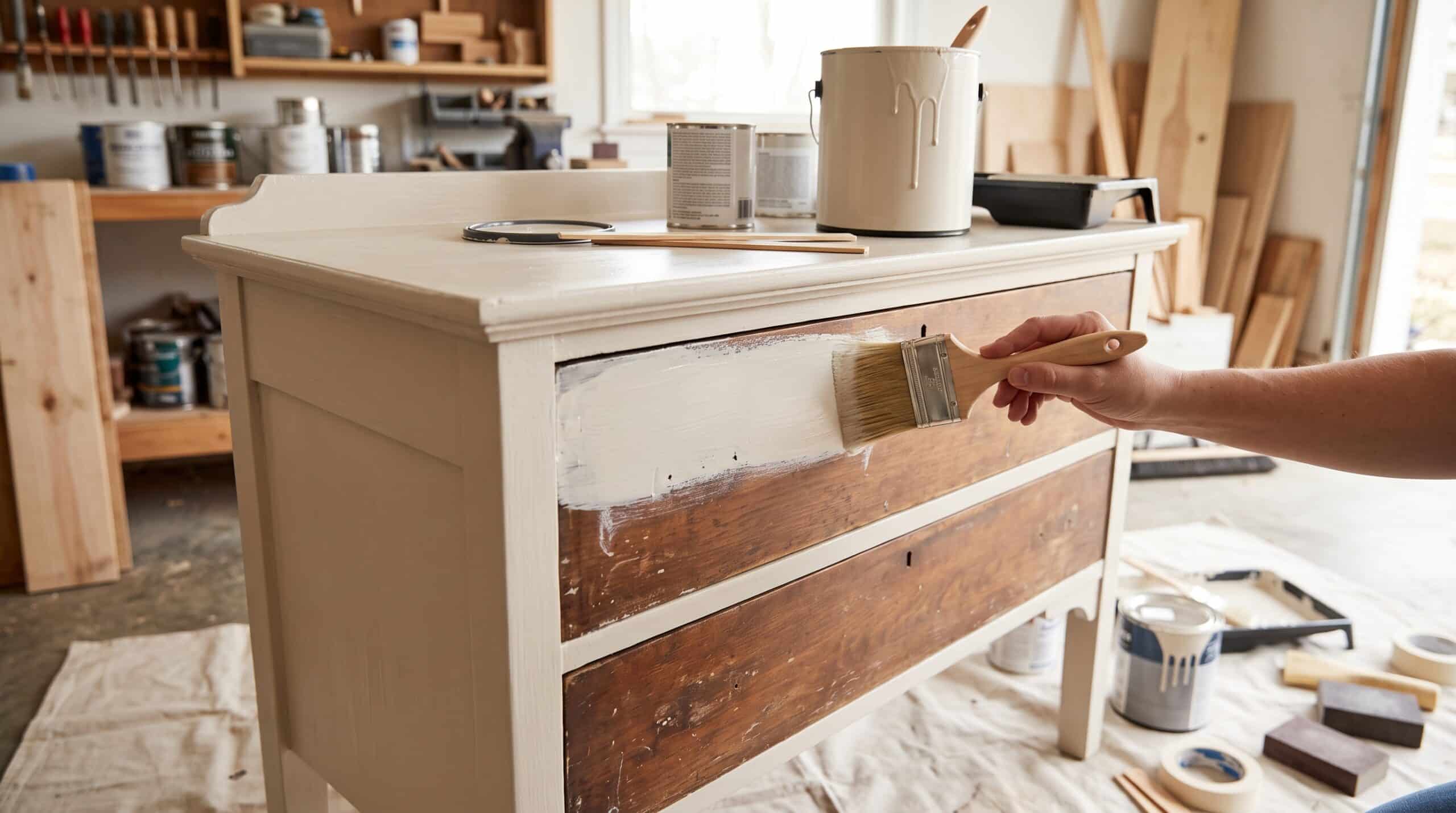
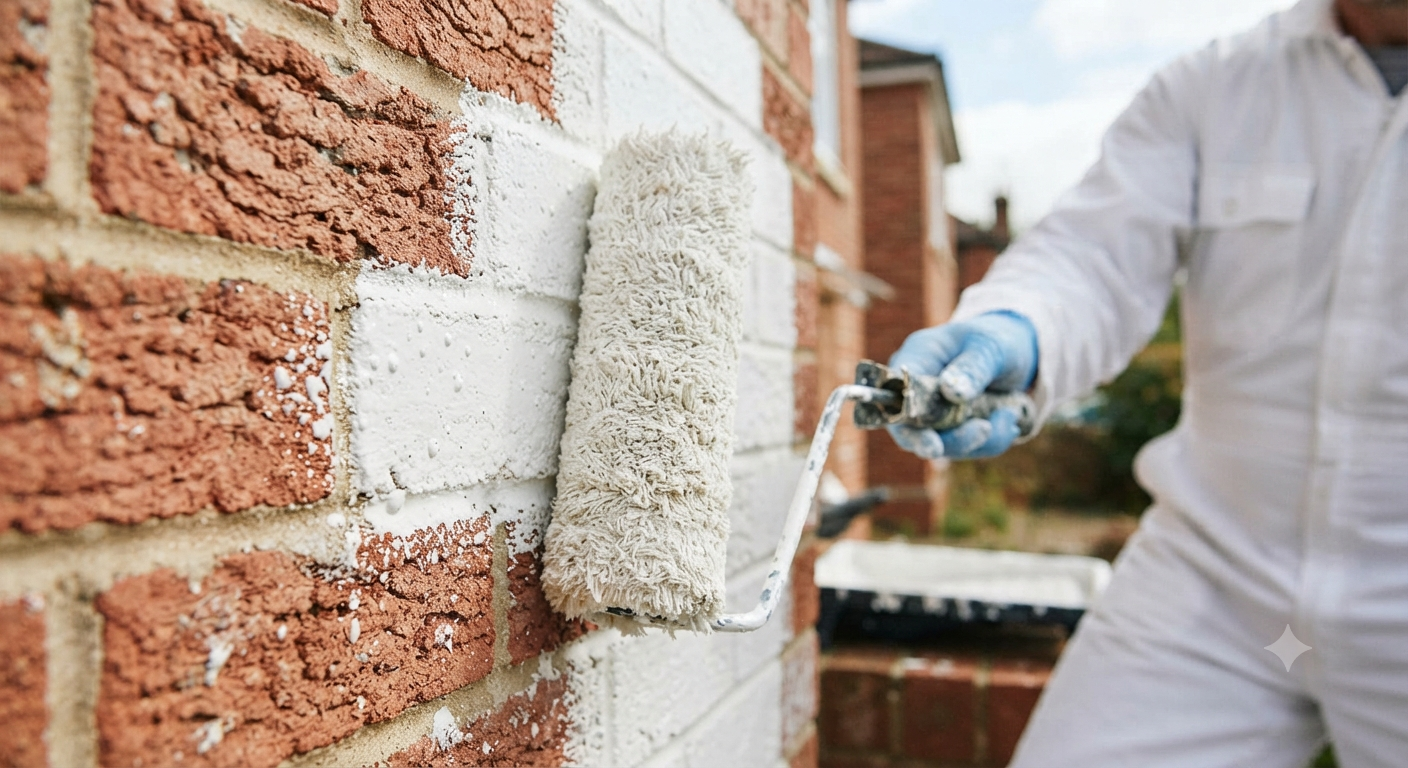
Exterior paint for brick should be 100% acrylic latex — it bonds to porous brick surfaces, allows moisture to escape, and holds up against harsh weather.
Choosing the wrong exterior paint for brick can trap moisture inside the wall, cause peeling, and lead to expensive repairs. The right product, applied correctly, can refresh the look of a home and protect the brick for 10 years or more.
What Is Exterior Paint for Brick?
Exterior paint for brick is a coating specifically designed to stick to masonry surfaces. Standard wall paint is made for smooth drywall or wood and will not hold on brick the same way.
Brick is porous, uneven, and expands and contracts with temperature changes. A paint that cannot flex or breathe will crack and peel within a season or two.
Acrylic latex paint is the most widely recommended exterior paint for brick because it is water-based, flexible, and breathable. It lets moisture vapor pass through the wall without trapping it, which is the leading cause of paint failure on masonry.
Elastomeric coatings are another option — these are much thicker and stretch across cracks, making them useful for older brick with hairline fractures.
When shopping for exterior paint for brick, look for labels that say “masonry,” “elastomeric,” or “concrete and brick” on the can. These formulas are built for the texture and movement of masonry walls.
Can You Paint Brick with Exterior Paint?
Yes, you can paint brick with exterior paint, but not just any formula will work long term. Many homeowners grab standard exterior paint without checking the label, apply it over bare brick, and wonder why it starts peeling within a year or two.
Bare brick needs a masonry primer first. The surface is too porous for paint to grip directly without a proper base coat. A masonry primer seals the brick, fills tiny gaps, and gives the topcoat something solid to bond to. Skipping this step is one of the most common mistakes people make when applying exterior paint for brick.
Once primed, two coats of a high-quality acrylic latex or elastomeric paint will give you a finish that lasts. Apply each coat when temperatures are between 10 and 30 degrees Celsius and avoid painting in direct sunlight or rain.
Which Types of Exterior Paint for Brick Work Best?
There are a few main options for exterior paint for brick, and each one has a different purpose. Knowing which type fits your situation will save you time and money.
Acrylic Latex Paint
This is the most common and practical choice for exterior paint for brick. It cleans up with water, dries fast, stays flexible as temperatures change, and allows the wall to breathe. It comes in a wide range of finishes and colours, making it easy to match your home’s look. For most residential brick projects, this is the best starting point.
Elastomeric Coating
Elastomeric exterior paint for brick is thicker than standard acrylic. It stretches to bridge small cracks and creates a waterproof barrier. This option is ideal for older brick walls that show minor cracking or for homes in climates with extreme freeze-thaw cycles, like Winnipeg winters. The downside is that it seals the surface more heavily, which means any moisture that does get inside has fewer ways to escape.
Mineral-Based Paint
Mineral paints, including lime wash and silicate mineral paint, bond chemically to brick rather than sitting on top of it. They are highly breathable and last a very long time. They do not peel the way film-forming paints can. The trade-off is a more textured, weathered finish and a narrower colour range. If you want a natural, old-world look on your exterior brick, this category is worth considering.
Paint Type Comparison for Exterior Brick
| Paint Type | Best For | Breathability | Durability |
|---|---|---|---|
| Acrylic Latex | Most residential brick | High | 8 to 12 years |
| Elastomeric | Cracked or aged brick | Medium | 10 to 15 years |
| Mineral / Lime Wash | Breathable natural finish | Very High | 15+ years |
How to Prepare Brick Before Applying Exterior Paint
Surface preparation is the most important part of any brick painting project. Even the best exterior paint for brick will fail fast if the surface is not ready. Here is what proper prep looks like:
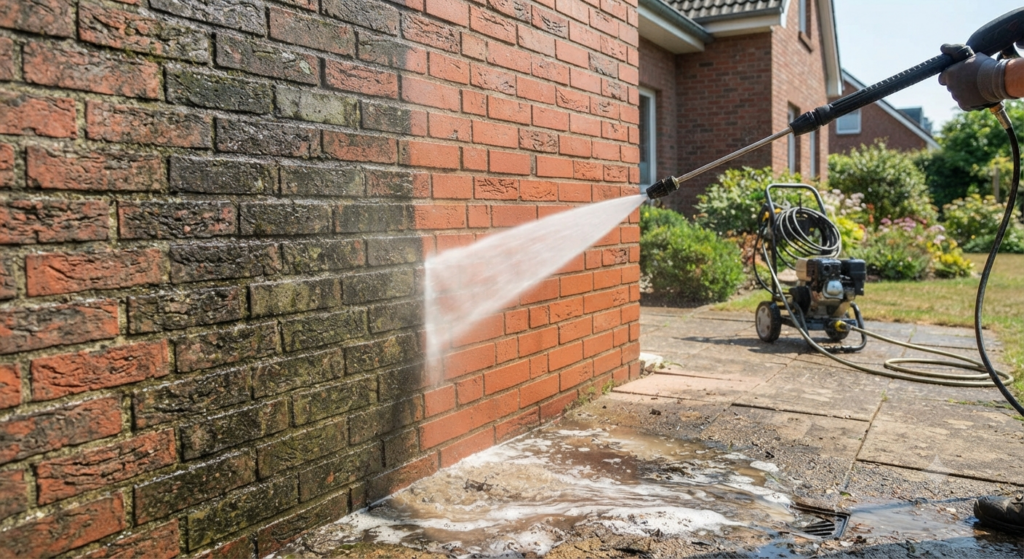
- Clean the brick: Use a stiff brush and soapy water to remove dirt, algae, and loose debris. For heavy staining, a pressure washer set to a low setting works well. Allow at least 24 to 48 hours of drying time before moving on.
- Fix cracks and damaged mortar: Check the mortar joints and fill any cracks with a masonry caulk or repointing compound. Let repairs cure fully before painting. Painting over damaged mortar will not hide the problem — it will crack through the new coat.
- Remove efflorescence: This is the white chalky residue that sometimes appears on brick. It is caused by salts moving through the wall. Scrub it off with a stiff brush or a diluted muriatic acid solution, then rinse thoroughly. If you paint over efflorescence, the paint will bubble and flake.
- Apply masonry primer: Once the surface is clean, dry, and repaired, apply a coat of masonry primer. This step is not optional. It seals the brick and ensures the exterior paint for brick bonds properly. Use a thick-nap roller (at least 19mm) to get paint into the texture of the brick.
What Are the Best Colors for Exterior Paint on Brick?
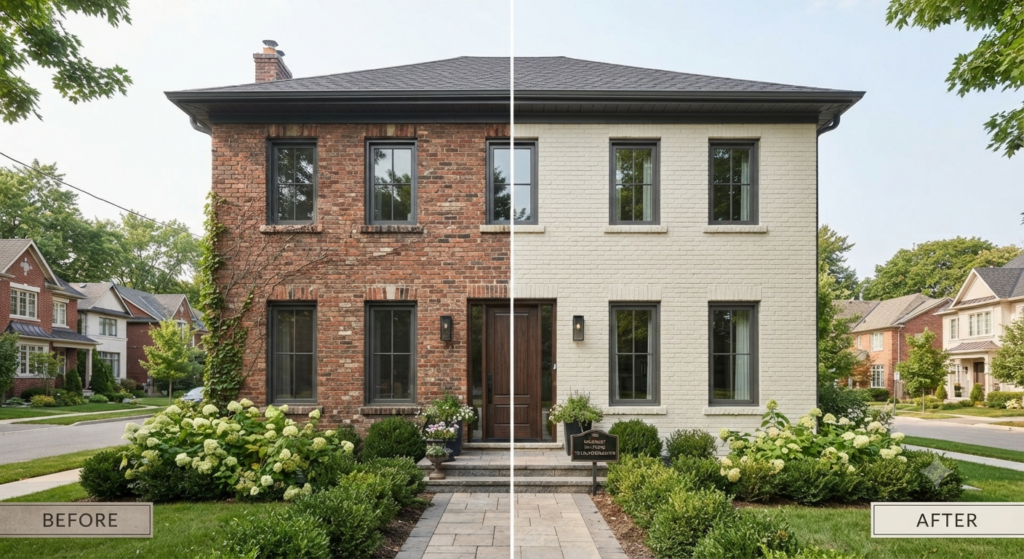
Colour choice is one of the most exciting parts of working with exterior paint for brick. Brick already has natural warm tones, and the right exterior paint colour can either lean into that warmth or cool it down for a more modern look.
Neutral shades like warm white, greige (grey-beige), soft grey, and charcoal are among the most popular choices for painted brick exteriors. These tones work well against the natural texture of masonry and complement most roof colours, window frames, and landscaping.
If your brick has red or orange undertones, warmer neutrals like cream, tan, or muted sage green tend to look more natural. For homes with cooler-toned brick or grey mortar, true greys, whites, and navy tones often give a cleaner finish.
A flat or low-sheen finish is usually the best choice for exterior paint for brick. High-gloss finishes highlight every imperfection in the texture. Flat and satin finishes are more forgiving and still hold up well to the elements. You can also learn more about approach to exterior painting for house projects to see how colour and finish work together on the whole exterior.
Learn more about best approach to exterior painting for house projects.
Things to Know Before Painting Exterior Brick
Before you commit to exterior paint for brick, there are a few important things worth knowing so you go in with the right expectations.
Painting Brick Is a Permanent Decision
Once brick is painted, it is very difficult to reverse. Removing exterior paint for brick requires chemical strippers or sandblasting, both of which can damage the masonry surface. Make sure you are committed to the look before starting.
Moisture Is the Enemy
Brick walls need to breathe. If water gets into the wall and cannot escape, it will push the paint off from the inside. Always use a breathable exterior paint for brick, fix any drainage issues around the foundation, and seal window and door edges before applying paint.
Climate Affects Paint Life
In climates with cold winters and wet springs, like Winnipeg, the freeze-thaw cycle puts stress on any coating applied to masonry. An elastomeric or high-quality acrylic exterior paint for brick will handle this better than a thin standard coat. Planning your painting for late spring or early fall — when temperatures are stable — will also help the paint cure properly.
Repainting Is Easier Than the First Coat
If the brick has already been painted before, your prep work is simpler. You mainly need to clean, patch, and re-prime any areas where the old exterior paint for brick has failed. Adhesion to a painted brick surface is generally easier than painting raw brick for the first time.
Recommended Finishes for Exterior Brick Paint
| Finish Type | Best Use | Pros | Cons |
|---|---|---|---|
| Flat / Matte | Textured or rough brick | Hides imperfections well | Less washable |
| Satin | Most exterior brick walls | Balanced durability and look | Slight sheen visible |
| Semi-Gloss | Trim and accents only | Easy to clean | Highlights surface flaws |
Should You Hire a Professional to Paint Exterior Brick?
Painting exterior brick is a job most homeowners can do, but there are situations where hiring a professional makes more sense. Large surfaces, two-storey homes, heavily damaged brick, or complex colour changes are all cases where a trained painter will save you time and get better results.
Professionals know which exterior paint for brick to use for specific conditions, how to handle prep on older masonry, and how to apply coatings evenly with the right equipment. They also carry insurance, which matters when working at height or on a property where mistakes are costly.
If you want reliable results on your Winnipeg home, True Coat offers licensed and insured exterior painting services for both residential and commercial properties. From surface prep to final coat, their team handles the full project with a 3-year craftsmanship warranty. Contact True Coat for a free estimate.
Read more: best exterior painters near me in Winnipeg.
Getting the Most Out of Exterior Paint for Brick
Choosing the right exterior paint for brick comes down to three things: the right product, proper prep, and correct application. Use a 100% acrylic latex or elastomeric formula made for masonry, clean and prime the surface before you start, and apply at least two coats in stable weather conditions.
Brick is a durable surface that can look fresh and well-maintained for years with the right exterior paint applied correctly. Whether you are refreshing a tired-looking facade or changing the whole colour of your home, the process is manageable when you know what to use and how to use it.
Frequently Asked Questions About Exterior Paint for Brick
Can you paint brick with exterior paint?
Yes, but you need to use a masonry-compatible exterior paint for brick, ideally an acrylic latex formula, and apply a masonry primer first. Standard exterior paint without primer will not bond properly to raw brick and will peel within one to two seasons.
What kind of paint is best for exposed brick?
A 100% acrylic latex exterior paint is best for exposed brick. It is breathable, flexible, and weather resistant. For older brick with cracks, an elastomeric coating offers better coverage and waterproofing.
Can I paint directly onto brick?
No. You should always apply a masonry primer before using exterior paint for brick. Raw brick is too porous for paint to grip properly without a primer layer. Skipping this step leads to uneven coverage and early peeling.
What kind of paint stays on brick?
Acrylic latex and elastomeric exterior paint for brick are the most durable options. Both stay flexible as temperatures change, which prevents cracking. Mineral-based paints also last a long time and are known for excellent adhesion on masonry.
What type of paint is best for exterior brick?
100% acrylic latex is the best all-around exterior paint for brick for most homes. For cracked or aged masonry, elastomeric paint is the better choice. Minera