
Paint for Furniture: What Kind of Paint Is Best and How Do You Use It Right?
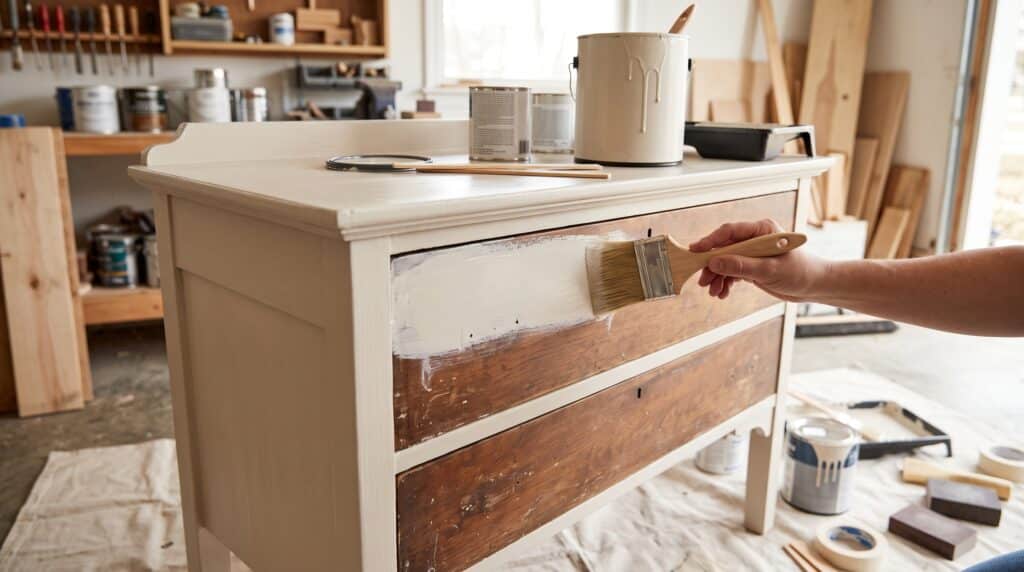
Paint for furniture is one of the easiest ways to refresh a piece without replacing it, and the right paint type, prep work, and finish make all the difference between a result that lasts and one that chips in a month. Chalk paint works great for a matte vintage look, latex is the go-to for most wood pieces, and oil-based paint holds up well on high-use surfaces. Prepping the surface, applying thin coats, and sealing the finish are the three things that separate a good paint job from a great one. Whether you’re doing a quick bedroom dresser or a full dining set, knowing which paint to grab and how to apply it saves you time, money, and a lot of frustration. What Is Paint for Furniture and Why Does It Matter? Not all paint is made the same way, and using wall paint on a chair or table is one of the most common mistakes people make. Paint for furniture is formulated to bond to surfaces that get touched, moved, and bumped regularly. Wall paint dries hard and flat, but it wasn’t made to flex with wood or handle the friction that comes with daily use. Furniture paint, on the other hand, has additives that help it grip, stay flexible, and resist chipping over time. So why does it matter so much? Because the wrong paint peels fast. You could do everything right, prep the surface, apply two coats, and let it dry fully, but if the paint wasn’t made for furniture, it’s going to show wear within weeks. The right paint for furniture sticks better, looks cleaner, and lasts longer, even without a topcoat in some cases. What Are the Different Types of Paint for Furniture? Chalk Paint Chalk paint is probably the most popular choice for furniture right now, and for good reason. It goes on thick, dries to a matte finish, and you usually don’t need to sand or prime first. It’s great for dressers, side tables, and anything you want to give a soft, lived-in look. The downside is it needs a wax or sealer on top to protect it, especially on pieces that get heavy use. Latex Paint Latex paint is water-based, dries fast, and cleans up with water. It’s a solid all-around option for most wood furniture and comes in a huge range of colors. You do need to prime first for best results, but once it’s down it’s durable and easy to touch up. A lot of people already have latex paint at home, so it’s convenient and budget-friendly. Oil-Based Paint Oil-based paint takes longer to dry but it cures to a really hard, durable finish. It’s the best choice for kitchen chairs, dining tables, or any piece that takes a beating. The tradeoff is the longer dry time, the stronger smell, and the need for mineral spirits to clean your brushes. But if you want a finish that holds up to daily wear, oil-based is hard to beat. Milk Paint Milk paint is a natural, eco-friendly option that gives a slightly uneven, vintage look. It comes in powder form and you mix it yourself. It bonds really well to raw or unfinished wood, and it’s a good pick if you want an authentic aged appearance. On sealed surfaces, you’ll want to add a bonding agent so it actually sticks. Spray Paint Spray paint for furniture works well on pieces with lots of detail, like carved wood or metal frames. It gives a smooth, even coat without brush marks. You need good ventilation and a steady hand, but for the right project it’s faster than brushing and gives a very clean finish. Paint Type Best For Needs Primer? Topcoat Needed? Chalk Paint Vintage, matte finish Usually no Yes (wax or sealer) Latex Paint Most wood furniture Yes Optional Oil-Based Paint High-use, durable pieces Yes No, self-sealing Milk Paint Raw wood, antique look No (with bonding agent) Yes Spray Paint Detailed or metal pieces Sometimes Optional How Do You Properly Apply Paint for Furniture? Getting the right paint is only half the job. How you apply it matters just as much. Here’s a straightforward process that works for most furniture projects. Clean the surface first. Wipe down the piece with a damp cloth and a mild cleaner. Grease, dust, or old wax will stop the paint from sticking properly, so don’t skip this. Sand lightly. Even if you’re using chalk paint, a light scuff with medium-grit sandpaper helps the paint grip. For latex or oil-based paint, sand until the surface feels slightly rough to the touch. Prime if needed. Chalk paint usually skips this step, but latex and oil-based paints bond better over a coat of primer, especially on glossy or sealed wood. Let the primer dry fully before moving on. Apply thin coats. Thick coats take forever to dry and tend to drip or crack. Apply two or three thin coats instead, letting each one dry completely before the next. This gives you a cleaner, more durable result. Seal the finish. Wax, polycrylic, or a water-based topcoat protects the paint and makes it easier to clean. This step is especially important for tables, chairs, and anything that sees daily contact. Which Paint for Furniture Is the Best Option? So if you had to pick one, which paint for furniture actually comes out on top? Honestly, it depends on what you’re painting and what look you’re going for. But if there’s one option that works across the most situations, it’s latex paint with a good primer underneath. Here’s why. Latex is easy to find, dries fast, comes in every color imaginable, and holds up well on most wood pieces. You can get a satin or semi-gloss finish with it, which is more practical than matte for anything that gets touched a lot. It’s also the most forgiving for beginners since it cleans up easily and touch-ups blend in well. That said, if you’re going for a distressed or vintage look, chalk paint
How Do You Paint Garage Floor the Right Way?
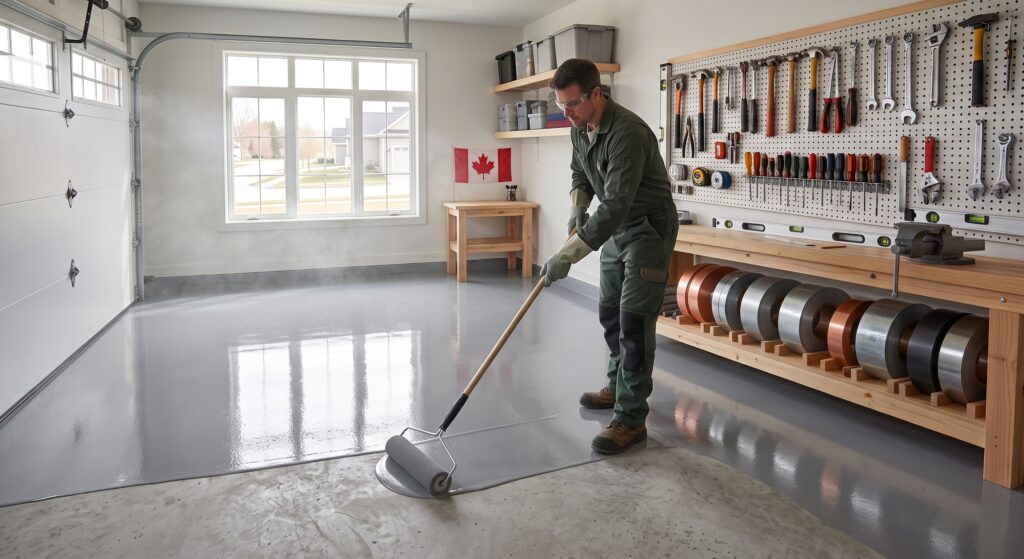
To paint garage floor surfaces properly, you need to clean and prep the concrete first, then apply a floor-specific coating like epoxy or latex. Skipping prep is the number one reason paint peels fast. So if you want a finish that actually lasts through Canadian winters, the prep stage matters just as much as the paint itself. Most homeowners think painting a garage floor is just rolling on some paint and calling it done. But there’s more to it than that. You’ve got to test for moisture, etch the concrete, patch the cracks, and pick the right product for your climate. Get those steps right and you’ll end up with a clean, durable floor that holds up for years. Skip them and you’ll be redoing the whole thing in a season. What Paint Works Best to Paint Garage Floor? Not all paints are made for concrete. Regular wall paint won’t cut it on a garage floor because concrete is porous, shifts with temperature, and takes on a lot of abuse from cars, tools, and foot traffic. So when you go to paint garage floor surfaces, you want a product built for that kind of wear. Epoxy Floor Paint Epoxy is the most popular choice and for good reason. It bonds hard to concrete, resists oil and chemical spills, and holds up well under heavy use. It comes in two parts you mix together before applying. The result is a tough, glossy finish. The downside? It takes longer to cure and is a bit harder to apply if you’ve never done it before. Latex Concrete Paint Latex paint is easier to work with. It goes on like regular paint, dries faster, and cleans up with water. It won’t be as tough as epoxy long-term, but for a lightly used garage or a weekend project, it’s a solid option. It’s also more forgiving if the floor has some imperfections. Concrete Stain This one soaks into the concrete instead of sitting on top. It gives the floor a natural, matte look. It’s not as protective as epoxy, but it works well if you want something low-maintenance and don’t need heavy-duty durability. Paint Type Durability Ease of Use Best For Epoxy High Moderate Heavy-use garages, car traffic Latex Concrete Paint Medium Easy Light-use garages, beginners Concrete Stain Low-Medium Easy Aesthetic look, low traffic areas How to Prep the Floor Before You Paint Garage Floor Prep is everything. You can spend money on the best epoxy out there, but if the floor isn’t ready, it won’t stick. Here’s how to do it properly. Step 1: Clear and clean the floor. Move everything out. Sweep up dust and debris, then scrub the floor with a degreaser. Any oil stains need to be fully lifted before you move forward. If there’s grease soaked into the concrete, you may need to scrub multiple times. Step 2: Check for moisture. Tape a piece of plastic to the floor and leave it for 24 hours. If there’s condensation underneath, you have a moisture problem. Painting over a damp slab leads to bubbling and peeling. You’d need to address drainage or ventilation before continuing. Step 3: Etch the concrete. This opens up the surface so the paint can grip. Use an acid-based etching solution or a mechanical grinder if the floor is in rough shape. After etching, rinse it thoroughly and let it dry completely. Step 4: Patch any cracks. Use a concrete filler or patching compound. Let it dry and sand it flush. A smooth surface means a smoother finish. Step 5: Let it fully dry. Don’t rush this. Concrete needs at least 24 to 48 hours of drying time after cleaning and etching before you apply anything. How to Paint Garage Floor Step by Step Once the floor is prepped, you’re ready to actually paint garage floor surfaces. Here’s the basic process. Start by cutting in around the edges with a brush. Get into the corners and along the walls where a roller won’t reach. Then use a long-handled roller to coat the main floor area. Work in sections and keep a wet edge so you don’t get lap marks. If you’re using epoxy, mix it according to the instructions and don’t let it sit too long after mixing. Epoxy starts to harden once the two parts combine. Move steadily and don’t stop mid-section. Apply at least two coats. Let the first coat dry fully before adding the second. Most products need 24 hours between coats. After the final coat, wait the full cure time, which can be anywhere from 48 hours to 7 days depending on the product, before parking a car on it. A few practical tips: What Are the Most Common Mistakes When You Paint Garage Floor? A lot of DIY paint jobs fail not because of the paint but because of the process. Here are the mistakes that show up most often. Skipping the moisture test. Concrete looks dry on the surface but can hold moisture underneath. Paint applied over a damp slab won’t bond and starts peeling in a few months. Not etching the surface. Smooth concrete is too slick for most paints to stick. Without etching or grinding, you’re basically painting on glass. Painting in cold temperatures. Most floor coatings need temperatures above 10°C to cure properly. In Winnipeg, that rules out most of the year if you’re doing this in an unheated garage. Plan for spring or early summer if you can. Using the wrong product. Regular floor paint sold for basements won’t hold up the same way as a product rated for garage use. Check the product specs before you buy. Rushing the dry time. Getting impatient and walking on it too soon, or driving on it before it cures, wrecks the whole job. Follow the cure time on the label, not what seems like enough. Common Mistake Why It’s a Problem Fix Skipping moisture test Paint bubbles and peels Test with plastic sheet for 24 hrs No etching Paint
What Is a Paint Roller Handle and How Do You Choose the Right One?
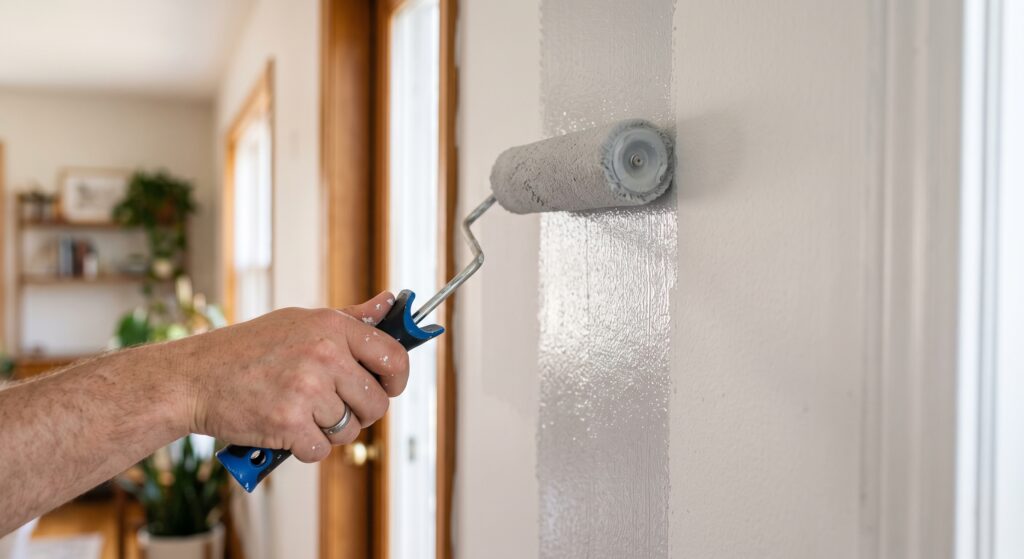
Choosing the right type of paint roller is one of the most overlooked decisions in any painting project, and it has a direct impact on finish quality, coverage speed, and how many coats you need. Short nap rollers are best for smooth walls, medium nap works on standard drywall, and thick nap handles rough or textured surfaces. This post covers every roller type by nap, material, and size, how to use one properly, the most common mistakes, and when it makes more sense to call a professional. What Is a Paint Roller and How Does It Work? A paint roller is a cylindrical painting tool made up of a metal or plastic frame and a removable fabric sleeve called a cover or nap. Y ou load the cover with paint by rolling it across a paint tray, then apply it to the surface using back-and-forth or W-shaped strokes. The main advantage over a brush is speed. A roller can cover a square metre in seconds, making it the go-to tool for walls, ceilings, and floors. The nap absorbs paint and releases it evenly as you roll, which reduces streaks when used correctly. Rollers come in a range of widths, frame sizes, and cover materials. Each combination suits a different job, and using the wrong one often means extra coats, roller marks, or wasted paint. Does the Type of Paint Roller Actually Make a Difference? Yes, and the difference is significant. Compared to a brush, a roller applies paint far more evenly across flat surfaces, cuts application time in half or more, and delivers a consistent texture. Brushes are better for trim and tight corners, but for large open areas, a roller wins every time. The type of paint roller also affects how the finished surface looks. A low-nap roller on a smooth wall leaves an almost seamless finish, while a high-nap roller on the same wall can leave a heavy stippled texture that looks uneven once dry. Getting this match right is just as important as choosing the right paint colour. Types of Paint Rollers and What Each One Is Best For Not all rollers are built the same. The cover material and nap thickness determine how much paint is held, how it releases, and what texture gets left behind. Nap Thickness: How to Choose Nap thickness is the single biggest factor when picking a type of paint roller for a specific surface. Thinner nap holds less paint and leaves a smoother finish. Thicker nap holds more paint and gets into the grooves of rough surfaces where a thin cover would just skim the top. Nap Size Best Surface Finish Result 6mm (1/4 inch) Very smooth walls, ceilings, metal Ultra-smooth, minimal texture 10mm (3/8 inch) Standard drywall, light orange peel Smooth with slight texture 13mm (1/2 inch) Semi-rough surfaces, wood siding Medium texture 19mm (3/4 inch) Rough stucco, brick, cinder block Heavy texture, full coverage Cover Material Options Synthetic fibers — polyester or nylon blends — work well with latex and water-based paints. They hold their shape through multiple uses and clean up easily. Natural fibers like lambswool or mohair are traditionally used with oil-based paints because they absorb and release thick paint smoothly without matting down. Foam rollers are the right pick for very smooth surfaces where you want zero texture, like cabinets or furniture, but they can leave air bubbles if overloaded. Which Type of Paint Roller Size Should You Use? Roller width matters for efficiency and control. Standard sizes run from 4 inches to 18 inches wide, and the right choice depends entirely on what you are covering. Roller Width Best Use 4–6 inches Trim, narrow spaces, accent walls 9 inches Standard walls and ceilings indoors 12–14 inches Large flat walls, floors, commercial spaces 18 inches Wide open surfaces, gymnasium floors, large exteriors A 9-inch roller is the most common choice for residential interior work. It covers enough area per stroke to stay efficient without becoming hard to control. For most Winnipeg homeowners tackling a living room or bedroom, a 9-inch roller with a 10mm to 13mm nap is a solid starting point. How to Use a Paint Roller Properly Using a roller correctly prevents lap marks, uneven coverage, and wasted paint. These steps apply regardless of which type you are using. Step-by-Step Roller Technique Always paint wet edge to wet edge. If one section dries before you connect the next, you will see a visible line in the finish. Common Paint Roller Mistakes and How to Fix Them Even experienced painters run into roller issues. Knowing the cause makes them easy to fix. Roller Marks and Lines Usually caused by pressing too hard or using a dry cover. Keep consistent pressure and reload before the cover runs out completely. Heavy Stippling or Texture This happens when the nap is too thick for a smooth surface. It is one of the most common errors when picking the wrong type of paint roller for the job. Switch to a shorter nap and the texture will even out. Drips and Runs These come from overloading the tray and not rolling out excess paint before hitting the wall. Keep the roller moving and avoid stopping mid-stroke. Lint From New Covers Before using a new roller, wrap it with tape and peel it off a few times to remove loose fibers, or rinse it under water first. This is especially important when using a lint-prone type on dark or semi-gloss finishes. Things To Know Before Buying a Paint Roller Cheap roller covers shed fibers into your paint film and are hard to reload evenly. A mid-range or quality cover pays for itself in fewer touch-ups. The type of paint roller cover you buy matters as much as the brand of paint on your wall. When to Call a Professional Instead A paint roller is simple to use, but results depend heavily on surface preparation, the right materials, and technique. Uneven walls, peeling old paint, water damage, or hard-to-reach exterior areas
How Do You Paint Kitchen Cabinets for a Lasting, Professional Finish?

To paint kitchen cabinets properly, you need to clean, sand, and prime the surfaces before applying at least two thin coats of a durable cabinet-specific paint. Skipping any of these steps is the most common reason DIY cabinet jobs chip, peel, or look uneven within months. Whether you want a crisp white finish, a deep navy, or a warm sage green, the process is the same — patience and the right materials make all the difference. A good paint job on your kitchen cabinets can completely transform the look of your kitchen without a full renovation, saving you significant time and money. From choosing the right primer to picking the best finish type, every decision affects how long your results will last. If you would rather leave it to the pros, reaching out to a licensed painting company for a free estimate is always a smart first step. What Does It Mean to Paint Kitchen Cabinets? When people talk about how to paint kitchen cabinets, they typically mean refinishing the cabinet boxes, doors, and drawer fronts with a fresh coat of paint rather than replacing the entire unit. It is one of the most budget-friendly ways to update a kitchen. You get to keep the existing structure and layout while completely changing the colour and style. The result, when done well, looks just as clean and polished as new cabinetry at a fraction of the cost. This process works on wood, MDF, and even laminate surfaces — though each material requires a slightly different approach to prep and priming. Knowing what your cabinets are made of before you start will save you a lot of frustration later. How to Paint Kitchen Cabinets Step by Step Getting a smooth, long-lasting finish when you paint kitchen cabinets is all about the prep work. Most of the time you spend on this project should go into preparing the surfaces rather than applying paint. Step 1: Remove Doors, Drawers, and Hardware Take off all cabinet doors, drawer fronts, and hardware including hinges, handles, and knobs. Label each door with masking tape so you know exactly where it goes when you reassemble. Painting doors while they are still hanging leads to drips and missed spots on the edges. Step 2: Clean Every Surface Thoroughly Kitchen surfaces collect grease, cooking residue, and dust over time. Use a degreaser or a solution of warm water and dish soap to scrub every surface you plan to paint kitchen cabinets on. Pay special attention to the areas around the stove and sink. Paint will not stick properly to greasy or dirty surfaces no matter how good your primer is. Step 3: Sand for Adhesion Light sanding with 120 to 150-grit sandpaper scuffs the surface just enough for paint to grip. You do not need to strip the old finish completely — just rough it up. After sanding, wipe everything down with a tack cloth or damp rag to remove dust. Skipping this step is one of the top reasons painted cabinets peel. Step 4: Apply a Quality Primer Primer is non-negotiable when you paint kitchen cabinets. It seals the surface, blocks stains, and creates a bonding layer for your topcoat. Use a shellac-based or oil-based primer for the best adhesion, especially on previously finished wood or MDF. Apply one even coat and let it dry completely before moving on. Step 5: Paint in Thin, Even Coats Apply your first coat of cabinet paint using a foam roller for flat surfaces and a small brush for edges and recessed panels. Thin coats dry faster, level better, and are far less likely to sag or drip than thick ones. Let each coat dry fully before applying the next. Two to three coats is standard when you paint kitchen cabinets for a smooth, opaque finish. Step 6: Lightly Sand Between Coats Once the first coat is dry, sand lightly with 220-grit sandpaper to knock down any raised grain or brush marks. Wipe clean, then apply the next coat. This step is what separates a smooth professional-looking finish from one that looks bumpy or rough under the light. What Is the Best Paint to Use on Kitchen Cabinets? Not all paint is made the same, and choosing the wrong type is one of the most common mistakes people make when they paint kitchen cabinets. Cabinets take a lot of daily wear — opening, closing, wiping, and exposure to steam and heat — so the paint needs to be durable. Paint Type Finish Best For Durability Alkyd / Oil-Based Semi-gloss, Satin High-traffic kitchens Excellent Water-Based Alkyd Semi-gloss, Satin Most kitchen cabinets Very Good Latex / Acrylic Satin, Eggshell Low-traffic areas Moderate Cabinet-Specific Satin, Semi-gloss All cabinet types Excellent Water-based alkyd paints are often considered the best all-around option to paint kitchen cabinets because they combine the durability of oil-based paint with easier cleanup. Cabinet-specific formulas are another solid choice — they are engineered to cure hard and resist chipping. Flat or matte finishes are not recommended for cabinets because they absorb moisture and are difficult to wipe clean. Which Finish Is Right When You Paint Kitchen Cabinets? The finish you choose affects both the look and the longevity of your cabinets. Semi-gloss is the most popular choice because it reflects light, resists moisture, and wipes clean easily. Satin is a close second — it has a softer sheen than semi-gloss but is still durable enough for daily kitchen use. Eggshell can work in very low-traffic kitchens but tends to show scuffs and marks more easily than the other options. High-gloss finishes are very durable but will highlight every brush mark and surface imperfection, so they require a near-perfect prep job to look good. For most homeowners looking to paint kitchen cabinets at home, a satin or semi-gloss finish offers the best balance between appearance and practicality. Things to Know Before You Paint Kitchen Cabinets There are a few things that catch people off guard the first time they take on a cabinet painting
What Are Paint Pots and How Do You Use Them for a Better Finish?

Paint pots are compact, handheld containers that painters use to carry a working supply of paint close to the job, keeping the main can sealed and the workspace cleaner. They come in metal or plastic, range in size from 500 ml to 2 litres, and are especially useful for cutting in along trim, working on ladders, and tackling detail work. Choosing the right type, filling it correctly, and cleaning it after each use are what separate a smooth finish from a messy one. Here you will find what they are made of, how to use them properly, which option suits your project best, and practical things every painter should know. What Are Paint Pots? Paint pots are small, open-top containers designed to hold a portion of paint for immediate use. Rather than dipping a brush directly into a heavy full-sized can, painters pour a modest working amount into the container and carry it alongside them as they move around a room or climb a ladder. They typically hold between 500 ml and 2 litres, which is enough for a solid session without being too heavy to hold in one hand. Most include a handle, and many have a hook designed to clip onto a ladder rung so both hands stay free during elevated work. Using one keeps the main can clean, reduces contamination from brushes, slows evaporation, and lowers the chance of tipping a large open container. They are a standard part of any organized painting setup, useful for both homeowners doing a weekend refresh and professional crews working on multi-day projects. What Are Paint Pots Made Of? The material matters more than most people expect. Different options suit different paint types, working conditions, and how often you plan to paint. Metal Options Metal containers, usually tinplate or galvanized steel, are the most durable choice. They resist warping from solvents, hold their shape under pressure, and clean up easily with the right cleaner. They are the best match for oil-based paints, primers, and stains because they do not break down from chemical exposure. Professional painters often favour metal for longer jobs because the container feels solid and stable in hand. The one drawback is rust risk if the pot is not dried completely after washing. Plastic Options Plastic is lightweight and costs less than metal. It cleans up with soap and water, making it a natural match for latex and water-based paints. Some versions come with disposable liners, letting you swap colours mid-job without washing the container between each one. Thinner plastic can flex or crack over time with repeated use, so look for heavier-walled options if you want something reusable for more than a single project. Comparing Your Choices Feature Metal Plastic Best paint type Oil-based, primer, stains Latex and water-based Durability High, lasts years Medium, depends on thickness Cleanup method Solvent or warm water Soap and water Weight Slightly heavier Very light Cost Moderate Low to moderate How to Use Paint Pots Correctly Getting the process right from the start saves time and helps you get better, more even coverage. Stir your paint thoroughly in the main can before pouring. Then fill the container to about one-third to one-half of its capacity. Overfilling leaves no room to load your brush cleanly and makes spills more likely. Dip only the lower third of your brush bristles into the paint, then wipe off the excess on the inner rim before applying. This prevents drips and gives you better control, especially when working close to edges or trim. When on a ladder, clip the container onto a rung rather than holding it the entire time. This frees your non-painting hand for grip and balance. At the end of each session, return unused paint to the main can instead of letting it sit and skin over. Clean the container right away, because dried paint is significantly harder to remove than fresh paint. When Should You Use Paint Pots? These containers are not necessary for every task, but there are specific situations where they are clearly the better choice over a full can or a large roller tray. Cutting In Along Edges and Trim Cutting in means painting a sharp, clean line along ceilings, corners, baseboards, and door or window frames before rolling the main wall area. Having the right container nearby means less walking back to a tray, which keeps your rhythm steady and your line sharper. Working on Ladders Carrying a full can up a ladder is awkward and creates a safety risk. A hooked container that clips to the ladder rung removes that issue entirely, keeps the paint stable, and leaves both hands available for the work. Touch-Up Jobs Small repairs, scuffs, and patched areas rarely need more than a few tablespoons of paint. Working from a small supply keeps the main can sealed and avoids exposing it to repeated air contact. Detail and Trim Work Painting window frames, moulding, cabinet edges, and other fine areas calls for careful, controlled strokes. Moving a small container along with you is far more practical than repositioning a heavy can every few minutes. Choosing the Right Option for Your Project The best choice depends on how often you paint, what kind of paint you are using, and how much mobility you need during the job. Project Type Best Option Reason Interior cutting in Plastic with ladder hook Light, cleans with water Exterior or oil-based work Metal container Solvent-resistant, durable Quick one-time touch-ups Disposable cup No cleanup needed Regular professional use Metal with magnetic brush rest Built for repeated heavy use For a single room or occasional home project, plastic is practical and affordable. For anyone working with oil-based products or painting frequently, a metal container is the better long-term investment. Things To Know About Paint Pots Before picking up a container for your next job, keep these practical points in mind. Working With a Professional Painting Team For larger jobs involving full exterior repaints, multi-room interiors, or detailed trim and ceiling work,
How Do You Properly Prepare for Painting Exterior Brick?

Painting exterior brick gives your home a refreshed look while adding a layer of protection against weather damage. When approached correctly, painting exterior brick is a lasting investment that stands up to harsh weather. Done right, it can last for years — but the key is preparation, the right paint, and correct application technique. Before you pick up a brush, there are several things to understand: brick is porous, it holds moisture, and not all paints bond well to it. Skipping prep steps is the most common reason this type of project fails early. Whether you want a bold new colour or simply want to protect aging masonry, the steps covered here will help you get it right the first time. What Does Painting Exterior Brick Actually Mean? Applying paint directly onto a masonry surface on the outside of a building is different from painting drywall or wood siding. Brick has a textured, porous surface that absorbs moisture and expands slightly with temperature changes. That means regular latex paint may not be enough on its own. When done properly, painting exterior brick seals the surface, reduces moisture penetration, and dramatically changes the curb appeal of a home. Many homeowners in Winnipeg choose to update their masonry to modernize older homes or unify the look of mixed exterior materials. It is important to know that once you commit to painting exterior brick, it is very difficult to reverse. The paint soaks into the pores of the brick and mortar, which means stripping it later requires significant effort. This is why choosing the right materials and doing thorough prep work matters so much. Things To Know Before You Start How to Prepare the Surface Before Painting Preparation is the most important part of any exterior masonry project. Rushing through this stage leads to paint that peels within a season. Clean the Surface Thoroughly Start by power washing the brick to remove dirt, dust, moss, and loose mortar. Use a pressure washer on a moderate setting — too much pressure can damage the mortar joints. If there is mould or mildew present, treat the area with a diluted bleach solution and scrub with a stiff brush. Rinse well and allow the surface to dry completely. If you see white staining (efflorescence), use a masonry cleaner or a mild acid wash to dissolve it. Rinse thoroughly and allow several days of drying time before moving forward. Repair Cracks and Damaged Mortar Once the surface is clean and dry, inspect every section of the wall. Fill cracks with a matching mortar mix or masonry caulk. Any holes, chips, or gaps larger than a fingernail should be patched. Painting over damaged brick does not hide the damage — it often makes it more obvious once paint is applied and dry. Apply a Masonry Primer A breathable masonry primer creates a consistent base for the topcoat to bond to. It also prevents the brick from absorbing too much paint, which would leave a patchy finish. Roll primer on using a thick-nap roller (at least 19mm) to push it into the texture of the brick and mortar. Let it cure fully before applying your topcoat. What Kind of Paint Works Best on Brick? Choosing the correct paint is just as critical as prep work. Here is a breakdown of the most suitable options for exterior masonry: Paint Type Best Use Key Benefit Elastomeric Paint Older or cracked brick Stretches with temperature changes, seals minor cracks Masonry Latex Paint Sound brick in good condition Breathable, easy to apply, wide colour range Mineral-Based Paint Historic or heritage masonry Bonds chemically, extremely durable Waterproof Masonry Paint High-moisture areas Strong moisture barrier, ideal for foundations Elastomeric paint is widely recommended for painting exterior brick in climates like Winnipeg’s, where freeze-thaw cycles put stress on masonry surfaces. It stays flexible so it does not crack when brick expands and contracts with temperature shifts. Avoid standard exterior latex that is not labelled for masonry use. It may look fine at first but will likely peel within a few years because it cannot handle the porosity and movement of brick. Step-by-Step Process for a Clean, Lasting Finish Once your surface is prepped and primed, follow these steps to apply paint properly. Choose the Right Tools The right tools make painting exterior brick far easier and give a more professional result. A thick-nap roller (19mm to 25mm) is the best tool for exterior masonry because it pushes paint into all the crevices. Use a smaller brush for mortar joints and edges. Sprayers can work on large surfaces but require more masking and cleanup. For most homeowners, a roller and brush combination gives the best control. Work in Manageable Sections Do not try to paint an entire wall in one session. Work in sections of roughly 1 to 2 square metres at a time. Apply paint generously, then go back over the section to even it out before the paint starts to set. This prevents lap marks where wet and dry paint meet. Apply Two Coats One coat is rarely enough. The porous surface absorbs the first coat unevenly. Let the first coat dry fully — usually 4 to 6 hours in warm weather — then apply a second coat for solid, uniform coverage. Watch the Weather Avoid painting in direct sunlight, on very windy days, or when rain is expected within 24 hours. Ideal conditions are overcast days with temperatures between 15 and 25 degrees Celsius. In Winnipeg, late spring through early fall offers the best window for exterior masonry work. Common Mistakes to Avoid Even experienced DIYers make errors when tackling masonry. Here are the most frequent problems and how to prevent them: Mistake Why It Happens How to Avoid It Skipping the primer Trying to save time Always use a breathable masonry primer first Painting wet brick Not waiting after rain Allow 7 to 10 days of drying time Using the wrong paint Choosing standard exterior paint Only use masonry or elastomeric formulas
What Is the Best Paint for Bathroom Walls in Canada?

The best paint for bathroom walls is a 100% acrylic latex formula with a satin or semi-gloss sheen, since these resist moisture, humidity, and mold far better than flat or eggshell finishes. Bathrooms in Canadian homes face daily exposure to steam, condensation, and temperature swings, which means the wrong paint for bathroom surfaces will peel, bubble, or grow mildew within months. Choosing the right formula, sheen, and colour makes the difference between a finish that lasts a couple of years and one that holds up beautifully for a decade. What Is the Best Paint for Bathroom Walls? The best paint for bathroom walls is 100% acrylic latex with a satin sheen. Acrylic latex dries hard, resists humidity, and cleans up easily with soap and water. Unlike oil-based formulas, it does not yellow over time, which matters in a room lit by warm vanity bulbs. Satin sits in the sweet spot between durable and attractive — it reflects just enough light to feel clean without amplifying every imperfection on the wall surface. Semi-gloss is another strong option, especially on trim, door frames, and around the tub or shower enclosure where moisture contact is highest. It wipes down even more easily and stands up to repeated scrubbing. The tradeoff is that semi-gloss highlights surface flaws, so walls need to be smooth before painting. Flat and eggshell paints are not recommended as paint for bathroom walls. They absorb moisture rather than shedding it, which leads to peeling and mold growth in rooms with poor ventilation. Paint Sheen Comparison for Bathroom Walls Sheen Level Best Used On Moisture Resistance Hides Imperfections Flat / Matte Ceilings only (low-steam areas) Poor Yes Eggshell Low-humidity rooms Fair Moderate Satin Bathroom walls Good Moderate Semi-Gloss Trim, around tub/shower Excellent No Why Bathroom Paint Is Different from Regular Interior Paint Regular interior paint is formulated for living rooms, bedrooms, and hallways — spaces that stay relatively dry. A bathroom is one of the most demanding environments in any home, and using the wrong product is one of the most common painting mistakes homeowners make. Paint for bathroom applications must handle humidity that can spike above 90% every time someone showers. That moisture seeps into porous surfaces, loosens adhesion, and creates the perfect conditions for mold spores to grow. Modern bathroom-specific formulas include mildewcide additives that actively resist mold and mildew. These additives do not make the paint toxic; they simply create a surface environment where mold cannot take hold easily. When shopping for paint, look for labels that say “mold-resistant,” “moisture-resistant,” or “bathroom and kitchen formula.” Another key difference is sheen durability. Paint for bathroom walls needs to hold its finish even after being wiped down repeatedly. Acrylic latex with a satin or semi-gloss sheen maintains its appearance through dozens of cleanings, which flat paint simply cannot do. Which Paint Finish Works Best in Each Part of the Bathroom? Not every surface in a bathroom faces the same conditions. The ceiling, walls, trim, and cabinetry all benefit from slightly different choices. Bathroom Ceiling Ceilings accumulate the most moisture because warm steam rises. A flat or matte finish specifically labelled as moisture-resistant or ceiling-grade works here because you are not scrubbing the ceiling. Look for a formula with mildewcide. Some painters prefer using the same satin paint for bathroom walls on the ceiling too, which is a perfectly practical choice that simplifies the project. Bathroom Walls Satin acrylic latex is the go-to paint for bathroom wall surfaces. It offers a clean, low-sheen look that is easy to wipe down and stands up to daily humidity. Apply two coats over a primed surface for best results, especially if you are going from a dark colour to a lighter one. Trim, Baseboards, and Door Frames Semi-gloss is the standard choice here. It is harder, more washable, and creates a clean contrast against wall colour. The higher sheen on trim also visually defines the space and adds a finished, polished look. Vanity Cabinetry Cabinet surfaces need an extremely durable finish. A semi-gloss or gloss paint for bathroom cabinetry stands up to daily contact, cleaning sprays, and the occasional splash. Proper surface prep, including light sanding and a bonding primer, is essential before painting cabinets. How Colour Choice Affects Your Bathroom Colour plays a bigger role in bathrooms than most people expect. Because bathrooms tend to be smaller, the paint colour has a strong visual impact on how spacious or cosy the room feels. Lighter colours like soft whites, pale blues, and warm creams make a small bathroom feel more open and airy. They also reflect light, which helps in windowless bathrooms or spaces with minimal natural light. Darker shades like navy, charcoal, or forest green create a dramatic, spa-like mood, but they require excellent lighting and confident surface prep to look their best. When choosing a paint for bathroom project in Canada, keep in mind that northern light tends to run cooler than southern light. Warm undertones like cream, blush, or soft yellow can counteract that coolness and make the space feel more inviting during winter months. Colour Choices and Their Visual Effect in Bathrooms Colour Family Effect on Space Best For White and Off-White Bright, open, clean Small bathrooms, low-light spaces Soft Blue or Green Calm, spa-like, airy Medium to large bathrooms Warm Cream or Blush Cosy, inviting, soft Cold-light northern exposures Navy or Charcoal Bold, dramatic, luxurious Larger bathrooms with good lighting Greige (Grey-Beige) Neutral, versatile, modern Any size, pairs with any trim colour Things To Know Before Painting Your Bathroom A few practical points can save you from redoing the job after a few months. Common Mistakes When Choosing Paint for Bathroom Walls Even experienced DIYers make avoidable errors when it comes to bathroom painting. Knowing what to watch for helps you get a result that actually lasts. Using regular interior paint without moisture resistance is the most common error. Standard wall paint will begin to peel or blister within a year in a frequently used bathroom. Always verify
What Is a Paint Bucket and How Do You Use It Properly?

A paint bucket is one of the most essential tools in any painting project, used to hold, mix, and carry paint from one spot to another with ease. Whether you are tackling a small room refresh or a full exterior repaint, knowing how to choose the right paint bucket, use it properly, and keep it clean can make a real difference in your results. This article covers everything from the types of paint buckets available, how to size them correctly for your job, proper techniques for pouring and mixing, and tips for keeping your workspace tidy. You will also find a breakdown of common mistakes to avoid and advice on when to call a professional painter for larger or more complex work. What Is a Paint Bucket? A paint bucket is a container designed to hold liquid paint during a painting job. It is typically made from plastic or metal and comes in a range of sizes, from small one-litre containers to large five-gallon buckets used on commercial sites. Unlike a paint tray, a paint bucket allows you to mix larger volumes of paint, carry it safely around a job site, and pour it into smaller containers or trays as needed. Most paint buckets have a sturdy handle for carrying, a wide mouth for easy access, and graduated measurements marked on the inside so you can track how much paint you are using. Some also come with a pour spout or a built-in grid for wiping excess paint off a roller. If you have ever wondered about the difference between a paint bucket and a regular storage pail, the key distinction is the interior design. A proper paint bucket is built to resist rust, chemical reactions, and staining, which keeps your paint clean and uncontaminated throughout the project. Why Does the Right Paint Bucket Matter? Using the wrong container for paint can lead to several problems. Paint that sits in a reactive metal container may change colour or texture. A bucket that is too small forces you to constantly refill, which slows down your work. One that is too large makes pouring awkward and increases the chance of spills. The right paint bucket keeps your paint in good condition from start to finish. It also helps with mixing, since a wider base gives you more room to stir without splashing. For larger projects, having the correct size means you can mix a full batch at once, which helps maintain consistent colour across the entire surface being painted. Choosing correctly also reduces waste. When you pour paint into a bucket that fits your job, you use only what you need and can seal the rest for later. For anyone doing residential painting in Winnipeg, this is especially useful since Manitoba weather can affect how quickly open paint dries. Types of Paint Buckets and Which One to Use Plastic Paint Buckets Plastic paint buckets are the most widely used option for both homeowners and professionals. They are lightweight, easy to clean, and resistant to most types of paint including latex, acrylic, and water-based formulas. The translucent sides on some plastic buckets let you see the paint level without tipping the container, which is a practical advantage on a busy job site. These buckets are best for interior painting projects where you are working with standard latex or acrylic paints. They are also a good choice when you need to carry paint up a ladder, since their lighter weight reduces fatigue. Metal Paint Buckets Metal paint buckets are more durable and better suited for oil-based paints and solvents, which can sometimes degrade plastic over time. They hold up well to rough handling and are often preferred by professional painters for exterior jobs or commercial work. The downside is that metal buckets are heavier and can rust if not properly dried and stored after use. If you are using an oil-based primer or paint, a metal paint bucket is usually the safer and more practical choice. Bucket with Liner Some painters prefer using a standard bucket fitted with a disposable liner. This keeps the original container clean and makes cleanup nearly instant since you simply remove and discard the liner. Liners are available in multiple sizes and are a smart option if you are switching between colours frequently on the same job. Paint Bucket Types at a Glance Type Best For Key Advantage Plastic Latex, acrylic, water-based paints Lightweight, easy to clean Metal Oil-based paints and solvents Durable, chemical-resistant Bucket with Liner Multi-colour jobs, fast cleanup Near-instant cleanup, reusable bucket How to Use a Paint Bucket Properly Using a paint bucket correctly is not complicated, but there are a few steps that make a real difference in the outcome of your project. Following these steps helps you avoid common problems like paint contamination, uneven mixing, and unnecessary waste. Step 1: Choose the Right Size For most interior rooms, a two-gallon or five-gallon paint bucket is enough. Small accent walls or trim work may only need a one-gallon container. Match the size to the surface area you are painting so you are not constantly refilling or carrying excess weight. Step 2: Stir and Mix Thoroughly Before pouring paint into your paint bucket, stir the original can thoroughly. Paint settles over time, and the pigment can separate from the base. Once you pour it into your bucket, stir again using a long mixing stick. This is especially important when combining multiple cans of the same colour, a technique called boxing paint, which ensures the shade is consistent throughout your project. Step 3: Pour in the Right Amount Do not fill your paint bucket to the brim. Filling it about halfway leaves enough room to dip a roller or brush without the paint overflowing. It also makes it easier to carry and reduces the risk of spills when you move around the room. Step 4: Use the Grid or Pour Spout Many paint buckets include a built-in grid on the inside. This is used to remove
What Are the Different Paint Finishes and Which One Should You Choose?

Paint finishes determine how light reflects off your walls and how well the surface holds up to cleaning and wear. The five main paint finishes are flat, eggshell, satin, semi-gloss, and high-gloss, each designed for specific rooms and surfaces. Flat works best on ceilings and low-traffic areas, while satin and eggshell suit most living spaces, and semi-gloss or high-gloss are ideal for trim, kitchens, and bathrooms. Choosing the right paint finish can make a room feel brighter, look cleaner, and stay fresher for longer. This article walks through every finish type, explains where to use each one, and helps you pick the best option for your home. What Are Paint Finishes? Paint finishes refer to the level of sheen or gloss in a dried coat of paint. When paint dries, its surface can look completely flat or reflect light at varying degrees depending on the formula. The finish affects not just how a room looks, but also how easy it is to clean the walls and how long the paint lasts. Different rooms have different needs. A bathroom needs a surface that resists moisture. A bedroom may look best in a soft, low-sheen option. A trim piece around a window benefits from a tougher, shinier coat. Understanding paint finishes helps you make smart choices for each part of your home. The five standard paint finishes are flat (matte), eggshell, satin, semi-gloss, and high-gloss. Each has its own strengths and ideal use cases. Some brands also offer a pearl finish that sits between eggshell and satin. Quick Overview of Paint Finishes Finish Type Sheen Level Best Used For Flat / Matte None to very low Ceilings, low-traffic walls Eggshell Low Living rooms, bedrooms Satin Medium Hallways, kids rooms, family spaces Semi-Gloss High Kitchens, bathrooms, trim High-Gloss Very high Doors, cabinets, accent pieces The 5 Main Paint Finishes Explained Each of the main paint finishes serves a different purpose. Here is a closer look at what makes each one unique and where it performs best. Flat and Matte Paint Finishes Flat paint finishes have no sheen at all. They absorb light instead of reflecting it, which gives walls a smooth, powdery look. This makes imperfections like bumps, patches, or uneven textures harder to notice. Flat paint is often the go-to for ceilings and formal dining rooms where walls rarely get touched. The downside is that flat paint finishes are harder to wipe clean. Scuffs and marks can be difficult to remove without leaving a dull spot where you scrubbed. Eggshell Paint Finishes Eggshell paint finishes have a very subtle glow, similar to the surface of a real eggshell. They sit between flat and satin on the sheen scale. This makes them a popular all-around choice for bedrooms, living rooms, and dining areas. Eggshell is easier to clean than flat paint but still gives walls a soft, relaxed look. It holds up better in spaces with light foot traffic and occasional wall contact. Satin Paint Finishes Satin paint finishes offer a gentle pearl-like sheen that catches the light without being flashy. They are durable, washable, and work well in areas that see regular use. Hallways, playrooms, and family rooms benefit from satin because it stands up to cleaning and everyday wear. Satin is one of the most versatile paint finishes available. It works indoors and outdoors, and many homeowners choose it when they want a finish that looks polished but not too shiny. Semi-Gloss Paint Finishes Semi-gloss paint finishes reflect significantly more light than satin. They are highly washable and moisture-resistant, which makes them a top pick for kitchens, bathrooms, and laundry rooms. Semi-gloss is also commonly used on trim, baseboards, and window frames because it creates a sharp contrast against wall colours. The sheen highlights architectural details and gives rooms a more defined, finished look. High-Gloss Paint Finishes High-gloss paint finishes are the shiniest option available. They reflect light almost like a mirror and create a dramatic, bold effect. These paint finishes are typically used on doors, kitchen cabinets, and decorative furniture pieces rather than full walls. High-gloss is extremely durable and easy to wipe clean, but it also makes every surface imperfection visible. Proper prep work is essential before applying high-gloss to any surface. Which Paint Finish Is Best for Each Room? Choosing the right paint finishes by room ensures you get the best results in both appearance and durability. Here is a straightforward guide to help you decide. Bedrooms and Living Rooms Eggshell and satin paint finishes are the most popular choices for bedrooms and living areas. Eggshell gives a calm, soft look that works well in restful spaces. Satin is a good option if you want a little more durability and easy cleaning without a strong shine. Both paint finishes hold colour well and look beautiful in natural and artificial light. Kitchens and Bathrooms Kitchens and bathrooms need paint finishes that can handle moisture, grease, and frequent cleaning. Semi-gloss is the most practical choice for these rooms. It resists water and stands up to repeated wiping. High-gloss is another option for cabinets and trim if you want extra durability. Using a flat or eggshell in a bathroom is a common mistake that leads to paint peeling or staining over time. Ceilings Flat paint finishes are almost always used on ceilings. Ceilings rarely need cleaning, and a flat finish hides the slight texture and imperfections that most ceilings have. Using a shinier paint finish on a ceiling can make light fixtures, bumps, and patches much more noticeable. Trim, Doors, and Baseboards Semi-gloss or high-gloss paint finishes are standard for trim work. These areas get touched often, collect dust, and need regular wiping. A durable, shiny finish holds up well and gives woodwork a clean, crisp look that complements the walls around it. Room-by-Room Paint Finish Guide Room or Surface Recommended Finish Why It Works Bedroom Eggshell or Satin Soft look, easy light cleaning Living Room Eggshell or Satin Durable, looks clean and warm Kitchen Semi-Gloss Resists grease and moisture
What Is a Paint Edger and How Do You Use It for Clean Lines?

A paint edger is a small, guided painting tool that lets you apply paint along borders like ceiling lines, baseboards, and window trim without needing masking tape. It uses a built-in guide or wheel to ride along the adjoining surface and keep the paint where it belongs. It is especially helpful for homeowners who want sharper lines with less prep time. It works best on smooth, straight surfaces but has real limitations on textured walls or tight corners. Knowing when a paint edger is the right tool, and when a brush or tape is the better call, will save you time and frustration on any painting project. What Is a Paint Edger? It is a handheld painting tool designed to create clean, straight paint lines along surfaces where two colors or finishes meet. It typically has a flat pad loaded with paint and a plastic guide wheel or edge that rests against the trim, ceiling, or baseboard to keep the paint on target. Most paint edger tools are shaped like a rectangular pad with a short handle. The pad holds a foam or fabric insert that absorbs paint and transfers it to the wall in a controlled strip. The guide sits just slightly away from the pad face, so it rides on the adjacent surface without picking up paint or dragging it onto the wrong area. The main appeal of a paint edger is speed. You do not need to apply and remove tape, and the tool helps beginners get cleaner results near trim than a regular brush might on its own. For straight walls meeting flat ceilings or smooth baseboards, it can be a real time saver. Do Paint Edgers Really Work? Yes, a paint edger can work very well, but its effectiveness depends entirely on the surface and how it is used. On flat, smooth walls with straight trim, a good quality paint edger delivers clean results quickly and with far less effort than cutting in freehand. The guide wheel or edge needs firm, consistent contact with the adjacent surface to steer the paint correctly. If the surface is textured, wavy, or the trim is slightly uneven, the guide can lift and allow paint to drift where you do not want it. In those cases, the paint edger actually creates more cleanup work than it saves. Another factor is paint loading. Applying too much paint to the pad causes it to bleed past the guide. A light, even coat on the paint edger pad produces far better results than a heavily saturated one. Most people who say a paint edger does not work are either using it on a surface that is not flat enough or they have loaded the pad too heavily. Types of Paint Edger Tools Pad Paint Edger The pad paint edger is the most common type. It has a flat foam or fiber pad that holds the paint and a plastic wheel or lip guide along one edge. You load the pad by dipping it lightly into a tray and then slide it along the border of the wall. It is easy to control and works well for ceiling lines and baseboards on smooth walls. Corner Paint Edger A corner paint edger has two pads set at a 90-degree angle, designed to paint two walls meeting at an inside corner in one pass. This style is useful when painting an entire room and you want to cover the junction between walls quickly without worrying about crossing the line. The double-pad design makes it faster than using a standard pad twice. Electric or Battery-Powered Paint Edger Some paint edger tools are battery-powered and use a spinning or oscillating pad to apply paint faster along edges. These are quicker on long, straight runs but harder to control at corners and require a surface clean enough for the motion to work smoothly. They are a good choice for large rooms with consistent, flat surfaces. Edging Brush with Guide Some painters prefer a flat brush fitted with a plastic guide attachment that functions like a paint edger. The brush bristles give you more flexibility than a foam pad, especially around slightly curved or raised trim. The guide keeps the bristles from straying. This type is easier to clean and tends to produce a more consistent finish on walls with some texture. Type Best Use Skill Level Pad Paint Edger Ceiling lines, baseboards, smooth walls Beginner to intermediate Corner Paint Edger Inside wall corners Beginner Electric Paint Edger Long straight edges, large rooms Intermediate Brush with Guide Slightly textured or raised trim Beginner to intermediate How Do You Use a Paint Edger Properly? Using it correctly makes the difference between a clean line and a messy one. The steps are straightforward, but each one matters. Step 1: Clean and Prep the Surface Wipe down the wall and trim with a damp cloth. Any dust, grease, or loose paint will cause the guide to skip and leave an uneven edge. Let the surface dry fully before starting. Step 2: Load the Pad Lightly Dip the pad of the paint edger into a paint tray or flat container and wipe off the excess on the edge of the tray. The pad should look damp but not dripping. Overloading is the most common mistake and causes paint to run under the guide. Step 3: Position the Guide Against the Surface Place it so the guide wheel or plastic lip is resting lightly on the trim, ceiling, or baseboard. Do not press hard. The guide only needs to touch the surface to steer the pad. Step 4: Slide Slowly in One Direction Move the paint edger steadily along the border. Slow, even strokes produce better results than fast ones. Let the tool do the work. Rushing creates uneven pressure that pushes paint past the guide. Step 5: Reload and Continue Reload the paint edger frequently rather than trying to stretch one load too far. Thin, consistent layers build up to a better