Painting residential and commercial spaces involves distinct techniques, timelines, and requirements that property owners should understand before starting any project.
Residential painting focuses on homes and living spaces with personalized color choices and detailed finishes, while commercial painting covers business properties requiring durability, faster completion, and compliance with specific regulations.
Both types demand professional expertise, but the scope, materials, and execution differ significantly based on the property type and intended use.
Whether you need to refresh your home’s interior or update your office building’s appearance, knowing these differences helps you make informed decisions. Professional painting services handle everything from surface preparation to final touches, ensuring results that last.
This guide breaks down what separates residential work from commercial projects, the types of painting available, and practical tips for choosing the right approach for your property in Winnipeg.
Understanding the Key Differences Between Painting Residential and Commercial Properties
The distinction between painting residential and commercial properties starts with understanding what each space needs. Homes prioritize aesthetics and personal preference, while businesses focus on brand representation and functionality.
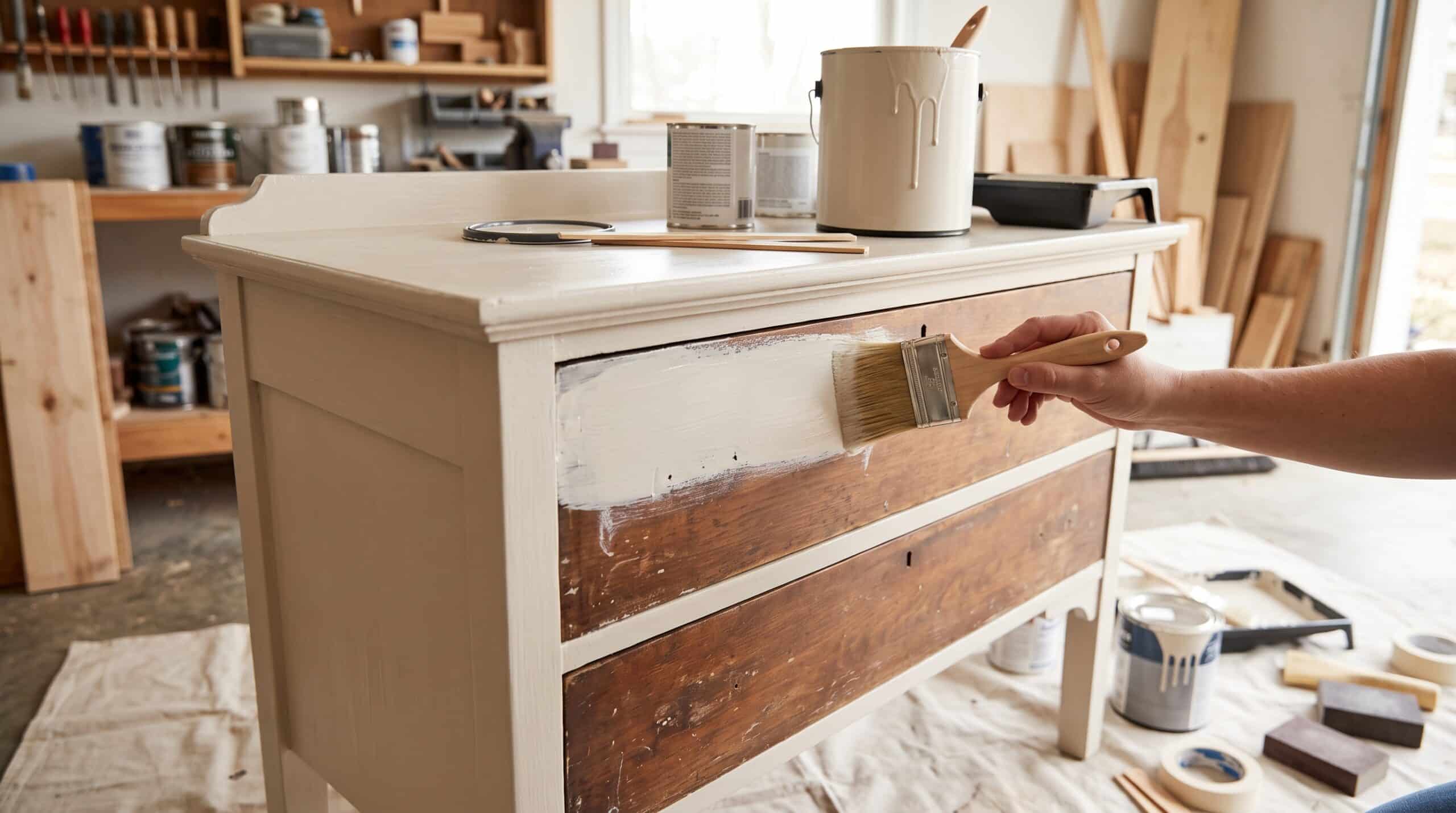
Residential painting typically covers smaller square footage with more intricate details. Homeowners select colors that reflect their personality and create comfortable living environments. Painters working on houses spend time on trim work, accent walls, and custom finishes that match the homeowner’s vision.
Commercial painting involves larger surface areas, stricter timelines, and specific building codes. Businesses need quick turnarounds to minimize operational disruptions. The paint must withstand higher traffic, meet safety standards, and often align with corporate branding guidelines.
Project Scale and Timeline Differences
Residential projects usually take several days to a few weeks, depending on the home’s size. Painters can work during business hours without major disruptions to daily life. Homeowners have flexibility to adjust schedules if needed.
Commercial projects demand efficiency. Many businesses require painting after hours or on weekends to avoid interrupting operations. Larger crews work simultaneously to complete projects faster. A commercial office building might need completion within a tight window, while a residential painting Winnipeg project allows more breathing room.
| Property Type | Average Timeline | Crew Size | Work Hours |
| Small Home | 3-5 days | 1-2 painters | Daytime |
| Large Home | 1-2 weeks | 2-3 painters | Daytime |
| Small Office | 2-4 days | 3-5 painters | After hours |
| Large Commercial | 1-3 weeks | 5-10 painters | After hours/weekends |
Material and Durability Requirements
Homes use paints designed for comfort and appearance. Low-VOC options create healthier indoor air quality. Finishes range from matte to glossy based on room function and personal taste.
Commercial spaces need industrial-grade paints that resist scuffs, stains, and frequent cleaning. High-traffic areas like hallways and lobbies require durable coatings. Fire-resistant and antimicrobial paints may be mandatory in certain facilities.
True Coat uses premium materials for both property types, selecting the right products based on your specific needs. Understanding these requirements ensures your investment delivers lasting value.
Different Types of Painting Residential and Commercial Projects
Both residential and commercial painting encompasses multiple specialty areas beyond basic wall coverage. Knowing these options helps you plan comprehensive property improvements.
Interior Painting Services
Interior painting transforms living spaces and work environments. Residential interiors focus on bedrooms, kitchens, bathrooms, and living areas. Homeowners often choose colors that create specific moods or match furniture and decor.
Commercial interiors cover offices, retail spaces, restaurants, and warehouses. Color psychology plays a bigger role here, influencing customer behavior and employee productivity. Neutral tones dominate corporate settings, while retail stores use bold colors to attract attention.
Interior house painters handle ceiling work, trim detailing, and specialty finishes. Techniques like skim coating smooth out imperfections before paint application, creating flawless surfaces.
Exterior Painting Applications
Exterior painting protects buildings from weather damage while enhancing curb appeal. Residential exteriors include siding, trim, doors, and shutters. Homeowners select colors that complement their neighborhood while expressing individual style.
Commercial exteriors must withstand harsh conditions and maintain professional appearances. Building codes may dictate color choices or require specific paint types. Proper surface preparation becomes critical for adhesion and longevity.
Exterior painting for house projects often involves pressure washing, scraping old paint, and repairing damaged surfaces. Weather considerations impact scheduling more heavily than interior work.
Specialty Finishes and Custom Work
Specialty finishes add character to both property types. Faux finishes, textured walls, and decorative techniques create unique visual effects. Limewash painting offers eco-friendly alternatives with distinctive appearances.
Cabinet painting updates kitchens without full renovations. Kitchen cabinet painters transform dated spaces into modern showpieces using specialized primers and topcoats.
Deck staining protects outdoor wood surfaces while highlighting natural grain patterns. This service applies to residential patios and commercial outdoor seating areas alike.
Proper Preparation Steps for Painting Residential and Commercial Spaces
Proper preparation determines project success regardless of property type. Taking time upfront prevents problems during execution and ensures quality results.
Assessment and Planning Phase
Start by evaluating your property’s current condition. Walk through spaces noting damaged areas, peeling paint, or water stains. These issues need repair before painting begins.
Decide whether you want full coverage or targeted updates. Some projects only require accent walls or specific rooms, while others benefit from complete makeovers. Clear goals help painters provide accurate estimates and timelines.
For commercial properties, consider operational impacts. Determine if work can happen during business hours or requires after-hours scheduling. Communication with employees or tenants minimizes disruptions.
Color and Finish Selection
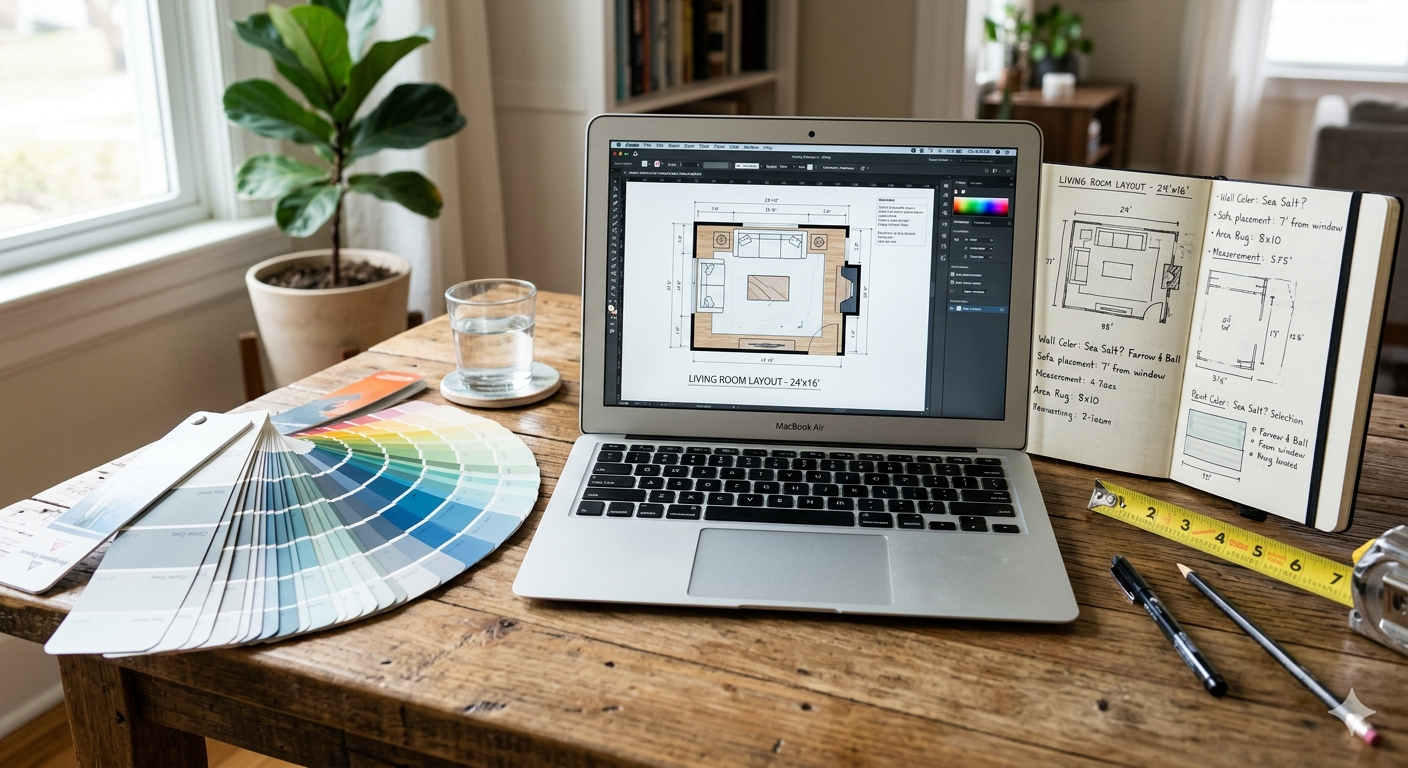
Color selection significantly impacts final results. Residential clients often struggle choosing from endless options. Professional color consultation services guide decision-making based on lighting, furniture, and personal preferences.
Commercial color choices align with brand identity and psychological effects. Corporate offices typically use calming neutrals, while restaurants might choose appetite-stimulating reds or oranges.
Finish selection matters equally. Matte hides imperfections but shows marks easily. Satin and eggshell offer balanced durability and appearance. Semi-gloss and gloss withstand heavy cleaning, ideal for trim and high-traffic commercial areas.
Surface Preparation Requirements
Surface prep separates amateur results from professional quality. Walls need cleaning to remove dirt, grease, and mildew. Damaged areas require patching, sanding, and priming.
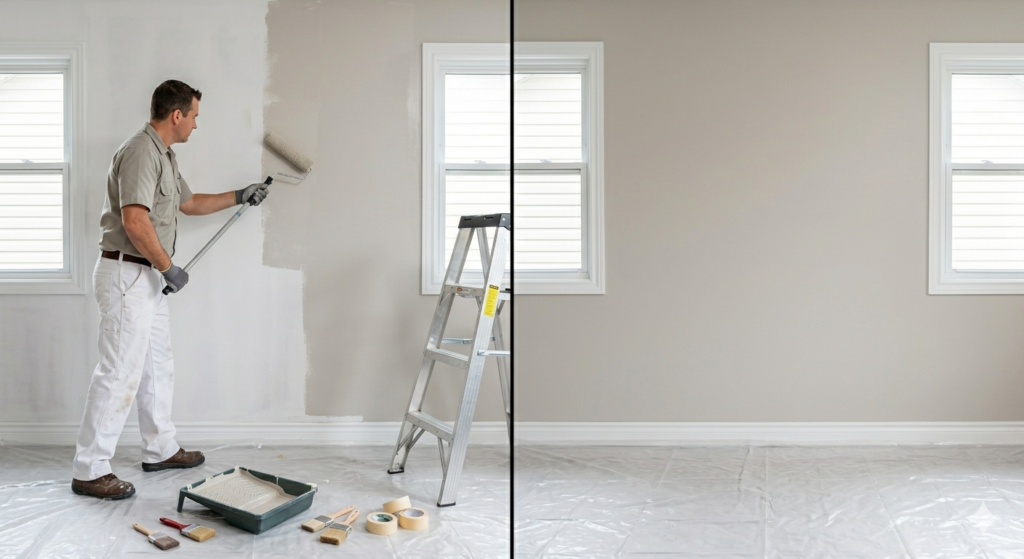
Furniture and fixtures need protection or removal. Professional painters use drop cloths, plastic sheeting, and painter’s tape to shield surfaces. Proper masking creates crisp lines and prevents accidental splatters.
Drywall repair services fix cracks, holes, and water damage before painting starts. Skipping this step leads to visible imperfections and shortened paint life.
Cost Factors for Painting Residential and Commercial Properties
Understanding pricing helps budget appropriately for your project. Multiple variables affect final costs beyond simple square footage calculations.
Residential Project Pricing
Home painting costs depend on room sizes, ceiling heights, and complexity. Standard eight-foot ceilings cost less than cathedral ceilings or two-story entryways. Intricate trim work and detailed moldings increase labor time.
Paint quality impacts pricing. Economy paints cost less upfront but require more coats and fade faster. Premium paints provide better coverage, richer colors, and longer-lasting results.
Additional services like wallpaper removal, extensive repairs, or custom finishes add to base prices. However, addressing these needs during initial projects prevents future headaches.
Commercial Project Pricing
Commercial projects typically cost more per square foot due to scale and specialized requirements. Larger surface areas benefit from volume pricing, but logistical challenges balance savings.
After-hours work commands premium rates since crews work outside normal schedules. Emergency timelines or rush jobs increase costs further. Planning ahead provides better value.
Building height affects pricing significantly. Multi-story buildings require scaffolding, lifts, or specialized equipment. Safety measures and accessibility challenges add complexity and expense.
For accurate pricing on painting residential and commercial properties in Winnipeg, contact True Coat for a free estimate. Our transparent quotes outline all costs upfront without hidden fees.
When Professional Painters Are Necessary for Residential and Commercial Work
Knowing when to hire professionals versus attempting DIY saves time, money, and frustration. Certain situations clearly favor expert intervention.
Projects Requiring Expert Skills
Large projects exceed most homeowners’ capabilities. Painting entire home exteriors or multi-room interiors demands equipment, skills, and time most people lack. Professionals complete these jobs efficiently with superior results.
Safety concerns mandate professional help. High ceilings, steep roofs, or multi-story buildings pose serious injury risks. Licensed painters carry proper insurance and use appropriate safety equipment.
Commercial properties almost always require professional services. Building codes, specialized paints, and tight deadlines necessitate experienced crews. Attempting commercial painting without proper credentials risks regulatory violations.
Advantages of Established Companies
Established painting companies like True Coat bring years of experience to every project. We’ve handled countless residential and commercial jobs, learning nuances that ensure quality outcomes.
Licensed and insured professionals protect your investment. If accidents happen or results disappoint, legitimate companies stand behind their work. True Coat offers a three-year craftsmanship warranty on completed projects.
Professional painters provide comprehensive services beyond basic painting. We handle surface preparation, repairs, and detailed finishing work. Our team coordinates all aspects, so you enjoy stress-free transformations.
Access to professional painting services ensures proper techniques and materials for your specific property type. True Coat’s expertise in both residential and commercial painting means we understand each project’s unique requirements.
Environmental Considerations for Painting Residential and Commercial Buildings
Environmental considerations influence material choices, scheduling, and long-term performance. Winnipeg’s climate presents specific challenges for both property types.
Weather and Temperature Requirements
Exterior painting requires specific temperature ranges for proper adhesion and drying. Most paints need temperatures above 10°C with low humidity. Winnipeg’s short painting season means scheduling flexibility matters.
Winter months limit exterior work but provide ideal conditions for interior projects. Heated indoor spaces maintain consistent temperatures year-round, allowing painting residential and commercial interiors anytime.
Humidity affects drying times and finish quality. High moisture levels slow curing and may cause paint to sag or run. Professional painters monitor conditions and adjust techniques accordingly.
Sustainable Painting Solutions
Environmental awareness drives demand for sustainable painting solutions. Low-VOC and zero-VOC paints reduce harmful emissions, improving indoor air quality. These options benefit residential homes and commercial buildings equally.
True Coat offers eco-friendly alternatives that don’t sacrifice performance. Modern formulations provide excellent coverage, durability, and color retention while minimizing environmental impact.
Limewash paint delivers breathable, natural finishes perfect for heritage buildings or environmentally conscious clients. This traditional technique creates unique textures while supporting sustainable practices.
Things to Know About Painting Residential and Commercial Properties
Before starting any painting project, consider these important points that affect outcomes and satisfaction.
Permits and Regulations: Commercial painting often requires building permits and must comply with local codes. Residential projects typically need fewer approvals but may have restrictions in historic districts or planned communities.
Maintenance Requirements: Both property types need ongoing maintenance to preserve appearance and protection. Regular cleaning, touch-ups, and periodic repainting extend your investment’s lifespan.
Quality Over Price: Choosing the cheapest option usually leads to disappointment. Quality materials and skilled application cost more initially but deliver better value through longevity and appearance.
Communication Matters: Clear communication with your painting contractor prevents misunderstandings. Discuss expectations, timelines, and potential challenges upfront to ensure smooth project execution.
Insurance Coverage: Verify your painter carries adequate liability insurance and workers’ compensation. This protection shields you from financial responsibility if accidents occur on your property.
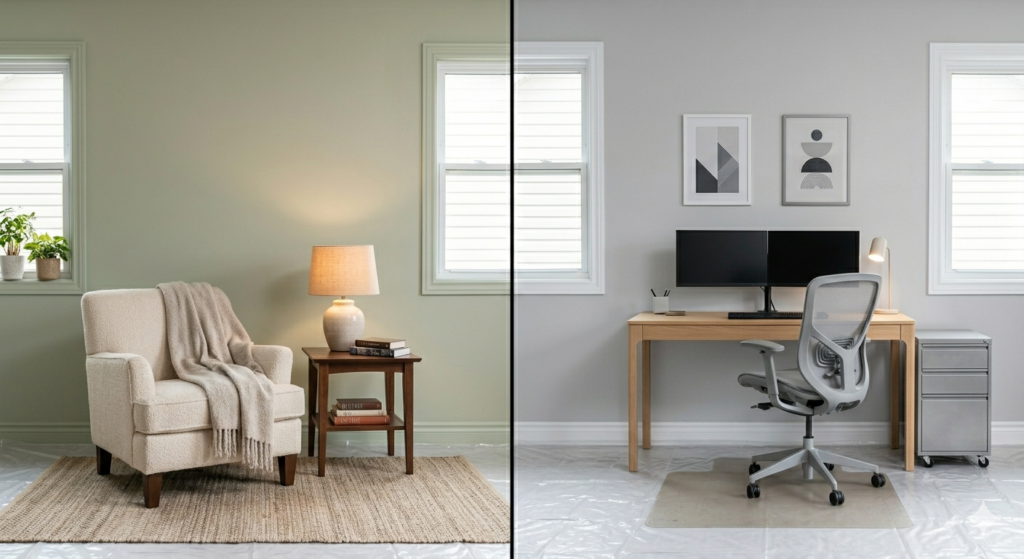
Making Smart Decisions About Painting Residential and Commercial Properties
Understanding the differences between painting residential and commercial properties empowers you to make informed decisions that protect your investment. Both require professional expertise, quality materials, and proper execution to achieve lasting results.
Whether refreshing your home’s appearance or updating your business facility, partnering with experienced professionals ensures success. True Coat brings years of specialized knowledge to every project, handling residential and commercial painting with equal dedication to excellence.
Take time to plan your project thoroughly, choose appropriate materials, and work with licensed professionals who stand behind their craftsmanship. The right approach transforms any space into an environment you’ll enjoy for years to come.
Ready to start your painting project? Contact True Coat today for a free consultation. Our team provides expert guidance tailored to your specific residential or commercial needs, delivering exceptional results that exceed expectations.
Frequently Asked Questions
What is a commercial painting?
Commercial painting involves applying paint and protective coatings to business properties, office buildings, retail spaces, and industrial facilities. This work requires specialized knowledge of building codes, commercial-grade materials, and efficient project management to minimize business disruptions. Commercial painters handle larger surface areas, work outside regular business hours, and use industrial-strength paints designed for high-traffic environments and frequent cleaning.
What is the difference between industrial and commercial painting?
Industrial painting focuses on manufacturing facilities, warehouses, and heavy equipment requiring specialized protective coatings, while commercial painting covers customer-facing business spaces prioritizing appearance and brand representation. Industrial projects use corrosion-resistant, chemical-resistant, and heat-resistant coatings applied to machinery, storage tanks, and production areas. Commercial painting emphasizes aesthetics alongside durability for offices, stores, and restaurants where public interaction occurs.
Is commercial painting hard?
Commercial painting demands physical stamina, technical skills, and project management abilities, making it more challenging than residential work. Painters must handle large-scale projects, work efficiently under tight deadlines, and master specialized equipment like sprayers and lifts. The job requires knowledge of safety regulations, building codes, and commercial-grade materials. After-hours scheduling and coordinating with business operations add complexity to commercial painting projects.
What are the 4 types of painting?
The four main types are residential painting, commercial painting, industrial painting, and specialty painting. Residential covers homes and living spaces with focus on aesthetics. Commercial handles business properties requiring durability and branding considerations. Industrial involves protective coatings for manufacturing and heavy equipment. Specialty includes decorative finishes, restoration work, and unique applications like faux finishes or historical preservation projects.
What are 5 examples of commercial art?
Five examples of commercial art include storefront murals, branded office graphics, retail display backgrounds, restaurant interior theming, and corporate lobby installations. These applications combine artistic design with functional business purposes, creating visual elements that attract customers, reinforce brand identity, and enhance user experiences. Professional painters collaborate with designers to execute these commercial art projects using specialized techniques and durable materials suited for public spaces.