Home paint exterior selection determines how well your house withstands harsh Canadian weather while maintaining beautiful curb appeal. The right exterior paint protects your siding from moisture, UV damage, and temperature extremes while reflecting your personal style.
Quality home paint exterior products contain weather-resistant ingredients that prevent peeling, cracking, and fading for 7-10 years or longer. Your choice impacts not just appearance but also maintenance costs, energy efficiency, and property value.
Acrylic latex paints work best for most Winnipeg homes because they expand and contract with temperature changes, resist mildew, and clean up easily. Paint finishes range from flat to high-gloss, each serving different purposes on various exterior surfaces.
Color selection involves considering neighborhood aesthetics, architectural style, and how different shades perform under intense sunlight or winter conditions.
Surface preparation before applying home paint exterior determines longevity, requiring proper cleaning, scraping, priming, and repairs to achieve professional results.
What is Home Paint Exterior?
Home paint exterior refers to specially formulated coatings designed to protect and beautify the outside surfaces of residential buildings. Unlike interior paint, exterior formulas withstand harsh weather conditions including rain, snow, intense sunlight, and temperature fluctuations.
These paints create a protective barrier over siding, trim, doors, and other exterior components. The formulation includes pigments for color, binders that help paint adhere to surfaces, and additives that provide weather resistance and mildew protection.
Key characteristics of quality home paint exterior:
- Weather-resistant formulation that handles temperature extremes from -30°C to +35°C
- UV blockers that prevent color fading from sun exposure
- Mildew-resistant additives that fight moisture and humidity
- Flexible composition that expands and contracts with temperature changes
- Durable finish that resists chipping, cracking, and peeling
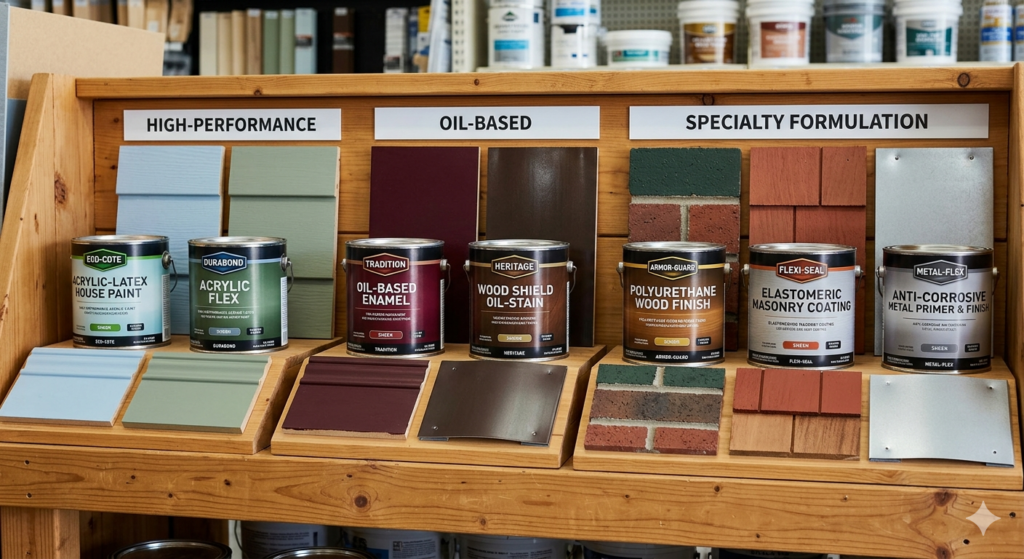
Home paint exterior comes in various bases including oil-based, acrylic latex, and specialty formulations. Each type offers different advantages depending on your climate, surface material, and desired appearance.
The paint works by forming a protective film over exterior surfaces. This film blocks moisture from penetrating into wood or other materials, preventing rot, warping, and structural damage.
Quality home paint exterior also reflects or absorbs heat, potentially improving your home’s energy efficiency.
Modern exterior paints include advanced technology like ceramic microspheres for better insulation, self-priming properties for easier application, and low-VOC formulas for environmental safety.
Why Home Paint Exterior Quality Matters
The quality of your home paint exterior directly affects how long your paint job lasts and how well it protects your home.
Premium home paint exterior products cost more initially but save money over time. High-quality paints contain more pigment, better binders, and superior weather-resistant additives.
These ingredients help the paint maintain color vibrancy and protective properties for 10-15 years compared to 3-5 years for budget options.
Cheap home paint exterior often requires repainting twice as frequently. The labor costs for preparation and application remain the same regardless of paint quality, making frequent repainting expensive. Investing in quality paint reduces total ownership costs.
Poor-quality exterior paint fails in predictable ways. The finish chalks, meaning pigment breaks down into a powdery residue. Colors fade dramatically within 2-3 years. The paint film cracks and peels, exposing bare surfaces to moisture damage.
Quality home paint exterior provides better coverage, typically requiring fewer coats. Premium products spread more evenly and hide previous colors more effectively. This saves time during application and reduces total paint consumption.
The protection factor cannot be overstated. Your home’s exterior constantly battles moisture, UV radiation, temperature swings, and physical impacts.
Quality home paint exterior acts as the first line of defense against these elements, preventing expensive repairs to siding, trim, and structural components.
True Coat exclusively uses premium-grade home paint exterior products for all projects. Our experience has shown that quality paints deliver superior results and long-term value.
Contact us for professional exterior painting using the best products available.
Types of Home Paint Exterior
Choosing the right type of home paint exterior depends on your surface material, climate conditions, and performance expectations. Each paint type offers distinct advantages.
Acrylic Latex Exterior Paint
Acrylic latex represents the most popular home paint exterior choice for Canadian homes. This water-based formula combines durability with ease of application and cleanup.
Advantages of acrylic latex:
- Excellent flexibility that prevents cracking as surfaces expand and contract
- Superior color retention even under intense UV exposure
- Breathable formula that allows moisture vapor to escape
- Resistant to mildew and algae growth
- Easy cleanup with soap and water
- Low odor and lower VOC emissions
- Fast drying time allowing quicker project completion
Acrylic latex home paint exterior works exceptionally well on wood siding, fiber cement, stucco, brick, and previously painted surfaces.
The paint adheres strongly to properly prepared surfaces and creates a durable, long-lasting finish.
In Winnipeg’s climate, acrylic latex handles temperature extremes better than other options. The paint remains flexible even in sub-zero winter conditions, preventing the cracking and peeling common with less flexible formulas.
Oil-Based Exterior Paint
Oil-based home paint exterior provides extremely durable finishes with excellent adhesion properties. While less popular today due to environmental regulations and difficulty of use, oil-based paints still excel in specific applications.
These paints penetrate surfaces more deeply than latex, creating strong bonds with wood and metal. The slow drying time allows the paint to level smoothly, reducing brush marks and creating glass-like finishes.
Best uses for oil-based home paint exterior:
- Metal surfaces including railings, doors, and trim
- High-wear areas requiring maximum durability
- Historic homes where authentic finishes matter
- Surfaces previously coated with oil-based paint
Oil-based home paint exterior requires mineral spirits for cleanup and emits stronger odors during application. Longer drying times mean projects take more days to complete. Many regions now restrict oil-based paints due to high VOC content.
Specialty Exterior Paint Formulations
Modern home paint exterior options include specialized products designed for specific purposes or surfaces.
Masonry paint formulated for brick, concrete, and stucco contains additives that help the paint bond to alkaline surfaces. These paints often include waterproofing agents and breathe better than standard formulas.
Trim paint offers higher durability and gloss levels than siding paint. These home paint exterior products resist scuffing and clean more easily, important for doors, windows, and decorative elements.
Primer-and-paint combinations save time by combining surface preparation and finish coating in one product. While convenient, these work best on new or well-maintained surfaces rather than heavily weathered exteriors.
For guidance on selecting the best home paint exterior type for your specific project, consult with True Coat’s experienced team. We evaluate your surfaces, climate conditions, and goals to recommend optimal products. Learn more about our exterior painting approach.
Five Types of Paint Finishes for Home Paint Exterior
Paint finish refers to the sheen or glossiness level. Each finish serves different purposes on exterior surfaces, affecting both appearance and performance.
Flat or Matte Finish
Flat home paint exterior contains minimal light-reflecting particles, creating a non-shiny appearance. This finish hides surface imperfections better than glossier options.
Flat finishes work well on siding materials with texture or minor flaws. The lack of sheen means light does not highlight bumps, dents, or uneven areas. Many homeowners choose flat home paint exterior for large siding expanses.
However, flat finishes show dirt more readily and clean less easily than glossier paints. The porous surface traps dirt and mildew more than smoother finishes. In high-moisture or shaded areas, flat exterior paint may require more frequent cleaning or repainting.
Satin or Eggshell Finish
Satin home paint exterior offers a subtle sheen similar to an eggshell. This popular finish balances the hiding power of flat paint with some cleanability of glossier finishes.
Satin works excellently on most siding types including wood, vinyl, fiber cement, and stucco. The slight gloss enhances color depth without creating harsh reflections. Dirt wipes away more easily than from flat surfaces.
This finish represents the most versatile home paint exterior option. It performs well in varied lighting conditions and complements most architectural styles. Satin finishes resist mildew better than flat while avoiding the plastic appearance of high-gloss paints.
Semi-Gloss Finish
Semi-gloss home paint exterior reflects considerable light, creating a noticeable shine. This durable finish resists moisture, cleans easily, and highlights architectural details.
Use semi-gloss on trim, doors, window frames, railings, and shutters. The shine draws attention to these features while providing superior protection against handling, weather, and wear.
Semi-gloss home paint exterior performs exceptionally well in high-moisture areas and on surfaces exposed to frequent contact. The smooth, hard finish repels water and resists mildew growth. Dirt and grime wipe away with simple cleaning.
The higher sheen shows surface imperfections more clearly than flatter finishes. Proper surface preparation becomes critical when using semi-gloss home paint exterior. Any dents, scratches, or irregularities will be more visible.
High-Gloss Finish
High-gloss home paint exterior creates the shiniest, most reflective finish available. This eye-catching option offers maximum durability and easiest cleaning but shows every surface flaw.
Traditional applications include front doors, decorative shutters, and architectural accents where dramatic visual impact matters. The glass-like finish creates a formal, elegant appearance.
High-gloss home paint exterior provides the best moisture resistance and most washable surface. The extremely smooth finish prevents dirt adhesion and allows thorough cleaning without damaging the paint.
Use high-gloss sparingly as accent colors or on small surfaces. Large areas painted in high-gloss create overly reflective, sometimes harsh appearances. The shine can be overwhelming in bright sunlight.
Choosing the Right Finish Combination
Most homes use multiple home paint exterior finishes for optimal results. A common approach combines satin on siding with semi-gloss or gloss on trim and doors.
This strategy balances aesthetics and functionality. Siding receives a durable, good-looking finish that hides minor imperfections. Trim gets extra protection and visual emphasis from glossier paint.
| Finish Type | Best Application | Durability | Hides Imperfections | Ease of Cleaning |
| Flat/Matte | Siding, large surfaces | Good | Excellent | Fair |
| Satin/Eggshell | Siding, most surfaces | Very Good | Very Good | Good |
| Semi-Gloss | Trim, doors, shutters | Excellent | Fair | Excellent |
| High-Gloss | Doors, accents | Excellent | Poor | Excellent |
True Coat helps homeowners select appropriate finish combinations for their home paint exterior projects. Our team considers your home’s style, surface conditions, and maintenance preferences. Explore our complete exterior painting services.
Selecting Colors for Your Home Paint Exterior
Color selection transforms your home’s appearance and affects how paint performs over time. The right home paint exterior colors enhance architectural features, complement surroundings, and maintain beauty for years.
Understanding Color Psychology and Trends
Colors communicate feelings and create impressions. Warm tones like beige, tan, and warm gray create welcoming, traditional appearances. Cool colors including blue-gray, sage, and soft white feel modern and fresh.
Neutral home paint exterior colors remain popular because they appeal to broad audiences, maintain value, and coordinate easily with landscaping and fixed elements like brick or stone.
Current trends favor natural, earthy tones over bold, bright colors. Greige (gray-beige blends), warm whites, soft grays, and muted greens dominate modern home paint exterior choices.
However, personal preference matters most. Choose colors you will enjoy seeing daily rather than following temporary trends. A well-executed paint job in your preferred colors provides satisfaction regardless of current fashions.
Considering Architectural Style
Different architectural styles suit specific color palettes. Traditional homes often feature classic combinations while contemporary designs embrace bolder choices.
Color guidelines by style:
- Colonial and Traditional: White, cream, gray, or soft yellow with darker trim
- Craftsman: Earth tones including brown, green, and red with contrasting trim
- Victorian: Multiple colors highlighting ornate details and trim
- Modern: Monochromatic schemes, stark white, black, or bold accent colors
- Ranch and Bungalow: Neutral siding with minimal trim contrast
Your home paint exterior colors should enhance architectural features rather than fight against them. Study homes with similar styles in your neighborhood for inspiration.
Testing Colors Before Committing
Never select home paint exterior colors based solely on small paint chips. Colors appear dramatically different on large surfaces under natural light.
Purchase sample sizes and paint large test sections on different sides of your home. Observe how colors look in morning, afternoon, and evening light. Some shades that appear perfect indoors look completely different on exterior surfaces.
Consider how home paint exterior colors interact with fixed elements including roof shingles, brick, stone, and landscaping. Colors that clash with these permanent features create disjointed, unappealing appearances.
View colors from the street and neighboring properties. What looks good up close might appear different from typical viewing distances. Step back and evaluate how the entire home presents.
True Coat offers professional color consultation to help you select perfect home paint exterior shades. Our team brings expertise in color theory, local preferences, and how different paints perform in Winnipeg’s climate. Contact us for expert color guidance.
Preparing Surfaces for Home Paint Exterior Application
Proper preparation determines whether your home paint exterior lasts 10 years or fails within 2 years. Thorough prep work ensures paint adheres properly and performs as designed.
Cleaning Exterior Surfaces
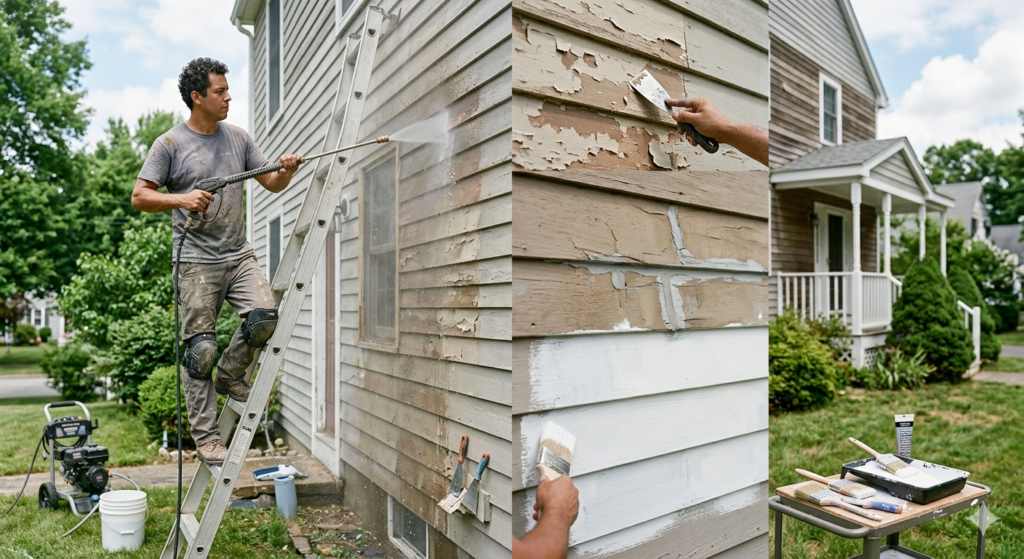
Begin every home paint exterior project by thoroughly cleaning all surfaces. Dirt, mildew, chalk, and pollutants prevent paint adhesion and cause premature failure.
Cleaning methods:
- Pressure washing: Most effective for removing dirt, mildew, and loose paint from wood, vinyl, and masonry
- Hand scrubbing: Necessary for delicate surfaces or areas where pressure washing might cause damage
- Chemical cleaners: TSP or specialized exterior cleaners remove stubborn grime and mildew
Allow surfaces to dry completely before proceeding. Wet or damp surfaces prevent proper home paint exterior adhesion. In humid conditions, waiting 2-3 days after washing ensures thorough drying.
Scraping and Sanding
Remove all loose, peeling, or failing paint before applying fresh home paint exterior. Paint applied over unstable surfaces fails quickly as the old paint continues deteriorating.
Use scrapers, wire brushes, and sanders to remove compromised paint. Focus on areas where paint bubbles, cracks, or peels. Sand edges where old paint meets bare surface to create smooth transitions.
For extensive paint failure, complete removal down to bare surface may be necessary. This labor-intensive process ensures the best foundation for new home paint exterior.
Repairing Damaged Surfaces
Fix all surface damage before painting. Cracks, holes, rot, and other defects compromise both appearance and paint performance.
Common repairs needed:
- Replace rotted wood sections in siding, trim, or window frames
- Fill cracks and holes with appropriate exterior-grade fillers
- Caulk gaps around windows, doors, and trim to prevent moisture intrusion
- Repair loose or damaged siding boards
- Fix fascia, soffit, and other trim damage
Quality home paint exterior cannot hide significant damage or prevent further deterioration of compromised surfaces. Proper repairs ensure paint performs its protective function.
Priming Surfaces
Primer creates the ideal surface for home paint exterior adhesion and performance. Always prime bare wood, new surfaces, stained areas, and dramatic color changes.
Exterior primer seals surfaces, blocks stains, and provides uniform absorption. This foundation layer helps topcoats adhere properly and achieve true color.
Different surfaces require specific primer types. Consult paint manufacturer recommendations or work with professionals who understand proper priming for each surface material.
True Coat never skips proper preparation. Our detailed prep work includes thorough cleaning, complete repairs, and appropriate priming before applying any home paint exterior. This commitment to quality ensures lasting results. Learn about our comprehensive exterior painting process.
Best Practices for Applying Home Paint Exterior
Correct application techniques ensure your home paint exterior performs optimally and looks professional. Following proven methods prevents common problems and extends paint life.
Weather Conditions for Painting
Temperature and humidity dramatically affect how home paint exterior dries and cures. Paint applied in poor conditions may never perform properly.
Ideal conditions:
- Temperature between 10°C and 30°C
- Low humidity (below 70%)
- No rain in forecast for 24-48 hours after application
- Minimal wind (reduces dust and debris)
- Surfaces not in direct intense sunlight
Avoid painting when surfaces are wet from dew, rain, or humidity. Moisture prevents proper adhesion and can cause home paint exterior to bubble, blister, or peel.
In Winnipeg’s climate, late spring through early fall provides optimal painting weather. Summer offers longer work days and faster drying times. Avoid painting in extreme heat where paint dries too quickly, preventing proper leveling.
Application Methods
Three main methods apply home paint exterior: brushing, rolling, and spraying. Each offers advantages for different surfaces and situations.
Brush application provides excellent coverage on trim, corners, and detailed areas. Brushing works paint into surface pores and textures, creating strong adhesion. Use quality brushes appropriate for your paint type.
Roller application covers large, flat surfaces efficiently. Rollers apply even coats quickly on siding, stucco, and other expansive areas. Choose roller nap length based on surface texture – smooth surfaces need short nap, textured surfaces require longer nap.
Spray application delivers the fastest coverage and smoothest finish. However, spraying requires skill, proper equipment, and extensive masking to protect areas not being painted. Overspray can travel significant distances, affecting landscaping, vehicles, and neighboring properties.
Professional painters often combine methods, spraying or rolling large areas while brushing trim and detail work. This approach maximizes efficiency while ensuring thorough coverage.
Proper Coating Techniques
Apply home paint exterior in thin, even coats rather than thick single applications. Multiple thin coats cure properly, last longer, and look better than single thick coats.
Most home paint exterior requires two coats for proper coverage and durability. Some darker colors or dramatic color changes need three coats. Never skip recommended coats to save money or time.
Allow adequate drying time between coats. Rushing this step prevents proper curing and can cause wrinkling, poor adhesion, or extended vulnerability to weather damage. Follow manufacturer-specified recoat times.
Maintain wet edges while painting. Work in sections small enough to complete before edges begin drying. Painting over partially dried edges creates visible lap marks in your home paint exterior.
For optimal results on your exterior painting project, consider hiring experienced professionals. True Coat’s skilled painters deliver flawless home paint exterior applications using proven techniques. Request a free estimate for your project.
Maintaining Your Home Paint Exterior
Proper maintenance extends the life of your home paint exterior and keeps your home looking fresh. Regular care prevents small problems from becoming expensive repairs.
Annual inspections: Walk around your home each spring examining the home paint exterior for signs of wear, damage, or failure. Look for peeling, cracking, fading, mildew, or chalking.
Cleaning: Wash your home’s exterior every 1-2 years to remove dirt, mildew, and environmental pollutants. Use gentle pressure washing or hand scrubbing with mild detergent. Clean siding maintains its appearance and prevents premature paint degradation.
Touch-up repairs: Address small areas of damage promptly. Scrape loose paint, prime bare spots, and apply matching home paint exterior as soon as you notice problems. Small touch-ups prevent moisture intrusion and larger failures.
Caulk maintenance: Inspect and replace failed caulking around windows, doors, and trim joints. Gaps allow moisture behind siding, causing paint failure and potential structural damage.
Vegetation control: Keep bushes, trees, and vines trimmed away from painted surfaces. Plant contact traps moisture against home paint exterior and provides pathways for insects. Maintain at least 12 inches clearance between plants and siding.
Gutter maintenance: Clean gutters regularly and repair leaks promptly. Overflowing gutters dump water onto siding and trim, accelerating paint deterioration and causing water damage.
With proper maintenance, quality home paint exterior lasts 7-10 years before requiring repainting. In harsh weather exposure areas, plan for repainting every 5-7 years.
True Coat provides ongoing maintenance services to protect your investment. Our team handles cleaning, minor repairs, and touch-ups to keep your home paint exterior looking perfect. Explore our residential painting services.
Common Home Paint Exterior Problems and Solutions
Understanding typical paint failures helps you prevent problems and address issues quickly when they occur.
Peeling and Blistering
Peeling happens when home paint exterior loses adhesion to the surface beneath. Blistering appears as bubbles forming under the paint film.
Causes:
- Moisture trapped beneath paint from leaks, poor ventilation, or painting wet surfaces
- Inadequate surface preparation leaving dirt or loose paint
- Incompatible paint layers such as latex over oil without proper priming
- Painting in poor weather conditions
Solutions: Remove failed paint completely, identify and fix moisture sources, properly prepare surfaces, prime appropriately, and repaint using quality home paint exterior in suitable conditions.
Fading and Chalking
Fading occurs when pigments break down from UV exposure. Chalking produces a powdery residue as binders deteriorate.
Low-quality home paint exterior fades and chalks much faster than premium products. Dark colors and south-facing surfaces experience more rapid fading.
Prevention: Choose high-quality paints with UV-resistant pigments, select lighter colors for maximum sun exposure areas, and repaint before severe degradation occurs.
Mildew Growth
Black, brown, or green spots indicate mildew growing on your home paint exterior. This fungus thrives in moist, shaded areas with poor air circulation.
Solutions: Clean affected areas with mildew-killing solutions, improve drainage and ventilation, trim vegetation away from siding, and use mildew-resistant paint when repainting.
Cost Considerations for Home Paint Exterior Projects
Multiple factors influence the total investment in a home paint exterior project. Understanding these elements helps you budget appropriately and make informed decisions.
Size and complexity: Larger homes require more paint and labor. Complex architectural details, multiple stories, and difficult access increase costs.
Surface condition: Extensive prep work for damaged, heavily weathered, or failing paint adds significant labor time and material costs.
Paint quality: Premium home paint exterior products cost more per gallon but provide better coverage and longer-lasting results, potentially reducing total ownership costs.
Labor: Professional application ensures proper techniques, complete preparation, and warranty protection. Quality workmanship costs more but delivers superior results.
For accurate pricing tailored to your specific home paint exterior project, contact True Coat for a detailed free estimate. Our transparent pricing includes all materials, labor, and preparation work. Request your quote today.
Things to Know About Home Paint Exterior
Before starting your exterior painting project, keep these important points in mind:
Timing matters: Schedule home paint exterior projects during optimal weather. In Winnipeg, late May through September typically offers the best conditions. Avoid painting when temperatures drop below 10°C or when rain threatens within 24-48 hours.
Quality pays: Investing in premium home paint exterior delivers better coverage, longer lifespan, and superior weather resistance. The cost difference between budget and premium paint is minimal compared to labor costs, making quality products the smart financial choice.
Preparation is everything: 80% of a successful home paint exterior project involves proper preparation. Thorough cleaning, complete repairs, and appropriate priming determine how well and how long your paint performs.
Color changes require extra coats: Dramatic color shifts, especially from dark to light colors, often need additional coats of home paint exterior. Factor this into your timeline and budget planning.
Professional help saves money: While DIY exterior painting seems economical, mistakes cost more to fix than professional application costs initially. Improper prep work, wrong product selection, or poor application techniques lead to premature failure requiring complete repainting.
Warranty protection: Reputable painting companies like True Coat offer warranties on workmanship. This protection ensures any issues get resolved without additional expense, providing peace of mind and long-term value.
Regular maintenance extends life: Simple annual cleaning and prompt touch-ups keep your home paint exterior looking fresh and performing well. Neglecting maintenance accelerates deterioration and shortens the time before complete repainting becomes necessary.
For comprehensive guidance on your home paint exterior project, consult with True Coat’s experienced professionals. We help homeowners throughout Winnipeg make informed decisions and achieve beautiful, lasting results. Discover more about our exterior painting expertise.
Final Thoughts on Home Paint Exterior
Selecting and applying the right home paint exterior transforms your property’s appearance while providing essential protection against Canadian weather. The process involves understanding paint types, choosing appropriate finishes, selecting complementary colors, and ensuring proper surface preparation and application.
Quality matters significantly in home paint exterior projects. Premium products combined with professional application techniques deliver results that last a decade or longer. Proper maintenance extends this lifespan further, protecting your investment and keeping your home beautiful.
Whether you tackle the project yourself or hire professionals, success requires attention to detail, proper planning, and commitment to doing the work correctly. Shortcuts in preparation or using inferior products inevitably lead to disappointing results and costly do-overs.
True Coat specializes in transforming Winnipeg homes with expert home paint exterior services. Our experienced team handles every aspect from color consultation through final application and cleanup. We use only premium products and proven techniques, backed by our 3-year craftsmanship warranty. Ready to enhance your home’s beauty and protection? Contact True Coat for your free estimate today.
For additional information about exterior home improvements, explore these helpful resources:
How Do You Choose the Best House Exterior Painters for Your Home
What Are the Benefits of Professional Siding and Stucco Painting Services
Best Exterior Painters Near Me in Winnipeg
Frequently Asked Questions
What type of paint is best for house exterior?
Acrylic latex paint works best for most house exteriors in Canadian climates. This water-based formula offers excellent flexibility that prevents cracking during temperature fluctuations, superior color retention under UV exposure, and strong resistance to mildew. Acrylic latex adheres well to wood, fiber cement, vinyl, stucco, and previously painted surfaces while providing easy cleanup and lower VOC emissions compared to oil-based alternatives.
What are the 5 types of paint finishes for exterior?
The five exterior paint finishes are flat (matte), satin (eggshell), semi-gloss, high-gloss, and specialty. Flat finish hides imperfections on siding but cleans less easily. Satin offers versatile performance for most surfaces with subtle sheen. Semi-gloss works excellently on trim and doors with superior moisture resistance. High-gloss creates dramatic shine on accents and doors. Most homes combine satin on siding with semi-gloss or gloss on trim for optimal aesthetics and durability.
Which paint is used for exterior?
Exterior-specific paints formulated to withstand weather are used for house exteriors. Acrylic latex exterior paint remains the most popular choice for siding, offering durability and flexibility. Oil-based exterior paint works well for metal surfaces and high-wear areas. Specialty formulations include masonry paint for brick and concrete, trim paint for doors and windows, and primer-paint combinations for new surfaces. Always choose products labeled for exterior use as they contain weather-resistant additives and UV protection.
Which color is best for house exterior?
Neutral colors including warm grays, beiges, tans, and soft whites work best for most house exteriors. These shades appeal broadly, maintain property value, and complement various architectural styles. The best color depends on your home’s style, roof color, surrounding landscape, and neighborhood aesthetics. Earth tones suit traditional homes while modern designs embrace bolder choices. Test colors on large sections before committing and consider how shades appear in different lighting throughout the day.
Can I paint over old exterior paint?
Yes, you can paint over old exterior paint if the existing coating remains firmly attached and in good condition. Proper preparation is essential including cleaning surfaces thoroughly, scraping away all loose or peeling paint, sanding glossy areas for better adhesion, and priming bare spots where old paint was removed. Paint applied over failing, flaking, or severely weathered coatings will fail quickly. For extensive deterioration, complete paint removal provides the best foundation for lasting results.