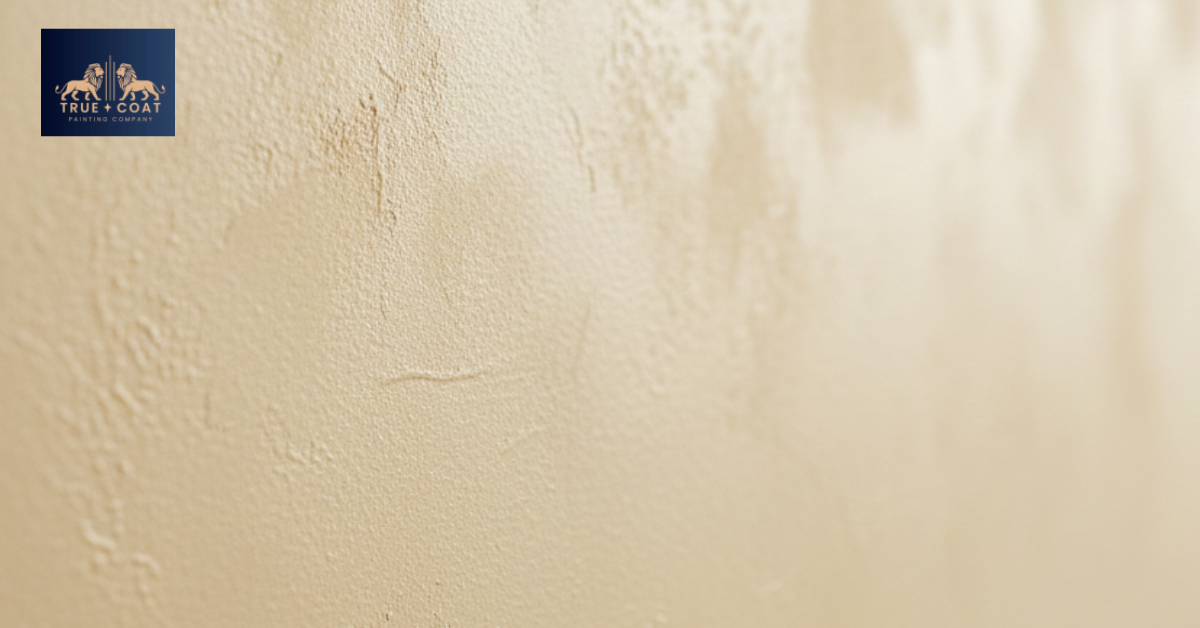
Lime wash painting creates a breathable, environmentally friendly finish that delivers distinctive matte texture and subtle color variations on walls, brick, and masonry surfaces.
This ancient technique uses natural limestone materials that allow moisture to pass through, preventing trapped dampness while developing a beautiful aged patina over time. Unlike conventional paints that sit on top of surfaces, lime wash painting chemically bonds with porous materials and improves over years through a natural carbonation process.
Homeowners choose lime wash painting for interiors and exteriors because it offers antimicrobial properties, requires minimal maintenance, and provides authentic character that synthetic products cannot replicate.
The application process differs significantly from standard painting, requiring specific preparation and techniques for optimal results. Professional painters understand how environmental conditions, surface types, and proper mixing ratios affect the final appearance.
What Does Limewash Paint Do?
Lime wash painting transforms surfaces through a unique chemical process that differs fundamentally from conventional paint systems. The mixture penetrates porous materials rather than creating a surface film, resulting in distinct performance characteristics.
Benefits of Lime Wash Painting
The breathable nature of lime wash painting allows water vapor to pass through freely, which prevents moisture accumulation that causes mold, mildew, and structural damage. This characteristic makes it exceptionally suitable for interior painting projects in humid environments like bathrooms and basements.
Antimicrobial properties occur naturally because lime wash painting creates an alkaline environment hostile to bacteria and fungi. Historical buildings have used this finish for centuries specifically because it helps maintain healthier indoor air quality without chemical additives.
Environmental sustainability ranks high among lime wash painting advantages. The ingredients consist of natural limestone, water, and sometimes mineral pigments, containing no volatile organic compounds (VOCs) or synthetic chemicals. This makes lime wash painting an excellent choice for eco-friendly painting projects.
The aesthetic qualities develop over time as lime wash painting ages gracefully. Natural weathering creates beautiful patina with subtle variations in color and texture. Unlike standard paint that chips or peels when deteriorating, lime wash painting wears away gradually while maintaining visual appeal.
How Lime Wash Differs From Regular Paint
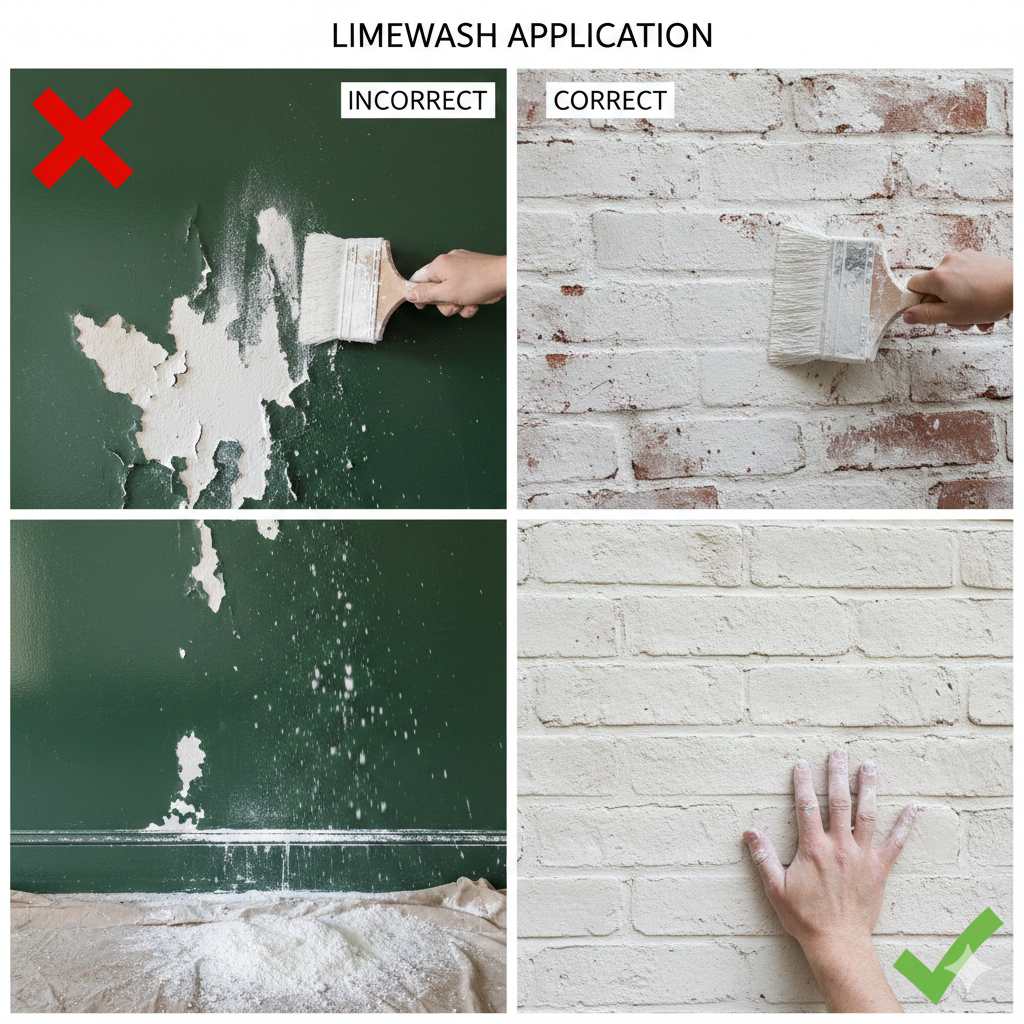
Traditional paint forms a barrier layer on surfaces, while lime wash painting becomes part of the substrate through carbonation. This chemical bonding means lime wash painting doesn’t peel or blister like conventional coatings.
The application consistency resembles thin milk rather than thick paint, requiring different techniques and often multiple coats. Lime wash painting achieves full opacity through layering, with each coat adding depth and character.
Color options remain limited compared to standard paint because lime wash painting relies on mineral pigments that withstand the alkaline environment. The palette features natural earth tones and pastels, though modern manufacturers have expanded choices.
Maintenance requirements differ significantly. Lime wash painting may need periodic reapplication but never requires stripping or sanding. New layers bond directly to existing lime wash, making touch-ups straightforward.
Surfaces That Benefit Most
Porous masonry materials like brick, stone, concrete, and traditional plaster work best with lime wash painting. These surfaces allow proper penetration and bonding essential for durability.
Historic buildings particularly benefit because lime wash painting matches original construction methods. Many preservation guidelines specifically require lime-based finishes for maintaining architectural authenticity.
Modern applications include exterior painting on brick homes, interior accent walls, and specialty commercial projects. True Coat has extensive experience applying lime wash painting across residential and commercial properties throughout Winnipeg.
Key Surface Compatibility:
| Surface Type | Compatibility | Notes |
| Brick | Excellent | Ideal for both interior and exterior |
| Natural Stone | Excellent | Enhances texture and protects surface |
| Concrete | Very Good | Requires proper curing and preparation |
| Traditional Plaster | Excellent | Original intended substrate |
| Drywall | Poor | Non-porous surface prevents bonding |
| Wood | Not Recommended | Expansion and contraction cause failure |
How Do You Do Limewash Paint?
Proper lime wash painting application requires specific materials, surface preparation, and techniques that differ from conventional painting methods. Success depends on understanding the unique characteristics of this traditional finish.
Materials and Tools You’ll Need
Quality lime putty or hydrated lime forms the foundation of authentic lime wash painting. Pre-mixed products offer consistency, though traditional practitioners sometimes prefer making their own mixture.
Natural bristle brushes work better than synthetic alternatives because they hold more liquid and create the desired texture. Large brushes (6-8 inches) speed application on open walls, while smaller brushes handle detailed areas.
Essential supplies include:
- Lime putty or hydrated lime powder
- Clean water for mixing and dampening
- Natural pigments (if adding color)
- Protective equipment (gloves, goggles, long sleeves)
- Spray bottle for surface preparation
- Plastic drop cloths
- Mixing buckets (plastic or stainless steel, never galvanized)
Professional painting companies like True Coat maintain specialized equipment specifically for lime wash painting projects, ensuring consistent results.
Surface Preparation Steps
Clean surfaces thoroughly by removing dirt, efflorescence, old paint, or other contaminants that prevent bonding. Lime wash painting only adheres to clean, porous substrates.
Repair damaged masonry before application. Fill cracks and holes with appropriate materials, allowing repairs to cure fully. For significant wall damage, consider professional drywall and plaster repair services.
Dampen the surface before applying lime wash painting. Water prevents rapid moisture absorption that would cause premature drying and poor adhesion. Keep surfaces evenly damp but not dripping throughout the application process.
Mixing Lime Wash Properly
Combine lime putty with water in roughly 1:1 ratio, adjusting for desired consistency. The mixture should resemble thin milk or cream, flowing easily without being too watery.
Add mineral pigments gradually while mixing, testing color on sample boards. Remember that lime wash painting lightens significantly as it dries and carbonates.
Allow the mixture to rest for several hours or overnight before use. This slaking period improves workability and final appearance. Stir thoroughly before and during application to maintain consistency.
Application Technique
Apply lime wash painting in thin, even coats using random brushstrokes. Cross-hatching patterns help achieve uniform coverage while enhancing the characteristic mottled appearance.
Work in manageable sections, maintaining wet edges to avoid lap marks. The first coat appears streaky and translucent, which is normal. Subsequent coats build opacity and depth.
Plan for 3-5 coats depending on substrate porosity and desired finish. Allow 12-24 hours between coats, keeping surfaces slightly damp. Each layer should remain breathable and thin.
Typical Application Schedule:
| Coat Number | Purpose | Drying Time |
| First | Seals surface, establishes base | 24 hours |
| Second | Begins opacity development | 24 hours |
| Third | Improves coverage and color | 24 hours |
| Fourth & Fifth | Achieves final appearance | 24 hours each |
Weather conditions significantly affect application. Ideal temperatures range between 50-75°F with moderate humidity. Avoid applying lime wash painting in freezing temperatures, during rain, or in direct strong sunlight.
What Are the Disadvantages of Limewash Paint?
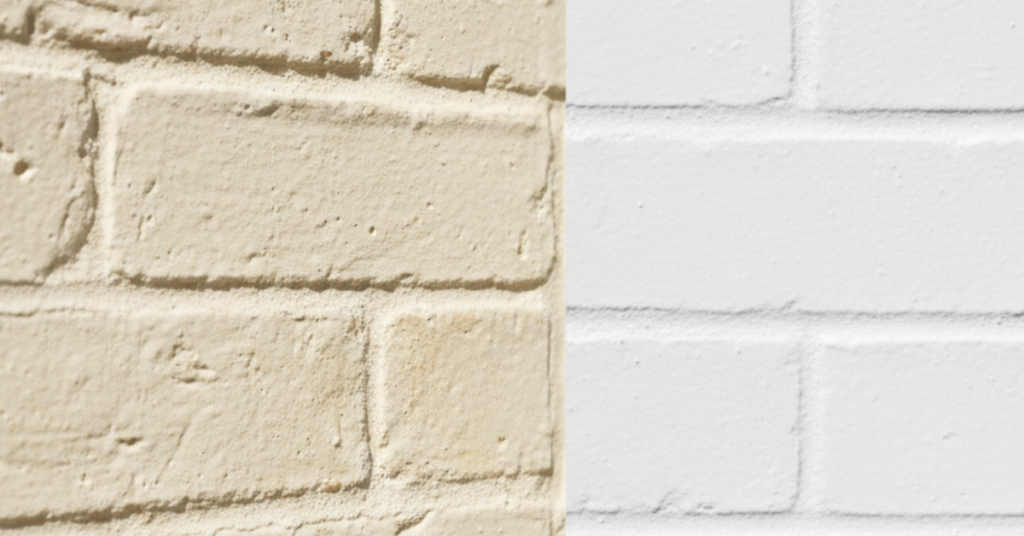
While lime wash painting offers numerous benefits, understanding potential drawbacks helps set realistic expectations and determine if this finish suits your project.
Initial Application Challenges
The learning curve for lime wash painting exceeds standard painting techniques. Proper consistency, surface preparation, and application methods require practice to master. Many homeowners prefer hiring experienced professionals rather than attempting DIY application.
Multiple thin coats take more time than single-coat paint systems. A complete lime wash painting project typically requires several days to complete, considering drying time between coats.
Surface preparation demands extra attention. Lime wash painting reveals substrate imperfections rather than hiding them, so skim coating or repair work may be necessary beforehand.
Maintenance and Durability Considerations
Lime wash painting wears gradually over time, especially on exterior surfaces exposed to weather. High-traffic areas may show wear faster than protected locations. Plan for reapplication every 5-7 years on exteriors, though interiors last much longer.
The finish rubs off easily when first applied, potentially transferring to clothing or furniture. This chalking reduces significantly after full carbonation (several weeks) but never completely disappears.
Color consistency proves challenging across large projects or when making repairs. Slight variations in mixing ratios, application technique, or environmental conditions create noticeable differences. Professional painters develop expertise managing these variables.
Cost Factors
Material costs for quality lime wash painting products typically exceed standard paint. While not prohibitively expensive, authentic lime-based finishes command premium pricing compared to latex or acrylic alternatives.
Labor costs increase due to specialized knowledge requirements and extended application time. Professional lime wash painting projects represent a larger investment than conventional painting, though the unique benefits often justify the expense.
For accurate pricing specific to your project, contact True Coat for a detailed estimate. Factors like surface condition, building height, and project complexity affect final costs.
Limited Compatibility
Modern construction materials like drywall, vinyl siding, and sealed concrete don’t accommodate lime wash painting properly. The finish requires porous substrates for adhesion and performance.
Existing latex or oil-based paint must be completely removed before applying lime wash. This removal process adds time and expense to renovation projects.
Climate limitations restrict lime wash painting applications. Extreme cold or consistent high humidity can prevent proper curing. Professional painters like True Coat’s team understand these limitations and plan accordingly.
How Long Does Limewash Last?
Lime wash painting longevity depends on multiple factors including application quality, environmental exposure, and substrate characteristics. Understanding these variables helps establish realistic maintenance schedules.
Interior Applications
Interior lime wash painting typically lasts decades with minimal maintenance. Protected from weather and direct sunlight, the finish develops character while maintaining functionality.
Low-traffic areas like bedrooms and living rooms rarely need attention beyond occasional cleaning. High-traffic spaces like hallways may require touch-ups every 10-15 years.
The carbonation process continues for years after application, actually strengthening the finish over time. Properly applied interior painting with lime wash can outlast conventional paint by a significant margin.
Exterior Applications
Exterior lime wash painting faces harsher conditions but still performs admirably. Expect 5-7 years of service before needing refreshing on vertical surfaces with some weather exposure.
Protected areas like covered porches or north-facing walls last 10+ years. Highly exposed surfaces may need attention every 3-5 years, though reapplication remains straightforward.
Unlike peeling conventional paint, weathered lime wash painting simply lightens and thins gradually. The aging process creates desirable patina rather than unsightly deterioration.
Factors Affecting Longevity
Climate Impact:
- Freeze-thaw cycles accelerate wear
- Consistent moisture without drying periods causes problems
- UV exposure causes fading
- Wind-driven rain increases weathering
Application Quality: Proper preparation, correct mixing ratios, and adequate coat numbers significantly impact durability. Professional application by qualified painters ensures optimal longevity.
Substrate Condition: Solid, well-maintained substrates support lime wash painting better than deteriorating surfaces. Address structural issues before application.
Maintenance Practices: Gentle cleaning with water maintains appearance without damaging the finish. Avoid power washing or harsh chemicals that strip lime wash painting prematurely.
Improving Durability
Apply adequate coats during initial application. Five thin coats provide better protection than three thick ones.
Ensure proper curing between coats and after final application. Protect fresh lime wash painting from rain for 3-5 days while carbonation begins.
Consider adding casein or linseed oil to the mixture for enhanced weather resistance, though this slightly reduces breathability.
Schedule periodic inspections to identify areas needing attention before minor issues become major problems. True Coat offers maintenance services to keep your lime wash painting looking beautiful.
Can You Apply Limewash Over Existing Paint?
The compatibility between lime wash painting and existing paint depends entirely on paint type and proper preparation. Understanding these limitations prevents disappointing results.
Why Direct Application Usually Fails
Conventional paints create non-porous barriers that prevent lime wash painting from penetrating and bonding. The chemical reaction necessary for proper adhesion cannot occur over sealed surfaces.
Latex, acrylic, and oil-based paints all block the breathability essential to lime wash painting performance. Applying lime wash over these materials results in poor adhesion, peeling, and premature failure.
The alkaline nature of lime wash painting can also react negatively with certain paint types, causing discoloration or deterioration of the underlying coating.
Preparing Previously Painted Surfaces
Complete paint removal provides the best foundation for lime wash painting. Methods include:
- Chemical strippers for smaller areas
- Heat guns combined with scraping
- Sandblasting for exterior masonry
- Wire brushing for textured surfaces
After removal, clean thoroughly to eliminate all residue. Test a small area before proceeding with full application.
For projects involving extensive paint removal combined with lime wash painting, consulting professional painting contractors like True Coat ensures proper execution.
The Only Acceptable Exception
Lime wash painting can be applied over previous lime wash applications without issues. The new layer bonds chemically with old lime wash, refreshing the appearance while maintaining breathability.
Clean the existing lime wash surface with water and a soft brush to remove loose material and dirt. Apply new coats following standard lime wash painting techniques.
This compatibility makes maintenance straightforward and sustainable. Unlike conventional paint requiring periodic removal and replacement, lime wash painting simply receives new layers indefinitely.
Alternative Solutions
If removing existing paint proves impractical, consider these alternatives:
Mineral Paint: Modern mineral paints offer some lime wash characteristics while adhering to previously painted surfaces. While not authentic lime wash painting, they provide breathability and aesthetic similarity.
Specialty Primers: Some manufacturers offer primers designed to bridge between sealed surfaces and lime-based finishes. Effectiveness varies, and results never match application on proper substrates.
Complete Substrate Replacement: For critical applications like historic restoration projects, replacing inappropriate surfaces with traditional materials allows authentic lime wash painting.
Things To Know About Lime Wash Painting
Understanding these additional considerations helps you maximize lime wash painting benefits while avoiding common mistakes.
Color Selection and Customization
Natural lime wash painting produces brilliant white that softens to cream as it ages. Adding mineral pigments expands options while maintaining the characteristic matte finish.
Earth tones like ochres, siennas, and umbers work reliably because they withstand alkaline conditions. Blues, greens, and grays require specific pigments formulated for lime compatibility.
Colors appear darker when wet and lighten significantly during drying and carbonation. Always test colors on sample boards, allowing them to fully cure before making final decisions.
Professional color consultation services, like those offered through True Coat, help achieve desired results while avoiding common pigmentation mistakes.
Environmental Conditions and Timing
Temperature and humidity dramatically affect lime wash painting application and curing. Ideal conditions include:
- Temperatures between 50-75°F
- Moderate humidity (40-70%)
- No direct strong sunlight
- Protection from rain for 3-5 days after application
Winnipeg’s climate presents challenges for exterior painting projects, making professional timing and planning essential. Schedule lime wash painting during stable weather periods.
Safety Considerations
Lime wash painting’s alkalinity requires protective equipment. Always wear:
- Protective eyewear
- Chemical-resistant gloves
- Long sleeves and pants
- Respiratory protection when mixing dry lime
Keep lime wash away from skin and eyes. If contact occurs, rinse immediately with plenty of water. Store materials safely away from children and pets.
Compatibility With Other Finishes
Lime wash painting works beautifully alongside other traditional finishes like natural plaster, earthen renders, and raw wood. The aesthetic complements rustic, Mediterranean, and farmhouse design styles.
Combining lime wash with modern materials requires careful planning. Consult experienced painting professionals who understand both traditional and contemporary techniques.
Historic Preservation Applications
Many historic buildings originally featured lime wash painting, making it the authentic choice for restoration work. Preservation guidelines often mandate lime-based finishes for maintaining architectural integrity.
Working on heritage properties requires specialized knowledge of traditional techniques and materials. True Coat’s expertise in both modern painting methods and traditional finishes makes us ideal partners for these sensitive projects.
DIY Versus Professional Application
While lime wash painting appears simple, achieving professional results requires experience. Common DIY mistakes include:
- Incorrect mixing ratios
- Inadequate surface preparation
- Applying too thickly
- Working in poor weather conditions
- Insufficient coat numbers
Professional painters bring expertise that prevents these issues while delivering consistent, beautiful results. The investment in professional services typically proves worthwhile for larger projects or important applications.
Making Your Lime Wash Painting Decision
Choosing lime wash painting represents a commitment to natural materials, traditional craftsmanship, and distinctive aesthetic character. This finish delivers unique benefits that synthetic alternatives cannot replicate.
The breathable, antimicrobial properties make lime wash painting particularly suitable for health-conscious homeowners and sustainable building projects. Environmental benefits align with growing preferences for eco-friendly construction materials.
However, the specialized application requirements, limited substrate compatibility, and higher initial costs require careful consideration. Evaluate your specific project needs, budget constraints, and aesthetic preferences before committing.
For Winnipeg homeowners considering lime wash painting, partnering with experienced professionals like True Coat ensures proper execution and beautiful results. Our team understands both traditional lime-based techniques and modern application methods, bringing years of expertise to every project.
Whether refreshing a historic property, creating distinctive interior spaces, or protecting exterior masonry, lime wash painting offers timeless appeal and proven performance. The finish improves with age, developing character while maintaining functionality.
If you’re interested in exploring lime wash painting for your home or business, contact True Coat today. Our knowledgeable team provides detailed consultations, accurate estimates, and expert application services throughout Winnipeg. We’ll help you determine if lime wash painting suits your project and deliver exceptional results that exceed expectations.
Discover more about our specialized finishes and comprehensive painting services by exploring our project gallery or learning about our company’s commitment to quality. True Coat stands ready to transform your space with authentic lime wash painting that combines traditional beauty with modern expertise.
Frequently Asked Questions
What does limewash paint do?
Limewash paint creates a breathable, antimicrobial finish that bonds chemically with porous surfaces. It allows moisture vapor to pass through freely, preventing trapped dampness while developing a beautiful matte texture with natural color variations. Unlike conventional paint that forms a surface film, limewash penetrates masonry and improves through carbonation over time, offering authentic historic character and environmental sustainability.
How do you do limewash paint?
Apply limewash in multiple thin coats using natural bristle brushes on clean, dampened porous surfaces. Mix lime putty with water to a thin milk consistency, dampen the substrate thoroughly, and apply 3-5 thin coats with 24 hours drying time between layers. The technique requires cross-hatching brushstrokes and maintaining wet edges. Professional application ensures proper preparation, mixing ratios, and environmental conditions for optimal results.
What are the disadvantages of limewash paint?
Limewash paint requires specialized application skills, multiple coats, and regular reapplication compared to conventional paint. It only works on porous substrates like brick and stone, not on drywall or existing paint without complete removal. The finish rubs off when touched, shows color inconsistencies more readily, and costs more initially. Weather sensitivity during application and gradual weathering on exteriors also present challenges.
How long does limewash last?
Interior limewash lasts decades while exterior applications need refreshing every 5-7 years. Protected interior walls can last 20+ years with minimal maintenance, whereas exposed exterior surfaces weather gradually but gracefully. Unlike peeling conventional paint, aged limewash simply lightens and thins while developing desirable patina. Longevity depends on application quality, environmental exposure, substrate condition, and maintenance practices.
Can you apply limewash over existing paint?
No, limewash cannot be successfully applied over conventional paint without complete removal. Standard latex, acrylic, or oil-based paints create non-porous barriers that prevent limewash from bonding properly, causing adhesion failure and peeling. The only exception is applying fresh limewash over existing lime-based finishes, which bond chemically. For previously painted surfaces, complete paint removal through stripping, sandblasting, or other methods is necessary before limewash application.