
What Does Lime Wash Painting Do and How Should You Apply It?
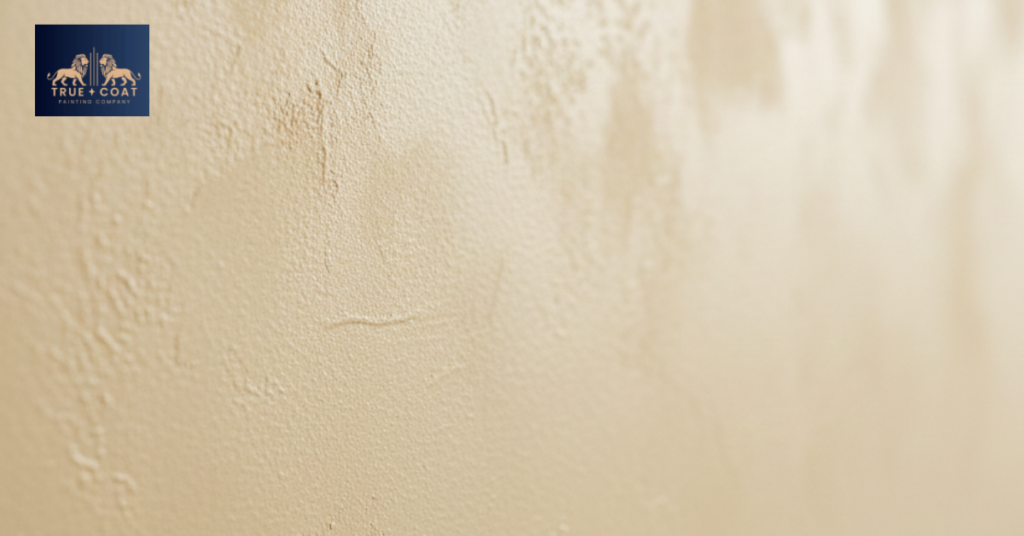
Lime wash painting creates a breathable, environmentally friendly finish that delivers distinctive matte texture and subtle color variations on walls, brick, and masonry surfaces. This ancient technique uses natural limestone materials that allow moisture to pass through, preventing trapped dampness while developing a beautiful aged patina over time. Unlike conventional paints that sit on top of surfaces, lime wash painting chemically bonds with porous materials and improves over years through a natural carbonation process. Homeowners choose lime wash painting for interiors and exteriors because it offers antimicrobial properties, requires minimal maintenance, and provides authentic character that synthetic products cannot replicate. The application process differs significantly from standard painting, requiring specific preparation and techniques for optimal results. Professional painters understand how environmental conditions, surface types, and proper mixing ratios affect the final appearance. What Does Limewash Paint Do? Lime wash painting transforms surfaces through a unique chemical process that differs fundamentally from conventional paint systems. The mixture penetrates porous materials rather than creating a surface film, resulting in distinct performance characteristics. Benefits of Lime Wash Painting The breathable nature of lime wash painting allows water vapor to pass through freely, which prevents moisture accumulation that causes mold, mildew, and structural damage. This characteristic makes it exceptionally suitable for interior painting projects in humid environments like bathrooms and basements. Antimicrobial properties occur naturally because lime wash painting creates an alkaline environment hostile to bacteria and fungi. Historical buildings have used this finish for centuries specifically because it helps maintain healthier indoor air quality without chemical additives. Environmental sustainability ranks high among lime wash painting advantages. The ingredients consist of natural limestone, water, and sometimes mineral pigments, containing no volatile organic compounds (VOCs) or synthetic chemicals. This makes lime wash painting an excellent choice for eco-friendly painting projects. The aesthetic qualities develop over time as lime wash painting ages gracefully. Natural weathering creates beautiful patina with subtle variations in color and texture. Unlike standard paint that chips or peels when deteriorating, lime wash painting wears away gradually while maintaining visual appeal. How Lime Wash Differs From Regular Paint Traditional paint forms a barrier layer on surfaces, while lime wash painting becomes part of the substrate through carbonation. This chemical bonding means lime wash painting doesn’t peel or blister like conventional coatings. The application consistency resembles thin milk rather than thick paint, requiring different techniques and often multiple coats. Lime wash painting achieves full opacity through layering, with each coat adding depth and character. Color options remain limited compared to standard paint because lime wash painting relies on mineral pigments that withstand the alkaline environment. The palette features natural earth tones and pastels, though modern manufacturers have expanded choices. Maintenance requirements differ significantly. Lime wash painting may need periodic reapplication but never requires stripping or sanding. New layers bond directly to existing lime wash, making touch-ups straightforward. Surfaces That Benefit Most Porous masonry materials like brick, stone, concrete, and traditional plaster work best with lime wash painting. These surfaces allow proper penetration and bonding essential for durability. Historic buildings particularly benefit because lime wash painting matches original construction methods. Many preservation guidelines specifically require lime-based finishes for maintaining architectural authenticity. Modern applications include exterior painting on brick homes, interior accent walls, and specialty commercial projects. True Coat has extensive experience applying lime wash painting across residential and commercial properties throughout Winnipeg. Key Surface Compatibility: Surface Type Compatibility Notes Brick Excellent Ideal for both interior and exterior Natural Stone Excellent Enhances texture and protects surface Concrete Very Good Requires proper curing and preparation Traditional Plaster Excellent Original intended substrate Drywall Poor Non-porous surface prevents bonding Wood Not Recommended Expansion and contraction cause failure How Do You Do Limewash Paint? Proper lime wash painting application requires specific materials, surface preparation, and techniques that differ from conventional painting methods. Success depends on understanding the unique characteristics of this traditional finish. Materials and Tools You’ll Need Quality lime putty or hydrated lime forms the foundation of authentic lime wash painting. Pre-mixed products offer consistency, though traditional practitioners sometimes prefer making their own mixture. Natural bristle brushes work better than synthetic alternatives because they hold more liquid and create the desired texture. Large brushes (6-8 inches) speed application on open walls, while smaller brushes handle detailed areas. Essential supplies include: Professional painting companies like True Coat maintain specialized equipment specifically for lime wash painting projects, ensuring consistent results. Surface Preparation Steps Clean surfaces thoroughly by removing dirt, efflorescence, old paint, or other contaminants that prevent bonding. Lime wash painting only adheres to clean, porous substrates. Repair damaged masonry before application. Fill cracks and holes with appropriate materials, allowing repairs to cure fully. For significant wall damage, consider professional drywall and plaster repair services. Dampen the surface before applying lime wash painting. Water prevents rapid moisture absorption that would cause premature drying and poor adhesion. Keep surfaces evenly damp but not dripping throughout the application process. Mixing Lime Wash Properly Combine lime putty with water in roughly 1:1 ratio, adjusting for desired consistency. The mixture should resemble thin milk or cream, flowing easily without being too watery. Add mineral pigments gradually while mixing, testing color on sample boards. Remember that lime wash painting lightens significantly as it dries and carbonates. Allow the mixture to rest for several hours or overnight before use. This slaking period improves workability and final appearance. Stir thoroughly before and during application to maintain consistency. Application Technique Apply lime wash painting in thin, even coats using random brushstrokes. Cross-hatching patterns help achieve uniform coverage while enhancing the characteristic mottled appearance. Work in manageable sections, maintaining wet edges to avoid lap marks. The first coat appears streaky and translucent, which is normal. Subsequent coats build opacity and depth. Plan for 3-5 coats depending on substrate porosity and desired finish. Allow 12-24 hours between coats, keeping surfaces slightly damp. Each layer should remain breathable and thin. Typical Application Schedule: Coat Number Purpose Drying Time First Seals surface, establishes base 24 hours Second Begins opacity development 24 hours
How Long Will Deck Staining Painting Last?
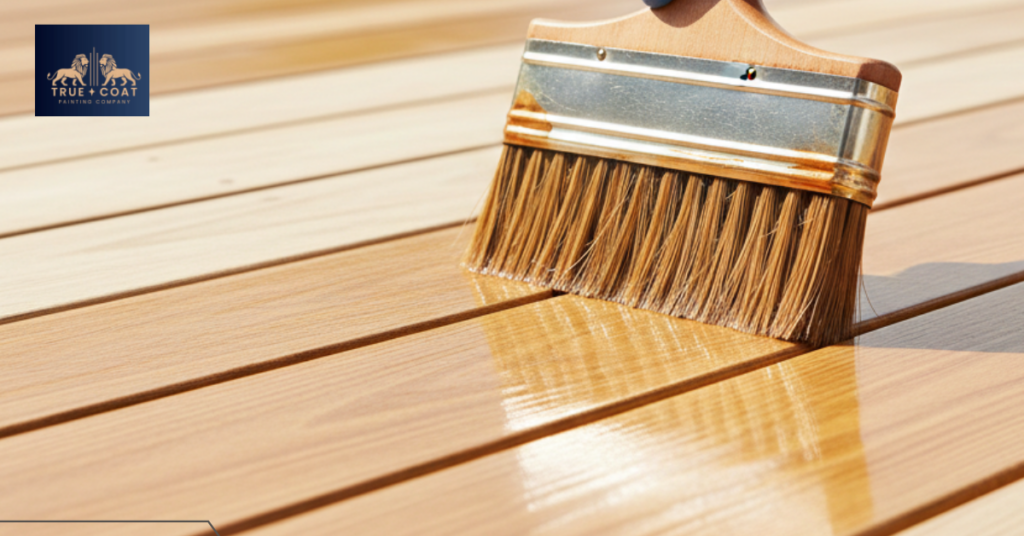
Deck staining painting typically lasts between 2 to 5 years depending on wood type, climate conditions, and product quality. Your outdoor space faces constant exposure to sun, rain, snow, and temperature changes that gradually break down protective coatings. Transparent stains need renewal every 1 to 2 years, while solid stains and paints last 3 to 7 years. Understanding the differences between paint and stain, mastering proper application techniques, maintaining your deck regularly, and avoiding common mistakes all contribute to maximizing the lifespan of your deck staining painting. Winnipeg’s harsh winters and intense summers create unique challenges for deck finishes that require careful product selection and professional-grade application methods. Understanding Deck Staining Painting Deck staining painting refers to applying protective coatings to wooden surfaces to preserve wood and enhance appearance. These treatments create barriers against moisture, UV rays, mold, and wear. Winnipeg’s climate makes this protection particularly important. Extreme temperature swings cause wood to expand and contract, leading to cracking without proper treatment. Types of Finishes for Your Deck Transparent Stains showcase natural wood grain while providing minimal protection. They require reapplication every 1 to 2 years. Semi-Transparent Stains balance protection with grain visibility, lasting 2 to 3 years between applications. Solid Stains mask most grain while showing texture, providing better UV protection for 3 to 4 years. Deck Paint offers complete opaque coverage and longest protection, lasting 5 to 7 years with proper care. Product Types: Oil vs. Water-Based Oil-based products penetrate deeply, resist water excellently, and handle temperature changes well. They dry slowly (24 to 48 hours) and need mineral spirits for cleanup. Water-based options dry quickly (2 to 4 hours), clean with soap and water, and resist mildew better. Modern formulas now match oil-based durability. Is It Better to Paint or Stain a Deck? Deck Staining Painting Pros & Cons Choosing between painting and staining for your deck staining painting project depends on your priorities, wood condition, and maintenance preferences. Both protect differently with distinct advantages. Staining works better for newer decks in good condition because it penetrates wood while allowing breathing. This prevents moisture from getting trapped inside, reducing rot and mildew. Stain highlights natural wood beauty. Paint creates thicker protective barriers ideal for older decks with imperfections. Paint provides superior UV protection and unlimited color options but requires more preparation. When Staining Works Best in Deck Staining Painting Projects Choose staining when you value natural wood appearance and want lower maintenance. Stain products showcase grain and texture while providing adequate protection for cedar, redwood, and pressure-treated pine. Staining allows easier refreshing with less labor. Reapplying doesn’t require extensive scraping because stain doesn’t form peeling film layers. For horizontal surfaces experiencing constant weather, stain proves more practical. Water evaporates through stained surfaces while sitting longer on painted surfaces. When Painting Is Better Paint becomes preferred when you need maximum protection. Paint works well for older decks with visible wear, discoloration, or previous failed stain. Paint works well on railings and vertical surfaces avoiding standing water. It matches your home’s exterior precisely with unlimited color possibilities. Factor Stain Paint Durability 2-4 years 5-7 years Prep Work Moderate Extensive Appearance Natural grain visible Solid color Maintenance Easier reapplication More labor Best For Newer decks Older decks Many Winnipeg homeowners find success with exterior painting approaches that complement their choices. What’s the Best Way to Paint or Stain a Deck? Deck Staining Painting Secrets Proper deck staining painting application technique determines whether your project lasts two years or seven. Cutting corners leads to premature failure and wasted money. Essential Preparation Steps Preparation delivers the most significant impact on longevity. Clean Thoroughly Remove all dirt, mildew, old coatings, and debris using deck cleaner or oxygen bleach solution. Power wash under 1200 PSI to avoid wood damage. Let the deck dry completely for 48 to 72 hours. Wood moisture must stay below 15% for proper adhesion. Repair Damaged Areas Replace cracked, split, or rotted boards. Tighten loose screws and hammer protruding nails. Fill small cracks with exterior wood filler and sand smooth. Sand the Surface Use 60-80 grit sandpaper to smooth rough areas and remove remaining old finish. Sand in the direction of wood grain for proper texture. Professional residential painting services in Winnipeg complete these preparations efficiently. Professional Application Methods for Deck Staining Painting Brush Application Brushing works best for getting stain into grain and covering vertical surfaces. Use a 4-inch brush for deck boards. Apply liberally and back-brush to work product into wood. Roller Application Rollers cover large flat areas quickly. Use 3/8-inch nap roller sleeves. Roll 3 to 4 boards at a time and immediately back-brush to eliminate roller marks. Sprayer Application Sprayers provide fastest coverage but require skill. Always back-brush or back-roll immediately after spraying to ensure proper penetration. Pro Tips: Consider professional deck staining services for complex projects. How Long Does Deck Staining Painting Last? The lifespan of deck staining painting depends on multiple factors working together. Product quality, wood type, climate exposure, application technique, and maintenance all influence durability. In Winnipeg’s climate, expect these timeframes for professionally applied deck staining painting: Transparent Stains: 1 to 2 yearsSemi-Transparent Stains: 2 to 3 yearsSolid Stains: 3 to 5 yearsDeck Paint: 5 to 7 years These estimates assume proper preparation, ideal weather application, and regular cleaning. South or west-facing decks need refinishing sooner. Understanding Durability: Essential Factors in Deck Staining Painting Wood Type Softwoods like pine absorb stain easily but wear faster. Harder woods resist wear better. Cedar and redwood contain natural oils that help preserve wood and extend your deck staining painting finish life. Climate Conditions Winnipeg’s freeze-thaw cycles stress coatings. Heavy snow traps moisture against wood. Intense summer sun breaks down protective pigments through UV exposure, shortening deck staining painting lifespan. Traffic Patterns High-traffic areas near doors or grills wear faster than less-used sections. These zones may need annual touch-ups. Maintenance Frequency Regular cleaning extends coating life by 30 to 50 percent compared to neglected decks. Signs Your Deck Needs Refinishing — A Deck Staining Painting