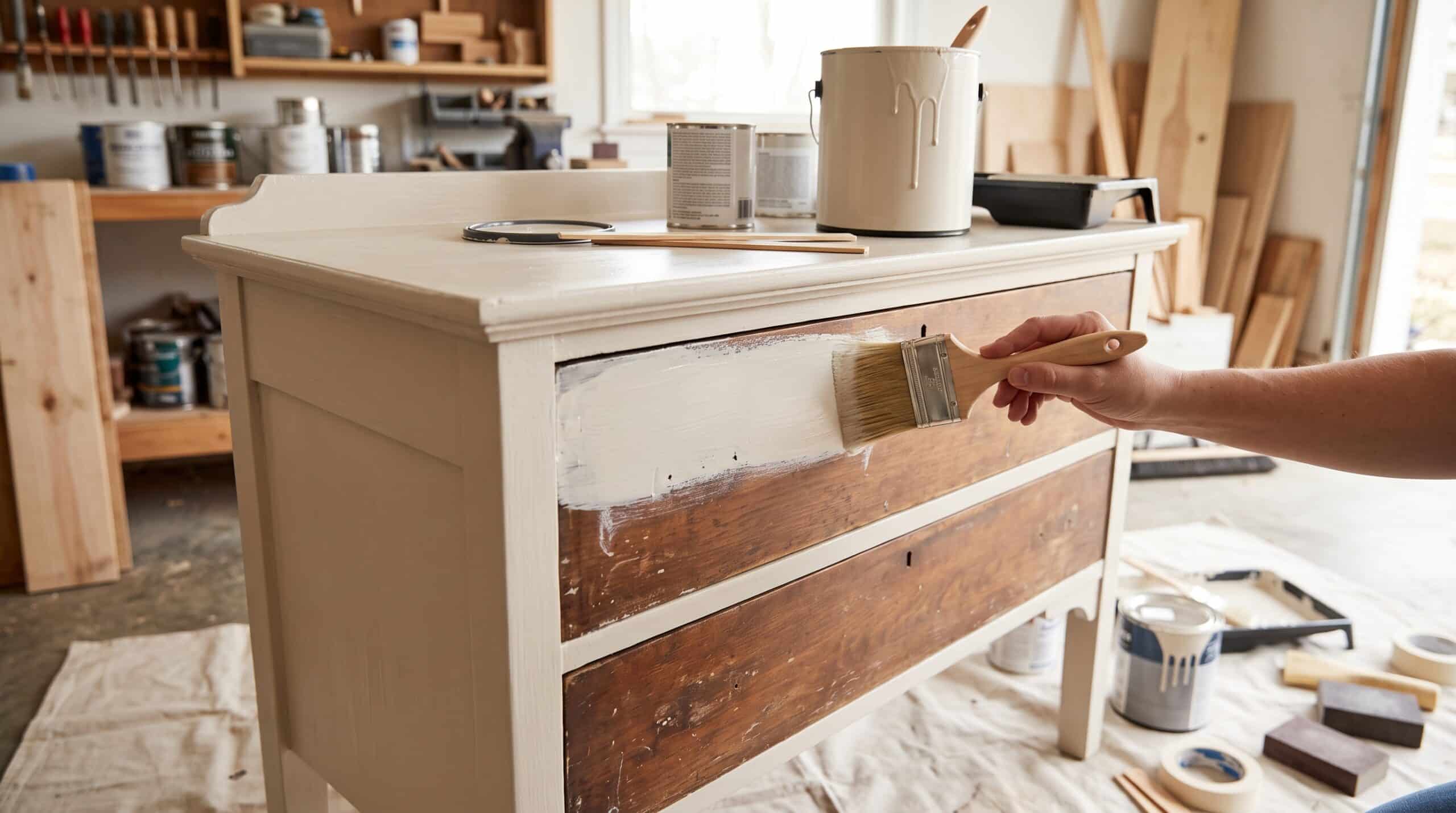
Painting a metal door the right way starts with thorough surface preparation, a rust-inhibiting primer, and the correct type of paint. Done properly, painting a metal door protects the surface from rust, moisture, and daily wear while giving your home a clean, refreshed look.
The process involves cleaning, sanding, priming, and applying two thin coats of paint using the right tools. Whether your door is a bold statement colour or a classic neutral, knowing the correct steps ensures a result that holds up through Winnipeg’s harsh seasonal shifts. From choosing the right paint type to picking between a brush and roller, every decision you make affects how long the finish lasts.
What Does Painting a Metal Door Actually Involve?
Painting a metal door is not as simple as brushing on a coat of wall paint. Metal surfaces do not absorb paint the way wood does, so the finish depends entirely on proper adhesion. That means cleaning the surface, roughing it up with sandpaper, and applying a primer specifically designed for metal before any colour goes on.
The full process of painting a metal door covers four key phases: surface preparation, priming, applying paint in thin coats, and allowing adequate curing time. Each phase plays a role in the overall durability of the finish. Rushing through prep work or skipping primer are the two most common reasons paint fails on metal within months.
How to Prepare a Metal Door Before Painting
Surface preparation is the most important part of painting a metal door. A well-prepped door holds paint far longer than one that was simply wiped down and painted over.
Clean the Surface Thoroughly
Wipe the door with a damp cloth to remove loose dirt, then follow up with a degreaser or mild detergent to scrub away oil, grime, and fingerprints. Any residue left on the surface will prevent the primer from bonding correctly. Rinse and let the door dry completely before moving forward.
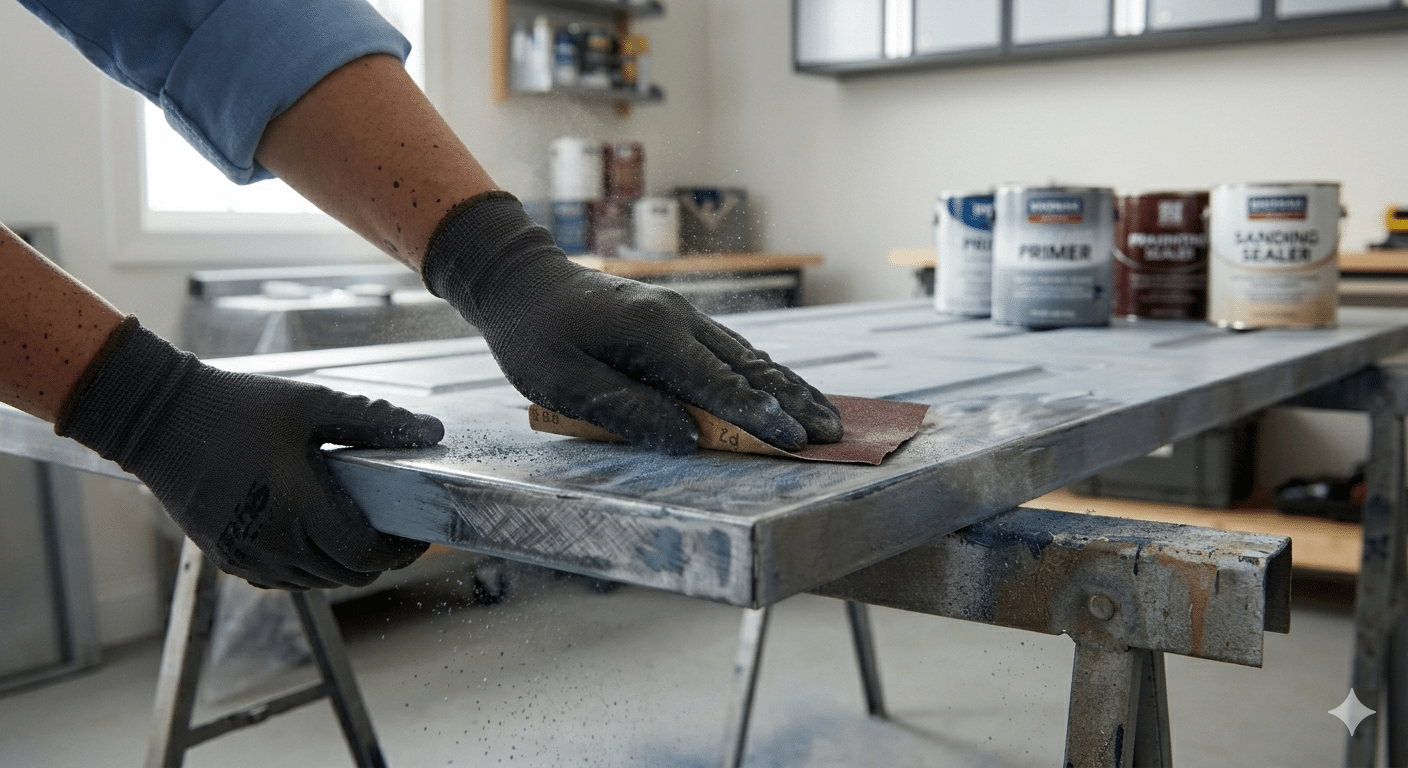
Sand the Metal Before Priming
Use 120-grit sandpaper to lightly rough up the entire surface. This gives the primer something to grip. If the door has rust spots, address those first with 80-grit sandpaper and treat them with a rust converter before priming. After sanding, wipe away all dust with a tack cloth. Painting a metal door without sanding almost always leads to poor adhesion and early peeling.
Remove Hardware and Mask the Surrounding Area
Take off door handles, hinges, knockers, and house numbers before you start. Use painter’s tape to cover glass panels and the door frame. Place a drop cloth at the base of the door to protect the threshold.
What Kind of Paint Do You Use on a Metal Door?
Choosing the right paint is just as important as the prep work when painting a metal door. The most reliable choices are direct-to-metal (DTM) paint or a high-quality exterior latex enamel formulated for metal. These paints bond well with primed metal and flex slightly with temperature changes without cracking or peeling.
Interior metal doors do well with water-based enamel paint, which dries hard and resists scuffs. For exterior doors exposed to Winnipeg’s freeze-thaw cycles, look for a paint with weather resistance built into the formula. Avoid standard interior wall paint as it lacks the adhesion strength needed for a durable finish when painting a metal door.
| Paint Type | Best For | Key Benefit |
| Direct-to-Metal (DTM) | Exterior metal doors | Strong adhesion, built-in rust resistance |
| Exterior Latex Enamel | Exterior or interior doors | Flexible through temperature changes |
| Water-Based Enamel | Interior metal doors | Hard finish, easy to clean, no yellowing |
| Oil-Based Enamel | High-traffic entry doors | Extremely durable, self-levelling finish |
How Do You Paint a Metal Door Step by Step?
Apply a Rust-Inhibiting Primer
Choose a primer rated for metal and apply it in thin, even strokes using a brush or foam roller. Allow the primer to cure fully, typically two to four hours, before applying any paint. This layer is what gives painting a metal door its lasting adhesion.
Apply Two Thin Coats of Paint
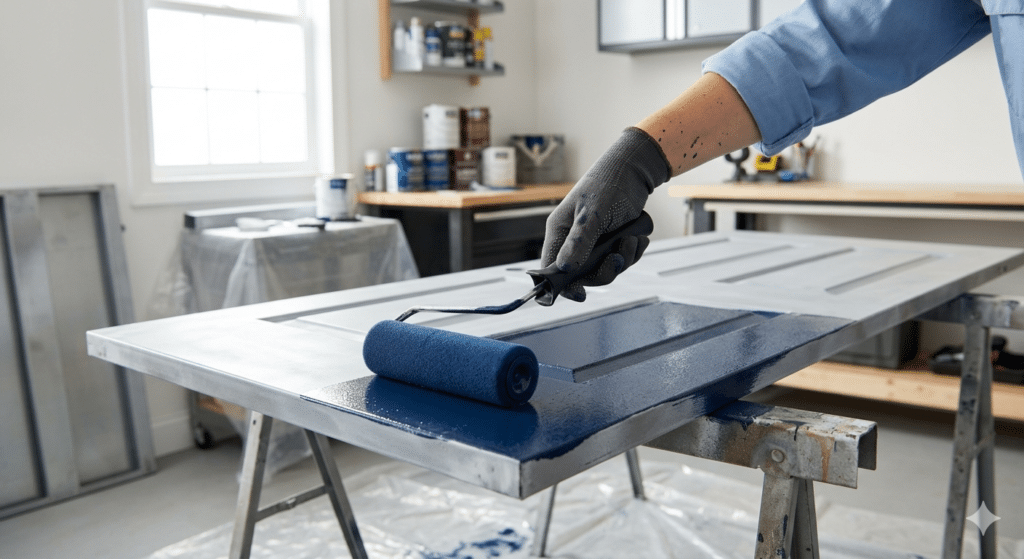
Start with a foam roller for flat panels and use a brush to cut into recessed areas and edges. Let the first coat dry to the touch before adding the second. Two thin coats always give a more even, durable result than one heavy coat.
Allow Full Curing Time
After the final coat, leave the door to cure for at least 24 hours before re-hanging hardware or repeatedly opening and closing it. The paint continues to harden for up to 72 hours.
Brush or Roller: Which Is Better for Painting a Metal Door?
For smooth, flat metal doors, a high-density foam roller gives the best result. It leaves a nearly texture-free surface that looks clean and professional. Brushes can leave stroke marks on large flat panels, which become very visible once the paint dries. If your goal when painting a metal door is a polished, even finish, a foam roller is the better tool for those open sections.
For doors with raised panels, recessed grooves, or edge detail, a brush is necessary to work into the corners and ensure full coverage. The most practical approach combines both tools: use a brush to cut in around edges and detailed areas first, then follow with the foam roller across the larger flat sections.
Tips for a Streak-Free Finish
- Work from top to bottom so any drips land on unpainted sections below
- Maintain a wet edge by slightly overlapping each roller pass
- Avoid painting in direct sunlight or temperatures above 30 degrees Celsius
- Use a foam roller rated for smooth surfaces, not a standard nap roller
- Inspect each coat in raking light before adding the next to catch any misses
Things To Know Before Painting a Metal Door
| Factor | What To Know |
| Temperature | Do not paint below 10 degrees Celsius or above 30 degrees; paint will not cure properly |
| Humidity | High humidity slows drying and can cause blistering in the finish |
| Rust Treatment | Treat rust spots with a rust converter before priming; do not paint over active rust |
| Old Paint Condition | If existing paint is flaking, strip it fully before repainting |
| Curing Time | Allow 24 to 72 hours of curing before heavy use, depending on paint type |
| Number of Coats | Always apply at least two coats of paint for even coverage and durability |
For exterior doors that are part of a larger home refresh, reading about the best approach to exterior painting for house projects can help you plan the full scope of work.
Can You Paint Over Existing Paint on a Metal Door?
Yes, painting a metal door over existing paint is possible as long as the old finish is in good shape. If the paint is firmly bonded with no cracking or signs of rust underneath, a light sand and a bonding primer is all the prep you need before repainting.
If the old paint is peeling or you can see rust coming through, stripping back to bare metal gives the most reliable base for painting a metal door. Also check whether the existing paint is oil-based or water-based before choosing your new product. Applying water-based paint over oil-based requires sanding and a proper bonding primer to avoid future adhesion failure.
You may also find it helpful to explore how professional siding and stucco painting services handle similar exterior surface challenges.
When Should You Call a Professional for Painting a Metal Door?
Most homeowners can take on painting a metal door as a weekend DIY project. But some situations call for professional help. If the door has structural rust damage, widespread paint failure, or if it is a commercial entry door that needs to hold up under constant traffic, bringing in a professional is the right call.
True Coat is a licensed and fully insured painting and decorating company based in Winnipeg, Manitoba. The team handles both residential and commercial exterior painting projects, including metal doors, and provides free estimates. If painting a metal door feels outside your comfort zone or the door needs more work than a fresh coat can fix, contact True Coat to get the job done right.
You can also browse residential painting services in Winnipeg to see the full range of services available, or review completed painting projects for a look at the quality True Coat delivers.
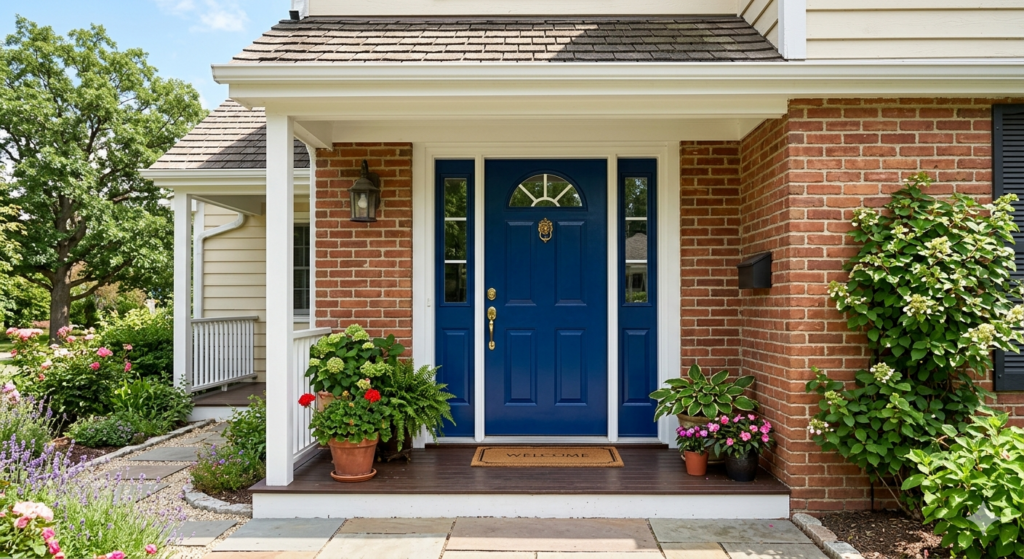
Getting the Most Out of Painting a Metal Door
Painting a metal door delivers real value when the process is followed correctly. Clean the surface, sand it, prime with a rust-inhibiting metal primer, and apply two thin coats of the right paint. Use a foam roller for flat sections and a brush for detail areas, and allow full curing time between each coat.
Whether this is a DIY weekend project or something you want handled by professionals, understanding the steps behind painting a metal door puts you in a stronger position to get results that last. For homeowners in Winnipeg who want a clean, professional outcome without the guesswork, working with a qualified team makes all the difference.
Frequently Asked Questions About Painting a Metal Door
What kind of paint do you use on a metal door?
Use a direct-to-metal (DTM) paint or exterior latex enamel designed for metal surfaces. These formulas bond well, resist rust, and hold up through temperature changes. For interior doors, a water-based enamel is a practical and durable option.
Can you paint over paint on a metal door?
Yes, if the existing paint is firmly bonded and not peeling. Sand lightly, apply a bonding primer, and then add your new paint coats. Strip back to bare metal if the old finish is flaking or shows rust underneath.
Do I need to sand a metal door before painting?
Yes, sanding is essential when painting a metal door. It creates a rough surface that gives the primer something to grip. Use 120-grit sandpaper for general prep and 80-grit to address rust spots. Always wipe away dust before priming.
Can I paint a metal door with regular paint?
Regular interior wall paint is not suitable for painting a metal door. It lacks the adhesion and flexibility needed for metal, especially on exterior doors. Always use a paint specifically formulated for metal or a high-quality exterior enamel.
Should I use a brush or roller to paint a metal door?
Use a foam roller for flat panels and a brush for edges and recessed areas. This combination gives the smoothest result when painting a metal door with any level of detailing. A foam roller minimises texture marks on open sections while a brush handles precision work.