Exterior paint for house surfaces does more than add curb appeal. It shields your home from harsh weather, prevents moisture damage, and increases property value.
Choosing the right exterior paint for house applications involves understanding paint types, color psychology, surface preparation, and application methods that work best in Winnipeg’s unique climate.
From acrylic latex formulas that flex with temperature changes to oil-based options for specific surfaces, each choice affects how long your paint job lasts and how well it protects your investment.
The best exterior paint for house projects combines durability, weather resistance, and aesthetic appeal while matching your home’s architectural style and the local environment.
Why Exterior Paint for House Projects Matters
Your home’s outer coating serves as the first line of defense against rain, snow, UV rays, and temperature swings. In Winnipeg, where winters bring freezing conditions and summers deliver intense sun, the right exterior paint for house surfaces prevents wood rot, blocks moisture penetration, and stops mold growth before it starts.
Quality exterior paint for house applications also impacts energy efficiency. Light-colored paints reflect heat during summer months, keeping your home cooler and reducing air conditioning costs. Dark shades absorb warmth in winter, though this effect is minimal compared to proper insulation.
A fresh coat of exterior paint for house exteriors can boost your property’s resale value by up to 5 percent. Buyers notice curb appeal immediately, and a well-maintained exterior signals that the home has been cared for properly. Even if you’re not selling, updated paint makes your space feel newer and more inviting.
Paint choice affects maintenance schedules too. Premium exterior paint for house projects lasts 10 to 15 years with proper application, while lower-quality options may need repainting every 5 to 7 years. Investing in better paint upfront saves time and money over the long run.
What Are the Four Main Types of Paint Exterior?
Understanding paint types helps you match the right product to your specific surfaces and climate conditions. Each formula offers distinct advantages depending on your home’s material and exposure to weather elements.
Acrylic Latex Paint
Acrylic latex stands as the most popular choice for exterior paint for house applications. This water-based formula cleans up easily with soap and water, dries quickly, and releases fewer harmful fumes than oil-based alternatives.
The paint expands and contracts with temperature changes, making it ideal for Winnipeg’s dramatic seasonal shifts. Wood siding, stucco, and fiber cement all accept acrylic latex well. The formula resists cracking, peeling, and blistering better than older paint types.
Modern acrylic formulas contain advanced resins that create a flexible, breathable film. Moisture can escape from behind the paint, preventing trapped water from causing damage. This breathing quality matters especially for older homes where moisture management affects structural integrity.
Oil-Based Paint
Oil-based formulas penetrate deep into wood surfaces, creating a hard, durable finish that resists wear. While less common now for exterior paint for house siding, these products still perform well on trim and metal surfaces in specific situations.
This paint type takes longer to dry and requires mineral spirits for cleanup. The fumes are stronger during application, and many regions have restricted oil-based paints due to environmental concerns. However, the finish resists stains better than latex and creates an extremely smooth surface on railings, doors, and metal fixtures.
Latex-Acrylic Blend
These hybrid formulas combine latex convenience with acrylic durability. The blend offers easier application than pure acrylic while maintaining good weather resistance. Many professional painters choose latex-acrylic blends for exterior paint for house siding projects because they level well and hide brush marks effectively.
Specialty Paints
Masonry paint, elastomeric coatings, and textured finishes serve specific purposes. Elastomeric exterior paint for house foundations and stucco stretches up to 300 percent, bridging small cracks and preventing water infiltration. These specialty products cost more but solve particular problems that standard paints cannot address.
How to Choose the Right Exterior Paint for House Surfaces
Selecting exterior paint for house projects starts with assessing your home’s current condition and the materials you’ll be painting. Different surfaces demand different paint formulations for optimal results.
Matching Paint to Surface Material
Wood siding accepts most exterior paint for house applications, but benefits most from acrylic latex formulas that flex with the material. Cedar and redwood contain natural oils that can bleed through paint, so these woods need oil-blocking primer before any topcoat goes on.
Vinyl siding requires special consideration. Regular exterior paint for house vinyl must be lighter than the original color because dark shades absorb heat and cause warping. Look for vinyl-safe formulations that won’t damage the material through thermal expansion.
Brick and concrete need breathable masonry paint that allows moisture to escape while blocking water penetration. Standard exterior paint for house wood surfaces will trap moisture in brick, leading to spalling and deterioration over time.
Metal surfaces like aluminum siding, gutters, and railings require paint with rust inhibitors. Direct-to-metal (DTM) exterior paint for house metal components eliminates the need for separate primer on many surfaces.
| Surface Type | Best Paint Choice | Key Consideration |
| Wood Siding | Acrylic Latex | Flexibility with temperature changes |
| Vinyl Siding | Vinyl-Safe Acrylic | Must be lighter than original color |
| Brick/Stucco | Breathable Masonry Paint | Allows moisture escape |
| Metal | DTM with Rust Inhibitors | Prevents corrosion |
Climate Considerations for Winnipeg Homes
Winnipeg’s climate puts extreme demands on exterior paint for house surfaces. Winter temperatures drop well below freezing, while summer heat and UV exposure fade colors and break down paint films.
Choose exterior paint for house projects rated for freeze-thaw cycles. These formulas maintain flexibility even when temperatures swing 40 degrees in a single day. Paint applied during moderate weather (between 10 and 30 degrees Celsius) cures properly and develops maximum durability.
Rain resistance matters too. Quality exterior paint for house applications becomes rainproof within 2 to 4 hours of application, protecting your investment even if weather turns unexpectedly. Planning your painting project around Winnipeg’s weather patterns helps ensure proper curing and long-lasting results. For professional help with timing and application, check out True Coat’s services.
Which Color Is Best for the Exterior?
Color selection for exterior paint for house projects involves personal taste, architectural style, and practical considerations like heat absorption and neighborhood aesthetics. The best color makes your home stand out positively while complementing its design and surroundings.
Neutral tones remain popular because they appeal to broad audiences and work with various landscaping choices. Whites, grays, beiges, and tans provide classic looks that never feel dated. These shades also reflect heat, keeping homes cooler in summer months.
Bold colors make statements but require careful planning. A vibrant blue or deep green exterior paint for house surfaces can look stunning on the right architectural style, but might clash with neighboring homes or limit future resale appeal. If you love bold colors, consider using them as accent shades on doors, shutters, or trim rather than covering entire walls.
Historical homes often look best in period-appropriate colors. Victorian houses suit rich, multi-color schemes, while Colonial styles shine in crisp whites with dark shutters. Researching your home’s architectural period helps narrow color choices for exterior paint for house restoration projects.
Testing colors before committing saves regret later. Buy sample sizes of your top choices and paint large boards that you can move around your home’s exterior. Observe how the colors look at different times of day and in various weather conditions before selecting your final exterior paint for house shades.
What Exterior Colors Make a House Look Expensive?
Certain color combinations in exterior paint for house applications create an upscale appearance that suggests quality and attention to detail. These sophisticated schemes typically involve thoughtful contrast between main surfaces, trim, and architectural details.
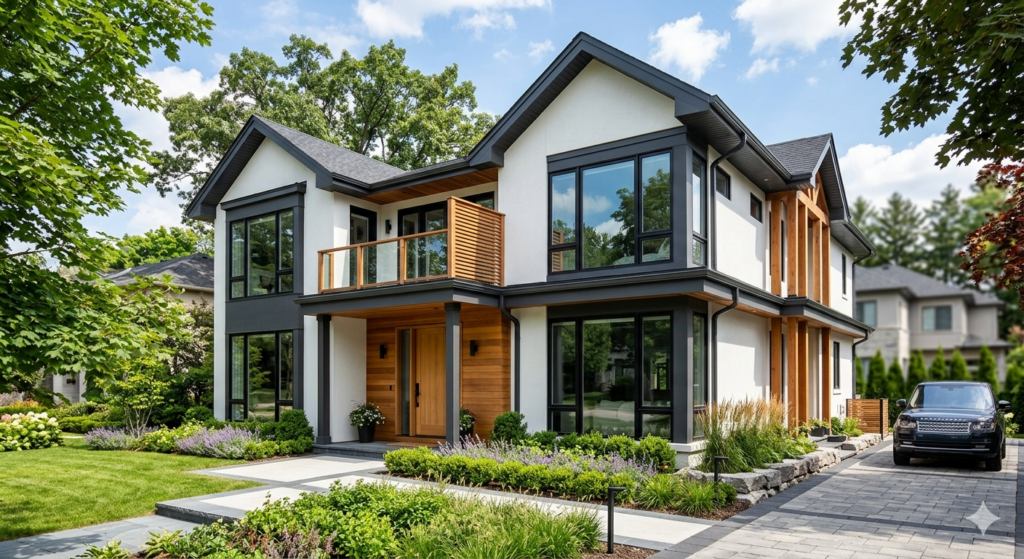
Crisp white paired with black or charcoal trim delivers a timeless, expensive look. This high-contrast combination highlights architectural features and creates clean lines that feel modern and well-maintained. Many luxury homes use this classic color scheme because it photographs beautifully and appeals to design-conscious buyers.
Deep, saturated colors like navy blue, forest green, or slate gray convey richness when paired with white or cream trim. These darker shades work especially well on larger homes with interesting architectural details. The depth of color in quality products shows investment in premium materials.
Monochromatic schemes using multiple shades of the same color family create subtle sophistication. A medium gray body with lighter gray trim and darker gray accents demonstrates design awareness without overwhelming the architecture. This approach feels curated and intentional.
Earth tones with warm undertones suggest natural materials and organic beauty. Taupe, warm gray, or greige (gray-beige) paired with wood-toned trim creates an expensive, spa-like aesthetic that feels both modern and timeless.
Coordinating your exterior paint for house projects with permanent features matters too. Roof color, stone or brick elements, and landscaping should all harmonize with your paint selections. Professional color consultation helps ensure your choices work together cohesively. Learn more about achieving premium results by exploring residential painting in Winnipeg.
What Is the Most Used Exterior Paint Color?
White and off-white shades dominate exterior paint for house projects across North America. These colors offer versatility, timeless appeal, and practical advantages that explain their enduring popularity.
Pure white creates a clean, traditional look that works with virtually any architectural style. It reflects maximum sunlight, keeping homes cooler and potentially reducing energy costs. White also makes homes appear larger and highlights landscaping effectively.
Off-white shades like ivory, cream, and antique white provide warmth while maintaining the benefits of lighter colors. These tones hide dirt better than stark white and create softer contrasts with trim colors. Many homeowners choose off-white because it feels less stark than pure white while still brightening the home’s appearance.
Gray has surged in popularity recently, challenging white’s dominance. Light to medium grays offer modern sophistication and hide dirt well. This neutral works beautifully with both warm and cool accent colors, making it extremely versatile.
Beige and tan remain common choices, especially in suburban neighborhoods. These warm neutrals blend well with natural surroundings and provide safe, broadly appealing options. Beige creates a soft, welcoming appearance that feels neither too bold nor too plain.
Regional preferences affect color popularity too. Coastal areas favor blues and grays that echo water and sky, while mountain regions lean toward earth tones that complement natural landscapes. In Winnipeg, neutral colors that withstand weather extremes remain most practical and popular.
What Type of Paint Is Best for House Exterior?
The best exterior paint for house projects combines durability, weather resistance, and ease of application while matching your specific surface materials and climate conditions. For most Winnipeg homes, premium 100 percent acrylic latex paint delivers optimal performance.
Premium acrylic formulas contain higher percentages of acrylic resin, which creates a more flexible, durable film than cheaper paints with vinyl-acrylic or vinyl latex bases. This flexibility prevents cracking when temperatures fluctuate dramatically, a common problem in Manitoba’s climate.
Look for exterior paint for house applications with these quality indicators:
High-Quality Ingredients
Better paints use titanium dioxide for superior hiding power and color retention. Cheaper alternatives use less expensive fillers that fade quickly under UV exposure. Quality products maintain color vibrancy for years, while budget options often look washed out after just one or two seasons.
Mildew Resistance
Premium exterior paint for house formulas include mildewcides that prevent fungal growth in damp conditions. This matters especially on north-facing walls and shaded areas where moisture lingers. Mildew-resistant paint keeps your home looking cleaner longer and protects underlying materials from organic damage.
Self-Priming Technology
Many modern exterior paint for house products combine paint and primer in one, saving time and ensuring proper adhesion. These all-in-one formulas work well on previously painted surfaces in good condition, though bare wood, metal, or problem surfaces still benefit from separate primer application.
Coverage and Durability Ratings
Quality exterior paint for house projects covers 250 to 400 square feet per gallon, depending on surface texture. Better paints also carry longer warranties, typically 15 to 25 years for premium products versus 5 to 10 years for economy options. These warranties reflect manufacturer confidence in the paint’s longevity.
| Paint Quality Level | Coverage Per Gallon | Typical Warranty | Best For |
| Economy | 200-250 sq ft | 5-7 years | Rental properties, temporary fixes |
| Mid-Grade | 250-350 sq ft | 10-12 years | Budget-conscious homeowners |
| Premium | 350-400 sq ft | 15-25 years | Long-term investment, harsh climates |
For professional results that maximize paint performance and longevity, consider consulting with experienced painters who understand product selection and proper application techniques. True Coat’s team can help you navigate options and ensure your exterior paint for house project succeeds. Contact True Coat for expert guidance on choosing and applying the right products.
Surface Preparation for Exterior Paint for House Projects
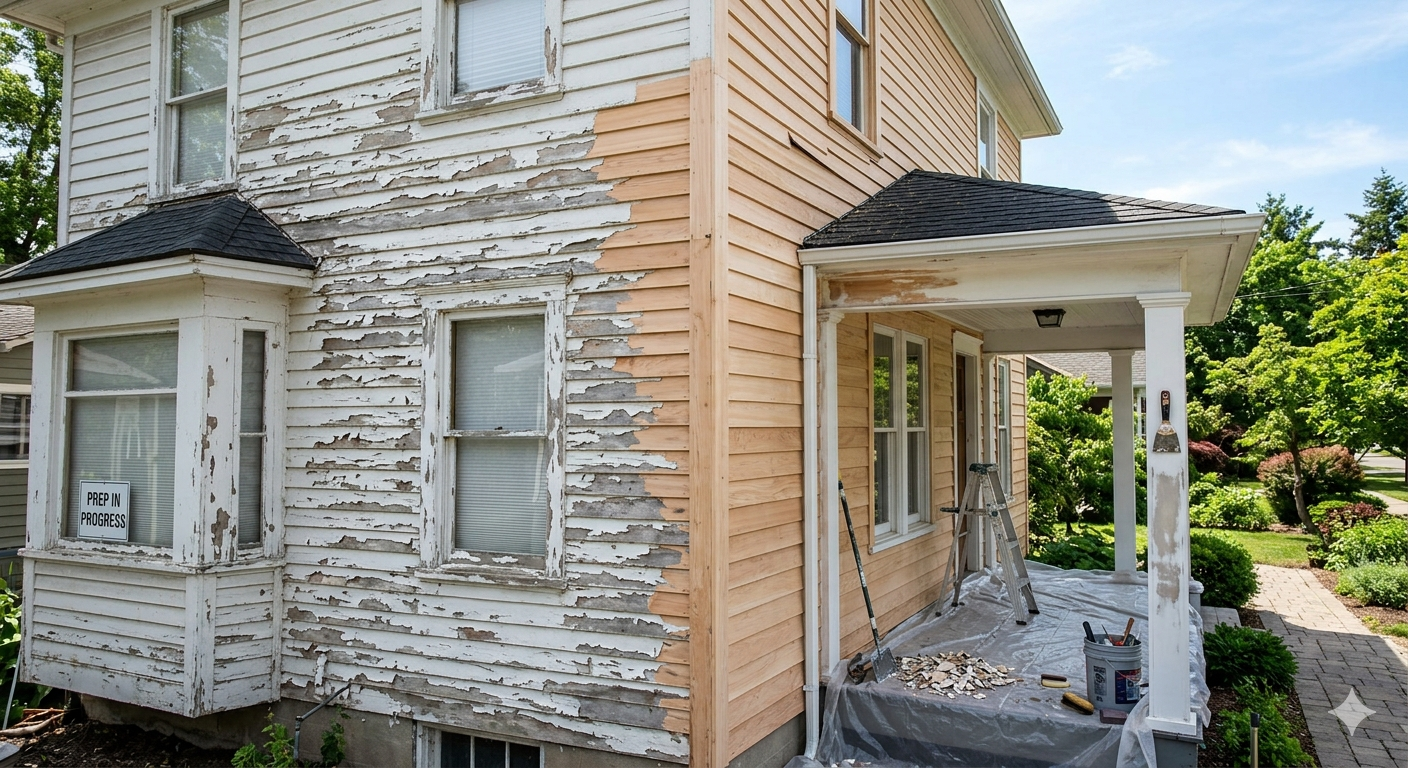
Proper preparation determines whether your exterior paint for house application lasts 5 years or 15 years. Skipping or rushing prep work causes even premium paint to fail prematurely through peeling, bubbling, or poor adhesion.
Cleaning and Washing
Start by power washing all surfaces to remove dirt, mildew, and loose paint. Use appropriate pressure settings for each material – too much pressure damages wood or forces water behind siding. Allow surfaces to dry completely, typically 48 to 72 hours depending on weather conditions, before applying coatings.
Scraping and Sanding
Remove all loose or peeling paint with scrapers and wire brushes. Feather the edges of remaining paint so transitions feel smooth rather than creating ridges. Sand glossy surfaces to create tooth for better paint adhesion. This step matters especially when applying new coatings over surfaces previously finished with oil-based products.
Repairing Damage
Fill cracks, holes, and gaps with appropriate fillers before painting. Wood surfaces need exterior-grade wood filler, while stucco requires masonry patching compounds. Replace rotted wood entirely rather than trying to paint over damage. Quality coatings won’t fix structural problems and may actually hide issues that worsen over time.
Priming Bare Surfaces
Always prime bare wood, metal, or masonry before applying finishes. Primer seals porous surfaces, blocks stains, and ensures proper paint adhesion. Use stain-blocking primer on woods like cedar or redwood, and rust-inhibiting primer on metal. Some situations require two coats of primer for adequate coverage and stain blocking.
For comprehensive surface preparation and repair services, including skim coating and drywall fixes that create smooth painting surfaces, explore True Coat’s drywall and plaster repair expertise.
Application Techniques for Exterior Paint for House Success
How you apply exterior paint for house surfaces affects both appearance and durability. Professional techniques create smooth, even finishes that resist weather damage and look great for years.
Choosing Application Methods
Brushing works best for trim, corners, and detailed areas where precision matters. Quality brushes with synthetic bristles suited for latex paint create smooth finishes without brush marks. Apply trim coatings using long, even strokes in the direction of the wood grain.
Rolling covers large, flat surfaces quickly and efficiently. Use roller covers with appropriate nap length for your surface texture – smooth surfaces need 3/8-inch nap, while textured stucco requires 3/4-inch or thicker. Work in small sections and maintain a wet edge to prevent lap marks.
Spraying delivers the fastest coverage and works especially well on textured surfaces, but requires skill to avoid drips and ensure even coats. Professional painters often spray siding, then back-roll to work paint into the surface and eliminate overspray. This combination technique creates superior adhesion and finish quality.
Weather Conditions Matter
Apply exterior paint for house surfaces only when temperatures range between 10 and 30 degrees Celsius. Avoid painting in direct sunlight, which causes paint to dry too quickly and prevents proper leveling. Early morning or late afternoon application times often provide ideal conditions.
Check weather forecasts before starting. Rain within 24 hours of application can ruin uncured paint. Similarly, painting right before freezing temperatures prevents proper curing and leads to paint failure.
Proper Coat Application
Most exterior paint for house applications require two coats for adequate coverage and protection. The first coat seals the surface and provides a base, while the second coat delivers color depth and weather protection. Trying to achieve full coverage in one thick coat leads to drips, sags, and poor durability.
Allow proper drying time between coats as specified by manufacturer instructions. Rushing this step prevents complete curing and may cause the second coat to lift or wrinkle the first. Quality products typically require 4 to 8 hours between coats, though high humidity or cool temperatures extend drying times.
For expert application that ensures your investment performs as expected, consider working with professional painters who understand these techniques thoroughly. Check out best house painters in Winnipeg for quality results.
Things to Know About Maintenance
Maintaining your coatings extends their lifespan and keeps your home looking fresh between major repainting projects. Simple maintenance tasks prevent small problems from becoming expensive repairs.
Regular Cleaning: Wash your home’s exterior annually to remove dirt, pollen, and organic growth. Use gentle detergent and a soft brush or low-pressure sprayer. This simple step keeps surfaces looking newer and prevents mildew establishment.
Inspect Frequently: Walk around your home each season looking for cracking, peeling, or bubbling paint. Catching these issues early allows for spot repairs before widespread failure requires complete repainting. Pay special attention to areas that receive heavy weather exposure or high moisture.
Touch Up Promptly: Keep leftover paint for touch-ups. Address small chips or scratches quickly to prevent moisture from penetrating wood and causing rot. Clean the area, prime if needed, and apply two thin coats of your original color.
Trim Vegetation: Keep plants, shrubs, and tree branches at least 12 inches away from painted surfaces. Constant contact with foliage holds moisture against walls, promotes mildew growth, and causes premature paint failure.
Monitor Caulking: Check caulk around windows, doors, and trim annually. Cracked or missing caulk allows water behind painted surfaces, causing damage from inside out. Remove old caulk and apply fresh, paintable exterior-grade caulking as needed.
Clean Gutters: Clogged gutters overflow and pour water down walls, damaging siding. Clean gutters twice yearly and ensure downspouts direct water away from your foundation. This simple maintenance protects both paint and structural elements.
Address Stains Quickly: Clean rust, mildew, and other stains as soon as they appear. Many stains penetrate coatings over time and become impossible to remove without repainting. Early action keeps your home looking well-maintained.
Understanding proper maintenance helps you protect your investment in quality products. For homes needing professional care or significant repairs before repainting, explore exterior painting approaches that deliver lasting results.
Common Mistakes to Avoid
Avoiding common errors saves time, money, and frustration when working with outdoor coatings. Learning from others’ mistakes helps your project succeed from the start.
Skipping surface preparation ranks as the biggest error. Paint applied over dirty, glossy, or damaged surfaces fails quickly regardless of quality. Proper cleaning, scraping, and priming take time but determine whether your application lasts or fails within a few seasons.
Using cheap paint to save money costs more in the long run. Budget products require more coats for coverage, fade quickly, and need repainting years sooner than premium options. The labor costs of repainting far exceed the initial savings from cheaper paint.
Painting in poor weather conditions guarantees problems. Applying coatings when temperatures are too hot, too cold, or when rain threatens prevents proper adhesion and curing. Be patient and wait for ideal conditions rather than rushing to meet self-imposed deadlines.
Ignoring manufacturer instructions leads to predictable failures. Each product has specific requirements for surface preparation, application conditions, drying times, and recoat windows. Following these instructions ensures the product performs as designed.
Not buying enough paint causes color matching problems and visible lap marks. Calculate your surface area carefully and buy all paint from the same batch to ensure consistent color. Having extra for touch-ups beats running short mid-project.
Attempting difficult projects without proper skills or equipment creates subpar results. While painting might seem simple, achieving professional results requires knowledge, practice, and specialized tools. Knowing when to hire professionals saves money compared to fixing DIY disasters.
Working with Professional Painters
Professional painters bring expertise, efficiency, and proper equipment to coating applications. Understanding what to expect helps you work effectively with contractors and ensures your project meets expectations.
Quality painting companies provide detailed estimates that break down labor, materials, surface preparation, and timeline. Be wary of quotes that seem unusually low – they often indicate shortcuts in preparation or use of inferior materials. Proper work requires significant labor and quality products.
Licensed and insured contractors protect you from liability and demonstrate professionalism. Verify coverage before work begins and ensure workers’ compensation insurance covers anyone working on your property. This protection matters more than small differences in quoted prices.
Clear communication prevents misunderstandings. Discuss color choices, paint quality, preparation steps, and timeline expectations before work begins. A good contractor explains what they’ll do and why, helping you understand the process behind your investment.
Professional painters complete projects faster than DIY approaches. Their experience, proper equipment, and full-time focus allow them to finish applications in days rather than weeks. This speed minimizes disruption to your household and reduces weather-related delays.
Warranties demonstrate contractor confidence. Reputable painting companies stand behind their work with guarantees covering both materials and labor. These warranties protect your investment and provide recourse if issues develop.
For Winnipeg homeowners seeking professional results, True Coat offers comprehensive painting services backed by licensing, insurance, and a commitment to quality workmanship. Visit our about us page to learn more about our approach to excellence.
Budget Planning for Your Project
Understanding cost factors helps you budget realistically for painting applications. Prices vary based on home size, paint quality, surface condition, and labor requirements.
Paint costs typically range from 20 to 30 percent of total project expenses. Premium products cost more per gallon but cover better and last longer, often making them the economical choice over time. Budget 30 to 60 dollars per gallon for quality paint, with most homes requiring 15 to 25 gallons depending on size and number of coats.
Labor represents the largest expense in professional projects. Preparation work, including cleaning, scraping, repairs, and priming, often takes more time than actual painting. Complex architectural details, multiple stories, and poor existing paint conditions increase labor costs.
Additional expenses include primers, caulking, surface repairs, and equipment rental if you’re DIYing. Budget for these items when planning your investment. Overlooking these costs leads to budget overruns and project delays.
For accurate pricing tailored to your specific situation, contact True Coat for a free estimate. Our transparent pricing helps you plan your project with confidence. Reach out through our contact page to get started.
Wrapping Up Your Painting Journey
Choosing and applying the right exterior paint for house surfaces transforms your home’s appearance while protecting your investment from weather damage. From selecting appropriate paint types for your specific materials to understanding color psychology and proper application techniques, each decision affects both immediate results and long-term performance.
Quality exterior paint for house projects combines premium materials, thorough preparation, skilled application, and regular maintenance. Whether you tackle the work yourself or hire professionals, understanding these elements helps you make informed decisions and achieve results that last.
Remember that your home’s exterior paint for house coating represents both aesthetic expression and practical protection. Taking time to choose wisely, prepare properly, and maintain regularly ensures your investment delivers beauty and weather resistance for many years ahead.
Frequently Asked Questions
Which color is best for the exterior?
The best color depends on your home’s style, neighborhood, and personal taste. Neutral shades like white, gray, and beige remain most popular because they suit various architectural styles and appeal to broad audiences. Test several colors on large boards before deciding, and consider how they look at different times of day. Your ideal shade should complement permanent features like your roof and landscaping.
What are the four main types of paint exterior?
The four main types include acrylic latex (most common, flexible, water-based), oil-based (durable but less environmentally friendly), latex-acrylic blends (combines benefits of both), and specialty paints (elastomeric, masonry). Acrylic latex works best for most applications in Winnipeg’s climate due to its flexibility and weather resistance.
What exterior colors make a house look expensive?
Crisp white with black or charcoal trim creates upscale contrast. Deep saturated colors like navy or forest green paired with light trim suggest quality. Monochromatic schemes using multiple shades of the same color family demonstrate design sophistication. Earth tones with warm undertones create spa-like elegance. Quality color combinations involve thoughtful contrast and coordination with permanent features.
What is the most used exterior paint color?
White and off-white shades dominate projects across North America. These colors offer timeless appeal, reflect heat to reduce cooling costs, and work with virtually any architectural style. Gray has gained popularity recently, challenging white’s dominance with modern sophistication. Beige and tan remain common in suburban areas for their warm, welcoming appearance.
What type of paint is best for house exterior?
Premium 100 percent acrylic latex paint delivers optimal performance for most homes. Look for high-quality ingredients like titanium dioxide, mildew resistance, self-priming technology, and strong warranty coverage. The best exterior paint for house coatings combines durability, weather resistance, and ease of application while matching your specific surface materials and climate conditions.