How Do You Find the Best Commercial Painters Near Me in Winnipeg?
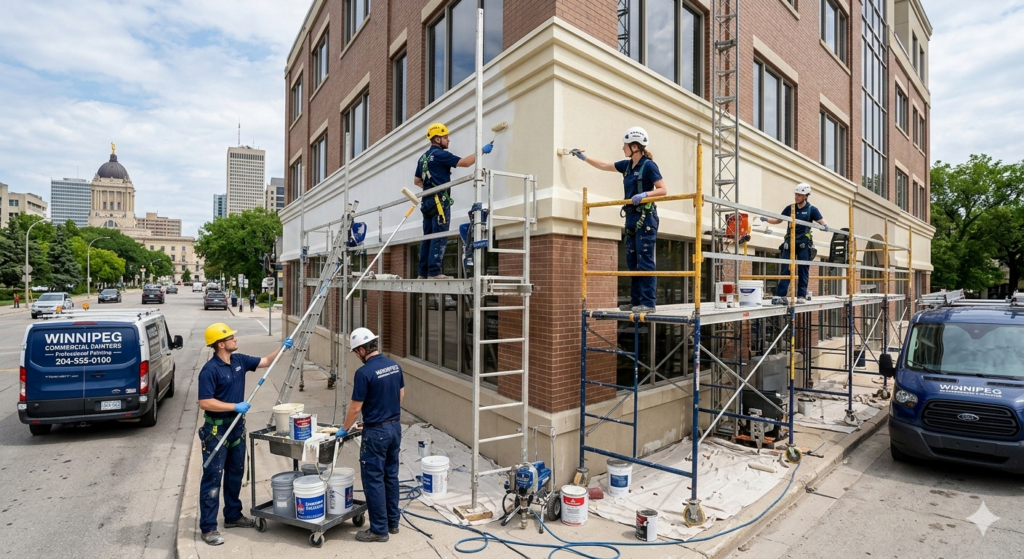
Finding reliable commercial painters near me starts with understanding your business needs and knowing what qualifies a painting contractor as truly professional. Commercial painters near me in Winnipeg offer specialized services including surface preparation, minimal business disruption, and long-lasting finishes designed for high-traffic environments. Whether you need office painting, retail space updates, or warehouse coating, choosing experienced commercial painters near me ensures your project stays on schedule and within budget while delivering results that enhance your business image and protect your investment. Searching for commercial painters near me can feel overwhelming with dozens of online options. You need a team that understands commercial timelines, works efficiently around your business hours, and delivers professional results. The right painters bring expertise in commercial-grade materials, safety protocols, and project management skills that keep everything running smoothly. Keep reading to learn what separates exceptional commercial painters from average contractors, how to evaluate local options, and what questions to ask before signing any contract. What Makes Commercial Painters Near Me Different From Residential Painters? Commercial painting requires a completely different approach than residential work. When you search for commercial painters near me, you’re looking for contractors who understand business environments and commercial building codes. Specialized Skills and Equipment Commercial painters near me use industrial-grade equipment that handles large-scale projects efficiently. They work with high-capacity sprayers, extended scaffolding systems, and specialized tools designed for commercial applications. These professionals handle various commercial surfaces from standard drywall to metal structures, concrete floors, and specialized wall coverings. Commercial painters also follow strict OSHA safety regulations, work at heights safely, and protect building occupants during projects. Project Management and Scheduling Time management sets commercial painters near me apart from residential contractors. They plan projects around your business hours to minimize disruption, often working evenings, weekends, or in phases to keep operations running. Professional commercial painters near me manage complexities smoothly, communicating clearly about timelines and coordinating with facility managers. Experienced painters provide accurate timelines and stick to them, allowing you to plan business activities accordingly. Why Location Matters When Choosing Commercial Painters Near Me Choosing local commercial painters near me in Winnipeg offers advantages that out-of-town contractors can’t match. Local painters respond quickly, understand Winnipeg’s climate challenges, and know which paints withstand harsh winters. Working with commercial painting services in your area supports the local economy. Local painters build their reputation in the community, allowing you to verify work quality. Established companies understand Winnipeg building codes and have relationships with suppliers for better pricing. What Services Do Commercial Painters Near Me Provide? Commercial painters near me offer comprehensive services beyond basic painting. Interior commercial painting transforms office spaces, retail stores, and restaurants using commercial-grade paints designed for durability, with many commercial painters near me providing interior painting services that include color consultation. Exterior painting protects your building from weather damage while creating a professional first impression. Commercial painters near me handle everything from small storefronts to large industrial buildings, using weather-resistant paints and proper preparation including power washing, repairs, and priming. Working with experienced exterior painting contractors ensures quality results. Beyond standard painting, commercial painters near me apply specialized coatings like epoxy floor coatings for warehouses, anti-slip coatings for safety, fire-retardant paints for code compliance, and sound-dampening coatings for offices. Many also offer wallpaper installation and skim coating to create smooth surfaces. How Do You Evaluate Commercial Painters Near Me? Always verify that commercial painters near me carry proper licensing, general liability insurance, and workers’ compensation coverage. Check that policies are current and verify business credentials including years of operation and physical business location. Ask about commercial painting experience and request references from recent clients. Discuss their approach to minimizing business disruption and get details about surface preparation, paint brands, number of coats, and warranty offerings. The best painting companies provide detailed written estimates outlining all costs, materials, timelines, and scope of work. Collect at least three estimates for realistic price comparisons. Don’t automatically choose the lowest bid, as extremely low prices often mean cut corners. Compare what each estimate includes, looking for itemized costs covering labor, materials, and preparation work. What to Expect During a Commercial Painting Project Professional commercial painters near me conduct thorough site assessments before starting, measuring spaces, identifying surface issues, and planning project timelines. Commercial painters near me start with comprehensive surface preparation including cleaning, filling holes, sanding, and priming. Quality commercial painting involves multiple coats with proper drying time. Professional teams maintain clean work areas, cleaning daily and containing dust. After finishing, painters conduct thorough cleanup, remove protective coverings, and complete a final walk-through. At True Coat, we provide a 3-year craftsmanship warranty on completed work. How Much Do Commercial Painters Near Me Charge? Commercial painting costs vary based on project size, surface condition, and paint quality. When evaluating commercial painters near me, square footage is the primary cost driver, with walls needing extensive repairs requiring more labor and materials. Commercial-grade paints cost more but offer superior durability, proving more economical long-term. Cost Factor Impact on Price Square Footage Direct relationship, larger projects may have discounts Surface Preparation Can add 20-40% to base cost Paint Quality Higher grade adds 15-30%, lasts 2-3x longer Timeline Constraints Rush jobs cost 10-25% more For specific pricing tailored to your project, contact True Coat for a free, no-obligation estimate. Beware of estimates that seem too good to be true, as suspiciously low bids often result in poor workmanship or cheap materials. Things To Know Before Hiring Commercial Painters Near Me Plan commercial painting during slower business periods like holidays or weekends to minimize disruption. In Winnipeg, optimal exterior painting occurs between late spring and early fall, while interior projects can happen year-round. Establish clear communication by designating a point person to coordinate with the painting team. Put everything in writing with detailed contracts specifying scope, materials, timeline, payment, and warranty terms. Proper maintenance extends paint job life through regular cleaning with appropriate products. Most commercial interiors need repainting every 3-5 years, while exteriors last 5-10 years. Top
What Are the Essential Steps and Benefits of Exterior Painting for Your Winnipeg Home?
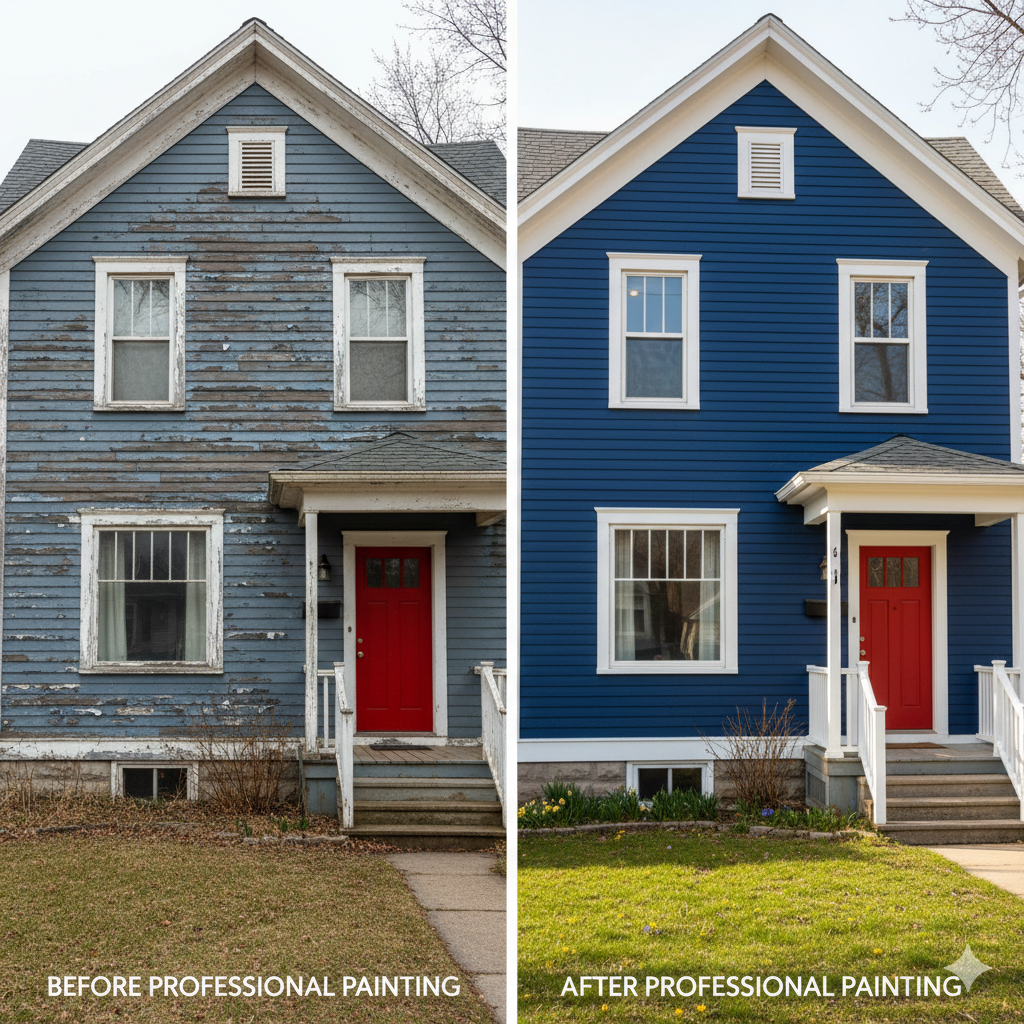
Exterior painting protects your Winnipeg home from extreme weather while enhancing curb appeal and property value. The process involves surface preparation, selecting weather-resistant paint finishes for Canadian climates, and applying protective coats that withstand temperature swings from -40°C to +30°C. Understanding the five paint finish types—flat, eggshell, satin, semi-gloss, and high-gloss—helps balance aesthetics with protection. Professional exterior painting follows systematic steps including inspection, power washing, scraping, priming, and multi-coat application ensuring lasting results. While costs vary by home size and condition, quality exterior painting delivers excellent returns through increased value and protection against moisture damage and UV degradation common in Winnipeg’s challenging climate. What Is Exterior Painting and Why Does It Matter? Exterior painting applies protective coatings to building surfaces, creating barriers against moisture, UV radiation, and temperature extremes. In Winnipeg, where temperatures swing dramatically, exterior painting serves as your home’s primary defense against weather damage, preventing water infiltration that causes wood rot and structural deterioration while blocking UV rays that fade materials. Beyond protection, exterior painting transforms property appearance, updates color schemes, and highlights architectural features. For Winnipeg homes, proper exterior painting addresses unique climate challenges—extreme temperature variations crack inferior paint, summer humidity promotes mildew, and harsh winters test durability. Professional application with weather-resistant products formulated for Canadian conditions delivers protection that lasts. What Are the 5 Types of Paint Finishes for Exterior? Selecting the right finish is crucial for exterior painting success. Each offers different sheen levels and durability for Winnipeg’s climate. Flat or Matte Finish Flat finishes create non-glossy appearances hiding surface imperfections, ideal for older homes with textured siding. They minimize flaws and provide excellent color depth but are harder to clean. For Winnipeg homes, flat finishes work well on body walls not receiving heavy wear. Satin and Eggshell Finishes These mid-range finishes balance subtle sheen with washability. Satin offers better moisture resistance than eggshell. Both provide good color retention on various siding materials, handling moisture better than flat paints. These finishes are ideal for areas needing occasional washing. Semi-Gloss Finish Semi-gloss creates noticeable sheen and superior durability, resisting moisture penetration. It’s ideal for trim, doors, and shutters. In exterior painting, semi-gloss typically accents rather than covers large surfaces, creating visual contrast highlighting architectural details. High-Gloss Finish High-gloss delivers maximum shine and highest durability, extremely resisting moisture and damage. It excels for front doors, shutters, railings, and architectural details, adding visual interest while providing superior rust protection for metal surfaces. Choosing the Right Combination Most successful exterior painting uses multiple finishes strategically, combining satin or eggshell for main walls with semi-gloss for trim. Surface Area Recommended Finish Primary Benefit Main walls, siding Satin or Eggshell Balance of durability and appearance Window and door trim Semi-Gloss Enhanced moisture resistance Front doors, shutters Semi-Gloss or High-Gloss Visual impact and protection Foundations Flat or Satin Hides surface irregularities Professional painting companies guide finish selection based on your home’s characteristics and Winnipeg’s climate demands. What Are the Steps for Professional Exterior Painting? Quality exterior painting follows systematic processes ensuring lasting results. Professional painters in Winnipeg use comprehensive approaches addressing climate-specific challenges. Surface Inspection and Planning Projects begin with thorough inspection examining conditions—loose siding, wood rot, mildew, or failing paint. This determines preparation requirements and ensures accurate estimates. Painters assess existing paint and test for lead paint on pre-1978 homes. Planning considers weather—exterior painting requires temperatures above 10°C and dry conditions. Cleaning and Power Washing Power washing removes dirt, mildew, and chalky residue at appropriate pressure (1500-2500 PSI). For mildew, specialized solutions are applied before washing. After washing, surfaces must dry completely—typically 24-48 hours before painting. Preparation and Repairs Scraping and sanding remove all loose or damaged paint, creating solid foundations. Removed areas are feathered smooth. Damaged wood requires repair or replacement. Fresh caulk is applied around windows, doors, and joints using paintable, flexible exterior caulk. Priming and Painting Primer creates bonding layers while sealing and blocking stains. Bare wood must always be primed. Professional exterior painting typically involves two finish coats for optimal coverage and durability. Professionals maintain “wet edges” ensuring seamless blending. Final Inspection Final steps involve thorough inspection and touch-ups. Professionals check for missed spots, thin coverage, and finish defects, ensuring crisp trim lines and proper window and door function. Proper cleanup includes removing masking materials and restoring landscaping. Experienced house painters in Winnipeg stand behind their work. Understanding Exterior Painting Costs Exterior painting represents a significant property investment. Home size is the primary cost factor—larger square footage requires more materials and labor. Surface condition dramatically impacts costs—homes requiring extensive preparation, repairs, or paint removal cost more than those needing simple cleaning. Design complexity affects pricing. Single-color exterior painting costs less than projects involving multiple accents and detailed trim work. Material quality influences both initial costs and long-term value—premium paints cost more but provide better coverage and last longer. For accurate pricing specific to your Winnipeg home, contact True Coat for detailed estimates reflecting quality workmanship and materials. Value and Return on Investment Quality exterior painting delivers substantial returns, potentially returning 50-100% of costs in increased home value. Beyond resale, it protects structures from weather damage and prevents costly repairs. Fresh paint on wood siding prevents moisture intrusion leading to rot—problems costing thousands to repair. Energy efficiency can improve with proper exterior painting. Light-colored paints reduce cooling costs by reflecting solar heat. Quality paint seals gaps, reducing heating costs during Winnipeg’s cold winters. Can You Paint Over Old Exterior Paint? Whether you can apply new paint over existing coatings depends on several factors. When Painting Over Works You can successfully paint over old exterior painting when existing coatings properly adhere, showing no peeling, with only minor fading. Old paint must be clean and free from dirt, mildew, and chalk preventing new paint bonding. Coatings should be intact without significant cracking or blistering. Minor imperfections can be addressed through spot repairs, but extensive damage indicates failed coatings. Modern acrylic latex paints adhere well to old latex coatings. When existing paint chemistry is unknown, bonding primers ensure proper adhesion.
How Do You Fix Damaged Drywall & Plaster Walls in Your Home?
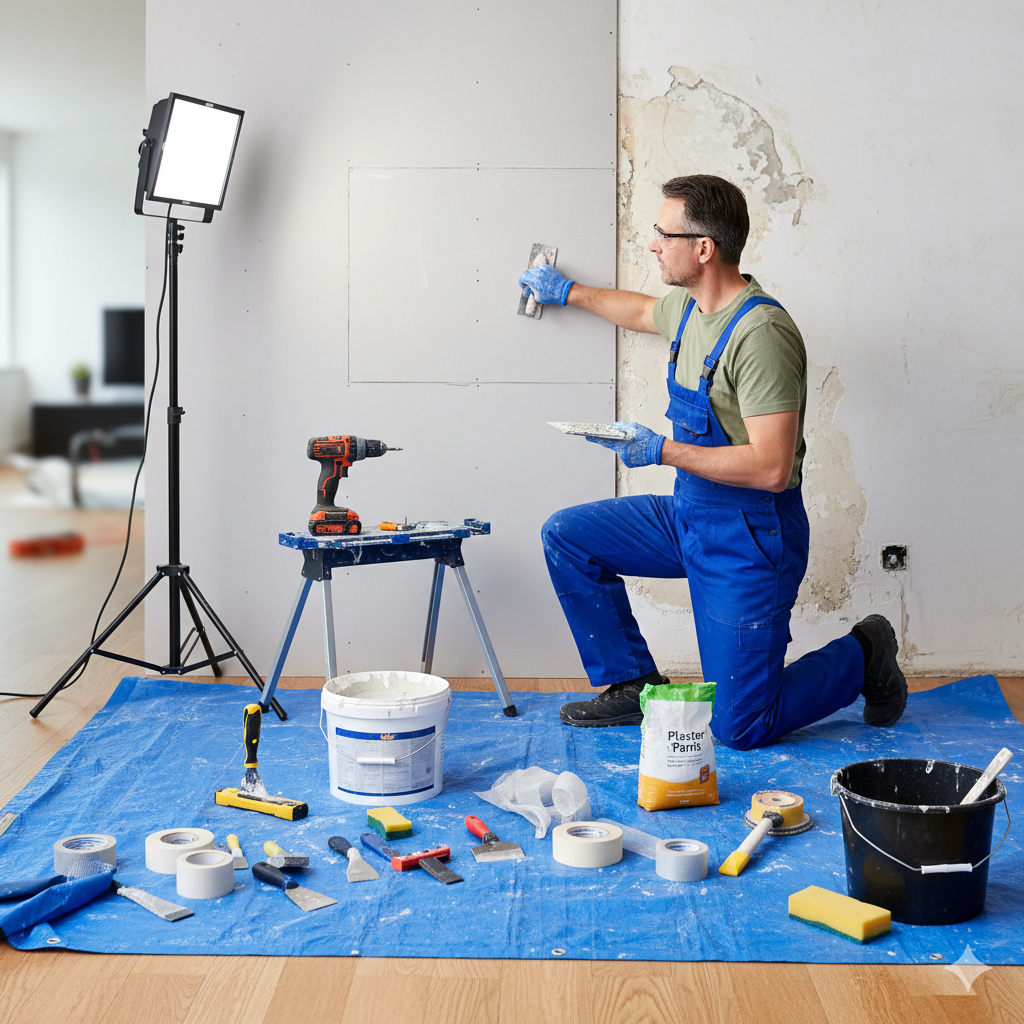
Drywall & plaster repair is a necessary service that fixes cracks, holes, and surface damage on interior walls to restore them to a smooth, paintable condition. Whether you’re dealing with small nail holes or large damaged sections, proper repair techniques can make your walls look brand new again. Most homeowners in Winnipeg face wall damage at some point, from settling cracks to accidental impacts, and knowing how to address these issues saves time and money. Professional repair work ensures durable results that blend seamlessly with existing surfaces, while DIY attempts often lead to visible patches and recurring problems. The process involves assessing the damage, choosing the right materials, applying proper techniques, and finishing with a smooth surface ready for painting. What Is Drywall & Plaster Repair? Drywall & plaster repair involves fixing damaged sections of interior walls to restore their original appearance and structural integrity. This service addresses everything from minor cosmetic issues to significant structural damage that affects your home’s value and appearance. The repair process differs depending on whether you’re working with modern drywall or traditional plaster walls. Drywall, also called gypsum board, consists of a gypsum core sandwiched between paper layers. Plaster walls, common in older Winnipeg homes, feature multiple layers of plaster applied over wood lath or metal mesh. Common Types of Wall Damage Wall damage comes in many forms, each requiring specific repair approaches. Small nail holes and picture hook marks are the most common, usually appearing when you remove wall hangings or rearrange your space. Cracks develop from house settling, temperature changes, or structural movement. Hairline cracks are mostly cosmetic, while wider cracks may signal foundation issues that need professional assessment. Impact damage creates dents or holes from doorknobs, furniture, or accidental collisions. Water damage shows up as staining, bubbling, or crumbling sections where moisture has compromised the wall material. Corner bead damage occurs at wall corners where metal or plastic edges get dented or separated. Texture damage happens when wall surfaces get scraped, gouged, or worn down over time. Why Professional Repair Matters Professional drywall & plaster repair delivers results that last. Experienced technicians understand how different materials behave, which products work best, and how to match existing textures perfectly. Improper repairs often crack again within months, requiring costly rework. Professionals use the right joint compounds, proper drying times, and skilled finishing techniques that prevent future problems. True Coat’s team brings years of experience to every drywall & plaster repair project, ensuring your walls look flawless and remain durable for years to come. How Does Drywall & Plaster Repair Work? The repair process follows specific steps that ensure strong, invisible fixes. Understanding these steps helps you appreciate the skill involved and why professional service delivers superior results. Assessment and Preparation Every successful repair starts with thorough assessment. Professionals examine the damage extent, identify the wall type, and check for underlying issues like moisture or structural problems. Preparation involves protecting your floors and furniture with drop cloths. The damaged area gets cleaned of loose material, dust, and debris. For holes, technicians cut away damaged sections to create clean, stable edges. Water-damaged areas must dry completely before repair begins. Any mold growth requires treatment before patching. Structural issues get addressed first to prevent repair failure. Repair Techniques for Different Damage Small Holes and Nail Pops Tiny holes get filled with spackling compound or lightweight joint compound. The filler goes in flush with the wall surface, then gets sanded smooth after drying. Multiple thin coats work better than one thick application. Medium Holes (1-6 Inches) These require backing support. Professionals install mesh tape, metal patches, or cut drywall pieces that fit behind the hole. Joint compound builds up in layers, with each coat extending slightly beyond the previous one to blend the patch. Large Holes (Over 6 Inches) Major damage needs full section replacement. Technicians cut a rectangular opening, install new drywall secured to studs, tape the seams, and apply multiple compound coats. This approach provides the strongest, most durable repair. Crack Repair Cracks get opened slightly with a utility knife to create a V-groove that holds compound better. Mesh tape reinforces the crack before compound application. Flexible compounds prevent re-cracking in areas with movement. Plaster Wall Repair Plaster repair requires different materials and techniques. Loose plaster gets removed back to solid material. For shallow repairs, bonding agents help new plaster adhere to old. Deep repairs may need multiple plaster layers that match the original wall thickness. Traditional skim coating techniques create smooth surfaces on damaged plaster walls, giving them a fresh, uniform appearance. Finishing and Texturing After repairs dry completely, technicians sand the surface smooth, feathering edges so patches blend invisibly. Matching existing wall texture is crucial for professional results. Common textures include orange peel, knockdown, and smooth finishes. Professionals replicate these textures using specialized tools and techniques. For interior painting projects, properly finished repairs ensure paint applies evenly without visible patches. Table 1: Drywall vs. Plaster Repair Comparison Feature Drywall Repair Plaster Repair Material Gypsum board, joint compound Lime or gypsum plaster, bonding agents Typical Damage Holes, dents, tape separation Cracks, crumbling, loose sections Repair Time 1-3 days (drying time) 3-7 days (multiple plaster layers) Difficulty Level Moderate Advanced Best For Modern homes (post-1950s) Historic homes (pre-1950s) Common Issues Paper damage, corner bead dents Lath separation, plaster delamination What Makes Drywall & Plaster Repair Challenging? Several factors make wall repair more difficult than it appears. These challenges explain why professional services often deliver better results than DIY attempts. Matching Existing Textures Wall textures vary significantly between homes and even between rooms. Orange peel texture, popular in many Winnipeg homes, requires specific spray equipment and technique to replicate accurately. Knockdown texture involves applying compound, then partially flattening it with a trowel. The timing and pressure must match the original application exactly. Smooth walls seem simple but show every imperfection, requiring expert finishing skills. Older homes may have custom textures or multiple texture layers that are extremely difficult to match. Professional contractors maintain texture samples
How to Properly Do Deck Staining: A Winnipeg Homeowner’s Guide
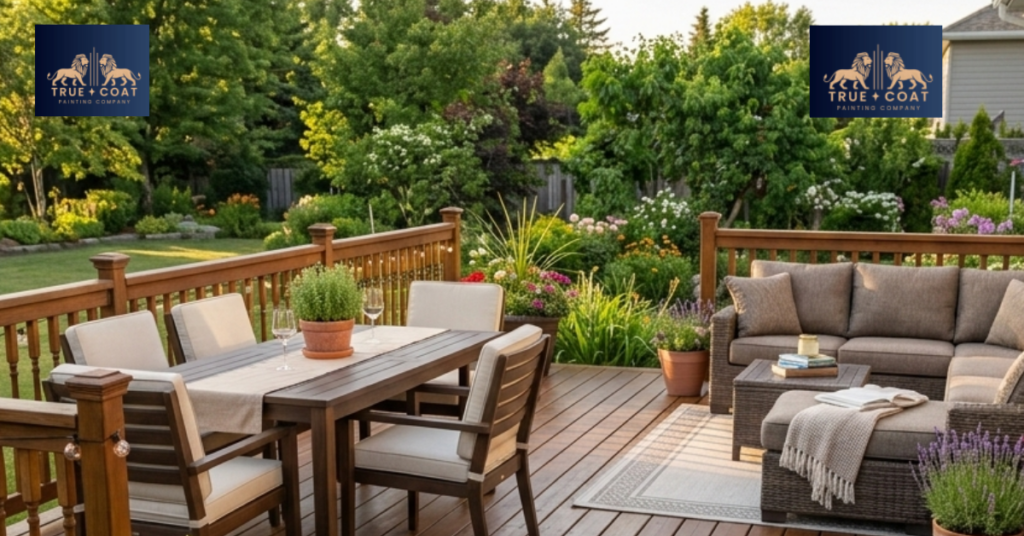
Deck staining protects your outdoor investment from harsh Canadian weather while enhancing your home’s curb appeal. The best approach combines proper surface preparation, choosing quality products suited to Winnipeg’s climate, and applying stain during dry conditions between 10°C and 27°C. Most homeowners achieve professional results by cleaning the deck thoroughly, sanding rough spots, and using a combination of brushing and rolling techniques for even coverage. Whether you’re tackling deck staining for the first time or looking to improve your technique, understanding the right methods and timing makes all the difference. A properly stained deck can last 2-4 years before needing maintenance, saving you money and protecting your wood investment. Ready to transform your outdoor space? Why Deck Staining Matters for Winnipeg Homes Your deck faces extreme temperature swings, intense UV exposure during summer months, and moisture from rain and snow throughout the year. Without proper protection, wood deteriorates quickly, leading to costly repairs or complete replacement. Deck staining creates a barrier against moisture penetration. When water seeps into wood fibers, it causes swelling, cracking, and eventual rot. Manitoba’s freeze-thaw cycles accelerate this damage, making regular deck staining essential for longevity. UV rays break down wood lignin, turning your deck gray and brittle. Quality stain contains UV blockers that slow this degradation process significantly. Interior painting services protect your home’s inside, but deck staining does the same job for your outdoor living space. Beyond protection, deck staining enhances natural wood grain and adds rich color that complements your home’s exterior. A well-maintained deck increases property value and creates an inviting space for summer gatherings. Many Winnipeg homeowners find that residential painting and deck staining projects together dramatically improve their home’s overall appearance. What’s the Best Way to Do Deck Staining? The most effective deck staining method combines multiple application techniques for thorough, even coverage. Start with a clean, dry surface, then use a combination of brushing, rolling, and back-brushing to work stain into wood grain. Surface Preparation Steps Proper preparation determines how well your deck staining project turns out and how long it lasts. Skip these steps, and you’ll see peeling and uneven color within months. First, sweep away all debris, leaves, and dirt. Use a stiff broom to get between deck boards where grime accumulates. Next, wash the entire surface with a deck cleaner designed to remove mildew, dirt, and old stain residue. Power washing works well but requires caution. Hold the nozzle 12 inches from the surface and use a fan tip, not a concentrated stream. Too much pressure damages wood fibers, creating a fuzzy surface that absorbs stain unevenly. Many homeowners working with best house painters in Winnipeg learn this technique prevents damage. After washing, let your deck dry completely for 48-72 hours depending on weather conditions. Test moisture levels by sprinkling water on the surface. If it beads up, the wood isn’t ready. If it soaks in, you’re good to proceed. Sand any rough spots, splinters, or raised grain using 80-grit sandpaper. This creates a smooth surface that accepts stain evenly. Pay special attention to railings and high-traffic areas that see more wear. Application Techniques That Work for Deck Staining The brush and roll method delivers the best results for deck staining. Pour stain into a paint tray, then load a roller with a thick nap cover (3/4 inch works well for textured wood). Roll stain onto 3-4 deck boards at a time, working in manageable sections. Immediately follow with a brush to work stain into cracks, grooves, and grain patterns. This back-brushing technique ensures complete penetration and even color. For railings and balusters, brush application works better than rolling. Load your brush moderately to avoid drips and runs. Work from top to bottom, and wipe away excess immediately with a clean rag. Apply stain in the direction of the wood grain, never against it. This follows natural wood patterns and creates a professional finish. Overlap each section slightly to avoid visible lines where new stain meets dried areas. Common Application Mistakes: How Many Coats Do You Need? Most deck staining projects require two coats for optimal protection and color depth. The first coat seals and primes the wood, while the second coat provides rich color and additional weather resistance. Wait for the first coat to dry according to manufacturer instructions, typically 4-24 hours depending on temperature and humidity. Test dryness by touching an inconspicuous spot. If it feels tacky, wait longer. Some heavily weathered decks or new wood may need three coats for complete coverage. However, more isn’t always better. Thick buildup can peel and flake, creating more problems than it solves. Deck Condition Recommended Coats Notes New wood 2 coats Absorbs stain quickly, needs sealing Previously stained (1-2 years) 1-2 coats Depends on existing condition Heavily weathered 2-3 coats May need primer for severe damage High-traffic areas 2-3 coats Extra protection for stairs, walkways Best Time to Stain a Deck for Long-Lasting Deck Staining Results The optimal time for deck staining in Winnipeg falls between late May and early September, when temperatures consistently stay between 10°C and 27°C. You need at least 48 hours of dry weather before application and 24-48 hours after to allow proper drying and curing. Seasonal Considerations for Winnipeg Climate Late spring offers excellent conditions as wood has dried from winter moisture and temperatures stabilize. However, watch for late frosts that can affect curing. June through August provides the most reliable weather windows, though intense heat requires adjusting your schedule. Early morning and late afternoon work best during summer months. Avoid deck staining in direct midday sun, as stain dries too quickly and doesn’t penetrate properly. Just like exterior painting projects, timing makes all the difference in results. Early fall can work if you complete the project before nighttime temperatures drop below 10°C. Cold temperatures slow drying and curing, potentially leaving your deck vulnerable to early winter weather. Daily Weather Factors That Impact Deck Staining Check the forecast for a 5-day window of dry conditions. Rain within 48 hours of
What Should You Expect From a Professional Interior Painting Service?
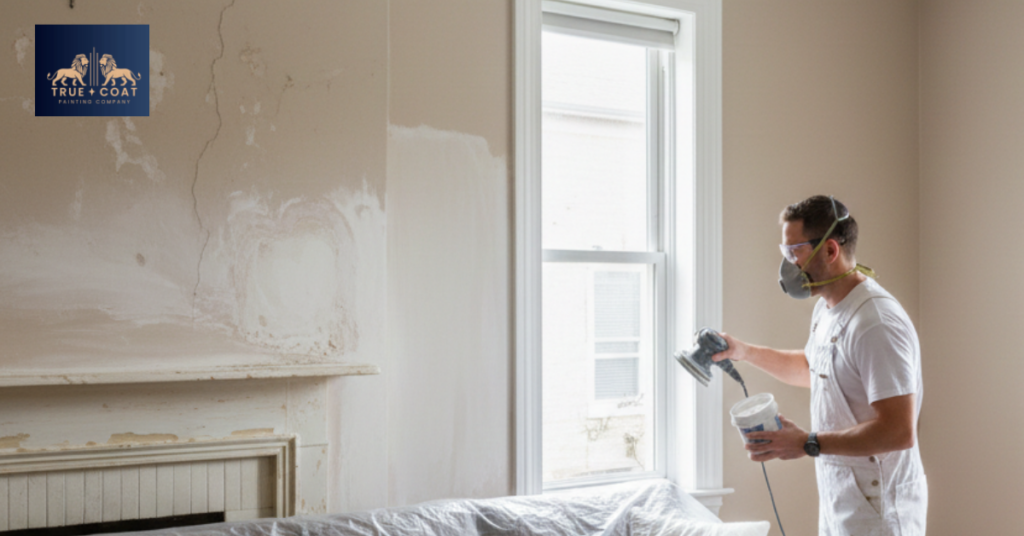
Professional interior painting service delivers more than just a fresh coat of paint on your walls. When you hire experienced painters in Winnipeg, you receive comprehensive surface preparation, expert color consultation, meticulous application techniques, and thorough cleanup that protects your furniture and floors. Quality interior painting service transforms your living spaces while ensuring durability through proper prep work, premium materials, and skilled craftsmanship. From initial consultation to final walkthrough, professional painters handle every detail including wall repairs, priming, multiple coats, and trim work. What Is Interior Painting Service? Interior painting service encompasses the complete process of refreshing or transforming the painted surfaces inside your home or business. This professional service goes far beyond simply rolling paint onto walls. A comprehensive interior painting service starts with a detailed consultation where painters assess your space, discuss your vision, and recommend color schemes that complement your style and lighting. Professional painters evaluate wall conditions, identify necessary repairs, and create a project timeline that minimizes disruption to your daily routine. The service includes protecting your belongings with drop cloths and plastic sheeting, repairing wall imperfections like cracks or holes, sanding rough surfaces, applying primer when needed, and executing multiple paint coats for even coverage. True Coat’s interior painting professionals handle every step with precision and care. What makes professional interior painting service different: Why Choose Professional Interior Painting Service? Hiring professional interior painting service saves you time, prevents costly mistakes, and delivers results that last significantly longer than amateur work. Many homeowners underestimate the skill required for flawless paint application. Professional painters bring years of experience identifying potential problems before they become expensive issues. They know which primers work best on different surfaces, how to prevent paint from peeling or bubbling, and techniques for achieving perfectly straight lines without tape marks. Expertise and Quality Professional interior painting service providers understand paint chemistry and how environmental factors affect application. Winnipeg’s climate requires specific approaches to ensure paint cures properly and maintains its appearance through temperature fluctuations. Experienced painters apply consistent pressure and use proper rolling techniques that eliminate visible roller marks and streaks. They cut in edges cleanly without getting paint on trim or ceilings, creating crisp lines that define professional work. Time and Efficiency A professional team completes interior painting service projects in a fraction of the time a homeowner would need. What might take you several weekends of hard work, professionals finish in days while maintaining superior quality. Professional painters work systematically, completing preparation on all surfaces before starting to paint. This workflow prevents the start-stop pattern that creates inconsistent results in DIY projects. Safety and Proper Equipment Professional interior painting service includes proper safety equipment for working on ladders, scaffolding, and high ceilings. Painters carry insurance protecting you from liability if accidents occur during the project. Professionals use commercial-grade equipment that produces better results than consumer tools. High-quality sprayers, extension poles, and specialized brushes make difficult areas easier to reach and paint more evenly. How to Prepare for Interior Painting Service Proper preparation before your interior painting service arrives helps the project run smoothly and prevents delays. Taking a few simple steps protects your belongings and creates an efficient work environment. Clearing the Space Remove small furniture, decorations, and wall hangings from rooms being painted. While professional painters will move larger pieces and cover them with protective materials, clearing smaller items prevents accidental damage and speeds up the process. Take down curtains, blinds, and window treatments before the painting crew arrives. Remove outlet covers, light switch plates, and door hardware if you feel comfortable doing so, though most professional interior painting service teams handle this as part of their preparation. Communicating Your Expectations Discuss your color preferences, finish options, and any specific concerns with your painting team during the initial consultation. Clear communication about your vision ensures the final result matches your expectations. Point out any areas requiring special attention, such as stains you want covered, damaged sections needing repair, or architectural features you want highlighted with accent colors. Professional painters appreciate detailed information that helps them deliver exactly what you envision. Planning for Pets and Children Interior painting service works best when painters can focus without interruptions. Consider arranging for children and pets to stay elsewhere during painting days, or confine them to areas not being worked on. Paint fumes, even from low-VOC products, can irritate sensitive individuals. Proper ventilation helps, but removing vulnerable family members from the immediate area provides extra protection and allows painters to work more efficiently. What Does the Interior Painting Service Process Include? Understanding each step of professional interior painting service helps you know what to expect and recognize quality work when you see it. The process follows a systematic approach ensuring consistent, long-lasting results. Initial Assessment and Consultation Your interior painting service begins with a thorough evaluation of your space. Professional painters examine wall conditions, note areas requiring repair, and discuss your color preferences and timeline requirements. During this consultation, painters provide recommendations based on room function, lighting conditions, and your personal style. They explain different paint finishes and which works best for each space in your home. Surface Preparation Professional painters spend significant time on preparation because this step determines how well paint adheres and how long it lasts. They fill nail holes, cracks, and dents with spackling compound, then sand surfaces smooth once repairs dry. Painters clean walls to remove dust, grease, and residues that prevent proper paint adhesion. In kitchens and bathrooms, thorough cleaning removes cooking oils and moisture deposits that can cause paint failure. When needed, professionals apply skim coating to create perfectly smooth surfaces, especially on damaged or textured walls you want transformed. This technique requires skill and patience but produces flawless results. Preparation Step Purpose Impact on Final Result Wall cleaning Removes contaminants Ensures proper paint adhesion Crack and hole filling Creates smooth surface Eliminates visible imperfections Sanding Levels repairs and roughens surface Provides uniform texture for painting Priming Seals surface and blocks stains Improves coverage and color
What Does Lime Wash Painting Do and How Should You Apply It?
Lime wash painting creates a breathable, environmentally friendly finish that delivers distinctive matte texture and subtle color variations on walls, brick, and masonry surfaces. This ancient technique uses natural limestone materials that allow moisture to pass through, preventing trapped dampness while developing a beautiful aged patina over time. Unlike conventional paints that sit on top of surfaces, lime wash painting chemically bonds with porous materials and improves over years through a natural carbonation process. Homeowners choose lime wash painting for interiors and exteriors because it offers antimicrobial properties, requires minimal maintenance, and provides authentic character that synthetic products cannot replicate. The application process differs significantly from standard painting, requiring specific preparation and techniques for optimal results. Professional painters understand how environmental conditions, surface types, and proper mixing ratios affect the final appearance. What Does Limewash Paint Do? Lime wash painting transforms surfaces through a unique chemical process that differs fundamentally from conventional paint systems. The mixture penetrates porous materials rather than creating a surface film, resulting in distinct performance characteristics. Benefits of Lime Wash Painting The breathable nature of lime wash painting allows water vapor to pass through freely, which prevents moisture accumulation that causes mold, mildew, and structural damage. This characteristic makes it exceptionally suitable for interior painting projects in humid environments like bathrooms and basements. Antimicrobial properties occur naturally because lime wash painting creates an alkaline environment hostile to bacteria and fungi. Historical buildings have used this finish for centuries specifically because it helps maintain healthier indoor air quality without chemical additives. Environmental sustainability ranks high among lime wash painting advantages. The ingredients consist of natural limestone, water, and sometimes mineral pigments, containing no volatile organic compounds (VOCs) or synthetic chemicals. This makes lime wash painting an excellent choice for eco-friendly painting projects. The aesthetic qualities develop over time as lime wash painting ages gracefully. Natural weathering creates beautiful patina with subtle variations in color and texture. Unlike standard paint that chips or peels when deteriorating, lime wash painting wears away gradually while maintaining visual appeal. How Lime Wash Differs From Regular Paint Traditional paint forms a barrier layer on surfaces, while lime wash painting becomes part of the substrate through carbonation. This chemical bonding means lime wash painting doesn’t peel or blister like conventional coatings. The application consistency resembles thin milk rather than thick paint, requiring different techniques and often multiple coats. Lime wash painting achieves full opacity through layering, with each coat adding depth and character. Color options remain limited compared to standard paint because lime wash painting relies on mineral pigments that withstand the alkaline environment. The palette features natural earth tones and pastels, though modern manufacturers have expanded choices. Maintenance requirements differ significantly. Lime wash painting may need periodic reapplication but never requires stripping or sanding. New layers bond directly to existing lime wash, making touch-ups straightforward. Surfaces That Benefit Most Porous masonry materials like brick, stone, concrete, and traditional plaster work best with lime wash painting. These surfaces allow proper penetration and bonding essential for durability. Historic buildings particularly benefit because lime wash painting matches original construction methods. Many preservation guidelines specifically require lime-based finishes for maintaining architectural authenticity. Modern applications include exterior painting on brick homes, interior accent walls, and specialty commercial projects. True Coat has extensive experience applying lime wash painting across residential and commercial properties throughout Winnipeg. Key Surface Compatibility: Surface Type Compatibility Notes Brick Excellent Ideal for both interior and exterior Natural Stone Excellent Enhances texture and protects surface Concrete Very Good Requires proper curing and preparation Traditional Plaster Excellent Original intended substrate Drywall Poor Non-porous surface prevents bonding Wood Not Recommended Expansion and contraction cause failure How Do You Do Limewash Paint? Proper lime wash painting application requires specific materials, surface preparation, and techniques that differ from conventional painting methods. Success depends on understanding the unique characteristics of this traditional finish. Materials and Tools You’ll Need Quality lime putty or hydrated lime forms the foundation of authentic lime wash painting. Pre-mixed products offer consistency, though traditional practitioners sometimes prefer making their own mixture. Natural bristle brushes work better than synthetic alternatives because they hold more liquid and create the desired texture. Large brushes (6-8 inches) speed application on open walls, while smaller brushes handle detailed areas. Essential supplies include: Professional painting companies like True Coat maintain specialized equipment specifically for lime wash painting projects, ensuring consistent results. Surface Preparation Steps Clean surfaces thoroughly by removing dirt, efflorescence, old paint, or other contaminants that prevent bonding. Lime wash painting only adheres to clean, porous substrates. Repair damaged masonry before application. Fill cracks and holes with appropriate materials, allowing repairs to cure fully. For significant wall damage, consider professional drywall and plaster repair services. Dampen the surface before applying lime wash painting. Water prevents rapid moisture absorption that would cause premature drying and poor adhesion. Keep surfaces evenly damp but not dripping throughout the application process. Mixing Lime Wash Properly Combine lime putty with water in roughly 1:1 ratio, adjusting for desired consistency. The mixture should resemble thin milk or cream, flowing easily without being too watery. Add mineral pigments gradually while mixing, testing color on sample boards. Remember that lime wash painting lightens significantly as it dries and carbonates. Allow the mixture to rest for several hours or overnight before use. This slaking period improves workability and final appearance. Stir thoroughly before and during application to maintain consistency. Application Technique Apply lime wash painting in thin, even coats using random brushstrokes. Cross-hatching patterns help achieve uniform coverage while enhancing the characteristic mottled appearance. Work in manageable sections, maintaining wet edges to avoid lap marks. The first coat appears streaky and translucent, which is normal. Subsequent coats build opacity and depth. Plan for 3-5 coats depending on substrate porosity and desired finish. Allow 12-24 hours between coats, keeping surfaces slightly damp. Each layer should remain breathable and thin. Typical Application Schedule: Coat Number Purpose Drying Time First Seals surface, establishes base 24 hours Second Begins opacity development 24 hours
How Long Will Deck Staining Painting Last?
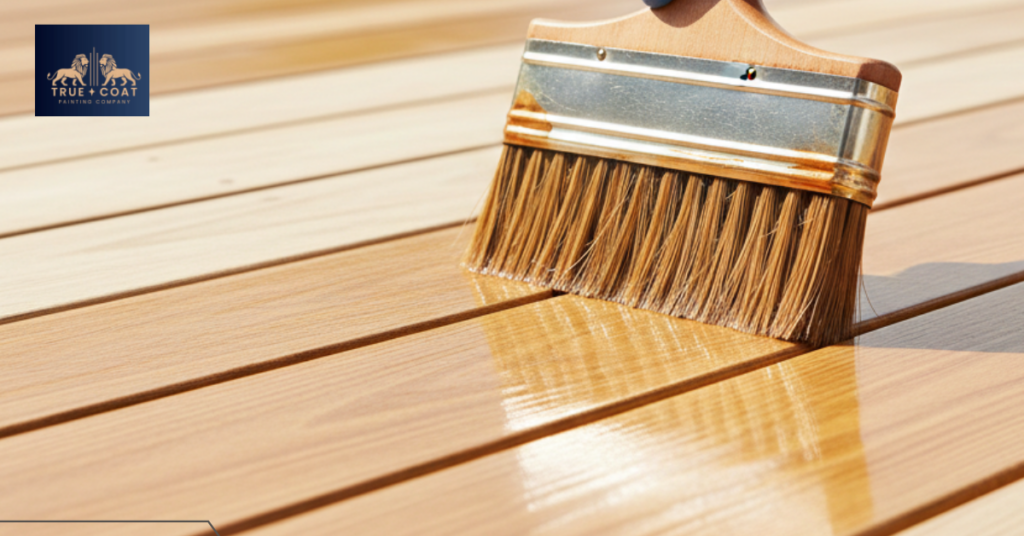
Deck staining painting typically lasts between 2 to 5 years depending on wood type, climate conditions, and product quality. Your outdoor space faces constant exposure to sun, rain, snow, and temperature changes that gradually break down protective coatings. Transparent stains need renewal every 1 to 2 years, while solid stains and paints last 3 to 7 years. Understanding the differences between paint and stain, mastering proper application techniques, maintaining your deck regularly, and avoiding common mistakes all contribute to maximizing the lifespan of your deck staining painting. Winnipeg’s harsh winters and intense summers create unique challenges for deck finishes that require careful product selection and professional-grade application methods. Understanding Deck Staining Painting Deck staining painting refers to applying protective coatings to wooden surfaces to preserve wood and enhance appearance. These treatments create barriers against moisture, UV rays, mold, and wear. Winnipeg’s climate makes this protection particularly important. Extreme temperature swings cause wood to expand and contract, leading to cracking without proper treatment. Types of Finishes for Your Deck Transparent Stains showcase natural wood grain while providing minimal protection. They require reapplication every 1 to 2 years. Semi-Transparent Stains balance protection with grain visibility, lasting 2 to 3 years between applications. Solid Stains mask most grain while showing texture, providing better UV protection for 3 to 4 years. Deck Paint offers complete opaque coverage and longest protection, lasting 5 to 7 years with proper care. Product Types: Oil vs. Water-Based Oil-based products penetrate deeply, resist water excellently, and handle temperature changes well. They dry slowly (24 to 48 hours) and need mineral spirits for cleanup. Water-based options dry quickly (2 to 4 hours), clean with soap and water, and resist mildew better. Modern formulas now match oil-based durability. Is It Better to Paint or Stain a Deck? Deck Staining Painting Pros & Cons Choosing between painting and staining for your deck staining painting project depends on your priorities, wood condition, and maintenance preferences. Both protect differently with distinct advantages. Staining works better for newer decks in good condition because it penetrates wood while allowing breathing. This prevents moisture from getting trapped inside, reducing rot and mildew. Stain highlights natural wood beauty. Paint creates thicker protective barriers ideal for older decks with imperfections. Paint provides superior UV protection and unlimited color options but requires more preparation. When Staining Works Best in Deck Staining Painting Projects Choose staining when you value natural wood appearance and want lower maintenance. Stain products showcase grain and texture while providing adequate protection for cedar, redwood, and pressure-treated pine. Staining allows easier refreshing with less labor. Reapplying doesn’t require extensive scraping because stain doesn’t form peeling film layers. For horizontal surfaces experiencing constant weather, stain proves more practical. Water evaporates through stained surfaces while sitting longer on painted surfaces. When Painting Is Better Paint becomes preferred when you need maximum protection. Paint works well for older decks with visible wear, discoloration, or previous failed stain. Paint works well on railings and vertical surfaces avoiding standing water. It matches your home’s exterior precisely with unlimited color possibilities. Factor Stain Paint Durability 2-4 years 5-7 years Prep Work Moderate Extensive Appearance Natural grain visible Solid color Maintenance Easier reapplication More labor Best For Newer decks Older decks Many Winnipeg homeowners find success with exterior painting approaches that complement their choices. What’s the Best Way to Paint or Stain a Deck? Deck Staining Painting Secrets Proper deck staining painting application technique determines whether your project lasts two years or seven. Cutting corners leads to premature failure and wasted money. Essential Preparation Steps Preparation delivers the most significant impact on longevity. Clean Thoroughly Remove all dirt, mildew, old coatings, and debris using deck cleaner or oxygen bleach solution. Power wash under 1200 PSI to avoid wood damage. Let the deck dry completely for 48 to 72 hours. Wood moisture must stay below 15% for proper adhesion. Repair Damaged Areas Replace cracked, split, or rotted boards. Tighten loose screws and hammer protruding nails. Fill small cracks with exterior wood filler and sand smooth. Sand the Surface Use 60-80 grit sandpaper to smooth rough areas and remove remaining old finish. Sand in the direction of wood grain for proper texture. Professional residential painting services in Winnipeg complete these preparations efficiently. Professional Application Methods for Deck Staining Painting Brush Application Brushing works best for getting stain into grain and covering vertical surfaces. Use a 4-inch brush for deck boards. Apply liberally and back-brush to work product into wood. Roller Application Rollers cover large flat areas quickly. Use 3/8-inch nap roller sleeves. Roll 3 to 4 boards at a time and immediately back-brush to eliminate roller marks. Sprayer Application Sprayers provide fastest coverage but require skill. Always back-brush or back-roll immediately after spraying to ensure proper penetration. Pro Tips: Consider professional deck staining services for complex projects. How Long Does Deck Staining Painting Last? The lifespan of deck staining painting depends on multiple factors working together. Product quality, wood type, climate exposure, application technique, and maintenance all influence durability. In Winnipeg’s climate, expect these timeframes for professionally applied deck staining painting: Transparent Stains: 1 to 2 yearsSemi-Transparent Stains: 2 to 3 yearsSolid Stains: 3 to 5 yearsDeck Paint: 5 to 7 years These estimates assume proper preparation, ideal weather application, and regular cleaning. South or west-facing decks need refinishing sooner. Understanding Durability: Essential Factors in Deck Staining Painting Wood Type Softwoods like pine absorb stain easily but wear faster. Harder woods resist wear better. Cedar and redwood contain natural oils that help preserve wood and extend your deck staining painting finish life. Climate Conditions Winnipeg’s freeze-thaw cycles stress coatings. Heavy snow traps moisture against wood. Intense summer sun breaks down protective pigments through UV exposure, shortening deck staining painting lifespan. Traffic Patterns High-traffic areas near doors or grills wear faster than less-used sections. These zones may need annual touch-ups. Maintenance Frequency Regular cleaning extends coating life by 30 to 50 percent compared to neglected decks. Signs Your Deck Needs Refinishing — A Deck Staining Painting
What Are Limewash Walls and Why Are Homeowners in Winnipeg Choosing Them?
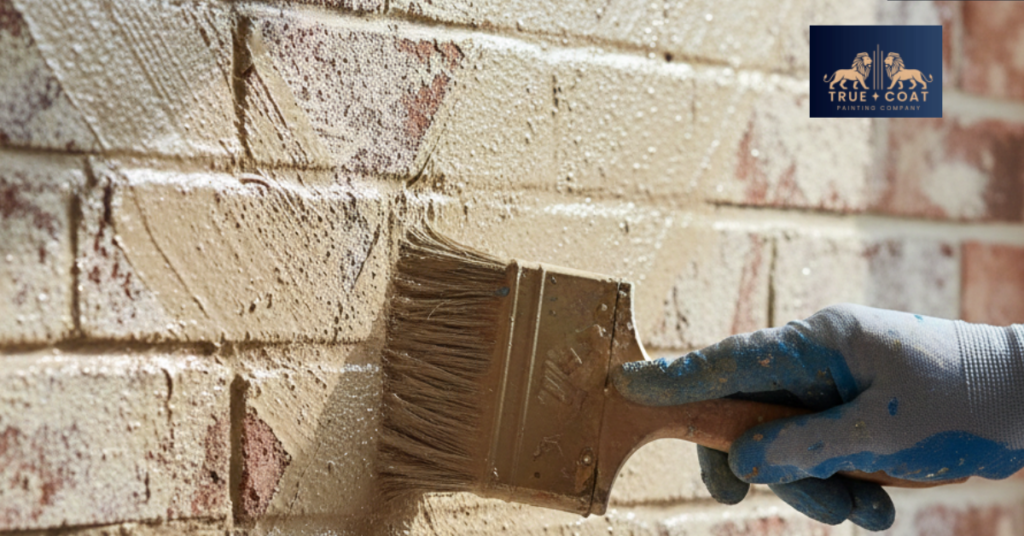
Limewash walls are a mineral-based finish applied in thin, watery coats that soak into the surface and create a naturally layered, textured appearance that standard paint cannot replicate. They are breathable, mould resistant, and free of VOCs, making them one of the healthiest finishing options for Canadian homes. The application involves two to three coats using a wide brush in crisscross strokes, and while moderately challenging, professional results are achievable with the right technique. The finish fades and patinas naturally over time, which adds character rather than taking away from it. Interior limewash walls can last seven to ten years, while exterior applications typically hold up for five to seven years depending on exposure. The main trade-offs include limited compatibility with non-porous surfaces and the need for skilled brushwork to get an even, consistent look. What Do Limewash Walls Do? Limewash walls do far more than just change a room’s colour. The finish is applied in thin, watery coats that soak into the surface rather than sitting on top of it. This creates a look that shifts subtly depending on the light, giving the finish its signature depth and movement. They Create a Natural, Breathable Surface Unlike synthetic paints, limewash walls allow moisture to pass through rather than trapping it. This is especially valuable in older Winnipeg homes where surfaces need to breathe to prevent moisture buildup and cracking. The mineral composition of lime also makes it naturally mould and mildew resistant, a practical bonus for kitchens and bathrooms. They Add Visual Texture Without Full Renovation This finish produces a layered, slightly aged look that mimics old European plaster. You get the character of a textured surface without the cost or mess of replastering. Many homeowners choose this finish specifically because it adds depth and a curated feel to an otherwise plain room. They Are Eco-Friendly Limewash paint is made from natural limestone burned and slaked with water. It contains no volatile organic compounds (VOCs), making it one of the healthiest finishing options for families in Canada who are mindful of indoor air quality. What Are the Disadvantages of Limewash Walls? No finish is perfect, and this one comes with a few trade-offs worth knowing before you commit. Moisture sensitivity during application. The lime mixture needs to be applied in the right conditions. If the surface is too dry or the weather too hot, it can dry too fast and lose its characteristic depth. In Winnipeg’s climate, timing matters, particularly during warmer summer months. Not ideal for every surface. This finish adheres best to porous materials like brick, natural plaster, concrete, or drywall with a flat coat. On glossy or sealed surfaces, the lime does not bond well, which can lead to peeling or uneven colour. Colour fading over time. One well-known characteristic of limewash walls is that they fade and patina naturally. While many homeowners love this quality, those who prefer a uniform, consistent colour may find the gradual change frustrating. Requires professional skill for best results. The layering technique that gives this finish its depth takes practice. Brushwork, dilution ratios, and layering sequence all affect the final outcome, and DIY attempts sometimes produce an uneven or patchy look. Advantage Disadvantage Breathable, moisture-regulating surface Not suitable for all wall types Natural, eco-friendly composition Fades and patinas over time Unique layered texture and depth Requires careful application technique Mould and mildew resistant Can be tricky in extreme weather Low VOC, safer for indoor air quality May need periodic touch-ups For homeowners who want this finish done right the first time, working with a professional makes a real difference. True Coat offers limewash painting services in Winnipeg with expert application and a three-year craftsmanship warranty. How Do You Apply Limewash Walls? Applying limewash walls involves a process quite different from rolling standard paint. The technique relies on layering, timing, and water control to build up the signature finish. Surface Preparation Start with a clean, porous surface. Remove dust, grease, or flaking paint before you begin. For drywall, use a flat or matte primer to ensure proper absorption. On brick or natural stone, you can sometimes apply directly after a thorough clean, but always test a small section first. Mixing and Application Limewash comes as a thick paste that needs to be diluted with water. The ratio affects how opaque or transparent each layer appears. For a classic, aged result, use a thinner mix on the first coat and a slightly thicker one on the second or third. Apply using a wide masonry brush or specialty limewash brush in loose, crisscross strokes rather than even, rolling lines. This irregular brushwork is what creates the natural, textured appearance. Work in sections and maintain a wet edge to avoid lap marks. Layering for Depth One coat alone rarely achieves the full effect. Most professional applications involve two to three coats, with each layer fully dried before the next is added. Between coats, lightly misting the surface with water can help with adhesion and slow drying in low-humidity conditions. Sealing Limewash walls are often left unsealed, which preserves their breathable properties. However, in high-moisture areas like bathrooms, a breathable mineral sealer can provide added protection without compromising the organic look and feel. Is Limewash Paint Difficult to Apply? This is one of the most common questions homeowners ask before starting a project. Honestly, the application is moderately challenging, not impossible, but definitely more involved than rolling conventional paint. The difficulty comes mostly from maintaining consistent texture across a large surface. If you have experience with decorative painting or faux finishes, the learning curve will feel smaller. If this is your first time, starting on a smaller or less visible wall is a smart approach before tackling a main living area. Many Winnipeg homeowners hire professionals not because they could not do it themselves, but because the results are noticeably better with experienced hands. The team at True Coat has extensive expertise with specialty finishes. You can learn more about the team and their approach
How Do You Find the Right Residential Painting Near Me for Your Winnipeg Home?
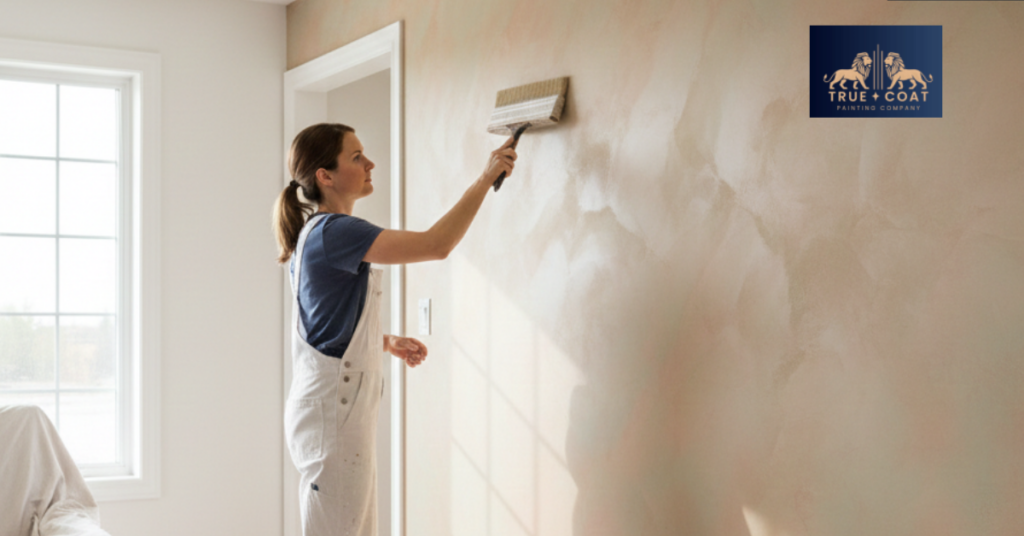
When searching for residential painting near me in Winnipeg, homeowners want one thing: a team that shows up, does the job right, and leaves no mess behind. True Coat is a licensed and fully insured Winnipeg painting company offering interior and exterior painting, limewash, deck staining, skim coating, and drywall repair — all backed by a 3-year craftsmanship warranty. From choosing the right paint sheen to knowing when to hire a pro versus doing it yourself, this article walks you through everything that matters when booking residential painting near me including what questions to ask, what red flags to avoid, why professional results beat DIY every time, and which services give you the best long-term value for your home. What Does Residential Painting Near Me Actually Cover? A lot of homeowners type residential painting near me into a search bar expecting a simple answer. But the scope of work can vary quite a bit depending on your home, your goals, and the condition of your walls. At True Coat, residential painting near me covers far more than just rolling on a coat of colour. Interior Painting Services Every room tells a story, and the right colour makes it worth reading. Interior painting covers everything from bedrooms and living areas to kitchens, hallways, and trim work. Surface prep — filling holes, sanding, priming- is what separates a lasting finish from one that peels within a year. If you want to learn more about what professional interior painters do differently, True Coat breaks it down step by step. Exterior Painting Services Winnipeg winters are hard on exterior surfaces. Cracked caulking, chipped paint, and faded siding are all signs your home needs attention before the next cold season. Exterior painting protects your home from moisture, UV damage, and temperature swings. Done right, it adds years of protection and serious curb appeal. Thinking about your home’s exterior? Check out what the best approach to exterior painting for house projects looks like for practical guidance. Specialty Finishes and Repairs Beyond standard paint, True Coat offers limewash painting for a textured vintage look, deck staining, skim coating for flawless walls, and full drywall and plaster repair. These specialty services are often what separates a good renovation from a great one. Why Hire a Professional for Residential Painting Near Me? Searching for residential painting near me and wondering if you should just do it yourself? Here is the honest answer: for small accent walls, DIY can work. But for whole-room refreshes, exterior work, or anything involving prep and repairs, professional painting saves time, money, and frustration. Factor DIY Painting Professional Painting Near Me Surface Prep Often skipped or rushed Thorough sanding, filling, priming Paint Quality Budget store options Premium, weather-resistant products Time Required Weekends over several weeks Completed efficiently on schedule Finish Quality Visible streaks and roller marks Smooth, even, professional result Warranty None 3-Year Craftsmanship Warranty Cleanup Left to homeowner Full cleanup included The difference is clear. When you hire residential painting near me through True Coat, you get licensed professionals, premium materials, and the peace of mind that comes from a warranty you can actually use. How to Choose the Best Residential Painting Near Me in Winnipeg Not every company offering residential painting near me delivers the same results. Here is what to look for before you book anyone. Check licensing and insurance. This is non-negotiable. A licensed and insured company protects your property if something goes wrong during the project. True Coat is fully licensed and insured — that is part of the standard, not an upgrade. Ask about surface preparation. The prep work is what makes a paint job last. Any residential painting near me worth hiring will sand, fill, prime, and protect your furniture and flooring before a single drop of paint touches your walls. Request a detailed quote. A reputable company gives you a written, itemized estimate so you know exactly what you are paying for. To get yours, contact True Coat for a free quote with no obligation. Look at past work. Real photos from real projects tell you more than any marketing claim. You can browse True Coat’s completed projects to see the quality of finish you can expect. Ask about warranties. True Coat backs all completed work with a 3-Year Craftsmanship Warranty. If something is not right, it gets fixed — full stop. Which Residential Painting Service Gives You the Best Value? When homeowners search for residential painting near me, they often wonder which service gives them the most return on investment. The answer depends on your situation, but here is a helpful breakdown. Service Best For Impact on Home Value Interior Painting Refreshing worn or dated rooms High — instant visual improvement Exterior Painting Curb appeal, weather protection Very High — first impression matters Limewash Painting Unique textured, modern aesthetic High — adds character and style Deck Staining Protecting outdoor wood surfaces Medium-High — extends lifespan Skim Coat and Drywall Repair Fixing damaged or uneven walls High — required before painting For most Winnipeg homeowners, residential painting near me that includes both interior refresh and exterior protection delivers the strongest combination of comfort, curb appeal, and long-term durability. If you are not sure which service to prioritize, explore all True Coat services for a complete overview. Things To Know Before Booking Residential Painting Near Me Before you commit to any residential painting near me project, there are a few practical things that can make the whole experience smoother. • Timing matters. Spring and early fall are the best seasons for exterior painting in Winnipeg due to stable temperatures. • Colour choice affects mood and resale. Neutral tones tend to appeal to the widest range of buyers, while bold accents work well in accent walls and smaller spaces. True Coat offers expert colour consultation to help you choose. • Prep takes time. A professional crew may spend as much time on preparation as on the actual painting. Do not mistake a fast quote for
How to Choose the Best Winnipeg House Painters
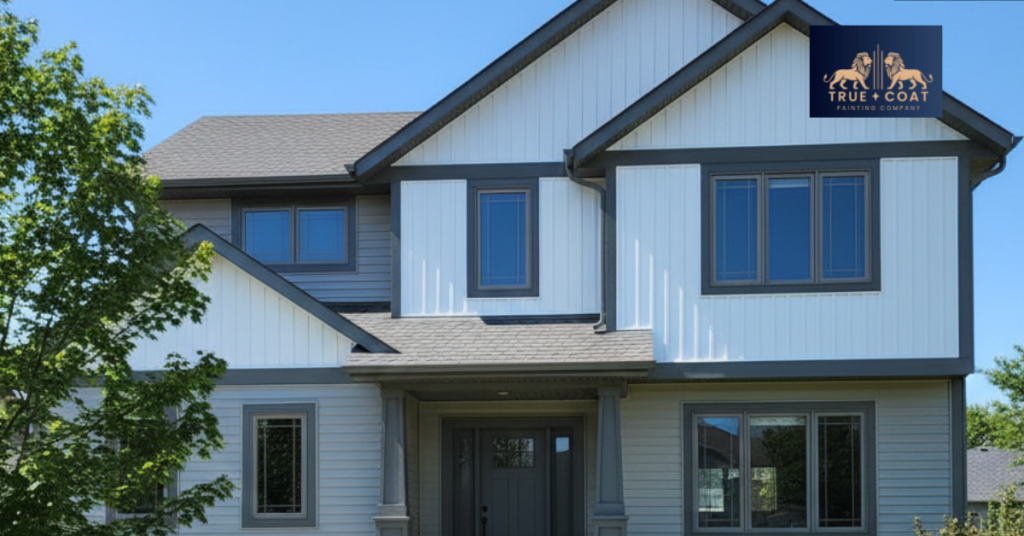
Winnipeg house painters who are licensed, experienced, and well-reviewed will give your home a long-lasting, professional finish at a fair price. The best way to choose one is by checking credentials, reading reviews, getting multiple quotes, and confirming they carry proper insurance. This post covers everything from why hiring professional Winnipeg house painters matters, what qualities separate good painters from bad ones, how to prepare your home before the crew arrives, and the red flags you should watch for. You will also find practical tips on payment schedules, a comparison of hiring professionals versus doing it yourself, and things every homeowner in Winnipeg should know before signing a contract. If you are planning an interior refresh or a full exterior repaint, the right Winnipeg house painters can save you time, money, and stress. Why Hiring Professional Winnipeg House Painters Is Worth It Painting a house looks simple from the outside. Pick a colour, grab a roller, and get to work, right? In reality, a quality paint job involves surface preparation, priming, caulking, taping, and applying multiple coats with the right products for Winnipeg’s harsh climate. Professional Winnipeg house painters bring the tools, training, and product knowledge that most homeowners simply do not have. A professional crew can finish a project in a fraction of the time it would take you on your own. They also know which paints hold up best against Manitoba’s freeze-thaw cycles, UV exposure, and high humidity summers. When you factor in the cost of supplies, equipment rentals, time off work, and the risk of costly mistakes, hiring Winnipeg house painters often makes more financial sense than a DIY approach. Beyond the practical side, professionals deliver a cleaner finish. Brush marks, roller lines, drips, and uneven coverage are common DIY problems that experienced painters avoid almost automatically. If you want a result that looks sharp and lasts for years, working with skilled interior house painters is the smarter choice. How to Choose the Right Winnipeg House Painters Not all painting companies operate at the same level. The difference between a great experience and a frustrating one often comes down to a few key factors. Here is what to look for when you are comparing Winnipeg house painters in your area. Check for Licensing and Insurance Any reputable painting company in Manitoba should carry both liability insurance and workers’ compensation coverage. Licensing proves they meet local business standards, and insurance protects you from being held financially responsible if a worker gets injured on your property. Always ask for proof before signing anything. Read Reviews and Ask for References Online reviews give you a snapshot of a company’s track record. Look for patterns rather than individual complaints. If multiple reviews mention the same issue, such as poor communication or messy cleanup, take that seriously. Ask the company for references from recent jobs similar to yours and actually follow up with those homeowners. Get at Least Three Written Quotes A written estimate should break down the cost of labour, materials, preparation work, and any extras. Comparing quotes side by side helps you spot anything that seems too low (which usually means corners will be cut) or too high without justification. Reliable Winnipeg house painters are transparent about pricing and happy to explain their numbers. Ask About Their Process Good painters do not skip preparation. Ask how they plan to prep your surfaces, what type of primer they use, how many coats of paint they will apply, and what brands they prefer. The answer should be detailed. Vague responses are a warning sign. Professional Painters vs. DIY: Which Option Is Best? Many homeowners in Winnipeg weigh the option of painting their home themselves against hiring Winnipeg house painters. Both have pros and cons, but the right choice depends on your budget, timeline, and comfort level with the work involved. Factor Professional Winnipeg House Painters DIY Painting Time to complete Days (depending on scope) Weeks or longer Surface preparation Thorough, includes repairs Often skipped or rushed Finish quality Smooth, even, professional Varies widely by skill Equipment needed Provided by the crew Must buy or rent Weather knowledge Experienced with local climate Often overlooked Warranty Typically included None For small touch-up jobs, DIY can work fine. But for full rooms, exteriors, or any project where the finish matters, professional Winnipeg house painters deliver a noticeably better result. If your home needs exterior painting or a complete interior overhaul, the investment in a professional crew pays off. What Qualities Make Winnipeg House Painters Stand Out? The best Winnipeg house painters share a few traits that set them apart from the rest. Knowing what to look for helps you narrow down your shortlist quickly. Attention to Detail Quality painters tape edges carefully, fill cracks and nail holes before painting, and take time to cut in around trim and ceilings. These small steps are what separate a professional finish from an amateur one. Clear Communication From the initial quote to the final walkthrough, the best Winnipeg house painters keep you informed. They return calls promptly, explain what to expect at each stage, and address concerns without getting defensive. Winnipeg House Painters: Proper Cleanup A crew that leaves your home cleaner than they found it shows respect for your property. Drop cloths, tape removal, furniture replacement, and final touch-ups should all be part of the service. Strong Local Reputation Winnipeg house painters who have been serving the community for years tend to have a proven track record. Check if they are involved in local projects and if their past work reflects consistent quality across different types of homes. Things to Know Before Hiring Winnipeg House Painters Before you pick up the phone or fill out a quote request form, keep these practical points in mind. They will help you make a more confident decision and avoid common mistakes. Winnipeg’s climate plays a huge role in when and how you should paint. Exterior painting works best between late May and early October when temperatures are consistently above