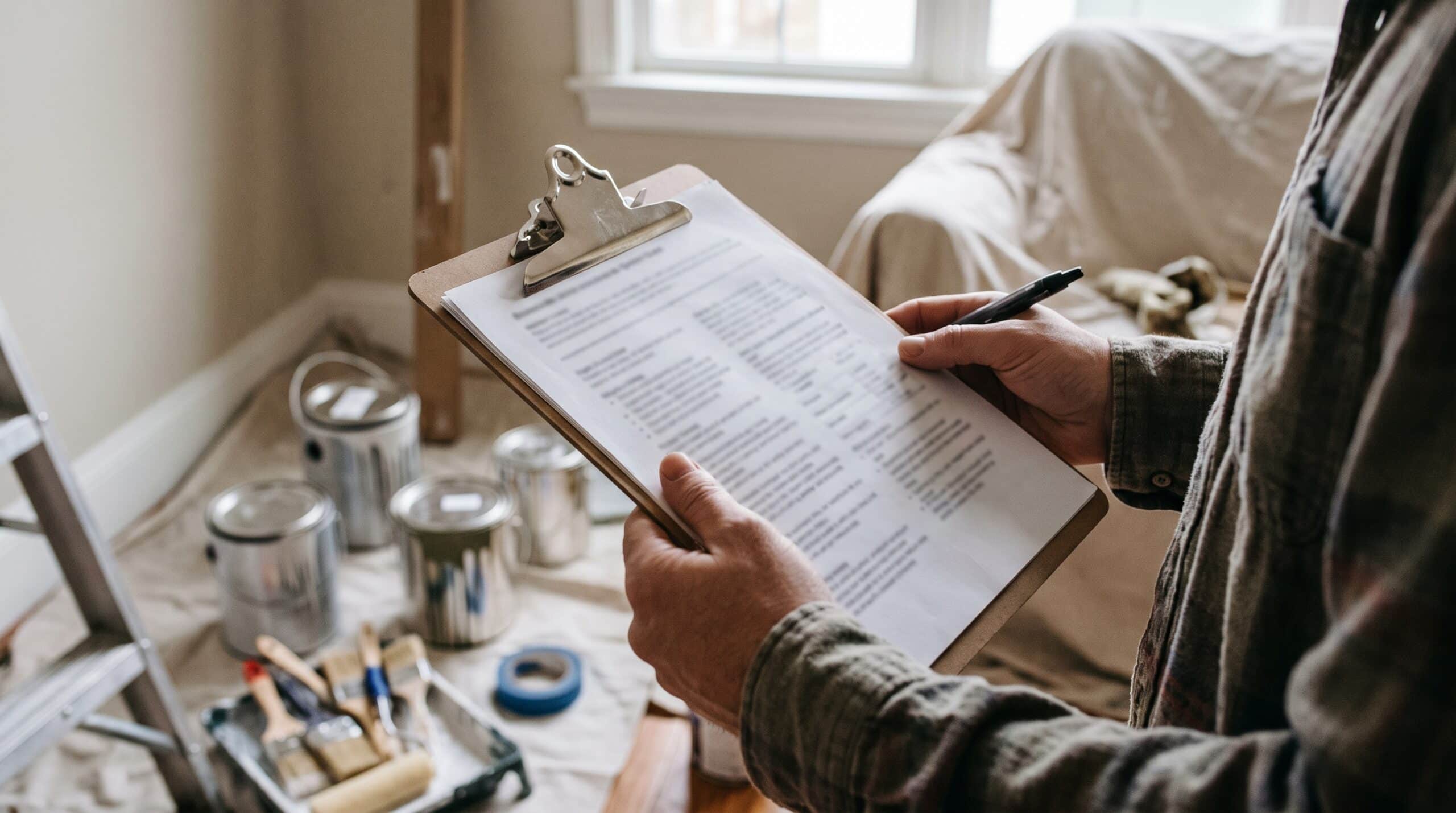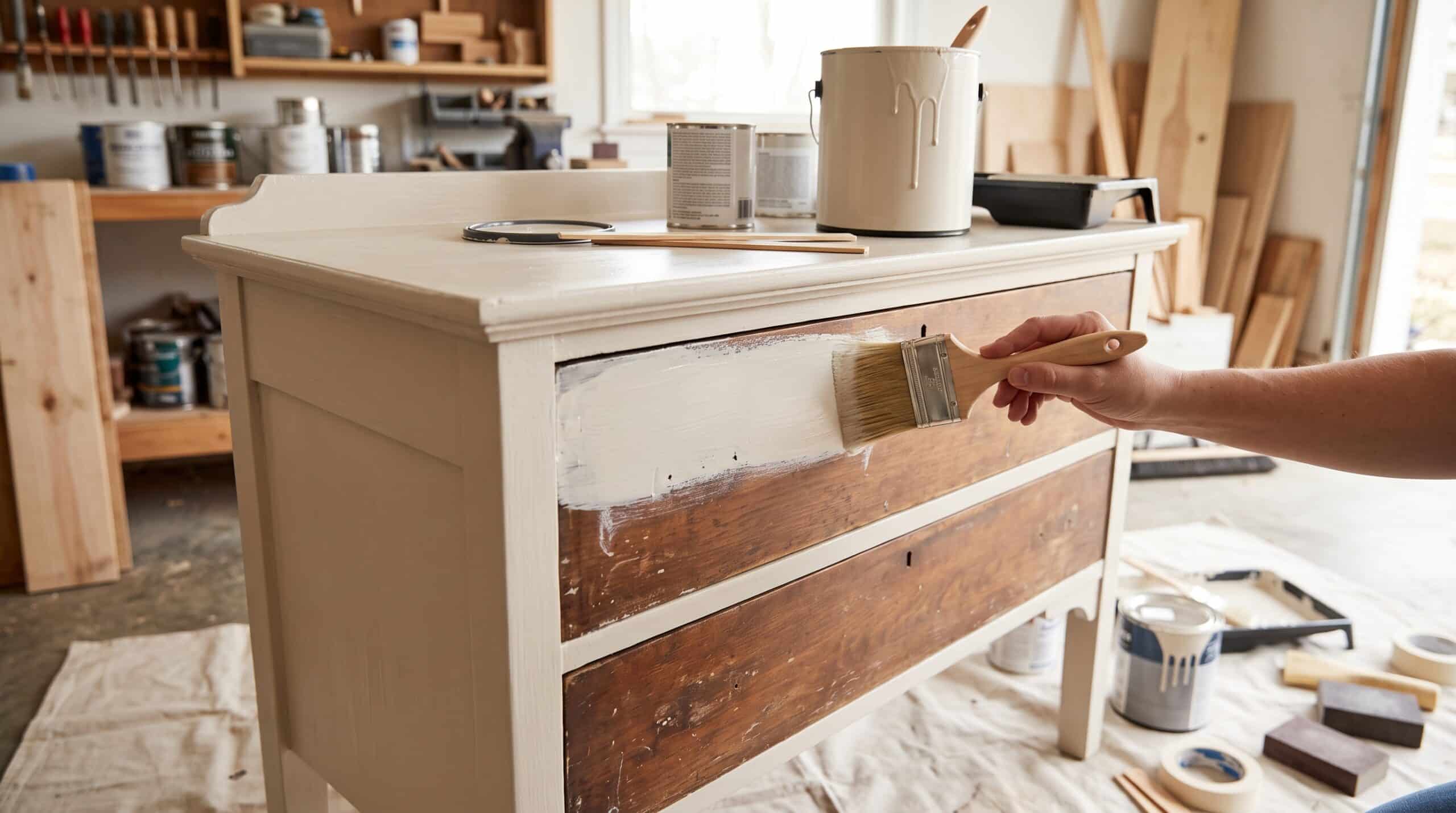
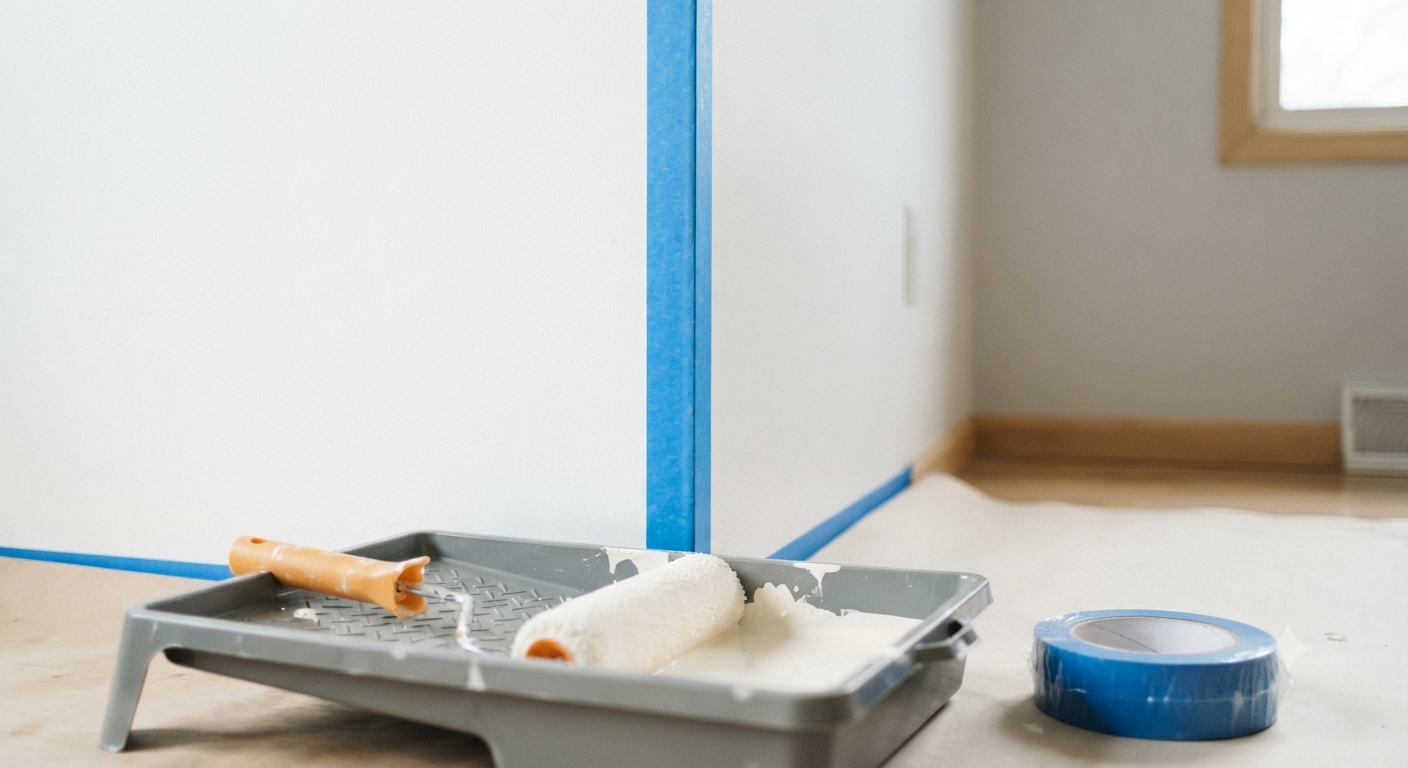
Painters tape is a low-tack adhesive tape designed to protect surfaces and create sharp, clean edges during a paint job.
It sticks well enough to hold in place but peels off cleanly without damaging walls, trim, or glass. Whether you are painting a single accent wall or refreshing every room in your home, painters tape is one of the most useful tools you can have on hand.
It comes in blue and green varieties, each suited for different surfaces and conditions. Knowing which type to use, how to apply it properly, and when it is worth skipping altogether can save you time, money, and frustration on any painting project.
What Is Painters Tape?
Painters tape is a specially made masking tape used during painting projects to protect surfaces you do not want painted. Unlike regular tape, it uses a gentler adhesive that bonds well to surfaces but releases cleanly when removed, leaving no sticky residue behind.
It is made from thin, slightly creped paper that allows it to bend around corners and curves without tearing. The edges form a tight seal against the surface so paint cannot bleed underneath, giving you a clean, defined line when you peel it away after the paint dries.
Most homeowners reach for painters tape when cutting in along baseboards, window frames, door casings, and ceiling lines. It is also useful for creating geometric patterns on walls, protecting light switch covers, and masking glass panes on doors.
What Is the Difference Between Painters Tape and Masking Tape?
A lot of people assume painters tape and masking tape are the same product. They are similar in appearance, but they behave very differently on surfaces.
Masking tape uses a stronger, more aggressive adhesive. It was originally designed for automotive and industrial use, where a firm bond is essential. On painted walls or finished wood, that strong adhesive can pull off paint or leave behind a sticky film that is hard to clean up.
Painters tape uses a much gentler adhesive specifically formulated for interior and exterior surfaces like drywall, trim, and glass. It can typically stay on a surface for several days without bonding too aggressively, while masking tape should be removed within hours to avoid residue.
| Feature | Painters Tape | Masking Tape |
|---|---|---|
| Adhesive Strength | Low to medium, clean release | Medium to high, may leave residue |
| Best Use | Painting walls, trim, glass | General bundling, non-paint tasks |
| Safe on Painted Walls | Yes | Not recommended |
| Leave Time | Up to 14 days (varies by type) | A few hours only |
| Edge Sharpness | Clean, defined line | Can bleed or tear unevenly |
If the goal is a sharp, clean paint line with no damage to the surface underneath, painters tape is always the right choice.
Which Painters Tape Is Better: Blue or Green?
Both blue and green painters tape are widely used, but they are built for different situations. Choosing the right one depends on the surface you are working on and the conditions of the project.
Blue Painters Tape
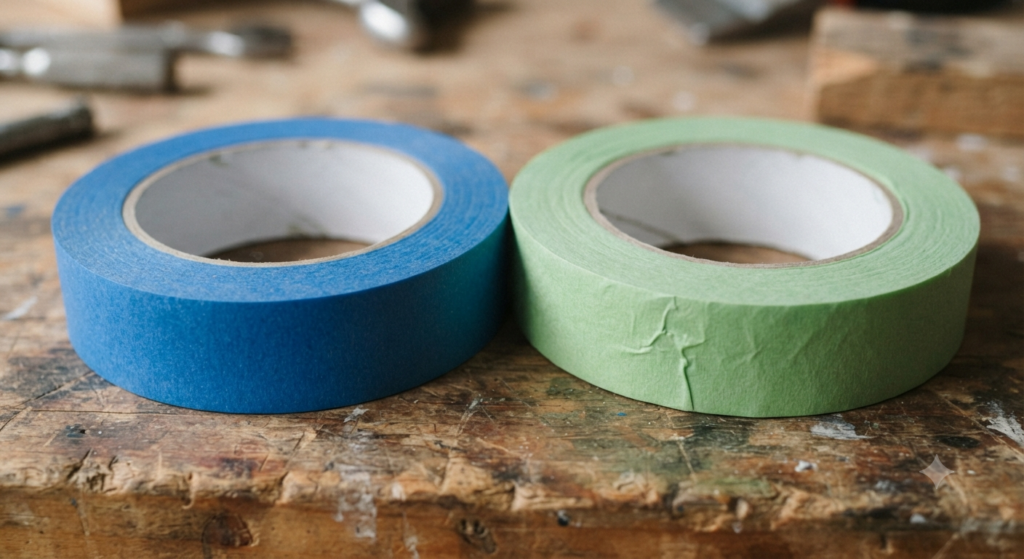
Blue painters tape is the most common option for interior projects. It has a medium-tack adhesive that works well on drywall, trim, baseboards, and ceilings. It is easy to tear by hand, flexible enough to follow curves, and safe for most painted surfaces.
It is ideal for short to medium projects, generally holding clean for up to 14 days when stored in a cool, dry space. For most living rooms, bedrooms, and hallways, blue tape gets the job done without any complications.
Green Painters Tape
Green painters tape has a stronger adhesive and is built for exterior projects or surfaces that are rough, uneven, or exposed to moisture. It seals tighter against textured surfaces and holds up better in humid conditions or when working with heavier paints.
It is the better pick for painting outside, on brick or stucco, or in bathrooms and kitchens where moisture is a factor. It also works well on surfaces that might lift blue tape prematurely, like rough lumber or concrete blocks.
| Tape Type | Best For | Surface Examples |
|---|---|---|
| Blue | Interior, smooth surfaces | Drywall, trim, baseboards, ceilings |
| Green | Exterior, rough or wet surfaces | Brick, stucco, siding, bathrooms |
How Do You Use Painters Tape the Right Way?
Getting the most out of painters tape comes down to how you apply it. Rushing through this step is one of the most common reasons paint bleeds under the edge.
Step 1: Clean the Surface First
Wipe down the surface with a damp cloth and let it dry completely. Dust, grease, or moisture will prevent the tape from bonding properly, which leads to bleed-through.
Step 2: Apply the Tape in Short Sections
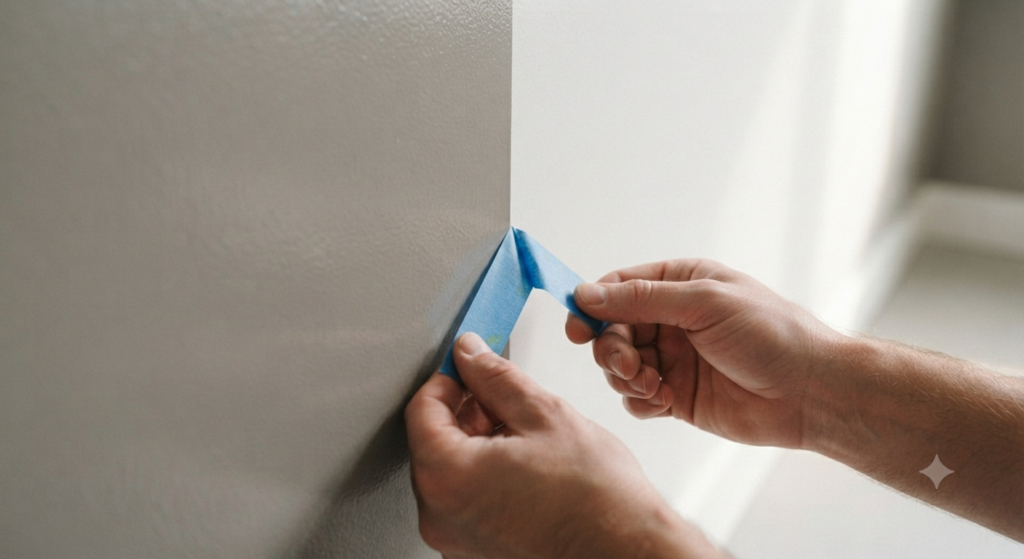
Tear or cut the painters tape into manageable lengths and press each piece down firmly along the edge you want to protect. Avoid stretching the tape as you apply it, since stretched tape tends to pull away from the surface as it relaxes.
Step 3: Seal the Edge
Run your fingernail or a flat tool like a putty knife along the inside edge of the tape. This presses the tape flush against the surface and closes any tiny gaps where paint could seep under.
Step 4: Paint Over the Edge
Apply paint in a direction that pushes paint away from the tape rather than into it. For example, brush from the tape toward the open wall. This keeps the tape sealed tight and reduces the chance of paint pooling under the edge.
Step 5: Remove While the Paint Is Still Slightly Wet
The ideal time to pull painters tape off is when the paint is still slightly tacky but not fully dry. Pull slowly at a 45-degree angle back over itself, not straight up. If the paint has already dried, score along the tape edge with a utility knife first to avoid lifting chips.
Things To Know About Painters Tape
- Never leave painters tape on longer than the package recommends. Heat and sunlight cause the adhesive to harden and bond too strongly to the surface.
- Apply tape only to surfaces that are fully dry and properly primed. Fresh or uncured paint can lift when the tape is removed.
- Use narrower widths of painters tape for tight spots like window glazing and wider widths when masking off larger areas like countertops or floors.
- If you notice paint bleeding under the tape, let it dry fully before attempting to scrape it off. Trying to wipe wet paint usually spreads it further.
- For curved surfaces like arched doorways, cut small slits along the edge of the painters tape so it bends smoothly without bunching or lifting.
- Store unused tape in a sealed bag away from direct sunlight to preserve the adhesive quality between projects.
Do You Really Need Painters Tape?
Painters tape is not always required, but it is one of the easiest ways to get a clean result without needing advanced technique. Experienced painters can cut in freehand with a steady brush and years of practice. For most homeowners, though, skipping the tape means spending more time correcting bleeding edges and touch-ups after the fact.
The time spent applying painters tape before you start is almost always shorter than the time spent fixing mistakes without it. For accent walls, two-tone rooms, geometric designs, or any job where the border between two colors needs to look precise, using tape is absolutely worth it.
That said, if you are painting a full wall the same color as the trim, or doing a simple refresh coat over the same existing color, you can often skip the painters tape and focus on a good quality brush with a steady hand instead.
Is Painters Tape Waterproof?
Standard painters tape is water resistant to a degree but not fully waterproof. It can handle light moisture and is designed to work with water-based latex paints without falling apart mid-job.
For outdoor projects or wet environments like bathrooms and kitchens, green painters tape offers better moisture resistance. It seals more tightly against damp surfaces and is less likely to lift or allow water-based paint to creep underneath.
If you are working with oil-based paints, check that the painters tape you choose is rated for that type of paint. Oil-based products can interact differently with the adhesive and may require a specialized tape for best results.
When to Call a Professional Painter in Winnipeg
Some painting projects go beyond what painters tape and a weekend can handle. If you are dealing with high ceilings, extensive surface preparation, or a full exterior repaint, working with a professional ensures the job is done correctly the first time. True Coat is a licensed and insured painting company based in Winnipeg that handles both residential and commercial projects with a three-year craftsmanship warranty. For a free estimate, visit our painting services page or check out our completed work on the our projects page. You can also explore financing options to make your painting project more manageable.
If you are curious about related painting topics, our blog covers everything from how to choose the best house exterior painters for your home, to what makes the best interior painting companies stand out, to why residential painting in Winnipeg is essential for your home.
Getting the Most Out of Painters Tape
Painters tape is a small investment that makes a noticeable difference in the quality of your finished walls. Using the right type for the right surface, applying it cleanly, sealing the edges firmly, and removing it at the right time are the four habits that separate a sharp paint job from one full of touch-ups.
Whether you choose blue painters tape for an interior refresh or green tape for an exterior project, the fundamentals stay the same: prep the surface, seal the edge, paint away from the tape, and peel it back slowly. With those steps in place, you will get the clean lines that make a paint job look truly finished.
Frequently Asked Questions
What is the difference between painters tape and masking tape?
Painters tape uses a gentler adhesive that peels off cleanly without damaging surfaces, while masking tape has a stronger bond that can leave residue or pull paint off walls. For any job where protecting a finished surface matters, painters tape is the correct choice. Masking tape is better suited for bundling or non-paint tasks where residue is not a concern.
What is painters tape used for?
Painters tape is used to protect surfaces and create clean edges during painting projects. Common uses include masking baseboards, window frames, ceiling lines, door casings, and glass. It is also useful for creating two-tone wall designs or protecting floors and countertops near painting work.
Which painters tape is better, blue or green?
Blue painters tape is better for smooth interior surfaces, while green is better for rough, exterior, or moisture-prone surfaces. For most indoor rooms, blue tape is sufficient. Switch to green tape when working outside, on textured walls, or in high-humidity areas like bathrooms and kitchens.
Is painters tape waterproof?
Standard painters tape is water resistant but not fully waterproof. It holds up against light moisture and latex paints, but for outdoor use or wet environments, green painters tape offers better moisture resistance and a tighter seal against damp surfaces.
Do I really need painters tape?
For most homeowners, painters tape is worth using because it prevents bleed-through and reduces touch-up time. Professional painters with years of experience can sometimes cut in freehand, but for clean borders between two colors or along trim and molding, applying tape before you start is almost always faster than fixing mistakes afterward.