
What Is Painters Tape and How Do You Use It the Right Way?
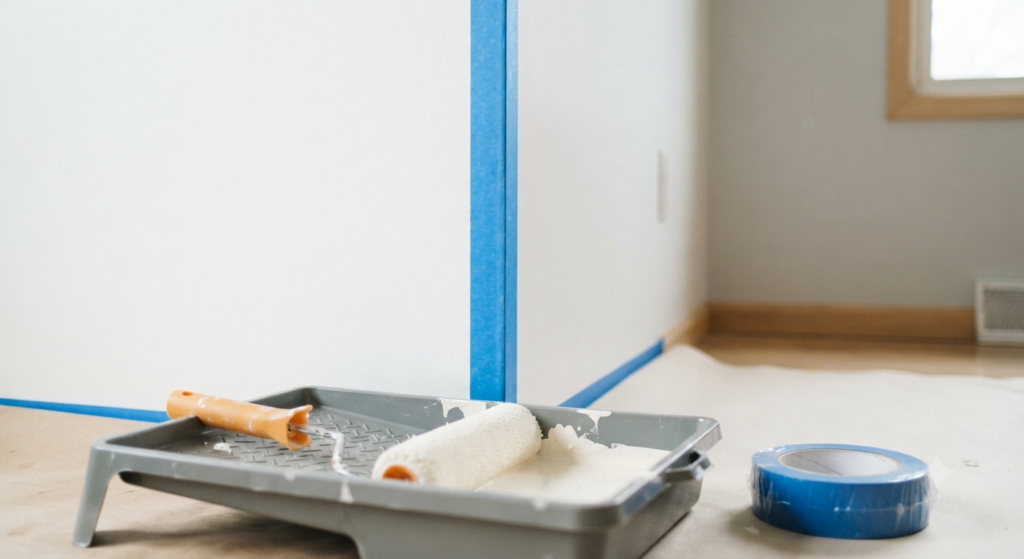
Painters tape is a low-tack adhesive tape designed to protect surfaces and create sharp, clean edges during a paint job. It sticks well enough to hold in place but peels off cleanly without damaging walls, trim, or glass. Whether you are painting a single accent wall or refreshing every room in your home, painters tape is one of the most useful tools you can have on hand. It comes in blue and green varieties, each suited for different surfaces and conditions. Knowing which type to use, how to apply it properly, and when it is worth skipping altogether can save you time, money, and frustration on any painting project. What Is Painters Tape? Painters tape is a specially made masking tape used during painting projects to protect surfaces you do not want painted. Unlike regular tape, it uses a gentler adhesive that bonds well to surfaces but releases cleanly when removed, leaving no sticky residue behind. It is made from thin, slightly creped paper that allows it to bend around corners and curves without tearing. The edges form a tight seal against the surface so paint cannot bleed underneath, giving you a clean, defined line when you peel it away after the paint dries. Most homeowners reach for painters tape when cutting in along baseboards, window frames, door casings, and ceiling lines. It is also useful for creating geometric patterns on walls, protecting light switch covers, and masking glass panes on doors. What Is the Difference Between Painters Tape and Masking Tape? A lot of people assume painters tape and masking tape are the same product. They are similar in appearance, but they behave very differently on surfaces. Masking tape uses a stronger, more aggressive adhesive. It was originally designed for automotive and industrial use, where a firm bond is essential. On painted walls or finished wood, that strong adhesive can pull off paint or leave behind a sticky film that is hard to clean up. Painters tape uses a much gentler adhesive specifically formulated for interior and exterior surfaces like drywall, trim, and glass. It can typically stay on a surface for several days without bonding too aggressively, while masking tape should be removed within hours to avoid residue. Feature Painters Tape Masking Tape Adhesive Strength Low to medium, clean release Medium to high, may leave residue Best Use Painting walls, trim, glass General bundling, non-paint tasks Safe on Painted Walls Yes Not recommended Leave Time Up to 14 days (varies by type) A few hours only Edge Sharpness Clean, defined line Can bleed or tear unevenly If the goal is a sharp, clean paint line with no damage to the surface underneath, painters tape is always the right choice. Which Painters Tape Is Better: Blue or Green? Both blue and green painters tape are widely used, but they are built for different situations. Choosing the right one depends on the surface you are working on and the conditions of the project. Blue Painters Tape Blue painters tape is the most common option for interior projects. It has a medium-tack adhesive that works well on drywall, trim, baseboards, and ceilings. It is easy to tear by hand, flexible enough to follow curves, and safe for most painted surfaces. It is ideal for short to medium projects, generally holding clean for up to 14 days when stored in a cool, dry space. For most living rooms, bedrooms, and hallways, blue tape gets the job done without any complications. Green Painters Tape Green painters tape has a stronger adhesive and is built for exterior projects or surfaces that are rough, uneven, or exposed to moisture. It seals tighter against textured surfaces and holds up better in humid conditions or when working with heavier paints. It is the better pick for painting outside, on brick or stucco, or in bathrooms and kitchens where moisture is a factor. It also works well on surfaces that might lift blue tape prematurely, like rough lumber or concrete blocks. Tape Type Best For Surface Examples Blue Interior, smooth surfaces Drywall, trim, baseboards, ceilings Green Exterior, rough or wet surfaces Brick, stucco, siding, bathrooms How Do You Use Painters Tape the Right Way? Getting the most out of painters tape comes down to how you apply it. Rushing through this step is one of the most common reasons paint bleeds under the edge. Step 1: Clean the Surface First Wipe down the surface with a damp cloth and let it dry completely. Dust, grease, or moisture will prevent the tape from bonding properly, which leads to bleed-through. Step 2: Apply the Tape in Short Sections Tear or cut the painters tape into manageable lengths and press each piece down firmly along the edge you want to protect. Avoid stretching the tape as you apply it, since stretched tape tends to pull away from the surface as it relaxes. Step 3: Seal the Edge Run your fingernail or a flat tool like a putty knife along the inside edge of the tape. This presses the tape flush against the surface and closes any tiny gaps where paint could seep under. Step 4: Paint Over the Edge Apply paint in a direction that pushes paint away from the tape rather than into it. For example, brush from the tape toward the open wall. This keeps the tape sealed tight and reduces the chance of paint pooling under the edge. Step 5: Remove While the Paint Is Still Slightly Wet The ideal time to pull painters tape off is when the paint is still slightly tacky but not fully dry. Pull slowly at a 45-degree angle back over itself, not straight up. If the paint has already dried, score along the tape edge with a utility knife first to avoid lifting chips. Things To Know About Painters Tape Do You Really Need Painters Tape? Painters tape is not always required, but it is one of the easiest ways to get a clean result without needing advanced technique. Experienced painters