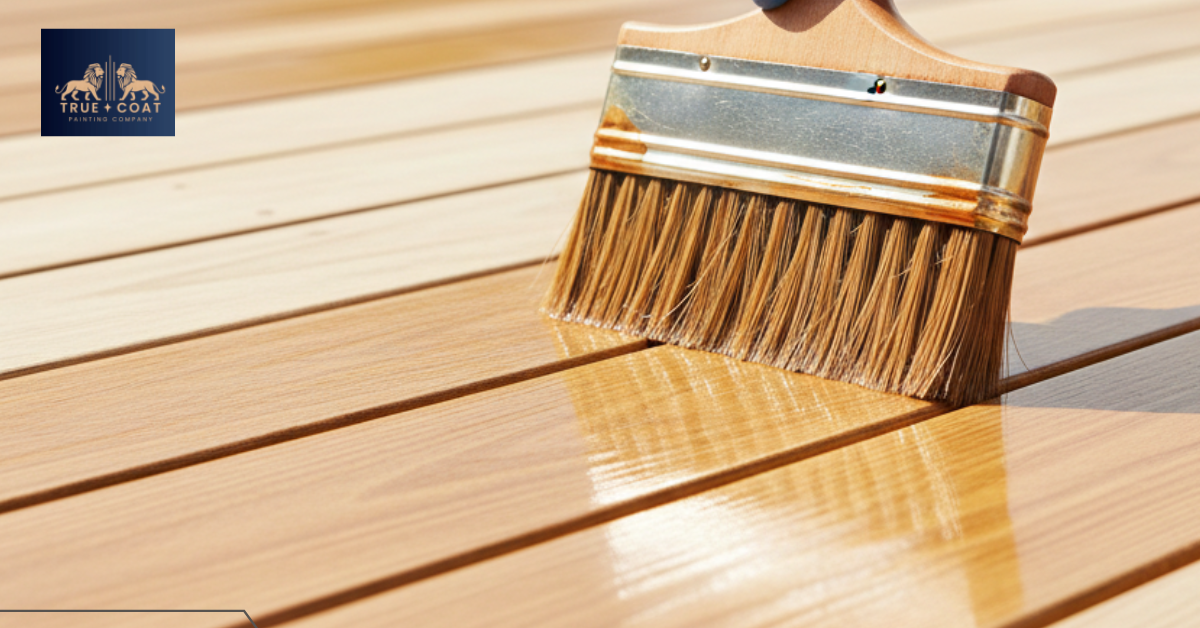
Deck staining painting typically lasts between 2 to 5 years depending on wood type, climate conditions, and product quality. Your outdoor space faces constant exposure to sun, rain, snow, and temperature changes that gradually break down protective coatings.
Transparent stains need renewal every 1 to 2 years, while solid stains and paints last 3 to 7 years. Understanding the differences between paint and stain, mastering proper application techniques, maintaining your deck regularly, and avoiding common mistakes all contribute to maximizing the lifespan of your deck staining painting.
Winnipeg’s harsh winters and intense summers create unique challenges for deck finishes that require careful product selection and professional-grade application methods.
Understanding Deck Staining Painting
Deck staining painting refers to applying protective coatings to wooden surfaces to preserve wood and enhance appearance. These treatments create barriers against moisture, UV rays, mold, and wear.
Winnipeg’s climate makes this protection particularly important. Extreme temperature swings cause wood to expand and contract, leading to cracking without proper treatment.
Types of Finishes for Your Deck
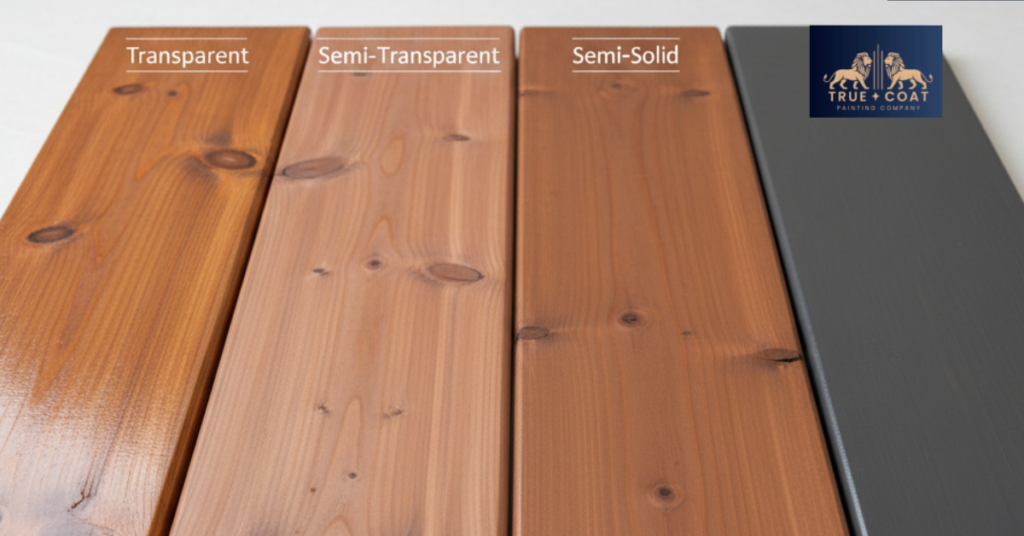
Transparent Stains showcase natural wood grain while providing minimal protection. They require reapplication every 1 to 2 years.
Semi-Transparent Stains balance protection with grain visibility, lasting 2 to 3 years between applications.
Solid Stains mask most grain while showing texture, providing better UV protection for 3 to 4 years.
Deck Paint offers complete opaque coverage and longest protection, lasting 5 to 7 years with proper care.
Product Types: Oil vs. Water-Based
Oil-based products penetrate deeply, resist water excellently, and handle temperature changes well. They dry slowly (24 to 48 hours) and need mineral spirits for cleanup.
Water-based options dry quickly (2 to 4 hours), clean with soap and water, and resist mildew better. Modern formulas now match oil-based durability.
Is It Better to Paint or Stain a Deck? Deck Staining Painting Pros & Cons
Choosing between painting and staining for your deck staining painting project depends on your priorities, wood condition, and maintenance preferences. Both protect differently with distinct advantages.
Staining works better for newer decks in good condition because it penetrates wood while allowing breathing. This prevents moisture from getting trapped inside, reducing rot and mildew. Stain highlights natural wood beauty.
Paint creates thicker protective barriers ideal for older decks with imperfections. Paint provides superior UV protection and unlimited color options but requires more preparation.
When Staining Works Best in Deck Staining Painting Projects
Choose staining when you value natural wood appearance and want lower maintenance. Stain products showcase grain and texture while providing adequate protection for cedar, redwood, and pressure-treated pine.
Staining allows easier refreshing with less labor. Reapplying doesn’t require extensive scraping because stain doesn’t form peeling film layers.
For horizontal surfaces experiencing constant weather, stain proves more practical. Water evaporates through stained surfaces while sitting longer on painted surfaces.
When Painting Is Better
Paint becomes preferred when you need maximum protection. Paint works well for older decks with visible wear, discoloration, or previous failed stain.
Paint works well on railings and vertical surfaces avoiding standing water. It matches your home’s exterior precisely with unlimited color possibilities.
| Factor | Stain | Paint |
| Durability | 2-4 years | 5-7 years |
| Prep Work | Moderate | Extensive |
| Appearance | Natural grain visible | Solid color |
| Maintenance | Easier reapplication | More labor |
| Best For | Newer decks | Older decks |
Many Winnipeg homeowners find success with exterior painting approaches that complement their choices.
What’s the Best Way to Paint or Stain a Deck? Deck Staining Painting Secrets
Proper deck staining painting application technique determines whether your project lasts two years or seven. Cutting corners leads to premature failure and wasted money.
Essential Preparation Steps
Preparation delivers the most significant impact on longevity.
Clean Thoroughly
Remove all dirt, mildew, old coatings, and debris using deck cleaner or oxygen bleach solution. Power wash under 1200 PSI to avoid wood damage. Let the deck dry completely for 48 to 72 hours. Wood moisture must stay below 15% for proper adhesion.
Repair Damaged Areas
Replace cracked, split, or rotted boards. Tighten loose screws and hammer protruding nails. Fill small cracks with exterior wood filler and sand smooth.
Sand the Surface
Use 60-80 grit sandpaper to smooth rough areas and remove remaining old finish. Sand in the direction of wood grain for proper texture.
Professional residential painting services in Winnipeg complete these preparations efficiently.
Professional Application Methods for Deck Staining Painting
Brush Application
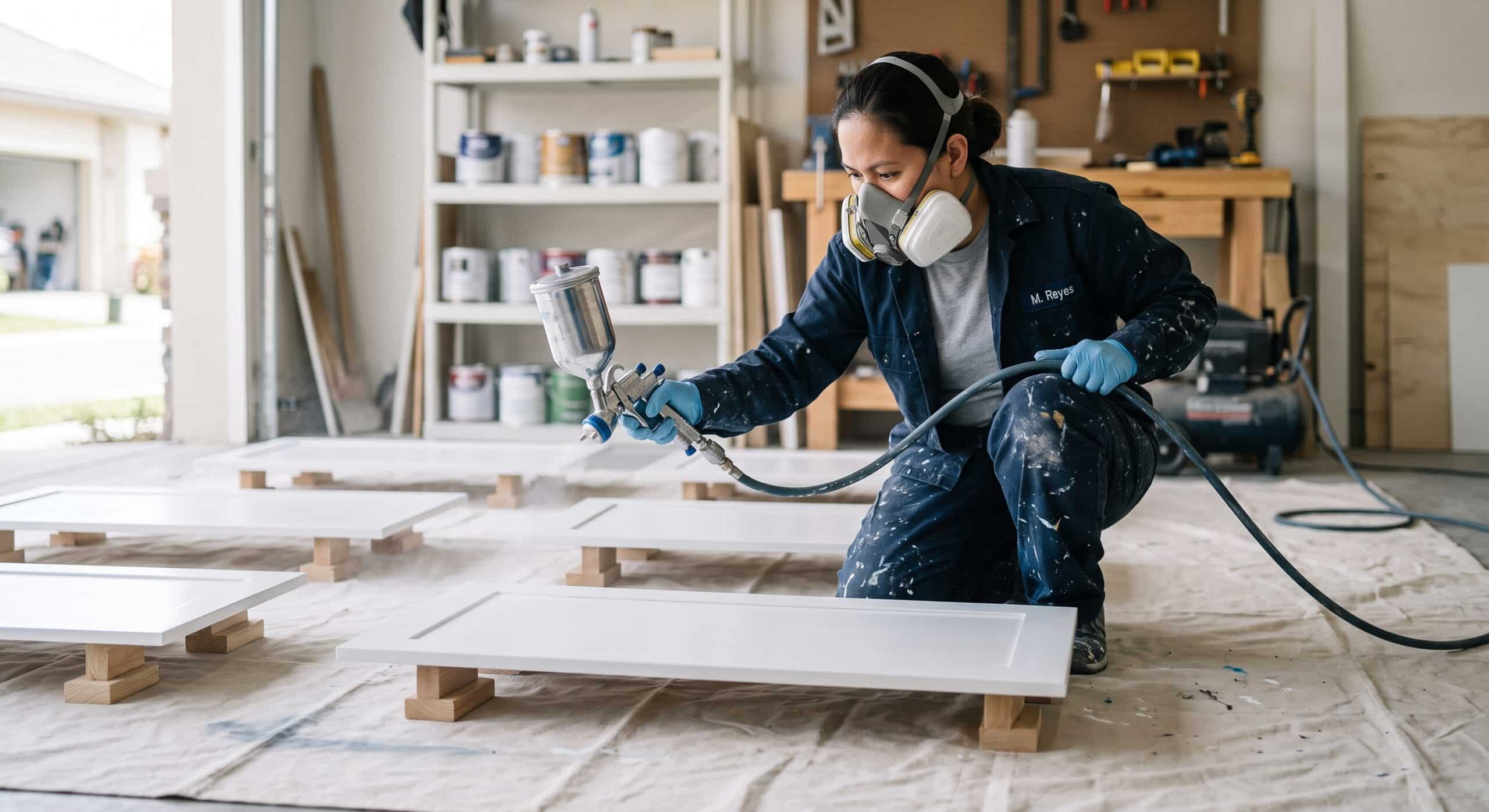
Brushing works best for getting stain into grain and covering vertical surfaces. Use a 4-inch brush for deck boards. Apply liberally and back-brush to work product into wood.
Roller Application
Rollers cover large flat areas quickly. Use 3/8-inch nap roller sleeves. Roll 3 to 4 boards at a time and immediately back-brush to eliminate roller marks.
Sprayer Application
Sprayers provide fastest coverage but require skill. Always back-brush or back-roll immediately after spraying to ensure proper penetration.
Pro Tips:
- Work in sections to maintain wet edges
- Apply multiple thin coats rather than one thick coat
- Start with railings and vertical surfaces, finish with deck boards
- Choose overcast days with temperatures between 50°F and 90°F
Consider professional deck staining services for complex projects.
How Long Does Deck Staining Painting Last?
The lifespan of deck staining painting depends on multiple factors working together. Product quality, wood type, climate exposure, application technique, and maintenance all influence durability.
In Winnipeg’s climate, expect these timeframes for professionally applied deck staining painting:
Transparent Stains: 1 to 2 years
Semi-Transparent Stains: 2 to 3 years
Solid Stains: 3 to 5 years
Deck Paint: 5 to 7 years
These estimates assume proper preparation, ideal weather application, and regular cleaning. South or west-facing decks need refinishing sooner.
Understanding Durability: Essential Factors in Deck Staining Painting
Wood Type
Softwoods like pine absorb stain easily but wear faster. Harder woods resist wear better. Cedar and redwood contain natural oils that help preserve wood and extend your deck staining painting finish life.
Climate Conditions
Winnipeg’s freeze-thaw cycles stress coatings. Heavy snow traps moisture against wood. Intense summer sun breaks down protective pigments through UV exposure, shortening deck staining painting lifespan.
Traffic Patterns
High-traffic areas near doors or grills wear faster than less-used sections. These zones may need annual touch-ups.
Maintenance Frequency
Regular cleaning extends coating life by 30 to 50 percent compared to neglected decks.
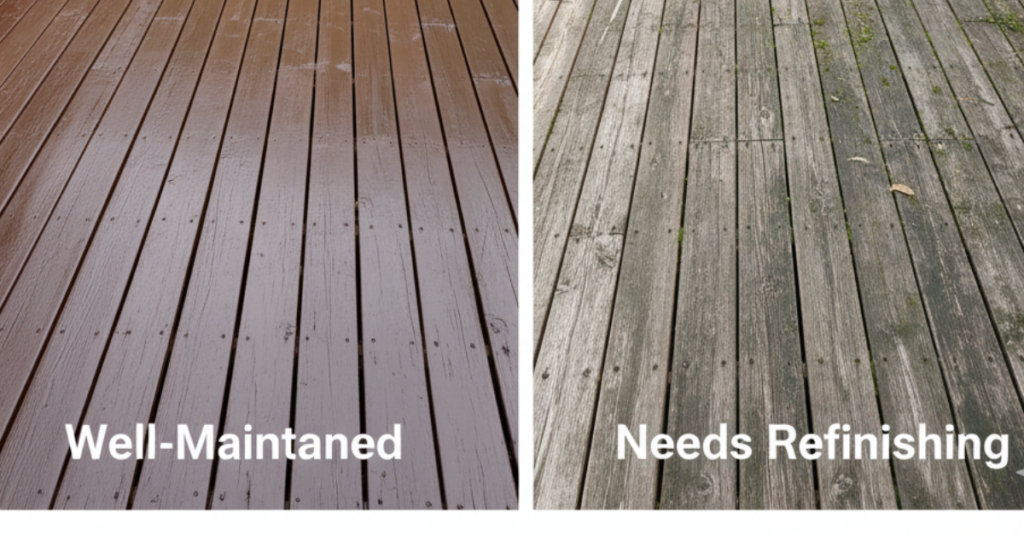
Signs Your Deck Needs Refinishing — A Deck Staining Painting Guide
Watch for these indicators:
- Water no longer beads on the surface
- Color fading or graying in high-traffic areas
- Peeling, cracking, or flaking finish
- Rough or splintering wood texture
- Mildew or mold growth
When you notice two or more signs, plan your deck staining painting refinishing project.
| Coating Type | Expected Lifespan | Maintenance Needs | Winnipeg Performance |
| Transparent Stain | 1-2 years | High (annual) | Fair (UV damage) |
| Semi-Transparent | 2-3 years | Moderate | Good |
| Solid Stain | 3-5 years | Low | Very Good |
| Deck Paint | 5-7 years | Very Low | Excellent |
Can You Paint Over An Existing Deck Stain?
Yes, you can paint over existing deck stain with proper deck staining painting preparation. Success requires understanding whether your stain is solid or transparent.
Painting over solid stain resembles repainting because solid stains already create opaque layers. Paint adheres relatively easily with proper cleaning and light sanding for your deck staining painting needs.
Preparation Requirements
Assess Current Condition
Examine your deck for peeling, flaking, or loose stain. These areas need scraping and sanding smooth. If more than 30% shows failing stain, complete stripping may be more efficient for your deck staining painting project.
Clean Thoroughly
Remove all dirt, mildew, pollen, and debris using deck cleaner and scrub brush or power washer. Let the deck dry completely (48 to 72 hours minimum).
Sand the Surface
Use 80-grit sandpaper to roughen existing stain and create texture for paint adhesion.
Prime If Necessary
Oil-based stains often require oil-based or bonding primer before painting for successful deck staining painting results.
Best Practices
- Test small sections first to ensure proper adhesion
- Use high-quality exterior deck paint designed for foot traffic
- Apply thin, even coats rather than one thick coat
- Allow proper drying time between coats
- Work in ideal weather conditions (55°F to 85°F, low humidity)
Professional house painters in Winnipeg determine when painting over stain is practical.
What Not To Do When Staining A Deck?
Avoiding common mistakes prevents wasted money and poor results.
Critical Mistakes to Avoid
Skipping Surface Preparation
Never apply stain or paint to dirty, weathered, or damaged decks. Coatings won’t adhere properly. Always clean, repair, and sand before applying products.
Working in Poor Weather
Don’t start when rain threatens, temperatures fall below 50°F or rise above 90°F, or high humidity persists.
Applying Too Much Product
Thick coats don’t provide better protection. Excess product sits on wood surfaces creating sticky messes. Always apply thin, even coats.
Ignoring Drying Times
Rushing between coats or walking on freshly stained surfaces damages finish.
Using Wrong Products
Don’t use interior stain on exterior decks. Interior products lack UV inhibitors and mildew resistance.
Preparation and Application Errors
Over-Pressure Washing
High pressure (above 1500 PSI) damages wood fibers, creating fuzzy surfaces that absorb stain unevenly.
Staining Wet Wood
Wood moisture above 15% prevents proper penetration and adhesion.
Working in Direct Sunlight
Hot surfaces cause stain to dry too quickly, preventing proper penetration.
Inconsistent Application
Varying your technique or thickness creates blotchy appearance.
For professional results, contact True Coat’s painting company in Winnipeg for expert deck staining painting services.
Maintaining Your Deck Finish
Proper maintenance extends finish life significantly, often doubling time between refinishing projects.
Regular Cleaning Schedule
Clean your deck twice yearly after winter ends and before snow arrives.
Spring Cleaning
Remove accumulated dirt, salt residue, and debris. Use deck cleaner and soft brush. Rinse thoroughly and inspect for damage.
Fall Maintenance
Clean leaves, dirt, and organic matter before winter. This prevents mold growth and moisture trapped during freeze-thaw cycles.
Inspection and Touch-Up
Regular inspections catch problems early. Check areas where water pools, spots near planters where moisture accumulates, high-traffic zones, and board ends.
Touch up worn areas before they expose bare wood. Keep leftover stain or paint for repairs.
Protecting Your Investment
- Use furniture pads under legs
- Avoid dragging heavy items across deck
- Clean spills immediately
- Keep planters on pot feet to prevent water damage
- Trim nearby vegetation
Professional exterior painting services include maintenance guidance specific to Winnipeg’s climate.
Things to Know About Deck Staining Painting
Before starting your deck staining painting project, understand these important considerations.
Timing Matters
New pressure-treated lumber needs 3 to 6 months of weathering before staining. Cedar and redwood can be stained within 2 to 4 weeks.
Product Compatibility
Not all stains work over all previous coatings. Oil-based products don’t adhere well over latex stains without proper preparation.
Color Changes Wood Behavior
Darker stains absorb more heat, causing greater expansion. Lighter colors typically last longer.
Weather Windows Are Short
In Winnipeg, ideal conditions exist primarily from late May through September.
Quality Costs Less Long-Term
Premium stains cost 30 to 50 percent more but often last twice as long.
Cost Considerations
For accurate pricing on your project, contact True Coat for a free estimate.
Explore our projects portfolio to see completed transformations.
Final Thoughts on Deck Protection
Your deck represents a significant investment in your home’s outdoor living space. Proper deck staining painting protects this investment and keeps your outdoor area beautiful for years to come.
Success depends on thorough preparation, quality products, proper application, and regular maintenance. While DIY projects can produce good results, professional deck staining painting services ensure optimal outcomes with warranties and expertise.
Remember that finishing isn’t a one-time task but an ongoing commitment. Regular cleaning, prompt repairs, and timely refinishing prevent expensive wood replacement.
For professional deck staining painting services in Winnipeg, True Coat brings years of experience and guaranteed satisfaction. We understand local climate challenges. Explore financing options to make your project more affordable, and learn about careers if you’re interested in joining our team.
Frequently Asked Questions
Is it better to paint or stain a deck?
Staining is typically better for most decks because it penetrates wood, allows breathing, and is easier to maintain. Stain highlights natural wood grain while providing adequate protection. However, paint works better for older decks with imperfections or when you need maximum UV protection. Stain lasts 2 to 4 years while paint can last 5 to 7 years, but paint requires more intensive preparation.
What is the best way to paint stain a deck?
The best method involves thorough cleaning, repairing damage, sanding, and applying thin even coats with a brush, roller, or sprayer. Always work in ideal weather conditions (50°F to 90°F, low humidity) and ensure wood moisture content stays below 15%. Start with railings and vertical surfaces, then finish with deck boards. Apply multiple thin coats maintaining a wet edge.
How long does deck staining last?
Deck staining painting lasts 2 to 5 years on average depending on the product type and conditions. Transparent stains last 1 to 2 years, semi-transparent stains last 2 to 3 years, and solid stains last 3 to 5 years. Factors affecting longevity include wood type, climate exposure, traffic patterns, and maintenance frequency.
Can you paint over an existing deck stain?
Yes, you can paint over existing deck stain with proper preparation. Clean the deck thoroughly, sand to create texture for adhesion, and apply primer if going over oil-based stain. Solid stains are easier to paint over than transparent stains. If more than 30% of your existing stain is peeling or flaking, complete stripping may be necessary.
What not to do when staining a deck?
Never skip preparation, apply stain to wet wood, or work in poor weather conditions. Avoid applying thick coats, working in direct sunlight, or ignoring manufacturer drying times. Don’t use pressure washers above 1500 PSI, as this damages wood fibers. Never use interior products on exterior decks or apply stain when rain threatens.