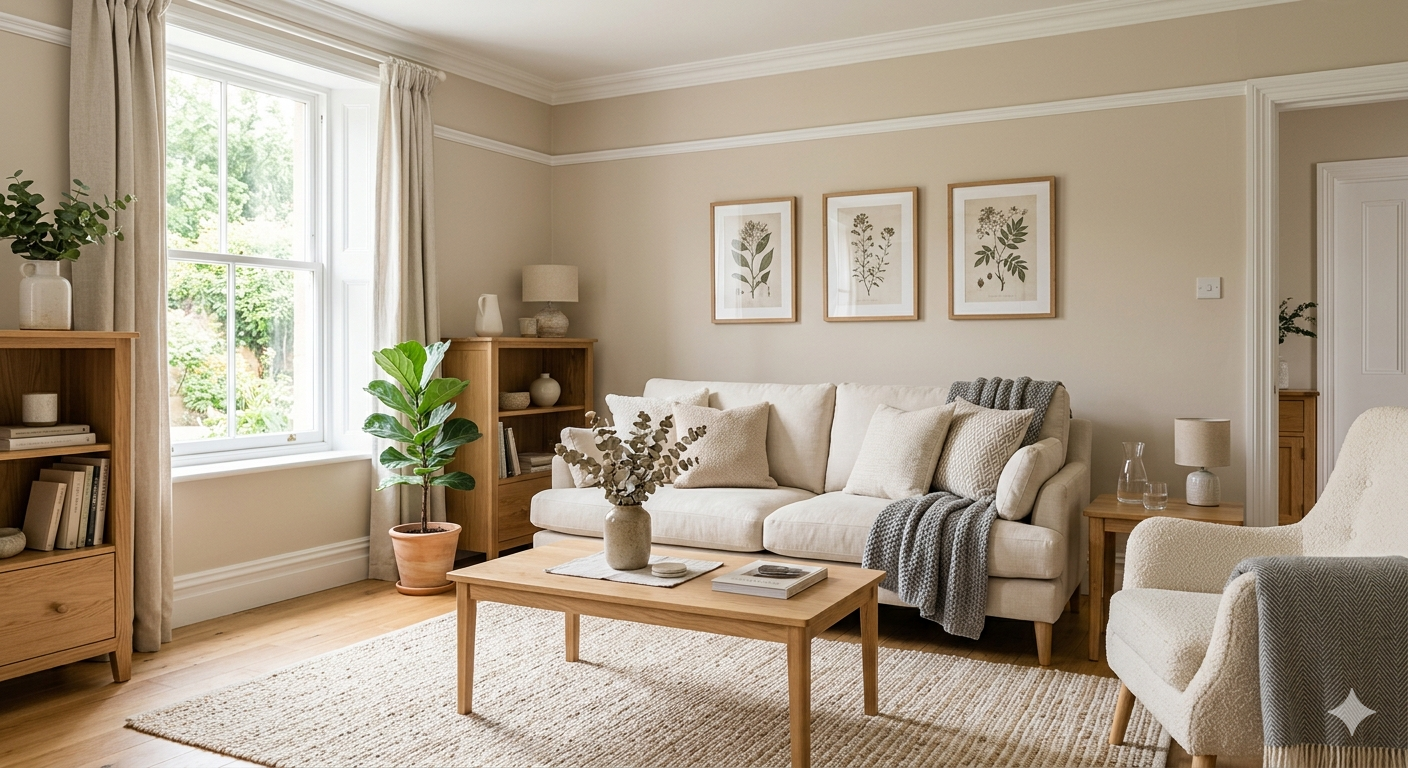
Interior paint neutral colors create calm foundations in any home, ranging from soft whites and warm beiges to cool grays.
The best interior paint neutral colors balance warmth and coolness while adapting to changing light throughout the day, making them smart investments for Winnipeg homeowners looking to create beautiful, cohesive interiors that work with any decor style.
What Are Interior Paint Neutral Colors?
Interior paint neutral colors are shades that lack strong saturation, blending easily with other colors and decor. These hues work as backgrounds rather than focal points.
True neutrals include white, black, gray, beige, and brown, each with variations based on undertones. A beige might lean warm with yellow undertones or cool with gray undertones. Modern interior paint neutral colors range from crisp whites to rich taupes.
Understanding Warm vs. Cool Neutrals
Warm neutrals contain yellow, red, or orange undertones, including cream, beige, tan, and warm gray. They create cozy spaces, especially in rooms with limited natural light.
Cool neutrals have blue, green, or purple undertones, like pure white, cool gray, and greige. These work well in south-facing rooms, preventing spaces from feeling too warm.
The Role of Undertones
Undertones determine how neutral colors behave in different lighting. A gray with blue undertones might look perfect in morning light but turn purple at sunset.
Paint large swatches on different walls and observe them throughout the day. Professional interior house painters can guide you through understanding undertones.
Why Choose Neutral Colors for Interior Painting?
Neutral colors solve many decorating challenges while providing flexibility for future changes.
Benefits of Using Neutral Paint Colors
Interior paint neutral colors increase resale value since homebuyers prefer neutral walls. These versatile shades work with any decorating style, from farmhouse to modern.
Neutrals make rooms feel larger and brighter by reflecting light. They create seamless flow and reduce decorating stress since everything coordinates with neutral walls.
How Neutrals Affect Room Size and Light
Light interior paint neutral colors bounce light around rooms, making spaces appear larger. Dark neutrals create intimate feelings in large rooms.
North-facing Winnipeg rooms get cool, indirect light, so these spaces benefit from warmer tones. South-facing rooms receive warm light, making cool neutrals prevent spaces from feeling too yellow. Consult with Winnipeg’s professional painting company for expert color selection.
What Is the Most Popular Neutral Interior Paint Color?
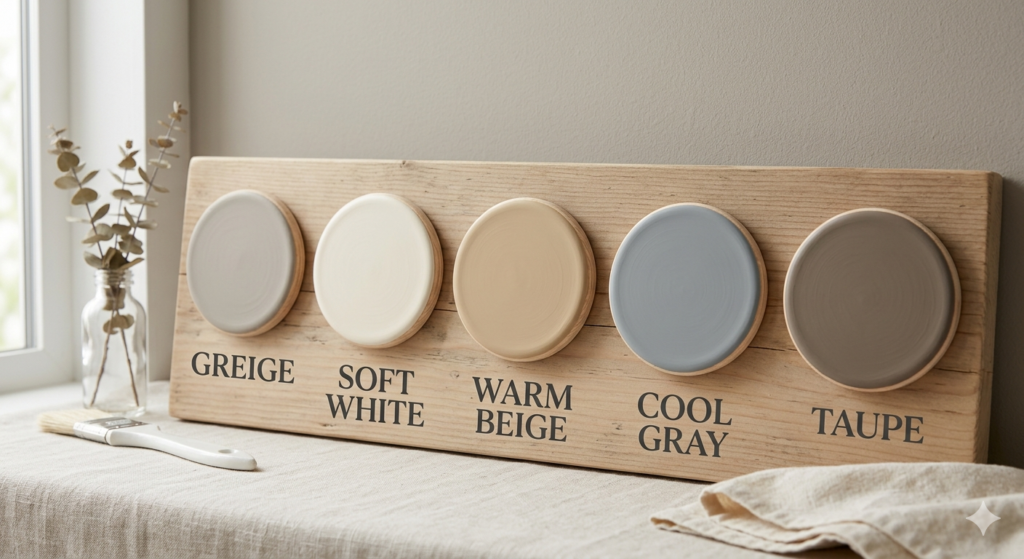
The most popular neutral interior paint color is greige, combining beige warmth with gray sophistication. This balanced shade works in almost any room and pairs with both warm and cool accents.
Greige feels modern without being cold. Popular greige shades work as main wall colors in open-concept spaces, providing enough color to avoid starkness while remaining versatile.
Top Neutral Color Choices for Winnipeg Homes
Soft white works well on trim, ceilings, and rooms with architectural details. Warm beige suits traditional Winnipeg homes with wood floors.
Cool gray fits modern homes with stainless appliances. Taupe offers versatility between traditional and modern styles.
Regional Considerations for Winnipeg Climate
Winnipeg’s long winters affect color perception. Warmer interior paint neutral colors combat dreariness during limited daylight. Summer sunlight can wash out some neutrals.
| Season | Lighting Condition | Best Neutral Type |
| Winter | Limited, cool light | Warm beiges, soft whites |
| Summer | Abundant, warm light | Cool grays, greiges |
| Spring/Fall | Variable light | Balanced greige, taupe |
What Are the 4 Neutral Colors?
The four main neutral colors are white, black, gray, and beige. Understanding these four categories helps you build cohesive color schemes.
White as a Neutral Foundation
White provides clean backdrops, though pure white rarely works well. Warm whites contain hints of yellow, cream, or pink. Cool whites have blue or gray undertones. Off-white sits between pure white and beige.
Gray Neutral Options
Gray works in traditional and modern spaces. Light gray opens small spaces while feeling sophisticated. Medium gray creates impact as feature walls. Dark gray adds drama, requiring good lighting.
Beige and Brown Variations
Beige creates comfortable spaces from pale cream to rich tan. Traditional beige has yellow undertones. Greige beige incorporates gray undertones. Taupe beige has brown undertones for sophisticated spaces.
Black as an Accent Neutral
Black serves as an accent rather than covering entire walls. Soft black works better than pure black. Using black on window frames or shelving adds depth. For incorporating neutrals throughout your home, residential painting services create cohesive plans.
What Are Neutral Colors in Interior Design?
Neutral colors in interior design serve as backdrops, letting furniture and artwork stand out. They include traditional neutrals plus subtle, desaturated versions of other colors.
Creating Depth with Neutral Layers
Successful neutral spaces use multiple shades. Start with a base for walls, go lighter for ceilings. Add mid-tone neutrals through furniture. Introduce darker neutrals through pillows and artwork. Explore our interior painting services for professional palettes.
What’s a Neutral Color That Goes with Everything?
Warm greige goes with everything because it balances gray and beige, adapting to different lighting and pairing with warm and cool accents.
Greige coordinates equally well with warm wood and cool metal finishes. Unlike pure gray that clashes with oak floors, greige accommodates both, ideal for open-concept homes.
Versatile Neutrals for Every Room
Soft white works when chosen with balanced undertones. Medium gray serves as another versatile choice. Light taupe provides earthy versatility.
| Versatile Neutral | Best Use | Pairs Well With |
| Warm Greige | Whole home, open concepts | All colors, warm and cool finishes |
| Soft White | Trim, ceilings, bright rooms | Everything, especially as backdrop |
| Medium Gray | Living areas, bedrooms | Blues, greens, warm woods |
| Light Taupe | Traditional spaces | Warm colors, natural materials |
Coordinating Neutrals Across Open Spaces
Open-concept homes need shades that work together visually. Using a single neutral throughout creates seamless flow.
Alternatively, use different neutrals in each zone, keeping them within the same temperature family. All warm or all cool neutrals work together.
Which Type of Color Is Best for Interior Walls?
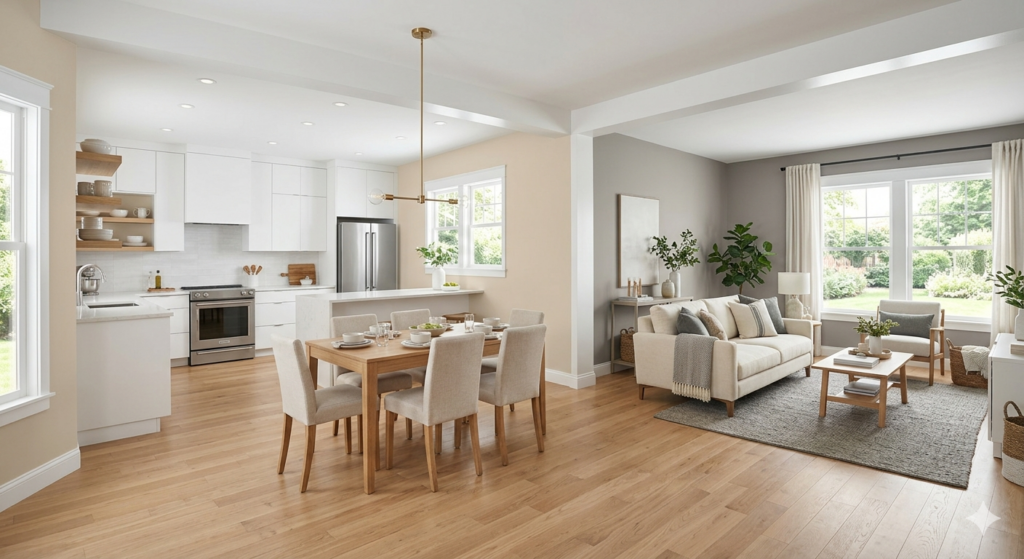
The best type for interior walls is a neutral with subtle warmth. Specifically, interior paint neutral colors in the greige or warm gray family offer flexibility and timeless appeal.
These balanced neutrals work in both north and south-facing rooms. They pair well with wood floors while coordinating with cool metals.
Selecting Colors Based on Room Function
Bedrooms benefit from warmer interior paint neutral colors like soft beiges that promote relaxation. Living areas work with almost any neutral depending on style.
Kitchens and bathrooms look best in cooler neutrals that feel clean. Home offices need colors promoting focus, like medium grays and balanced greiges.
Paint Finish Matters for Neutrals
Matte finishes hide imperfections in low-traffic areas. Eggshell provides subtle sheen that’s easier to clean. Satin withstands cleaning, ideal for kitchens and high-traffic areas. Semi-gloss works best on trim. For guidance, top painting companies offer consultation.
How to Test Interior Paint Neutral Colors
Testing samples prevents costly mistakes. Paint looks different on small chips versus large walls.
Proper Sampling Techniques
Purchase samples of your top choices. Paint large swatches on actual walls. Apply two coats. Place samples on walls receiving different light.
Check samples at different times over several days. Notice how samples interact with flooring and furniture. Live with samples for three days before deciding.
Common Testing Mistakes to Avoid
Avoid choosing colors from small store chips alone. Don’t test only one color—compare multiple options. Don’t rush decisions or forget to test all walls.
Things to Know About Interior Paint Neutral Colors
Choosing interior paint neutral colors successfully requires understanding several key factors.
Understanding Paint Quality Differences
Premium interior paint neutral colors deliver better coverage, truer color, and longer-lasting finishes. Quality paint resists fading. Consider low-VOC options for healthier indoor air.
How Much Paint You’ll Need
One gallon covers about 350-400 square feet per coat. Calculate room square footage, divide by 350, then multiply by 2 for two coats. Buy extra for touch-ups.
Preparing Walls for Neutral Paint
Neutrals show every imperfection. Patch all holes and cracks, sand smooth, and clean walls. Prime when needed. For professional preparation, work with the best house painters Winnipeg.
Long-Term Maintenance Considerations
Lighter interior paint neutral colors need more frequent touch-ups. Keep leftover paint properly labeled. Touch up marks as they occur. Consider washable finishes in high-traffic areas.
Bringing Your Neutral Vision to Life
Choosing interior paint neutral colors becomes simple when you understand neutral types, lighting responses, and room needs. Testing samples thoroughly ensures beautiful results.
These timeless shades provide the perfect foundation for any decor while increasing home value. The right interior paint neutral colors transform your space into a calm environment.
For expert assistance, contact True Coat for a free quote. Our team helps Winnipeg homeowners create beautiful neutral spaces.
Frequently Asked Questions
What is the most popular neutral interior paint color?
Greige is currently the most popular neutral interior paint color. This balanced blend of gray and beige offers beige warmth with gray sophistication, working beautifully in almost any room and coordinating with both warm and cool accent colors.
What are the 4 neutral colors?
The four main neutral colors are white, black, gray, and beige. White ranges from warm cream to cool pure white. Gray spans from light silver to dark charcoal. Beige includes pale cream to rich tan. Black serves primarily as an accent neutral.
What are neutral colors in interior design?
Neutral colors in interior design are shades that serve as backdrops rather than focal points, including white, gray, beige, brown, and subtle, desaturated versions of other colors. These colors have low saturation and don’t compete with furniture or artwork. Designers use neutrals to create calm, versatile spaces.
What’s a neutral color that goes with everything?
Warm greige goes with everything because it contains both warm and cool elements, making it compatible with any accent color, finish, or material. This versatile neutral adapts to different lighting and coordinates with warm wood tones and cool metal finishes, ideal for open-concept spaces.
Which type of color is best for interior walls?
The best type for interior walls is a neutral with subtle warmth that adapts to changing light. Specifically, balanced greiges or warm grays in mid-tone range offer the most flexibility and timeless appeal. These colors work in various lighting conditions and pair well with common home finishes.