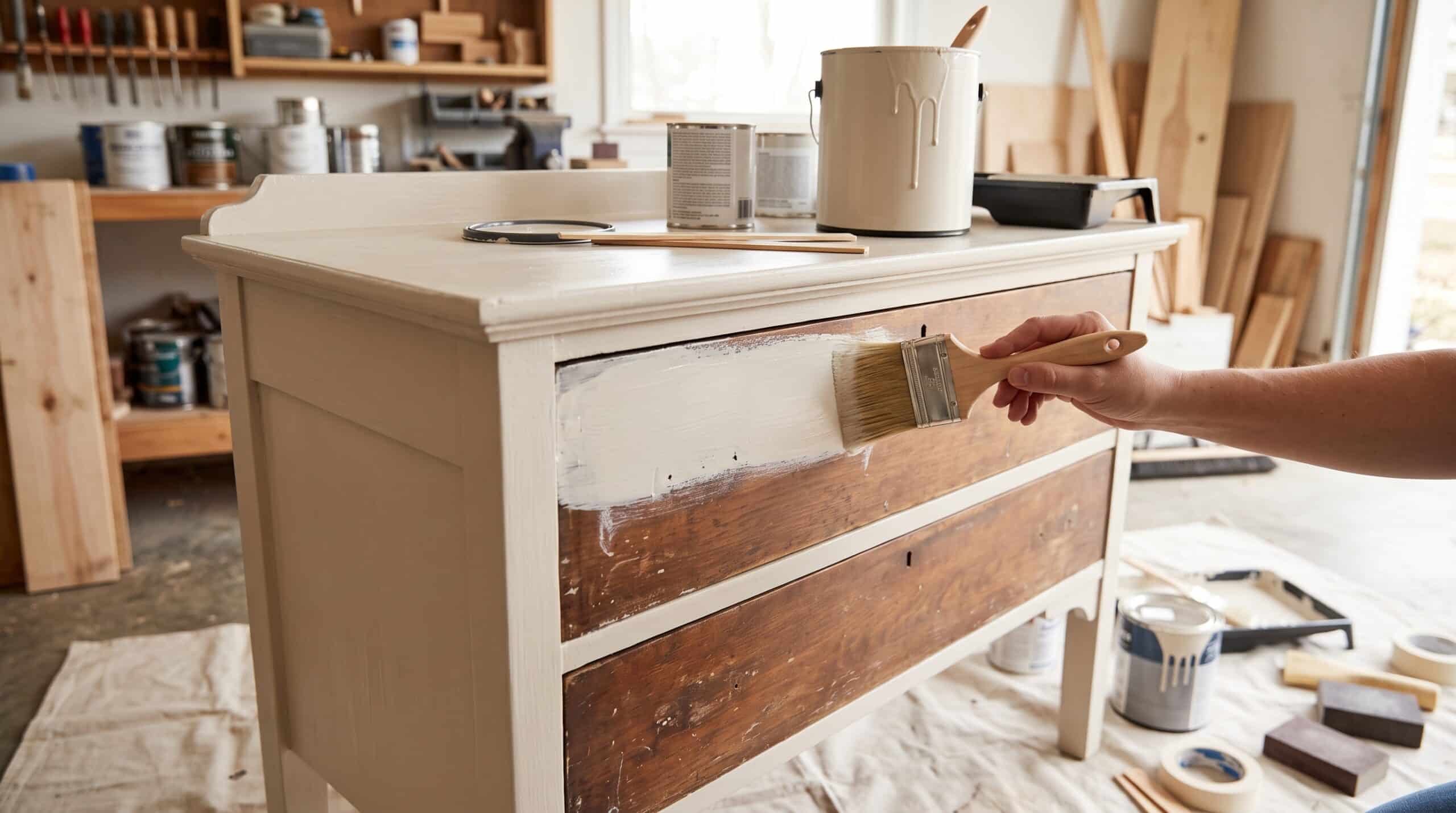
Paint for furniture is one of the easiest ways to refresh a piece without replacing it, and the right paint type, prep work, and finish make all the difference between a result that lasts and one that chips in a month.
Chalk paint works great for a matte vintage look, latex is the go-to for most wood pieces, and oil-based paint holds up well on high-use surfaces. Prepping the surface, applying thin coats, and sealing the finish are the three things that separate a good paint job from a great one.
Whether you’re doing a quick bedroom dresser or a full dining set, knowing which paint to grab and how to apply it saves you time, money, and a lot of frustration.
What Is Paint for Furniture and Why Does It Matter?
Not all paint is made the same way, and using wall paint on a chair or table is one of the most common mistakes people make. Paint for furniture is formulated to bond to surfaces that get touched, moved, and bumped regularly. Wall paint dries hard and flat, but it wasn’t made to flex with wood or handle the friction that comes with daily use. Furniture paint, on the other hand, has additives that help it grip, stay flexible, and resist chipping over time.
So why does it matter so much? Because the wrong paint peels fast. You could do everything right, prep the surface, apply two coats, and let it dry fully, but if the paint wasn’t made for furniture, it’s going to show wear within weeks. The right paint for furniture sticks better, looks cleaner, and lasts longer, even without a topcoat in some cases.
What Are the Different Types of Paint for Furniture?
Chalk Paint
Chalk paint is probably the most popular choice for furniture right now, and for good reason. It goes on thick, dries to a matte finish, and you usually don’t need to sand or prime first. It’s great for dressers, side tables, and anything you want to give a soft, lived-in look. The downside is it needs a wax or sealer on top to protect it, especially on pieces that get heavy use.
Latex Paint
Latex paint is water-based, dries fast, and cleans up with water. It’s a solid all-around option for most wood furniture and comes in a huge range of colors. You do need to prime first for best results, but once it’s down it’s durable and easy to touch up. A lot of people already have latex paint at home, so it’s convenient and budget-friendly.
Oil-Based Paint
Oil-based paint takes longer to dry but it cures to a really hard, durable finish. It’s the best choice for kitchen chairs, dining tables, or any piece that takes a beating. The tradeoff is the longer dry time, the stronger smell, and the need for mineral spirits to clean your brushes. But if you want a finish that holds up to daily wear, oil-based is hard to beat.
Milk Paint
Milk paint is a natural, eco-friendly option that gives a slightly uneven, vintage look. It comes in powder form and you mix it yourself. It bonds really well to raw or unfinished wood, and it’s a good pick if you want an authentic aged appearance. On sealed surfaces, you’ll want to add a bonding agent so it actually sticks.
Spray Paint
Spray paint for furniture works well on pieces with lots of detail, like carved wood or metal frames. It gives a smooth, even coat without brush marks. You need good ventilation and a steady hand, but for the right project it’s faster than brushing and gives a very clean finish.
| Paint Type | Best For | Needs Primer? | Topcoat Needed? |
| Chalk Paint | Vintage, matte finish | Usually no | Yes (wax or sealer) |
| Latex Paint | Most wood furniture | Yes | Optional |
| Oil-Based Paint | High-use, durable pieces | Yes | No, self-sealing |
| Milk Paint | Raw wood, antique look | No (with bonding agent) | Yes |
| Spray Paint | Detailed or metal pieces | Sometimes | Optional |
How Do You Properly Apply Paint for Furniture?
Getting the right paint is only half the job. How you apply it matters just as much. Here’s a straightforward process that works for most furniture projects.
Clean the surface first. Wipe down the piece with a damp cloth and a mild cleaner. Grease, dust, or old wax will stop the paint from sticking properly, so don’t skip this.
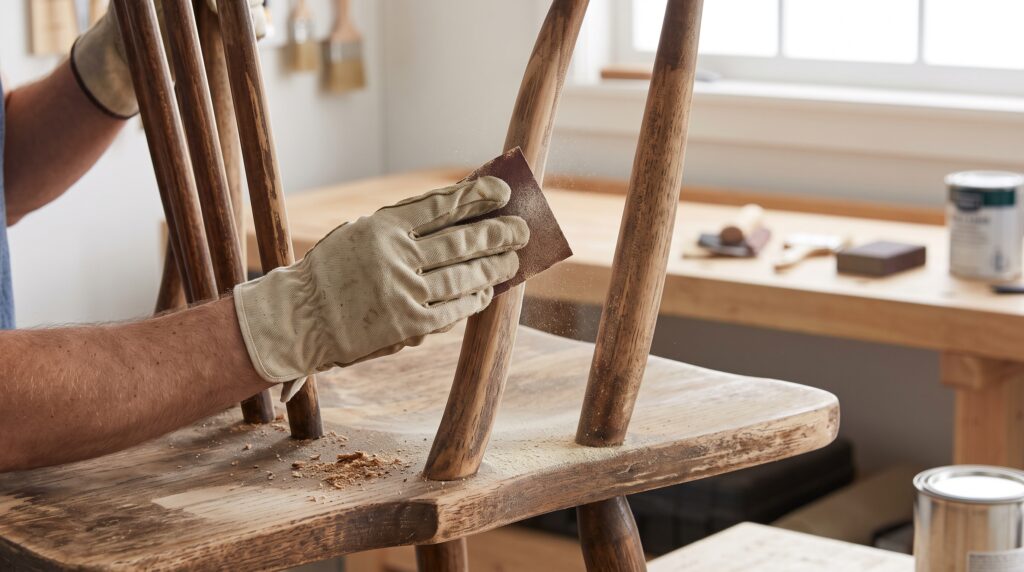
Sand lightly. Even if you’re using chalk paint, a light scuff with medium-grit sandpaper helps the paint grip. For latex or oil-based paint, sand until the surface feels slightly rough to the touch.
Prime if needed. Chalk paint usually skips this step, but latex and oil-based paints bond better over a coat of primer, especially on glossy or sealed wood. Let the primer dry fully before moving on.
Apply thin coats. Thick coats take forever to dry and tend to drip or crack. Apply two or three thin coats instead, letting each one dry completely before the next. This gives you a cleaner, more durable result.
Seal the finish. Wax, polycrylic, or a water-based topcoat protects the paint and makes it easier to clean. This step is especially important for tables, chairs, and anything that sees daily contact.
Which Paint for Furniture Is the Best Option?
So if you had to pick one, which paint for furniture actually comes out on top? Honestly, it depends on what you’re painting and what look you’re going for. But if there’s one option that works across the most situations, it’s latex paint with a good primer underneath.
Here’s why. Latex is easy to find, dries fast, comes in every color imaginable, and holds up well on most wood pieces. You can get a satin or semi-gloss finish with it, which is more practical than matte for anything that gets touched a lot. It’s also the most forgiving for beginners since it cleans up easily and touch-ups blend in well.
That said, if you’re going for a distressed or vintage look, chalk paint is the better call. And if you’re repainting a dining table or kitchen chairs, oil-based paint will outlast everything else in terms of durability.
The short answer is: latex for general use, chalk for aesthetics, oil-based for durability.
Things To Know Before You Start a Furniture Paint Project
- Always test your paint on a small hidden area first, especially on antiques or pieces with unknown finishes.
- Let paint cure fully before putting items back in use. Dry to the touch doesn’t mean fully cured. Most paints take 7 to 30 days to reach full hardness.
- Humidity affects dry time. Painting in a damp basement or during rainy weather can cause paint to stay tacky longer.
- Two thin coats always beat one thick coat. No exceptions.
- Not all wood takes paint the same way. Pine and poplar absorb more, so they may need an extra coat compared to harder woods.
- Painting laminate furniture is trickier and needs a bonding primer to avoid peeling.
How Does Painting Furniture Save You Money?
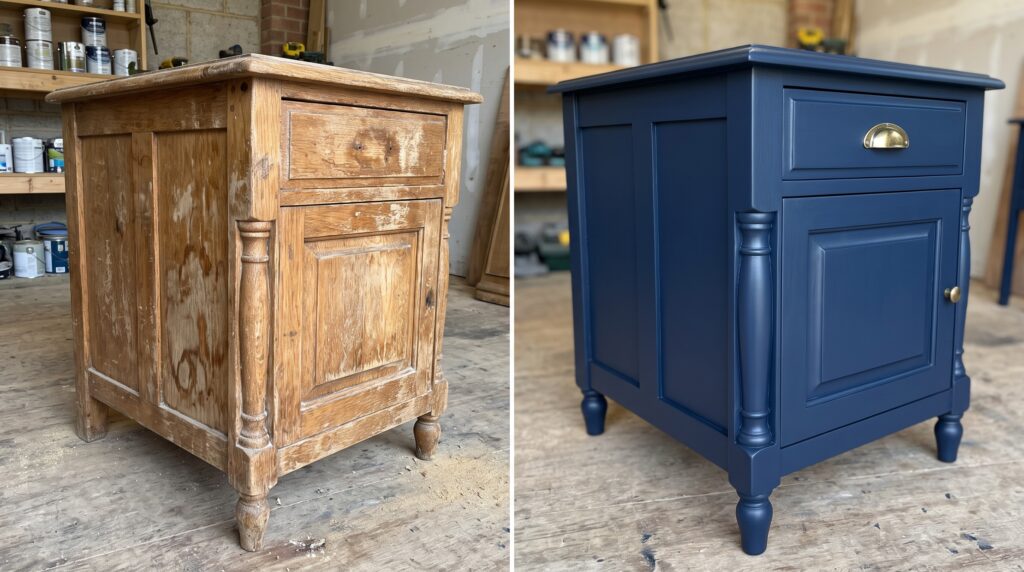
Replacing furniture adds up fast. A new dresser, a dining set, or even a simple end table can run into hundreds of dollars. But a can of paint for furniture, some sandpaper, and a brush can run you a fraction of that. You can completely change the look of a room by repainting existing pieces rather than buying new ones.
It’s also a good way to extend the life of solid wood pieces that are still structurally sound but just look dated or worn. If the frame is solid and the joints are tight, a fresh coat of paint can make a 20-year-old piece look brand new. For solid wood furniture especially, repainting is almost always worth it over replacing.
If you’re redecorating a whole room on a budget, check out the work True Coat has done for Winnipeg homeowners at our projects for ideas on how a fresh coat of color can completely shift the feel of a space.
For anyone looking at bigger painting projects beyond furniture, our painting services cover everything from interiors to exteriors. And if you’re curious about how paint choices work on different surfaces and materials, the blog post on limewash paint in Canada is worth a read for a different take on finishes.
Common Mistakes When Using Paint for Furniture
A lot of furniture paint jobs fail not because of the paint itself, but because of what happened before or after the painting. Here are the ones that come up the most.
Skipping prep work. Painting over a greasy or glossy surface without cleaning or sanding almost guarantees peeling. The paint has nothing to hold onto.
Using the wrong brush. A cheap foam roller or low-quality brush leaves marks in the finish. A quality synthetic brush makes a noticeable difference, especially with latex paint.
Not waiting between coats. Rushing the process and applying a second coat before the first is dry leads to streaking and uneven coverage.
Skipping the topcoat. Some paints can get away without one, but most furniture benefits from a protective layer, especially anything used daily.
Painting in cold temperatures. Paint for furniture doesn’t bond well in temperatures below 10 degrees Celsius. If you’re painting in a garage in a Canadian winter, give it some heat first.
| Mistake | Why It’s a Problem | Fix |
| Skipping prep | Paint won’t stick | Clean and sand before painting |
| Thick coats | Drips, cracking, long dry time | Use two or three thin coats |
| No topcoat | Finish wears off fast | Apply wax, polycrylic, or sealer |
| Wrong temperature | Poor adhesion | Paint above 10°C |
| Bad brush | Visible brush marks | Use quality synthetic brush |
Frequently Asked Questions About Paint for Furniture
What kind of paint is best for furniture?
Latex paint is the most versatile option for most furniture projects. Chalk paint works best for a matte or vintage look, while oil-based paint is the top pick for high-use pieces like dining tables and chairs.
Do you need to sand furniture before painting it?
Yes, light sanding helps the paint stick better. You don’t need to strip the whole piece, just scuff the surface enough to give the paint something to grip. Some paints like chalk paint can skip this step, but sanding always improves adhesion.
How many coats of paint does furniture need?
Two to three thin coats is the standard. One thick coat tends to drip and crack, and one thin coat rarely gives full coverage. Let each coat dry fully before adding the next.
Can you use regular wall paint on furniture?
It’s not recommended. Wall paint isn’t made for surfaces that get touched and moved around. It dries too hard without flexibility and tends to chip quickly on furniture. Use paint that’s formulated for furniture or at least add a bonding primer first.
How long does paint for furniture take to fully cure?
Most paints feel dry within a few hours but take 7 to 30 days to fully cure. During that window, handle the piece carefully and avoid stacking or heavy use. Full cure time depends on the paint type and the conditions in your space.