
Paint for Furniture: What Kind of Paint Is Best and How Do You Use It Right?
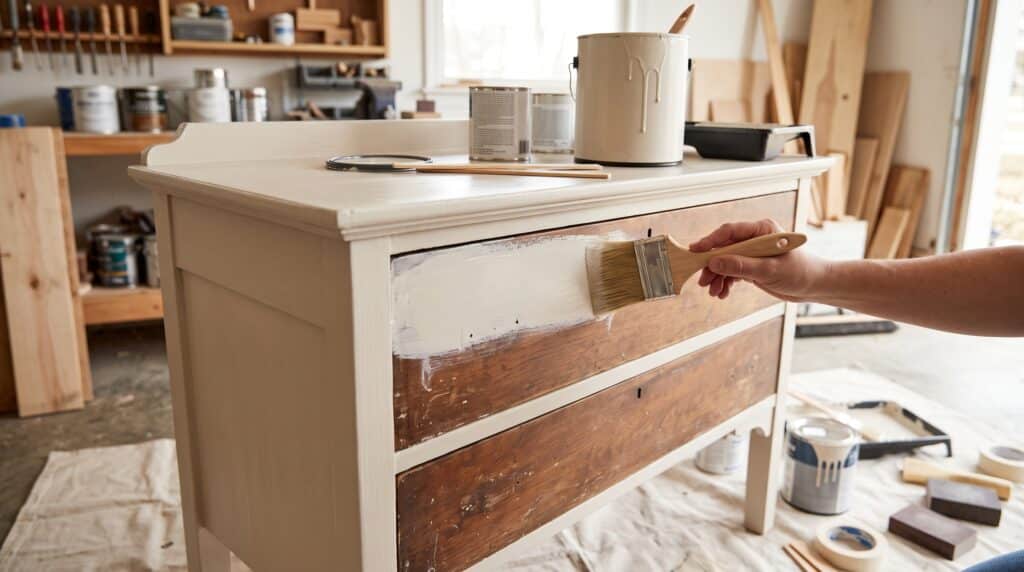
Paint for furniture is one of the easiest ways to refresh a piece without replacing it, and the right paint type, prep work, and finish make all the difference between a result that lasts and one that chips in a month. Chalk paint works great for a matte vintage look, latex is the go-to for most wood pieces, and oil-based paint holds up well on high-use surfaces. Prepping the surface, applying thin coats, and sealing the finish are the three things that separate a good paint job from a great one. Whether you’re doing a quick bedroom dresser or a full dining set, knowing which paint to grab and how to apply it saves you time, money, and a lot of frustration. What Is Paint for Furniture and Why Does It Matter? Not all paint is made the same way, and using wall paint on a chair or table is one of the most common mistakes people make. Paint for furniture is formulated to bond to surfaces that get touched, moved, and bumped regularly. Wall paint dries hard and flat, but it wasn’t made to flex with wood or handle the friction that comes with daily use. Furniture paint, on the other hand, has additives that help it grip, stay flexible, and resist chipping over time. So why does it matter so much? Because the wrong paint peels fast. You could do everything right, prep the surface, apply two coats, and let it dry fully, but if the paint wasn’t made for furniture, it’s going to show wear within weeks. The right paint for furniture sticks better, looks cleaner, and lasts longer, even without a topcoat in some cases. What Are the Different Types of Paint for Furniture? Chalk Paint Chalk paint is probably the most popular choice for furniture right now, and for good reason. It goes on thick, dries to a matte finish, and you usually don’t need to sand or prime first. It’s great for dressers, side tables, and anything you want to give a soft, lived-in look. The downside is it needs a wax or sealer on top to protect it, especially on pieces that get heavy use. Latex Paint Latex paint is water-based, dries fast, and cleans up with water. It’s a solid all-around option for most wood furniture and comes in a huge range of colors. You do need to prime first for best results, but once it’s down it’s durable and easy to touch up. A lot of people already have latex paint at home, so it’s convenient and budget-friendly. Oil-Based Paint Oil-based paint takes longer to dry but it cures to a really hard, durable finish. It’s the best choice for kitchen chairs, dining tables, or any piece that takes a beating. The tradeoff is the longer dry time, the stronger smell, and the need for mineral spirits to clean your brushes. But if you want a finish that holds up to daily wear, oil-based is hard to beat. Milk Paint Milk paint is a natural, eco-friendly option that gives a slightly uneven, vintage look. It comes in powder form and you mix it yourself. It bonds really well to raw or unfinished wood, and it’s a good pick if you want an authentic aged appearance. On sealed surfaces, you’ll want to add a bonding agent so it actually sticks. Spray Paint Spray paint for furniture works well on pieces with lots of detail, like carved wood or metal frames. It gives a smooth, even coat without brush marks. You need good ventilation and a steady hand, but for the right project it’s faster than brushing and gives a very clean finish. Paint Type Best For Needs Primer? Topcoat Needed? Chalk Paint Vintage, matte finish Usually no Yes (wax or sealer) Latex Paint Most wood furniture Yes Optional Oil-Based Paint High-use, durable pieces Yes No, self-sealing Milk Paint Raw wood, antique look No (with bonding agent) Yes Spray Paint Detailed or metal pieces Sometimes Optional How Do You Properly Apply Paint for Furniture? Getting the right paint is only half the job. How you apply it matters just as much. Here’s a straightforward process that works for most furniture projects. Clean the surface first. Wipe down the piece with a damp cloth and a mild cleaner. Grease, dust, or old wax will stop the paint from sticking properly, so don’t skip this. Sand lightly. Even if you’re using chalk paint, a light scuff with medium-grit sandpaper helps the paint grip. For latex or oil-based paint, sand until the surface feels slightly rough to the touch. Prime if needed. Chalk paint usually skips this step, but latex and oil-based paints bond better over a coat of primer, especially on glossy or sealed wood. Let the primer dry fully before moving on. Apply thin coats. Thick coats take forever to dry and tend to drip or crack. Apply two or three thin coats instead, letting each one dry completely before the next. This gives you a cleaner, more durable result. Seal the finish. Wax, polycrylic, or a water-based topcoat protects the paint and makes it easier to clean. This step is especially important for tables, chairs, and anything that sees daily contact. Which Paint for Furniture Is the Best Option? So if you had to pick one, which paint for furniture actually comes out on top? Honestly, it depends on what you’re painting and what look you’re going for. But if there’s one option that works across the most situations, it’s latex paint with a good primer underneath. Here’s why. Latex is easy to find, dries fast, comes in every color imaginable, and holds up well on most wood pieces. You can get a satin or semi-gloss finish with it, which is more practical than matte for anything that gets touched a lot. It’s also the most forgiving for beginners since it cleans up easily and touch-ups blend in well. That said, if you’re going for a distressed or vintage look, chalk paint