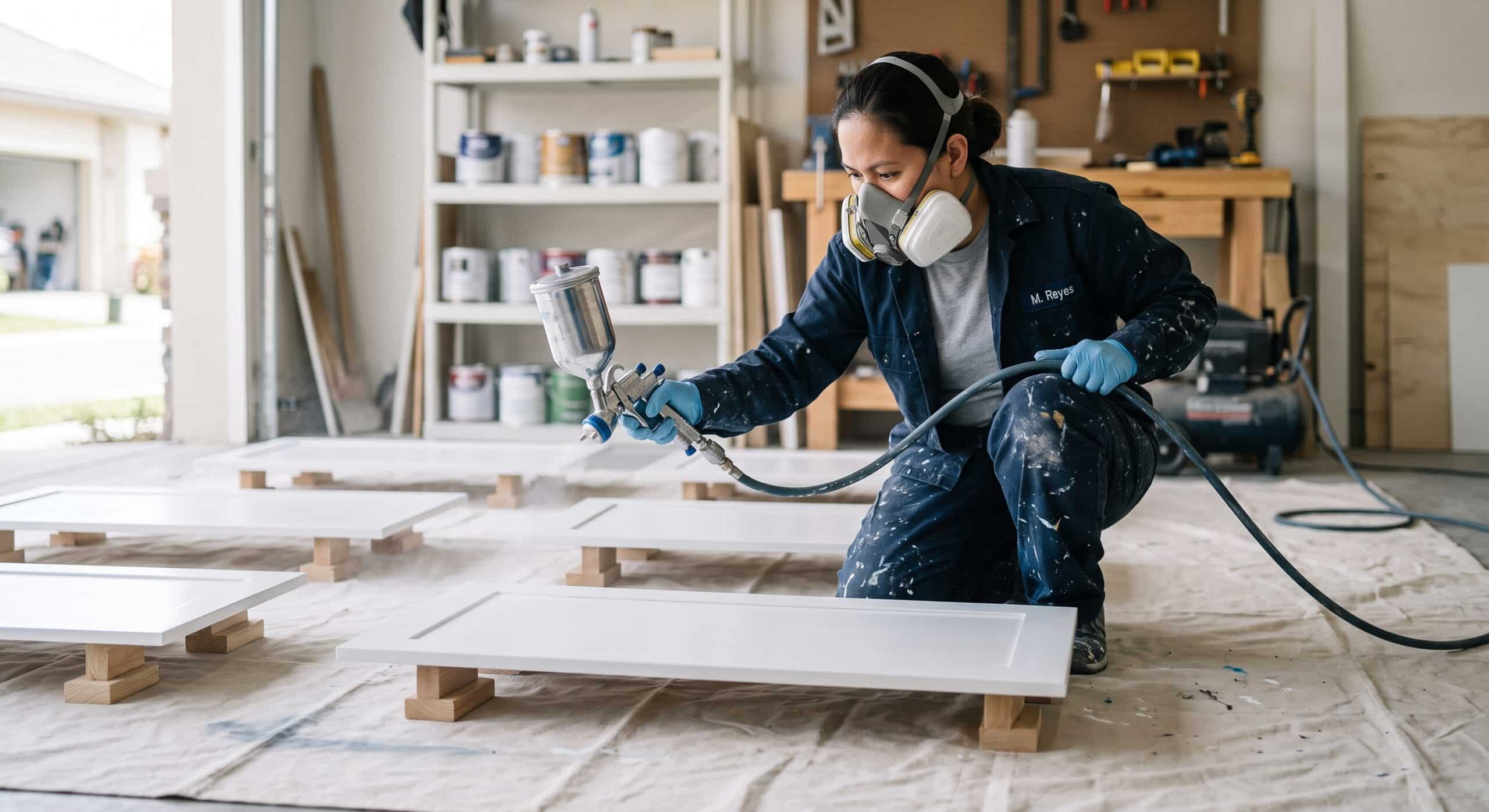
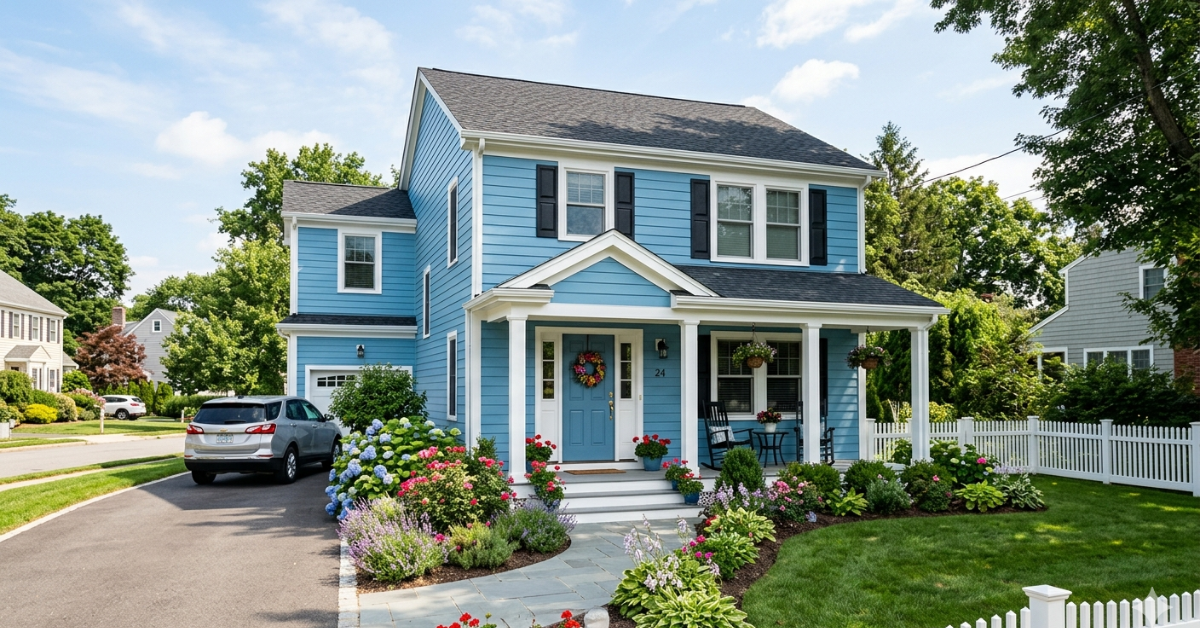
Exterior paint acrylic has become the top choice for homeowners looking to protect and enhance their property’s appearance. This water-based exterior paint acrylic coating combines durability with flexibility, making it resistant to cracking, fading, and weather damage while maintaining beautiful color for years.
When properly applied, quality exterior paint acrylic can last 7 to 10 years or more, resisting rain, UV rays, and temperature changes. The exterior paint acrylic forms a protective barrier that expands and contracts with your home, preventing peeling and blistering. This coating breathes better than oil-based options and cleans up easily with soap and water.
What Is Exterior Paint Acrylic?
Exterior paint acrylic is a water-based coating made from acrylic resin polymers that create a flexible, protective film bonding to outdoor surfaces like wood, vinyl, fiber cement, and stucco. Unlike oil-based paints using chemical solvents, exterior paint acrylic uses water as its primary carrier, making it safer and easier to clean.
When applied, the water in exterior paint acrylic evaporates and leaves behind a tough, elastic coating. This coating moves with your home’s surfaces as they expand and contract with temperature changes, preventing the cracking and peeling common with rigid paints.
How It Differs From Other Coatings
Oil-based paints create a harder, less flexible finish that cracks over time. Latex paint is also water-based, but premium latex formulas contain acrylic resins. Pure exterior paint acrylic has higher concentrations of acrylic polymers, offering better adhesion and longer-lasting color.
| Paint Type | Base | Durability | Flexibility |
| 100% Acrylic | Water | Excellent (7-10+ years) | High |
| Acrylic-Latex Blend | Water | Good (5-7 years) | Medium |
| Oil-Based | Solvent | Good (5-8 years) | Low |
Vinyl acrylic costs less but doesn’t perform as well. The vinyl component makes it less breathable and more prone to dirt collection.
Is Acrylic Paint Good for the Outside?
Yes, exterior paint acrylic is excellent for outdoor use. Its chemical structure makes it naturally suited for exterior applications where weather resistance matters most.
The paint’s flexibility prevents cracking when surfaces expand in heat or contract in cold. This quality is especially important in climates with temperature swings like Winnipeg’s harsh winters.
Exterior paint acrylic resists moisture better than many alternatives. The coating allows water vapor to escape while blocking liquid water from entering. This breathability prevents blistering and peeling caused by trapped moisture. UV resistance keeps colors vibrant longer through UV-blocking ingredients.
Weather Resistance
Exterior paint acrylic handles various weather conditions without breaking down. Rain doesn’t wash away properly cured coatings. The paint performs well in both hot and cold climates, remaining flexible in cold and stable in heat. Snow and ice don’t damage cured surfaces.
For professional exterior painting services ensuring proper application, True Coat provides expert solutions tailored to Winnipeg’s climate.
Surface Compatibility
Exterior paint acrylic bonds with many surfaces, adhering well to wood, fiber cement siding, masonry, stucco, and brick. Adhesion improves with proper surface preparation, including cleaning, scraping loose paint, and priming.
For comprehensive residential painting Winnipeg services, experienced professionals understand which preparation methods work best.
What Are the Advantages of Using Exterior Paint Acrylic?
This exterior paint acrylic coating offers multiple benefits that make it the preferred choice for most home painting projects.
Long-Lasting Color and Finish
Color retention sets exterior paint acrylic apart from other options. The exterior paint acrylic maintains its original shade for years, avoiding fading. The finish stays consistent throughout its lifespan, whether you choose flat, satin, or gloss. Quality exterior paint acrylic formulas resist chalking much longer than vinyl-acrylic blends or oil-based alternatives.
Easy Application and Cleanup
Applying exterior paint acrylic is straightforward, flowing smoothly from brush or roller. Water-based cleanup is a huge advantage, as tools clean with soap and water. The paint has lower VOC content and faster drying time, with second coats possible within 4 to 6 hours.
For those interested in what is the best approach to exterior painting for house projects, understanding application techniques ensures professional results.
Cost-Effectiveness
While premium exterior paint acrylic may cost more upfront, it delivers better value over time through extended lifespan, better coverage, and lower maintenance needs.
What Is the Disadvantage of Acrylic Paint?
Despite its many advantages, exterior paint acrylic has some limitations.
Temperature Sensitivity
Most exterior paint acrylic formulas need air and surface temperatures above 50 degrees Fahrenheit during application and drying. Cold temperatures prevent proper film formation, leading to poor adhesion and early failure. This requirement limits the painting season in colder climates like Winnipeg.
Surface Preparation Needs
Exterior paint acrylic demands thorough surface preparation for best results. The paint won’t hide defects or bond well to poorly prepared surfaces. Glossy surfaces must be dulled through sanding, and all loose paint must be removed. Wood surfaces often need priming for optimal adhesion.
Cost
Quality exterior paint acrylic typically costs more per gallon than economy latex paints. Premium 100% acrylic represents the top of the price range. For pricing specific to your project, contact True Coat for a free estimate.
Is Exterior Paint Latex or Acrylic?
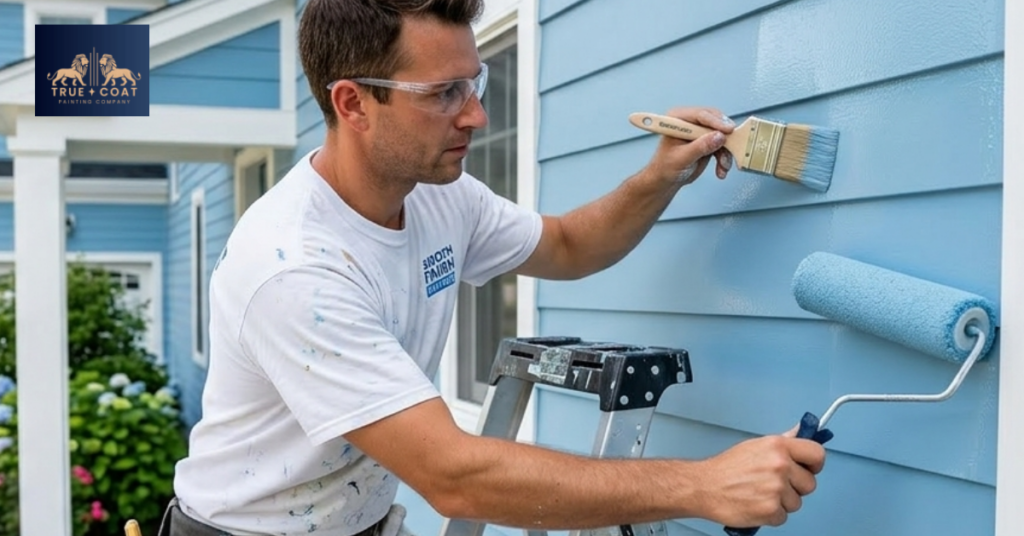
This question confuses many homeowners because the terms are often used interchangeably. The word “latex” doesn’t refer to natural rubber latex but is a general term for water-based paints. Today, most paints labeled as “latex” actually contain acrylic or vinyl-acrylic binders.
Reading paint labels carefully reveals what you’re buying. “100% acrylic” indicates pure acrylic resin offering the best performance. “Acrylic latex” contains acrylic resins but might not be 100% acrylic. “Vinyl acrylic” indicates a lower-quality binder.
| Label Term | What It Means | Quality Level |
| 100% Acrylic | Pure acrylic resin binder | Premium |
| Acrylic Latex | Acrylic-based, may include blends | Good to Very Good |
| Vinyl Acrylic | Vinyl and acrylic blend | Budget to Standard |
For exterior applications, 100% exterior paint acrylic formulas deliver the best results. For guidance on best exterior painters near me in Winnipeg, professional contractors can recommend the optimal product.
How Long Will Acrylic Paint Last Outside?
Properly applied exterior paint acrylic typically lasts 7 to 10 years, though several factors affect actual lifespan.
What Affects Longevity
Surface preparation is the biggest factor. Paint applied over properly cleaned, primed surfaces lasts significantly longer. Paint quality makes a substantial difference, with premium 100% acrylic formulas outlasting economy products by several years. Climate and weather exposure play major roles, as intense sun, heavy rain, or harsh winters accelerate degradation.
When to Repaint
Heavy chalking that comes off on your hand indicates breakdown. Fading means the coating loses UV protection. Cracking and peeling mean the film is failing. For expert advice, the team at True Coat provides professional assessments.
Extending Paint Life
Annual cleaning removes dirt and mildew that degrade the film. Touch up minor chips before they allow moisture penetration. Trim vegetation away from painted surfaces and inspect caulking annually.
Will Rain Wash Away Acrylic Paint?
No, rain will not wash away properly applied and cured exterior paint acrylic. During the initial drying phase (a few hours), the paint is vulnerable to rain damage. After initial drying, the paint enters a curing phase where acrylic polymers bond together and form a solid film, becoming rain-resistant within 24 to 48 hours.
Curing and Weather
Full cure time takes about 30 days, though timing varies with temperature and humidity. You can experience light rain 4 to 6 hours after application without serious damage. After 24 hours, the paint film handles normal rain without problems, actually repelling water rather than absorbing it.
Painting Before Rain
Check weather forecasts and avoid painting if rain is expected within 24 hours. Paint early in the day to maximize drying time, and apply thin, even coats that dry faster.
For projects requiring precise timing, professional services from Winnipeg painting company teams bring experience managing these challenges.
How to Apply Exterior Paint Acrylic Properly
Proper application technique ensures your exterior paint acrylic performs as intended and lasts its full expected lifespan.
Surface Preparation Steps
Clean all surfaces thoroughly using a pressure washer or scrub brush with detergent to remove dirt, mildew, and chalky residue. Allow surfaces to dry completely for 24 to 48 hours. Scrape away all loose or peeling paint, sand glossy surfaces to create texture, and fill cracks with appropriate filler. Prime bare surfaces for better adhesion.
Application Techniques
Use brushes for trim and rollers for large flat surfaces. Apply exterior paint acrylic in thin, even coats. Two thin coats always outperform one thick coat. Maintain a wet edge while painting by working in sections and overlapping slightly. Start at the top and work down, allowing 4 to 6 hours drying time between coats.
Common Mistakes to Avoid
Don’t skip surface preparation, avoid painting in direct sunlight or when temperatures are too low. Never thin paint with too much water.
For professional results, consider hiring best house painters Winnipeg homeowners trust.
Things to Know About Exterior Paint Acrylic
Before starting your painting project, several important facts help ensure success. Quality varies significantly between brands, with cheaper options containing less acrylic resin. Premium products save money through fewer repainting cycles.
Primer improves adhesion and durability, especially on bare or previously oil-painted surfaces. Color choice affects performance, as darker colors may fade faster. Sheen level impacts durability, with higher gloss being more durable but showing imperfections.
Professional application often pays for itself through better results and less waste. For comprehensive planning and financing options, True Coat helps homeowners protect their investment.
Wrapping Up Your Project
Choosing exterior paint acrylic for your home provides long-lasting protection and beautiful results when applied correctly. The exterior paint acrylic flexibility, weather resistance, and color retention make it superior to most alternatives for Canadian climates.
Understanding paint types and following proper application techniques ensure your investment delivers maximum value. Regular maintenance extends the life of your paint job, protecting your home and maintaining curb appeal.
Frequently Asked Questions
Is acrylic paint good for the outside?
Yes, acrylic paint is excellent for outdoor use. Exterior paint acrylic offers superior weather resistance, flexibility, and UV protection. It handles temperature changes without cracking, resists moisture damage, and maintains color vibrancy for 7 to 10 years or more.
What is the disadvantage of acrylic paint?
The main disadvantages are temperature sensitivity and higher cost. Exterior paint acrylic requires surface temperatures above 50 degrees Fahrenheit for proper application, limiting the painting season in colder climates. Premium formulas cost more upfront and demand thorough surface preparation.
Is exterior paint latex or acrylic?
Most modern exterior latex paints contain acrylic resins. “Latex” is a general term for water-based paints. Products labeled “100% acrylic” use pure acrylic resin binders for best performance, while “vinyl acrylic” represents budget options.
How long will acrylic paint last outside?
Properly applied exterior paint acrylic typically lasts 7 to 10 years. Lifespan depends on surface preparation quality, paint grade, climate conditions, and maintenance. Premium formulas outlast economy products by several years.
Will rain wash away acrylic paint?
No, rain will not wash away properly cured exterior paint acrylic. The paint becomes rain-resistant within 24 to 48 hours after application. Full curing takes 30 days, but the film handles normal rain after one day.