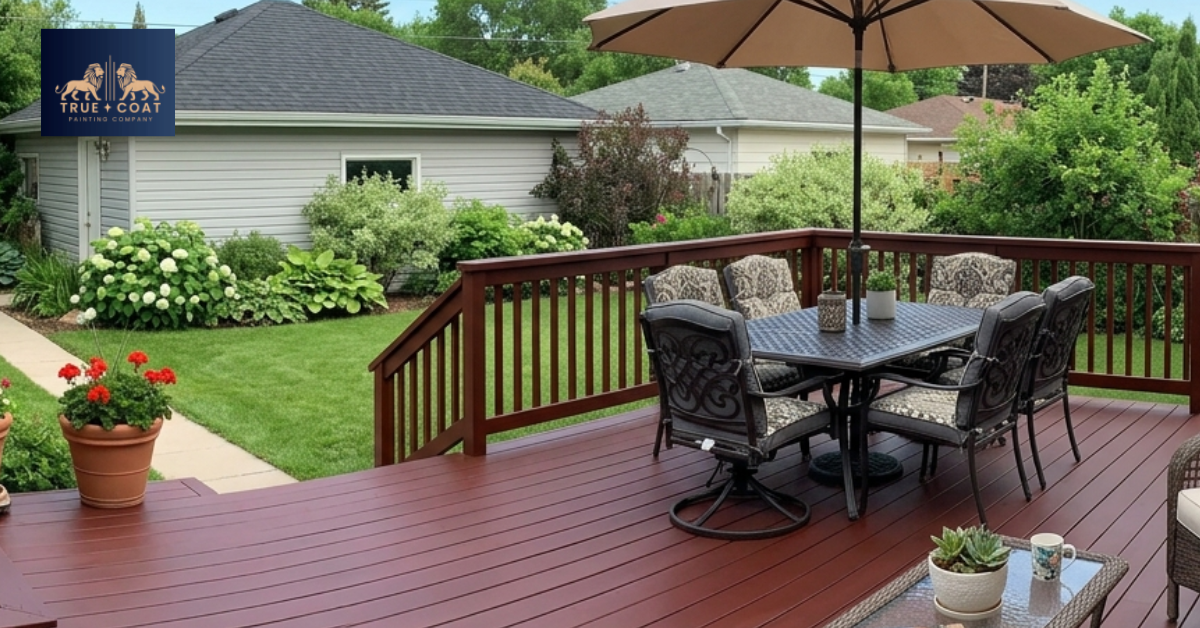
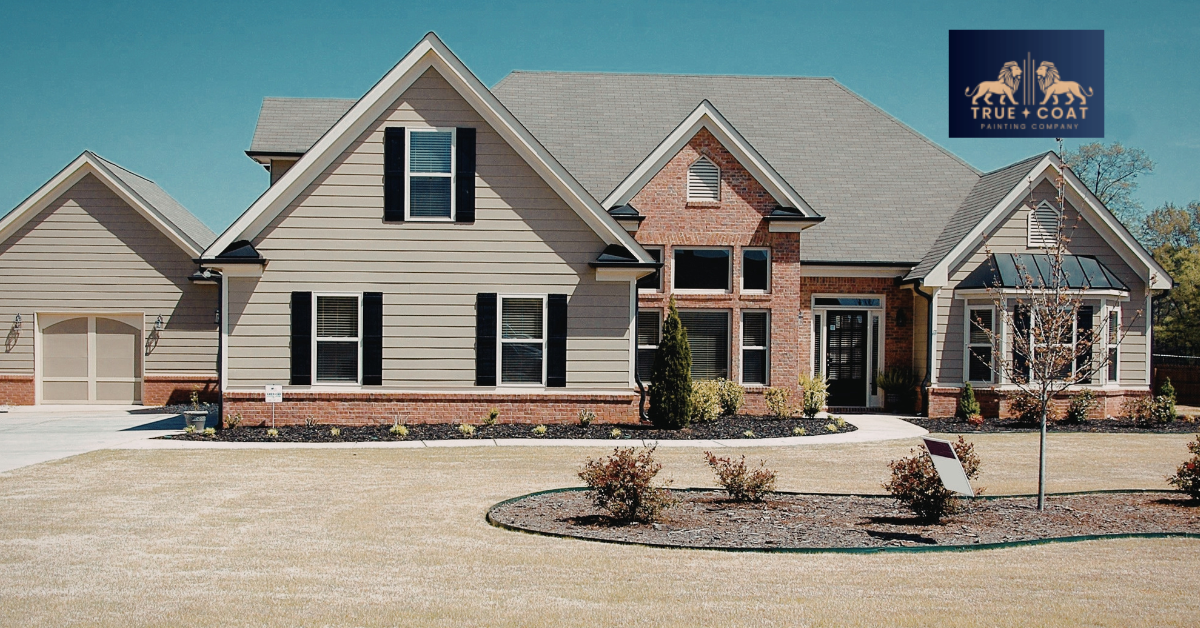
Most homeowners should repaint their home exterior every 5 to 10 years, depending on climate, paint quality, and proper use of primer and sealer during application. Wood siding typically needs repainting every 3 to 7 years, while stucco and brick can last 10 to 15 years between paint jobs. The key to longer-lasting exterior paint lies in surface preparation, including the correct application of base coats before your topcoat. Winnipeg’s harsh winters and humid summers put extra stress on exterior surfaces, making quality preparation even more important. This content covers the signs that indicate repainting is needed, how primer and sealer extends paint life, material-specific timelines, and professional tips from True Coat’s experienced team.
What Is Primer and Sealer and Why Does It Matter
Primer and sealer serves as the foundation for any successful exterior paint job. Primer creates a bonding layer between the surface and your topcoat paint. Sealer blocks stains, moisture, and tannins from bleeding through to your finished surface. Many modern products combine both functions into a single formula.
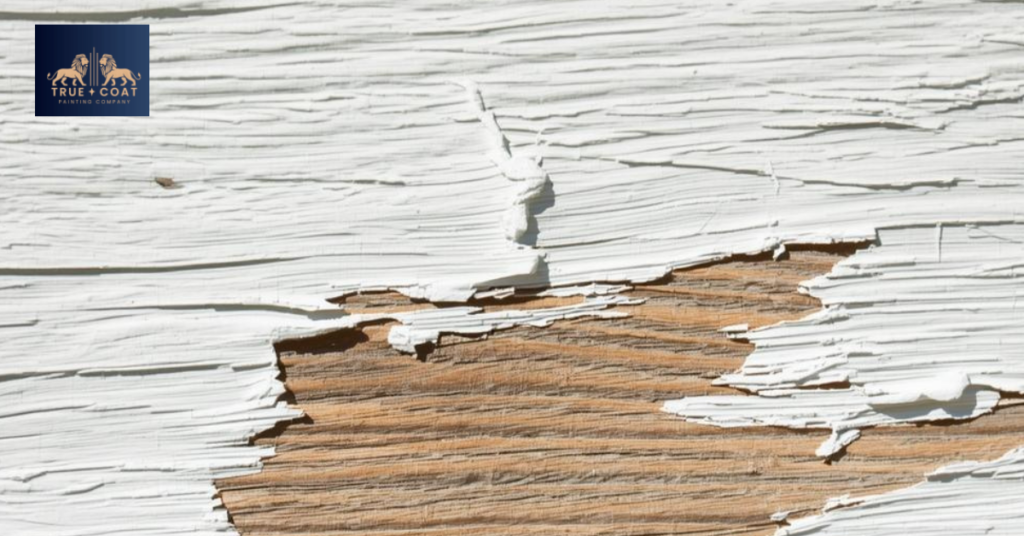
Without proper base coat application, even quality exterior paint will fail prematurely. Paint may peel, blister, or fade within just a few years. The investment in good preparation pays off through extended paint life and reduced maintenance costs.
For Winnipeg homes, where temperature swings can exceed 70 degrees Celsius between summer and winter, this foundation layer becomes especially important. If you are considering a fresh look for your property, working with quality painters in Winnipeg ensures proper preparation techniques are followed.
Signs Your Home Exterior Needs Repainting
Your home will tell you when it needs attention. Recognizing these warning signs early can prevent costly damage to your siding and structure.
Peeling or Flaking Paint– When paint starts lifting away from the surface, moisture has likely penetrated behind the coating. This often results from inadequate primer and sealer application during the previous paint job or simply age-related breakdown.
Fading and Discoloration– Sun exposure breaks down paint pigments over time. South and west-facing walls typically fade faster than shaded areas. Significant color loss indicates the protective qualities of your paint have diminished.
Chalking– Run your hand across your siding. If a powdery residue comes off on your fingers, your paint is chalking. This natural degradation process means the paint binder is breaking down.
Cracking and Bubbling Cracks allow water infiltration, which leads to wood rot and structural issues. Bubbles indicate trapped moisture or improper adhesion from the original application.
How Often Should You Repaint Based on Siding Material
Different exterior materials have varying lifespans for paint coatings. The table below provides general guidelines for Winnipeg’s climate conditions.
| Siding Material | Repainting Frequency | Notes |
|---|---|---|
| Wood Siding | 3-7 years | Requires most frequent maintenance; quality primer and sealer extends life |
| Aluminum Siding | 5-10 years | May need cleaning more often than repainting |
| Vinyl Siding | Rarely needs paint | Can be painted if desired; special primers required |
| Stucco | 5-6 years | Porous surface benefits from sealing products |
| Brick | 15-20 years | Only if previously painted; breathability important |
| Fiber Cement | 10-15 years | Excellent paint retention with proper prep |
Wood siding remains popular in Winnipeg neighborhoods, but it demands the most attention. The porous nature of wood absorbs moisture, making proper primer and sealer application non-negotiable for longevity. Many homeowners find that investing in residential painting services saves money over time compared to frequent DIY touch-ups.
Factors That Affect How Long Your Exterior Paint Lasts
Several variables influence your paint job’s durability beyond just the material you are coating.
Climate and Weather Exposure– Winnipeg’s extreme temperature variations stress paint coatings significantly. Hot summers expand the paint film while frigid winters cause contraction. This constant movement eventually leads to cracking. Homes with significant sun exposure on certain walls may need touch-ups more frequently.
Quality of Paint and Materials– Premium exterior paints contain higher concentrations of resins and pigments. These formulations resist fading, chalking, and peeling better than budget options. Similarly, investing in quality primer and sealer products provides better adhesion and stain blocking.
Surface Preparation– The most important factor in paint longevity is preparation. Clean, dry, properly primed surfaces hold paint far longer than rushed applications. Power washing, scraping loose paint, sanding rough areas, and applying appropriate base coats all contribute to durability.
The Role of Primer and Sealer in Extending Paint Life
Proper base coat application can add years to your exterior paint job. Here is when and how to use these products for maximum benefit.
When Primer Is Essential
Bare wood or new construction always requires primer. The same applies when repainting stained or discolored surfaces. Switching from oil-based to latex paint demands a bonding primer. Covering dark colors with lighter shades needs a tinted primer for proper coverage.
When Sealer Is Necessary
Sealer becomes necessary when blocking water stains or smoke damage. It helps when covering knots in wood that bleed tannins through paint. Preventing rust bleed-through from nail heads requires a rust-inhibiting sealer.
Many professional-grade products now combine primer and sealer functions. These all-in-one formulations work well for most exterior applications and save time during the painting process. True Coat’s team uses proven products that perform well in Manitoba’s demanding climate.
Repainting Timeline: A Practical Schedule
Based on True Coat’s experience with Winnipeg homes, here is a practical maintenance schedule for exterior painting.
| Timeframe | Action Items |
|---|---|
| Annually | Inspect all exterior surfaces for damage; clean gutters and siding |
| Every 2-3 Years | Power wash exterior; touch up any chipped or peeling areas |
| Every 5-7 Years | Consider full repaint for wood siding; inspect and address caulking |
| Every 7-10 Years | Full repaint for most homes; evaluate and repair any substrate damage |
| Every 10-15 Years | Major exterior renovation; consider updating colors and addressing structural issues |
Regular maintenance extends the life of your paint job significantly. Small touch-ups prevent moisture from penetrating and causing larger problems.
Professional vs DIY Exterior Painting
While some homeowners tackle exterior painting themselves, professional application often proves more cost-effective over time.
Advantages of Professional Painting in Primer and Sealer
Professional painters bring experience with proper surface preparation, including correct primer and sealer application. They understand product compatibility, ideal application conditions, and efficient techniques. A professional job typically lasts longer, reducing your long-term costs.
True Coat provides a 3-year craftsmanship warranty on completed work. This guarantee reflects confidence in proper technique and quality materials. For homeowners wanting lasting results, professional painting services deliver value beyond just the labor.
When DIY Makes Sense
Small touch-up projects or single accent areas can be reasonable DIY tasks. If you have painting experience, proper equipment, and time to prepare surfaces correctly, handling minor work yourself is feasible. However, full exterior repaints involving scaffolding or multiple stories are best left to professionals.
Preparing Your Home for Exterior Repainting
Whether hiring professionals or tackling the job yourself, proper preparation determines success.
Cleaning
Remove dirt, mildew, and chalky residue with power washing or scrubbing. Allow surfaces to dry completely before any primer or paint application.
Repairs
Fix any damaged siding, rotted wood, or cracked stucco before painting. Caulk gaps around windows, doors, and trim.
Scraping and Sanding
Remove all loose or peeling paint down to a sound surface. Feather edges where old paint meets bare substrate for smooth transitions.
Priming
Apply appropriate primer and sealer products to bare surfaces, stained areas, and any repairs. Allow proper drying time before topcoat application.
Learning about Winnipeg painting essentials helps homeowners understand what quality preparation looks like.
Choosing the Right Products for Winnipeg Weather
Product selection matters significantly for our local climate. Look for exterior paints and primers specifically formulated for temperature extremes.
Acrylic Latex Paints
Modern acrylic latex formulations offer excellent flexibility, allowing paint films to expand and contract with temperature changes. They also resist mildew growth and clean up easily with water.
100% Acrylic Primers
These products provide superior adhesion and flexibility compared to vinyl-acrylic alternatives. For exterior applications in harsh climates, 100% acrylic primer and sealer products perform best.
Specialty Sealers
Shellac-based sealers block stubborn stains and odors. Oil-based primers work well on bare wood. Water-based stain blockers handle most common situations effectively.
Final Thoughts
Your home exterior faces constant exposure to sun, wind, rain, and temperature extremes. Quality primer and sealer application during repainting projects protects your investment and extends the years between paint jobs. Most Winnipeg homes benefit from exterior repainting every 5 to 10 years, with wood siding requiring attention more frequently.
Regular inspections catch small problems before they become major expenses. When repainting time arrives, proper surface preparation and quality products make all the difference. True Coat’s licensed and insured team brings years of experience to every project, ensuring your home receives the protection it deserves.
Ready to refresh your home exterior? Contact True Coat for a free estimate and experience the difference professional painting makes.
Frequently Asked Questions
Which comes first, primer or sealer?
A sealer typically comes before primer when dealing with stains or porous surfaces. The sealer blocks problems from bleeding through. Then primer and sealer combined or primer alone goes on top to prepare for paint. Many modern products combine both in one formula.
Do you use sealer after primer?
Usually not. Sealer goes before primer when needed. However, some topcoats include sealing properties that add extra protection after painting. For most exterior projects, apply your base coats first, then your topcoat paint.
Do I need sealer before painting?
You need sealer before painting if you have stains, knots, or very porous surfaces. A combination primer and sealer product often works well for exterior painting. On clean, previously painted surfaces in good condition, separate sealing may not be necessary.
Can you paint straight over primer?
Yes, once your primer and sealer has dried completely. Most products are ready for paint within 24 hours. Check the product label for specific drying times.