A good paint selection guide helps homeowners make smart choices about colours, types, and finishes for their painting projects. Picking the right paint is way more complicated than just choosing a nice colour from those sample cards. You need to think about what the room is used for, how much light it gets, what kind of surfaces you’re painting, and how long you want it to last.
The paint you choose affects everything from how your home looks to how much maintenance you’ll need to do later. Different rooms need different kinds of paint. Bathrooms need paint that handles moisture, kitchens need something you can scrub clean, and bedrooms work best with colours that help you relax. Getting these details right saves you from expensive do-overs and disappointing results.
Understanding Paint Types and Formulations
Different paint types work better for different jobs and perform differently depending on where you use them. Modern paints have come a long way from just basic latex and oil-based options. Now you’ve got advanced formulas that last longer, cover better, and go on easier.
Water-Based vs Oil-Based Paint Fundamentals
Water-based paints, usually called latex paints, dominate the home painting market for good reasons. They dry fast, clean up with soap and water, and don’t release as many nasty fumes as oil-based paints. Latex paints keep their colour better over time and resist cracking and peeling on most surfaces.
Oil-based paints still work better in certain situations even though they’re not as popular anymore. They stick better to previously painted surfaces, level out smoother, and last longer on high-traffic areas. But they need mineral spirits for cleanup, take forever to dry, and smell awful while you’re applying them.
Hybrid paint formulas combine the best of both worlds. Alkyd-modified latex paints flow and level better while still cleaning up with water and having low odour. These work really well for trim work and cabinets where you want that smooth finish.
Understanding these basic differences helps you make paint selection guide decisions based on what you actually need instead of just going by marketing hype or price.
Specialty Paint Formulations
Paint and primer combinations try to make things simpler but don’t always give you the best results. These products work okay over previously painted surfaces that are in good shape, but they might not cover stains, bold colours, or bare surfaces properly. Knowing when to use separate primer and paint versus combination products prevents disappointment.
Low-VOC and zero-VOC paints address health and environmental concerns while still performing well. These formulations have gotten much better recently, offering durability and coverage that matches traditional paints. They’re especially important for bedrooms, nurseries, and homes with people who have sensitivities.
Antimicrobial paints have additives that stop mould, mildew, and bacteria from growing. These specialty formulas work well in bathrooms, basements, and other damp areas. However, they cost more than regular paints and might not be necessary in well-ventilated spaces that don’t have moisture problems.
Self-priming paints contain more solids and special bonding agents that eliminate the need for separate primer on many surfaces. They work best over sound existing paint or properly prepped surfaces but shouldn’t be used over stains, glossy surfaces, or big colour changes without separate primer.
Performance Characteristics and Durability
Paint quality directly affects how well it performs and how long it lasts. Better-quality paints have more pigment and resin, giving you better coverage, colour that lasts, and durability. While they cost more upfront, quality paints often save money through less maintenance and longer life.
Coverage rates vary a lot between paint qualities and colours. Premium paints typically cover 350 to 400 square feet per gallon, while cheap ones might only cover 250 to 300 square feet. Dark colours usually need more coats than lighter ones, no matter what quality paint you use.
Washability ratings tell you how well paint stands up to cleaning without getting damaged. Paints rated for heavy-duty cleaning work well in kitchens and kids’ rooms, while those suitable for light cleaning are fine in bedrooms and formal areas. Understanding these ratings helps you match paint performance to how the room gets used.
Fade resistance becomes really important for colours that get hit with direct sunlight. Some colours, especially bright reds and blues, fade faster than others. Quality paints use lightfast pigments and UV-resistant formulas to keep colours looking good longer.
Paint Selection Guide for Color Theory and Psychology

Picking colours involves both how they look and how they make you feel, which affects how spaces work and feel to live in. Understanding how colours work together and their effects on mood helps create environments that support your lifestyle and preferences.
Understanding Color Relationships
Primary colours (red, blue, yellow) form the base for all other colours and make bold, energetic statements in rooms. Using primary colours effectively needs careful balance because they can quickly overwhelm smaller rooms or create visual fatigue in spaces where you want to relax.
Secondary colours (orange, green, purple) come from mixing primary colours and work better in most home situations. Green works well in bedrooms and offices because it’s calming, while orange adds warmth to social spaces. Purple ranges from classy deep tones to fun lighter shades.
Tertiary colours blend primary and secondary colours, creating subtle options like blue-green, red-orange, or yellow-green. These colours often feel more sophisticated and easier to live with than pure primary or secondary options. They provide subtle interest without overwhelming other design elements.
Complementary colours sit opposite each other on the colour wheel and create strong contrast when used together. However, using them equally can create visual tension. Instead, use one as the main colour and the other as an accent for more pleasing results.
Psychological Effects of Different Colors
Warm colours (reds, oranges, yellows) come forward visually, making spaces feel cosier but smaller. They get people talking and make you hungry, so they’re great for dining rooms and kitchens. However, they can feel overwhelming in bedrooms or offices where you need calm focus.
Cool colours (blues, greens, purples) recede visually, making small spaces look larger and more open. They help you relax and concentrate, working well in bedrooms, bathrooms, and home offices. Cool colours can feel cold in north-facing rooms or spaces without much natural light.
Neutral colours (whites, grays, beiges, taupes) provide versatile backgrounds that work with various decorating styles and colour accents. They reflect light well, making spaces appear larger and brighter. However, all-neutral schemes risk feeling bland without careful attention to texture and lighting.
Earth tones (browns, deep greens, muted oranges) create grounding, comfortable environments that connect indoor spaces with nature. These colours work well in family rooms and bedrooms but may feel heavy in smaller spaces or areas lacking natural light.
Creating Color Harmony Throughout Your Home
Developing a colour palette that flows keeps your home from feeling choppy while letting individual rooms have their own personality. Choose a base neutral colour for major surfaces, then add personality through accent colours that vary by room function and desired mood.
Flow between rooms that connect requires colour coordination without boring repetition. Use variations of your main colour palette, changing gradually from room to room. Hallways give you chances to bridge colour transitions between spaces with different functions.
Natural light dramatically changes how colours look throughout the day. North-facing rooms get cooler, steadier light that can make colours look muted. South-facing rooms get warm, changing light that can make colours more intense. Test paint colours in actual lighting conditions before committing.
Artificial lighting also changes how you see colour. Warm LED bulbs make colours look more yellow, while cool LED lighting adds blue tones. Think about your main lighting types when making paint selection guide decisions, especially for colours you’ll see mostly under artificial light.
Finish Types and Their Applications
Paint finishes affect both how paint looks and how well it performs, making finish selection as important as colour choice. Different finishes reflect light differently, hide or show surface flaws, and offer different levels of durability and cleanability.
Understanding how different finishes work in various situations helps you make smart decisions that balance what you want it to look like with what you need it to do.
Flat and Matte Finishes
Flat finishes give you the best coverage for hiding surface problems like nail holes, texture differences, and minor wall damage. They soak up light instead of reflecting it, creating smooth, even colour across surfaces. This makes them perfect for ceilings and walls with imperfections that can’t be easily fixed.
However, flat finishes don’t clean well and can be permanently marked by scuffs or stains. They work best in low-traffic areas like adult bedrooms, formal dining rooms, and ceilings where you don’t need to clean much. Touch-ups often require repainting whole sections to avoid sheen differences.
Matte finishes give you slightly better durability than flat while still hiding imperfections well. Some premium matte formulations clean better, making them suitable for moderate-traffic areas. They still show fewer surface problems than higher sheen finishes.
Premium matte finishes have improved a lot, with some brands offering cleanability close to eggshell levels while keeping the sophisticated look of flat paint. These are good compromises if you prefer the flat look but need better performance.
Eggshell and Satin Finishes
Eggshell finishes give you better durability and cleanability while keeping sheen levels low. They hide minor surface problems better than higher-gloss finishes but provide enough protection for moderate-traffic areas. Eggshell works well in living rooms, bedrooms, and dining areas.
The subtle sheen of eggshell finishes adds depth to colours while staying understated. They resist fingerprints and light scuffs better than flat finishes and let you clean gently when needed. Touch-ups usually blend better than with higher-gloss options.
Satin finishes have noticeable sheen and excellent cleanability, making them good for higher-traffic areas. They work well in family rooms, kitchens, bathrooms, and hallways where durability and cleaning ability are priorities. However, satin shows surface problems more easily than lower-sheen options.
How you apply becomes more important with satin finishes because brush marks and overlap marks show more easily. Using high-quality brushes and keeping wet edges during application helps you get professional-looking results with satin finishes.
Semi-Gloss and Gloss Finishes
Semi-gloss finishes offer excellent durability and easy cleanup, making them traditional choices for trim, doors, and windows. They resist moisture and let you clean frequently without damage. However, they highlight surface problems and need careful surface prep for best results.
The reflective qualities of semi-gloss finishes can make colours look more vibrant and spaces brighter. They work well for accent walls where you want colour to pop, though the high sheen might not suit all decorating styles. Semi-gloss also works well in kids’ rooms where you need to wash walls often.
High-gloss finishes give you maximum durability and the easiest cleanup but show every surface flaw. They work best on properly prepared smooth surfaces like cabinet doors, furniture, and decorative trim pieces. The mirror-like finish reflects light dramatically, making colours appear more intense.
Gloss finishes need expert application techniques to avoid brush marks and get smooth results. They’re often best applied by spray equipment or high-quality synthetic brushes designed for smooth finishes. Surface preparation becomes critical for acceptable results with gloss finishes.
Room-Specific Paint Selection Guide Considerations
Different rooms have unique needs based on their function, how much traffic they get, moisture exposure, and lighting conditions. Matching paint characteristics to room requirements makes sure you get both beauty and performance over time.
Kitchen and Bathroom Paint Requirements
Kitchens face multiple challenges including cooking moisture, grease, food splatters, and frequent cleaning needs. Semi-gloss or satin finishes work best on walls, giving you easy cleanup while resisting moisture damage. Don’t use flat finishes in kitchens except for ceilings in well-ventilated areas.
Bathroom paint must resist high humidity and occasional water splashing. Semi-gloss finishes work well around tubs and showers, while satin works fine for other wall areas. Specialty bathroom paints contain mildew-resistant additives that help prevent mould and bacteria growth.
Here are key considerations for kitchen and bathroom paint selection:
- Choose finishes that can handle frequent cleaning and moisture exposure
- Consider both natural and artificial lighting when selecting colours
- Use light colours to help brighten these functional spaces
- Select ceiling paint specifically designed for high-humidity environments
Living Areas and Bedrooms
Living rooms handle diverse activities from entertaining to relaxation, needing durable yet attractive paint finishes. Eggshell or satin finishes provide good balance between looks and performance. They hide minor scuffs while allowing easy cleaning of fingerprints and marks.
Bedroom paint should help rest and relaxation through both colour and finish choices. Flat or eggshell finishes work well since traffic is usually light and cleaning needs minimal. Colours should support the mood you want, whether energising for morning routines or calming for sleep.
Kids’ bedrooms need more durable finishes because of higher activity levels and potential for marks, crayon, or other damage. Satin finishes provide good cleanability while staying attractive. Colours should be chosen with the child’s input but avoid overly stimulating options that might interfere with sleep.
Guest bedrooms can use more adventurous colour choices since they’re not used constantly. However, choose welcoming colours that make guests feel comfortable. Flat or eggshell finishes work fine for these low-traffic areas.
High-Traffic Areas and Trim Work
Hallways, stairways, and entryways get heavy traffic and need durable paint finishes that stand up to frequent contact. Satin or semi-gloss finishes provide necessary durability while staying attractive. Light colours help brighten these typically windowless areas.
Trim paint selection involves both durability and appearance considerations. Semi-gloss has been the traditional choice for its durability and easy cleaning, but high-quality satin finishes now offer comparable performance with less sheen. Oil-based paints still work best for trim needing the smoothest possible finish.
Door and window frames get constant use and need maximum durability. Semi-gloss or gloss finishes provide the best resistance to handling, weather exposure, and cleaning. Proper surface preparation becomes essential for getting professional results on trim work.
Stair railings and other frequently-handled surfaces benefit from gloss finishes that withstand constant contact. These high-touch areas may need repainting more often regardless of finish choice, making durability a priority over appearance concerns.
Advanced Paint Selection Techniques
Beyond basic colour and finish selection, advanced techniques help you get professional results and handle specific challenges. These approaches need more planning but deliver superior outcomes for homeowners who want the best results.
Professional painters and designers use these advanced methods to create stunning results that stand out from typical home painting projects.
Color Sampling and Testing Methods
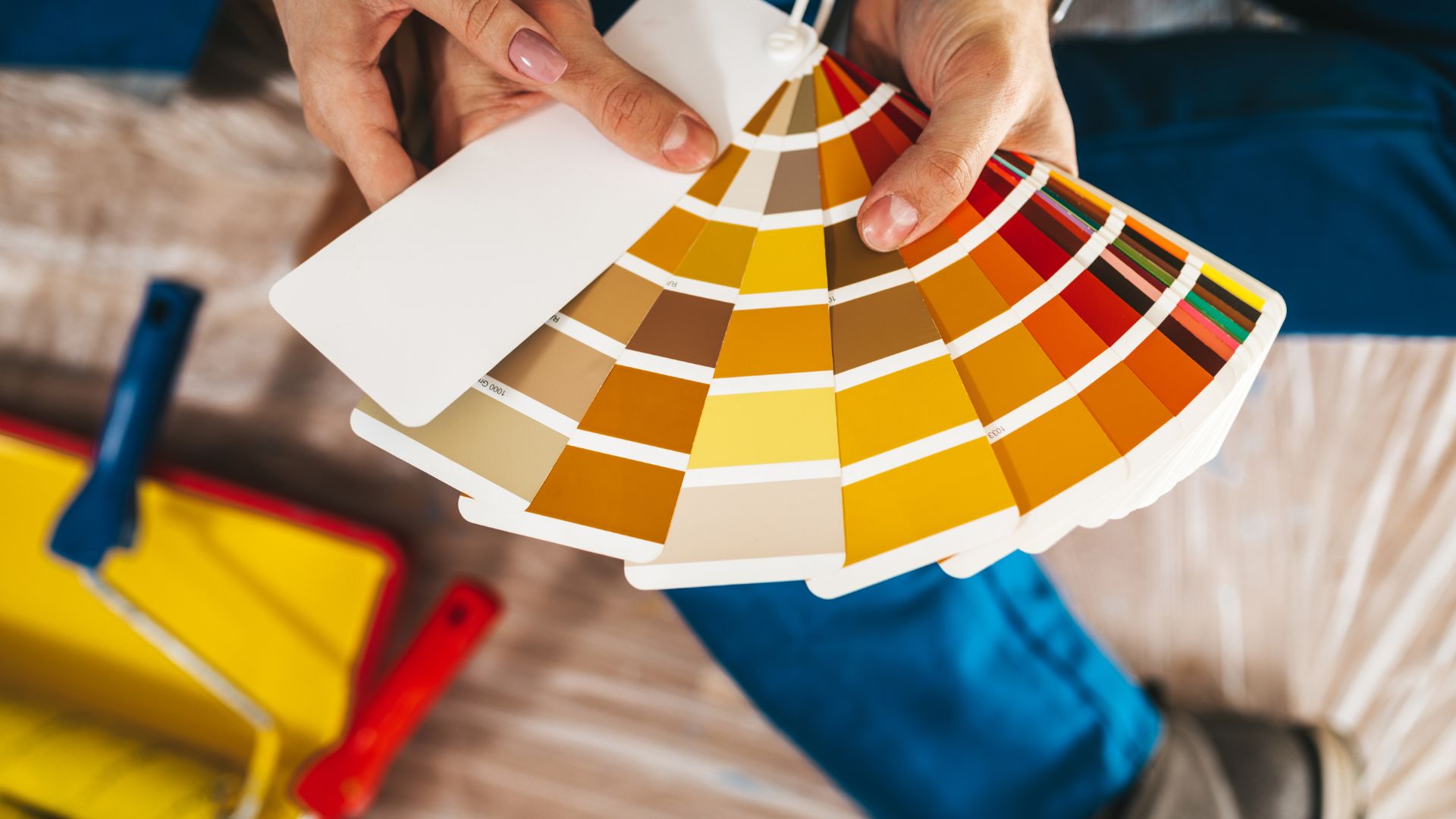
Buy sample sizes of potential colours and paint large swatches (at least 2 feet by 2 feet) directly on walls instead of relying on small paint chips. Look at these samples at different times of day and under various lighting conditions before making final decisions.
Paint samples on different walls within the same room to see how lighting affects colour appearance. North-facing walls will show colours differently than south-facing ones, and artificial lighting further changes colour perception. This comprehensive testing prevents expensive mistakes.
Live with colour samples for at least a week before deciding, as colours that seem perfect initially may become tiresome over time. Family members may react differently to colours, and extended exposure helps identify potential issues before painting entire rooms.
Consider how furniture, flooring, and artwork will work with paint colours. Hold fabric samples, artwork, and other room elements against painted samples to visualise the complete colour scheme. What looks good alone may clash with existing room elements.
Creating Custom Color Schemes
Colour matching services can copy colours from fabric, artwork, nature, or other sources. Bring inspiring objects to paint stores for custom colour matching, creating unique colours that perfectly complement your decor. This approach ensures colour harmony throughout your space.
Monochromatic schemes use variations of a single colour in different saturations and values. This sophisticated approach creates depth and interest while keeping colour harmony. Use different finishes to add visual texture even within monochromatic schemes.
Analogous colour schemes use colours next to each other on the colour wheel, creating harmonious, pleasing combinations. These schemes feel natural and comfortable while offering more visual interest than monochromatic approaches. They work particularly well in open floor plans where colour flow is important.
Triadic colour schemes use three equally spaced colours on the colour wheel, creating vibrant yet balanced combinations. Use one colour as dominant, another as secondary, and the third as accent to avoid overwhelming results. This approach works well for those wanting bold but coordinated colour schemes.
Professional Application Techniques
Primer selection affects both colour accuracy and paint adhesion. Use high-quality primers matched to your paint type and surface conditions. Tinted primers help achieve true colour coverage, particularly when painting light colours over dark surfaces or vice versa.
Multiple thin coats give better coverage and appearance than single thick coats. This approach reduces brush marks, prevents drips, and ensures even colour distribution. Plan for two coats minimum, with additional coats as needed for complete coverage.
Proper surface preparation determines paint performance and longevity more than paint quality alone. Clean, repair, and sand surfaces as needed before priming and painting. Time spent on preparation pays off in final appearance and paint durability.
Tool selection significantly affects application results. High-quality brushes and rollers designed for your specific paint type produce smoother finishes with less effort. Cheap tools often cost more through wasted paint and poor results that need fixing.
A comprehensive paint selection guide considers colours, types, finishes, and application techniques to get beautiful, long-lasting results. Success requires understanding how different paint characteristics perform in specific applications while considering your aesthetic preferences and practical needs.
The best paint choices balance appearance, performance, and budget considerations while addressing room-specific requirements. Taking time to understand these factors and test options thoroughly prevents costly mistakes and ensures you’re happy with your finished project.
Modern paint technology offers solutions for virtually any application, from moisture-resistant bathroom formulations to low-odour options for sensitive environments. Matching these advanced formulations to your specific needs maximises both beauty and performance.
Remember that paint represents one of the most cost-effective ways to transform your living spaces. Investing in quality materials and taking time for proper selection and application techniques pays off through years of beautiful, durable results that add value and enjoyment to your home.