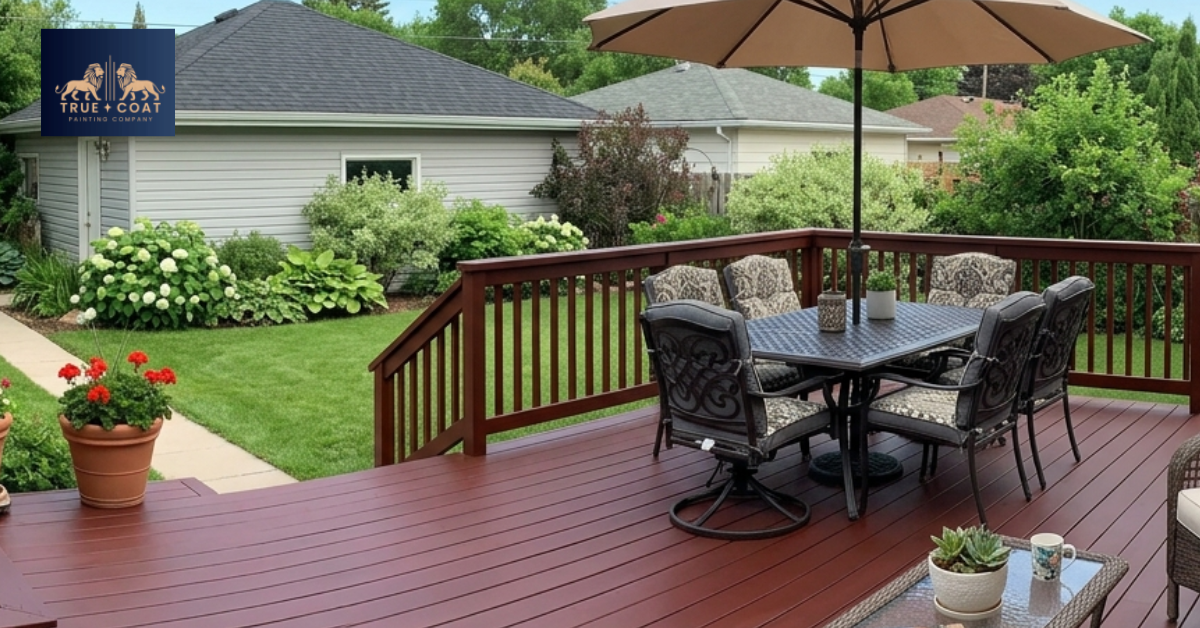
Deck stain solid provides complete coverage that hides wood grain while protecting your outdoor space from weather damage.
This type of finish acts like paint but penetrates deeper into the wood, offering better durability than traditional paint for deck surfaces. Solid stain comes in various colors, lasts longer than transparent or semi-solid options, and requires less frequent maintenance when applied correctly.
Choosing the right finish for your deck affects how long it lasts and how much work you’ll need to do later. Solid stain works well for older decks with imperfections or homeowners who want a uniform color without visible wood texture.
The coverage helps protect against moisture, UV rays, and everyday wear while giving you flexibility in color choices that match your home’s exterior.
This guide covers everything you need to know about using deck stain solid, from understanding the benefits to learning proper application techniques.
You’ll discover how solid stain compares to other finishes, what makes a quality product, and how to avoid common problems like peeling or uneven coverage.
Understanding Deck Stain Solid
Deck stain solid is a thick coating that completely covers the wood surface while still allowing some breathability. Unlike paint, which sits entirely on top of wood, solid stain penetrates into the fibers while providing opaque coverage.
This type of finish contains more pigment than semi-solid or transparent stains. The extra pigment blocks out the natural wood grain and creates a uniform color across your entire deck. You can choose from hundreds of colors, just like paint, but the formula is designed specifically for horizontal outdoor surfaces that get foot traffic.
How Solid Stain Works
Solid stain combines the best features of paint and stain. The product soaks into the wood pores, creating a strong bond that resists cracking and chipping better than regular paint.
The pigments in deck stain solid protect wood from sun damage. UV rays break down wood fibers over time, causing them to turn gray and brittle. The thick color layer acts as a shield, blocking harmful rays before they reach the wood underneath.
Water resistance is another key benefit. Solid stain creates a barrier that prevents moisture from soaking into deck boards. This protection stops rot, mold, and warping that happen when wood stays wet for long periods.
Types of Solid Stain Formulas
You’ll find two main types of deck stain solid products: oil-based and water-based. Each has different characteristics that affect application and performance.
Oil-based solid stains penetrate deeply and provide excellent water resistance. They take longer to dry but often last longer before needing recoating. The strong odor and cleanup with mineral spirits make them less convenient to work with.
Water-based solid stains dry faster and have less odor. Soap and water clean up tools easily. Modern water-based formulas have improved durability and now compete well with oil-based options. Many homeowners prefer them for easier application and environmental benefits.
Comparison of Solid Stain Types:
| Feature | Oil-Based | Water-Based |
| Drying Time | 24-48 hours | 4-6 hours |
| Penetration | Deep | Moderate |
| Odor Level | Strong | Low |
| Cleanup | Mineral spirits | Soap and water |
| Durability | 4-6 years | 3-5 years |
| VOC Content | Higher | Lower |
Is Solid Stain Good for a Deck?
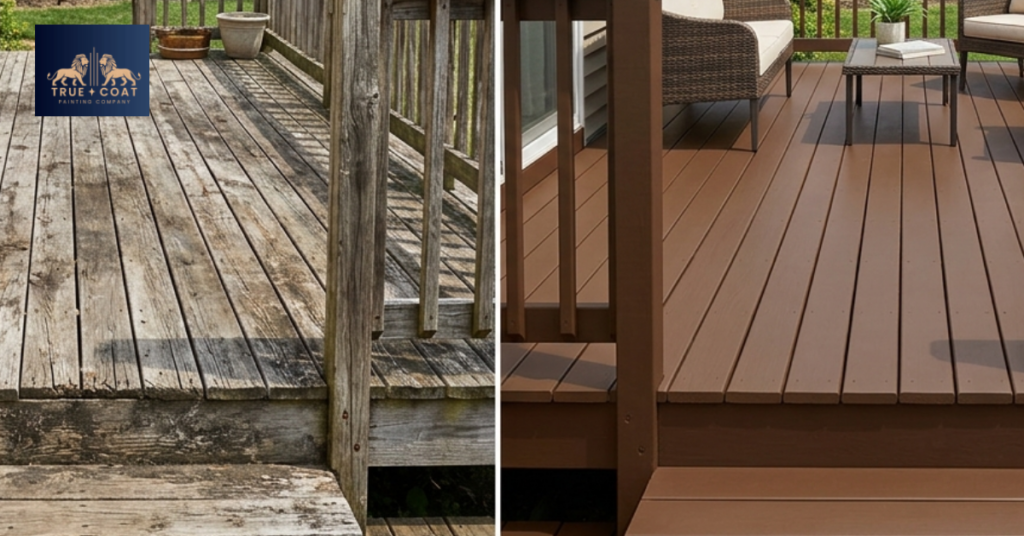
Solid stain works extremely well for decks that need complete coverage or color transformation. This finish excels at hiding imperfections, protecting against weather, and giving you control over the final appearance.
Decks with existing damage benefit most from deck stain solid. If your boards have dark stains, discoloration, or repairs that don’t match the original wood, solid stain covers everything uniformly. You won’t see patches or variations in color once the job is complete.
Protection is the main reason people choose solid stain. The thick coating shields wood from rain, snow, and Winnipeg’s harsh winters. Moisture can’t penetrate as easily, which prevents the freeze-thaw cycles that crack and split unprotected boards.
When Solid Stain Makes Sense
Older decks that have lost their natural beauty are perfect candidates for solid stain. If your deck wood has turned gray or shows significant weathering, solid stain gives it a fresh, uniform appearance without expensive board replacement.
Matching your home’s color scheme becomes easy with deck stain solid. You can coordinate your deck with your siding, trim, or shutters. This design flexibility helps create a cohesive look for your entire outdoor space.
Mixed wood types or repair patches show less when covered with solid stain. Maybe you replaced a few damaged boards with wood that doesn’t quite match the original. Solid stain makes everything look the same, eliminating visual inconsistencies.
Situations Where Other Stains Work Better
Brand new decks with beautiful wood grain often look better with transparent or semi-solid stain. These thinner products let the natural beauty show through while still providing protection. Using deck stain solid on premium wood hides the grain patterns you paid extra to get.
If you want to maintain the natural wood appearance, transparent stain is the better choice. You’ll see and feel the wood texture, which many people prefer for a more organic look. The trade-off is more frequent reapplication, usually every 1-2 years.
High-quality cedar or redwood decks typically benefit from preserving their natural color. Semi-solid stains enhance the wood while adding protection. Covering these premium materials with solid stain removes the visual appeal that makes them special.
What is the Best Rated Solid Color Deck Stain?
The best rated deck stain solid products combine long-lasting protection with easy application and attractive finish. Quality varies significantly between brands, so understanding what makes a superior product helps you get better results.
Top-rated solid stains share several characteristics. They penetrate well, resist fading, stand up to foot traffic, and maintain their appearance through multiple seasons. The best products also apply smoothly without excessive brush marks or lap lines.
Key Features of Quality Solid Stain
Pigment quality determines how well your deck stain solid resists fading. High-quality pigments maintain their color even after years of sun exposure. Cheaper products fade to lighter shades within a season or two, making your deck look worn and neglected.
The resin system affects durability and adhesion. Better resins create stronger bonds with wood fibers and flex with the natural expansion and contraction that happens with temperature changes. This flexibility prevents cracking and peeling.
Mildew resistance is crucial for Winnipeg’s climate. Look for products with mildewcides that prevent black or green growth on your deck surface. This protection keeps your deck looking clean longer and reduces maintenance requirements.
What to Look For:
- High solids content (40% or higher)
- UV protection additives
- Mildew and algae resistance
- Good coverage rate (250-350 sq ft per gallon)
- Warranty of at least 3 years
How to Evaluate Different Products
Reading customer reviews helps identify deck stain solid products that perform well in real-world conditions. Look for feedback from people in similar climates who mention durability, color retention, and ease of application.
Professional painters often have preferences based on their experience. True Coat’s deck staining services use tested products that deliver consistent results. Getting recommendations from experienced professionals can save you from choosing inferior products.
Coverage and cost per square foot matter more than the gallon price. A more expensive solid stain that covers better and lasts longer often costs less over time than a cheap product that requires frequent recoating.
What’s the Difference Between Semi-Solid and Solid Deck Stain?
The main difference between semi-solid and deck stain solid lies in pigment content and coverage. Solid stain contains significantly more pigment, providing complete opacity, while semi-solid lets some wood grain show through.
Coverage and Appearance
Semi-solid stain creates a middle ground between transparent and solid finishes. You can still see wood grain texture and some variation in the natural wood pattern. The color is noticeable but not completely uniform across every board.
Deck stain solid covers everything completely. No wood grain shows through, and the surface looks similar to painted wood. You get a smooth, even color that makes all boards look identical. This uniformity works well when you want a specific color match or need to hide imperfections.
The visual difference becomes obvious when you compare stained decks side by side. Semi-solid stain enhances wood while adding color. Solid stain transforms wood into a colored surface where texture is the only reminder that it’s wood underneath.
Durability and Maintenance
Both types protect wood, but deck stain solid typically lasts longer. The thicker pigment layer provides better UV protection and moisture resistance. Semi-solid stain requires reapplication more frequently, usually every 2-3 years compared to 4-5 years for solid stain.
Preparation requirements differ between the two. Semi-solid stain is more forgiving of minor surface imperfections. Solid stain shows every flaw in your deck surface, so you need to do more sanding and smoothing before application.
Recoating is easier with semi-solid stain because you’re adding another thin layer. With solid stain, you might need to remove the old finish completely if it’s peeling or failing. This makes long-term maintenance potentially more involved for deck stain solid.
Maintenance Comparison:
| Aspect | Semi-Solid Stain | Solid Stain |
| Recoat Frequency | 2-3 years | 4-5 years |
| Prep Work | Moderate | Extensive |
| Coverage | Partial opacity | Full opacity |
| Wood Grain Visible | Yes | No |
| Color Options | Limited | Extensive |
Do You Need Two Coats of Solid Stain on a Deck?
Most deck stain solid applications require only one coat when applied properly to prepared wood. However, certain situations benefit from a second coat for better coverage and longer-lasting protection.
When One Coat Is Enough
New or freshly sanded wood typically needs just one coat of deck stain solid. The clean, porous surface absorbs stain evenly, creating uniform coverage across all boards. Applying product at the manufacturer’s recommended rate ensures adequate protection.
Quality solid stain products are formulated to cover in a single application. Following the label directions for application thickness gives you the protection you paid for. Adding unnecessary coats wastes product and money without improving performance.
Testing a small area first helps you decide if you need a second coat. Apply deck stain solid to a less visible section of your deck and let it dry completely. If the coverage looks uniform and the color matches your expectations, one coat should work for the entire surface.
Situations Requiring Two Coats
Heavily weathered or previously stained decks sometimes need two coats of solid stain for complete coverage. The first coat may absorb unevenly into damaged or porous areas, leaving lighter spots. A second coat evens out the appearance and ensures consistent protection.
Very light colors over dark wood might require two applications. The underlying wood color can show through lighter solid stain shades, creating a tinted rather than opaque finish. A second coat blocks the wood color completely.
When applying two coats, the first should be thin and the second even thinner. Thick applications of deck stain solid can lead to peeling and adhesion problems. Let the first coat dry completely before adding the second, following the recoat times specified by the manufacturer.
Working with True Coat ensures proper application techniques. Our experienced team at True Coat knows when additional coats benefit your project and when they create future problems. Contact True Coat for professional assessment of your deck’s needs.
Why is My Solid Deck Stain Peeling?
Peeling deck stain solid is frustrating and usually results from inadequate surface preparation, moisture problems, or application errors. Understanding the causes helps you prevent this issue on future projects.
Surface Preparation Issues
Poor cleaning before staining is the most common cause of peeling. Deck stain solid needs clean, bare wood to create a proper bond. Dirt, mildew, old stain, or wood fibers damaged by weathering prevent adhesion.
Failing to remove old finish completely causes new solid stain to peel. The new coat bonds to the old finish rather than the wood. When the old layer fails, the new stain comes off with it. Complete removal of previous coatings is essential for long-lasting results.
Applying deck stain solid to damp wood traps moisture underneath. As trapped water tries to escape, it pushes the stain coating away from the wood surface. Always let wood dry thoroughly after cleaning, ideally for 48 hours of dry weather.
Application and Environmental Factors
Applying solid stain too thickly creates a film that doesn’t bond well. Deck stain solid should penetrate into wood, not sit on top like thick paint. Following application rate guidelines prevents this problem.
Temperature extremes during application cause adhesion failures. Staining in direct sunlight makes products dry too fast for proper penetration. Cold weather slows drying and can prevent proper curing. Apply deck stain solid when temperatures stay between 50-90°F and avoid direct sun.
Common Peeling Causes:
- Insufficient surface cleaning
- Moisture trapped in wood
- Old finish not removed
- Application too thick
- Extreme application temperatures
- Low-quality stain products
How to Fix Peeling Solid Stain
Fixing peeling deck stain solid requires removing all loose material. Use a scraper or pressure washer to take off failing stain. Sand the edges of remaining stain to create smooth transitions.
Clean the exposed wood thoroughly to remove any residue. Let everything dry completely before applying fresh stain. Spot treating damaged areas works if the peeling is limited. Extensive peeling usually means stripping and restaining the entire deck.
Prevention is easier than repair. Professional deck staining services from True Coat include proper preparation to avoid peeling problems. Our team takes the time to do surface prep correctly, ensuring your deck stain solid lasts as long as possible.
How to Apply Deck Stain Solid Properly
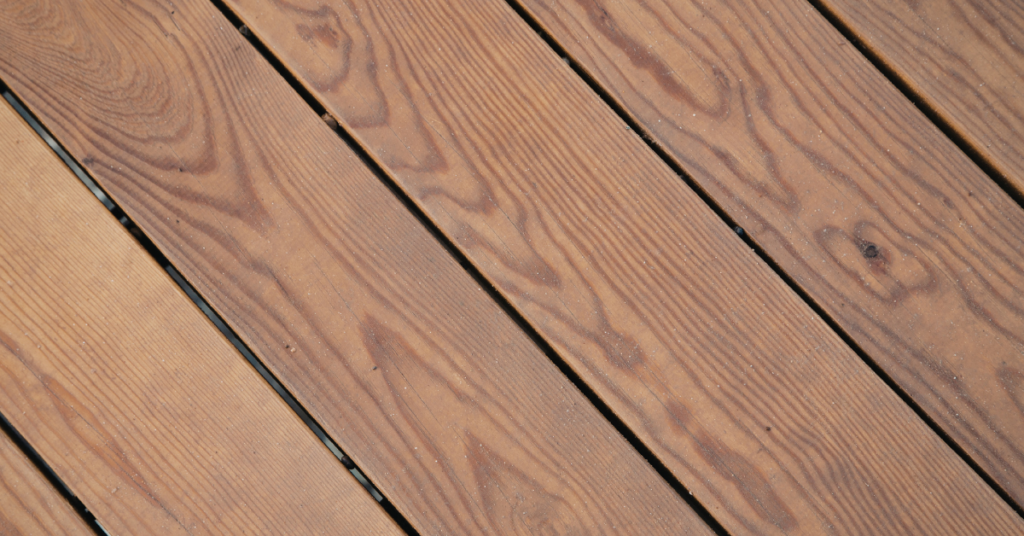
Proper application technique makes the difference between a deck that looks great for years and one that needs repair work within months. Following the right steps ensures your deck stain solid performs as expected.
Surface Preparation Steps
Clean your deck thoroughly before applying any stain. Use a deck cleaner that removes dirt, mildew, and old finishes. A pressure washer works well for deep cleaning but keep the pressure moderate to avoid damaging wood fibers.
Sand rough areas and splinters smooth. Deck stain solid won’t hide surface texture, so smoothing is important for a professional look. Use 80-grit sandpaper for rough spots and finish with 120-grit for a smooth surface.
Check for damaged boards and make repairs before staining. Replace cracked or rotted boards. Set any protruding nails or screws below the surface. Fill large gaps or holes with exterior wood filler.
Preparation Checklist:
- Remove all furniture and planters
- Sweep off loose debris
- Apply deck cleaner and scrub
- Rinse thoroughly with water
- Let deck dry 48-72 hours
- Sand rough areas and splinters
- Make necessary repairs
- Cover adjacent surfaces and plants
Application Techniques
Choose the right applicator for deck stain solid. A pump sprayer followed by back-brushing gives the best results. The sprayer applies product quickly and evenly, while brushing works it into the wood and eliminates lap marks.
Start in a corner and work toward your exit point. You don’t want to stain yourself into a corner with no way off the deck. Apply deck stain solid in manageable sections, usually 3-4 boards at a time, to maintain a wet edge.
Work with the wood grain, applying stain in long, smooth strokes. Avoid overlapping areas that have started to dry, which creates darker spots. Keep application rates consistent across the entire deck for uniform appearance.
Drying and Curing
Let your deck stain solid dry completely before walking on it. Most products dry to touch in 4-8 hours but need longer before heavy use. Check the manufacturer’s recommendations for recoat times and when to resume normal deck use.
Protect your freshly stained deck from rain for at least 24-48 hours. Check weather forecasts before starting your project. If rain threatens, wait for a better time or plan to cover your work with tarps.
Curing takes longer than drying. Deck stain solid reaches full hardness and durability after several days to a week. Avoid dragging furniture or placing planters during this curing period to prevent marks or damage.
Maintaining Your Solid Stained Deck
Regular maintenance extends the life of your deck stain solid and keeps your outdoor space looking its best. Simple care prevents major problems and delays the need for complete refinishing.
Cleaning and Routine Care
Sweep your deck regularly to remove leaves, dirt, and debris. These materials hold moisture against the deck surface and can cause staining or promote mold growth. A quick sweep once a week prevents buildup.
Wash your deck stain solid surface with mild soap and water twice a year. Use a soft brush to scrub away dirt and environmental grime. Avoid harsh chemicals or abrasive cleaners that can damage the finish.
Address spills and stains promptly. Food, drinks, and plant matter can discolor deck stain solid if left too long. Most spills clean up easily with soap and water when tackled right away.
Inspecting for Problems
Check your deck twice yearly for signs of wear or damage. Look for areas where the stain appears thin or worn, especially in high-traffic zones. Early detection lets you spot-treat small areas before they become major problems.
Watch for peeling, cracking, or bubbling in the deck stain solid finish. These signs indicate moisture issues or application problems. Addressing them quickly prevents damage from spreading to larger areas.
Inspect the wood underneath periodically. When stain wears thin in spots, check if the exposed wood looks gray or damaged. Catch deterioration early by applying fresh solid stain to worn areas before moisture damages the wood.
When to Recoat
Most deck stain solid applications last 4-5 years before needing fresh coating. However, high-traffic areas may need attention sooner. If more than 25% of your deck shows wear, it’s time to recoat the entire surface for uniform appearance.
Recoating is simpler than the initial application if the existing finish is in good condition. Clean thoroughly, lightly sand any rough spots, and apply a fresh coat of deck stain solid. No stripping is necessary when the old finish is still bonding well.
When the existing solid stain is peeling or failing significantly, complete removal gives better results than coating over problems. True Coat’s professional team can assess your deck’s condition and recommend whether cleaning and recoating or complete refinishing makes more sense for your situation.
Cost Considerations for Solid Deck Staining
Understanding the costs involved in deck stain solid projects helps you budget appropriately and make informed decisions about DIY versus professional application.
Material Costs
Quality deck stain solid products range from moderate to premium prices. A gallon typically covers 250-350 square feet, depending on wood porosity and application method. Calculate how many gallons you need by measuring your deck area and checking the product’s coverage rate.
Additional supplies add to your budget. You’ll need brushes, rollers or sprayers, cleaning products, sandpaper, painter’s tape, and possibly wood cleaner or stripper. These items can add a significant amount to a DIY project, especially if you don’t already own the tools.
Choosing quality over price often saves money long-term. Premium deck stain solid products last longer and look better, reducing how often you need to refinish. Cheaper products might save money initially but require more frequent reapplication.
Professional Application Value
Professional deck staining provides value beyond just labor. Experienced contractors like True Coat know proper preparation techniques, application methods, and which products work best in Winnipeg’s climate. This knowledge prevents costly mistakes that plague DIY projects.
Time savings matter for busy homeowners. A professional crew completes deck staining much faster than weekend DIY work. What might take you several weekends can be finished in a day or two by professionals.
Warranty and guaranteed results give you peace of mind. True Coat offers a 3-year craftsmanship warranty on completed work. If problems develop due to application issues, we fix them at no additional cost. DIY projects come with no such protection.
For accurate pricing on your specific deck, contact True Coat for a free estimate. We assess your deck’s size, condition, and specific needs to provide transparent, upfront pricing.
Things to Know About Deck Stain Solid
Before committing to deck stain solid for your project, several important considerations can help you make the best choice for your specific situation and ensure successful results.
Climate Compatibility
Winnipeg’s weather patterns make deck stain solid an excellent choice for year-round protection. The extreme temperature swings between hot summers and freezing winters require durable finishes that won’t crack or peel with constant expansion and contraction.
Snow and ice create challenges for any deck finish. Deck stain solid provides better protection against moisture intrusion than thinner stains, helping prevent freeze-thaw damage. The solid barrier keeps water from soaking into wood where it can freeze and cause splitting.
UV protection is critical during bright summer months. The long days of sunlight in Winnipeg summers break down unprotected wood quickly. Solid stain’s high pigment content blocks harmful UV rays effectively, preserving wood integrity underneath the finish.
Wood Type Compatibility
Different wood species accept deck stain solid differently. Softwoods like pine or spruce absorb stain readily and typically need only one coat. Hardwoods like oak or maple are denser and might require more careful application or additional coating for even coverage.
Pressure-treated lumber needs special consideration. New pressure-treated wood contains chemicals and moisture that prevent proper stain adhesion. Wait at least 6 months after installation before applying deck stain solid to pressure-treated decks. Test water absorption first by sprinkling water on the surface, if it beads up, the wood isn’t ready.
Composite decking cannot be finished with deck stain solid. These synthetic materials don’t absorb stain and the coating will peel off quickly. Solid stain is strictly for natural wood deck surfaces.
Long-Term Commitment
Choosing deck stain solid is a long-term decision. Once you cover your deck with solid stain, switching back to transparent or semi-solid finishes requires complete removal of all existing coating. This process is labor-intensive and expensive.
Future maintenance must continue with solid products. You can’t successfully apply transparent or semi-solid stain over existing deck stain solid. The opaque finish must be maintained with similar opaque products or completely stripped before changing to a different finish type.
Color changes remain possible within the solid stain category. You can change from one solid stain color to another during recoating. This flexibility lets you update your deck’s appearance without starting from scratch.
For help deciding if deck stain solid is the right choice for your outdoor space, consider exploring what are the best drywall companies in Winnipeg for quality home repairs or learning about our complete range of exterior painting approaches that complement deck finishing.
Making the Right Choice for Your Deck
Selecting deck stain solid over other finishing options depends on your priorities, your deck’s current condition, and the look you want to achieve. The right choice balances practical protection with aesthetic preferences.
If you value low maintenance and long-lasting protection, deck stain solid delivers excellent results. The durability means fewer refinishing projects over the years, saving you time and effort. The complete coverage protects against Winnipeg’s challenging weather conditions.
For decks with imperfections, previous repairs, or mixed wood types, solid stain creates a uniform, professional appearance. You get design flexibility with unlimited color choices, allowing your deck to complement your home’s exterior perfectly.
Consider working with True Coat’s experienced professionals who understand local climate challenges and proper application techniques. Our painting company services extend beyond just application to include thorough consultation, preparation, and finishing that ensures your deck stain solid project exceeds expectations.
Whether you’re refreshing an existing deck or finishing a newly built space, the right approach to deck stain solid application makes all the difference. True Coat combines quality materials, proven techniques, and local expertise to deliver beautiful, durable results that protect your investment for years to come.
Frequently Asked Questions
Is solid stain good for a deck?
Yes, solid stain is excellent for decks. It provides superior protection against moisture, UV damage, and wear compared to lighter stain options. Deck stain solid works particularly well for older decks with imperfections, offering complete coverage that hides blemishes while delivering 4-5 years of durability. The finish is ideal for homeowners who want a specific color without visible wood grain.
What is the best rated solid color deck stain?
The best rated deck stain solid products feature high pigment content, excellent UV resistance, and proven durability. Top-rated options include formulas with 40% or higher solids content, mildew resistance, and warranties of 3+ years. Quality varies by brand, so look for products with positive customer reviews specifically mentioning color retention and longevity in climates similar to Winnipeg. Professional contractors can recommend tested products that perform reliably.
What’s the difference between semi-solid and solid deck stain?
The main difference is coverage and wood grain visibility. Semi-solid stain allows some wood grain to show through while adding color, requiring recoating every 2-3 years. Deck stain solid provides complete opacity, hiding all wood grain and creating a uniform surface that lasts 4-5 years. Solid stain offers more color choices and better UV protection but requires more thorough surface preparation before application.
Do you need two coats of solid stain on a deck?
Most applications need only one coat when applied correctly. Properly prepared wood typically achieves full coverage with a single application of deck stain solid. However, heavily weathered decks, very light colors over dark wood, or previously stained surfaces may require two thinner coats for uniform appearance. Always follow manufacturer recommendations for application rates and recoat timing.
Why is my solid deck stain peeling?
Peeling occurs due to poor surface preparation, moisture issues, or application errors. Common causes include inadequate cleaning before staining, applying deck stain solid over damp wood, failing to remove old finishes completely, or applying the product too thickly. Temperature extremes during application also contribute to adhesion failures. Fix peeling by removing all loose material, cleaning thoroughly, letting wood dry completely, and reapplying with proper technique.