Painting Preparation: A Complete Guide from Winnipeg Professionals
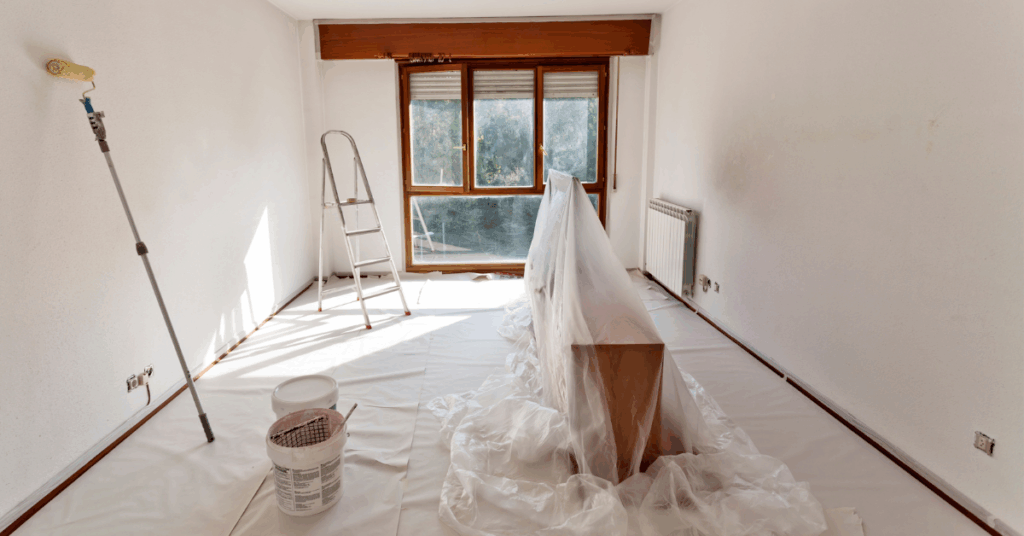
Knowing how to prep your home for painting can make the difference between a professional-looking finish and a disappointing result. Preparation accounts for approximately 70% of a successful paint job, affecting both appearance and longevity. Whether you’re refreshing a single room or planning a whole-house makeover, proper surface preparation, thorough cleaning, and careful protection of your belongings create the foundation for beautiful, long-lasting results. Understanding the Importance of Proper Surface Preparation for Painting Surface preparation directly impacts paint adhesion, finish quality, and durability. Skipping preparation steps often leads to peeling, bubbling, or uneven color coverage within months. Professional painters spend considerable time on prep work because it eliminates future problems and saves money on touch-ups or complete repaints. Clean surfaces allow paint to bond properly with walls and trim. Dust, grease, and old flaking paint create barriers that prevent new coatings from adhering correctly. Filling holes and cracks before painting prevents shadows and texture problems that become more visible once paint dries. Clearing and Protecting Your Space Remove as much furniture as possible from the room before starting any painting project. Items that cannot be moved should be clustered in the center and covered with canvas drop cloths or plastic sheeting. Canvas drop cloths are preferable because they absorb paint spills rather than creating slippery surfaces. Take down wall decorations, curtains, and curtain rods. Remove outlet covers, light switch plates, and any hardware attached to walls or trim. Store these small items in labeled bags so you can easily reinstall them after painting. Cover floors completely with drop cloths, securing edges with painter’s tape to prevent shifting during work. Cleaning Walls and Surfaces Thoroughly Begin wall preparation by dusting from ceiling to floor using a microfiber cloth or vacuum with a brush attachment. Cobwebs and dust particles interfere with paint adhesion and can get trapped in wet paint, creating bumpy textures. Wash walls with a solution of warm water and mild dish soap or trisodium phosphate (TSP) for heavily soiled areas. Use a sponge to clean in circular motions, working from bottom to top to prevent streaking. Rinse with clean water and allow walls to dry completely before proceeding—typically 24 hours depending on humidity levels. Kitchen and bathroom walls often have grease buildup or mildew that requires special attention. For mildew, use a mixture of water and bleach (one part bleach to three parts water) applied with a spray bottle, then scrub gently and rinse thoroughly. Repairing Damaged Areas in Painting Inspect walls carefully for holes, cracks, dents, and other imperfections. Small nail holes can be filled with spackling compound using a putty knife. For larger holes, you may need drywall patches or mesh tape before applying joint compound. Apply spackling or joint compound in thin layers, allowing each layer to dry before adding more. Overfilling creates extra sanding work. Once repairs are completely dry, usually within a few hours—sand them smooth with fine-grit sandpaper (150 to 220 grit). Cracks along ceiling lines or in corners often indicate settling and may reappear after painting. Use flexible caulk designed for paintable applications to fill these gaps. Smooth caulk with a wet finger or caulk tool immediately after application for a seamless appearance. How to Prep Your Home for Painting: Sanding Techniques Sanding creates a slightly rough surface that helps new paint grip effectively. Use medium-grit sandpaper (100 to 120 grit) for initial sanding on glossy surfaces or old paint, then finish with fine-grit (150 to 220 grit) for smoothness. Sand lightly in circular motions without applying excessive pressure. Over-sanding can damage drywall paper or create uneven surfaces. After sanding, wipe walls with a slightly damp cloth to remove all dust particles before painting. Previously painted trim and doors with glossy finishes require sanding to dull the sheen. This step is essential because new paint won’t adhere properly to slick, glossy surfaces. Use a sanding block for flat surfaces and folded sandpaper for detailed molding. Priming for Professional Results Primer seals porous surfaces, covers stains, and creates uniform color absorption. New drywall, patched areas, and dark wall colors all require priming before applying finish coats. Skipping primer often means needing three or four coats of expensive finish paint instead of one coat of affordable primer plus two finish coats. Stain-blocking primers prevent water stains, smoke damage, and marker drawings from bleeding through new paint. These specialized primers are particularly important in bathrooms, kitchens, and children’s rooms where staining is common. Apply primer using the same techniques you’ll use for finish paint, cutting in edges first with a brush, then rolling larger areas. Allow primer to dry according to manufacturer instructions, typically two to four hours, before applying paint. Taping and Masking Quality painter’s tape protects trim, windows, and adjacent surfaces from accidental paint marks. Apply tape carefully along edges, pressing firmly to seal and prevent paint seepage underneath. Remove tape while paint is still slightly damp for clean lines without pulling off dried paint. Use wider tape or masking paper for protecting baseboards and larger trim pieces. Plastic sheeting can protect windows, but be sure to tape all edges completely to prevent paint mist from reaching glass during rolling. Avoid leaving painter’s tape in place for extended periods. Most tapes are designed for removal within 7 to 14 days. Tape left longer may leave adhesive residue or become difficult to remove without damaging surfaces. Ventilation and Safety Considerations Proper ventilation during preparation and painting protects your health and speeds drying times. Open windows and use fans to maintain air circulation throughout the workspace. This is particularly important when using TSP, primers, or oil-based products that emit stronger fumes. Wear appropriate safety equipment including dust masks during sanding, gloves when handling cleaning solutions, and safety glasses when working overhead. Keep children and pets out of work areas until all preparation and painting is complete and fumes have dissipated. Professional Support for Preparation Projects While many homeowners can handle basic preparation work, some situations benefit from professional expertise. Extensive water damage, lead paint
Professional Painting Process: From Start to Finish
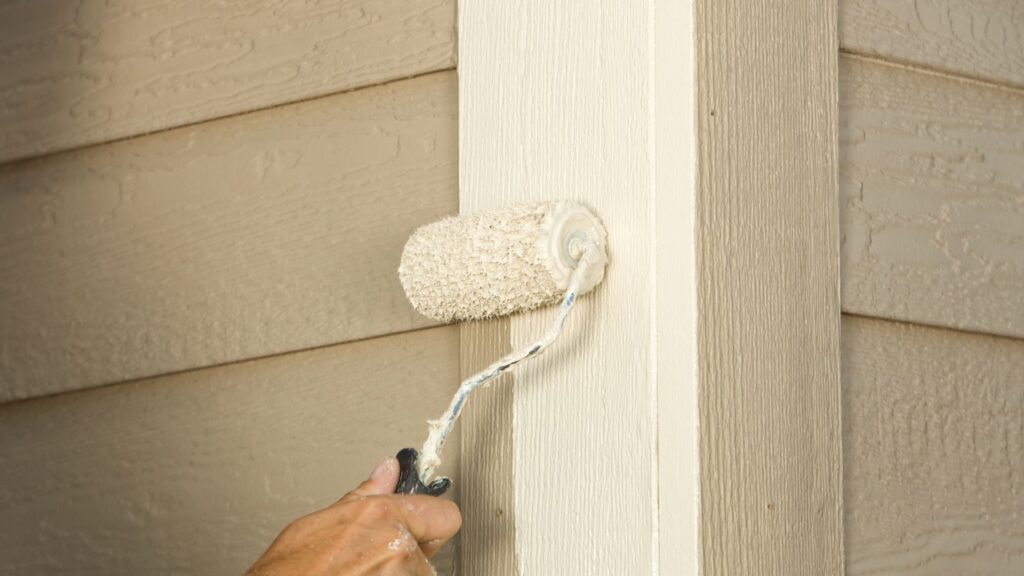
A professional painting process guide makes all the difference between a paint job that lasts three years and one that lasts fifteen. Most homeowners focus on choosing the perfect color, but the real secret to a flawless finish starts long before anyone opens a paint can. Professional painters know that proper prep work accounts for roughly 70% of a successful project, while the actual painting makes up the remaining 30%. True Coat stands ready to help homeowners and business owners across Winnipeg create elegant spaces and professional painting that last. Walking through a professional painting process reveals why some paint jobs look magazine-worthy while others start peeling within months. The steps might seem straightforward at first glance, but each phase requires specific techniques, timing, and attention to detail that separate amateur attempts from professional results. Understanding the Foundation of Quality Paint Work from Professional Painting The transformation of any space begins with a solid foundation. Paint only performs as well as the surface underneath it, which means skipping preparation steps creates problems that no amount of premium paint can fix. Surface preparation directly affects how paint bonds to walls, ceilings, and trim. Old paint that’s flaking, walls with grease buildup, or surfaces with dust and debris prevent new paint from forming a proper bond. Think of it like trying to stick a bandage to dirty skin. It might hold for a moment, but it won’t last long. Temperature and humidity play bigger roles than most people realize. Paint needs specific environmental conditions to cure properly. Too cold, and the paint won’t flow smoothly or dry correctly. Too humid, and moisture gets trapped under the paint film, leading to bubbling and peeling down the road. Professional painters check these conditions before starting any project. They understand that rushing through prep work to save a few hours costs much more time and money when repairs become necessary later. Before Starting Professional Painting Do Evaluating Space Before you touch a paint brush, you need to really look at your space. Every crack, stain, and imperfection tells you what work needs doing. Missing these signs means you’ll deal with bigger problems once the paint goes on. Professional Painting Identifying Surface Issues and Damage Walls rarely stay perfect over time. Small cracks appear around door frames. Nail holes dot the surfaces where pictures once hung. Water stains might peek through from old leaks. Each problem needs a different fix. Hairline cracks often signal normal settling, but wider cracks might mean structural issues that need addressing before any painting begins as Professional Painting. Water stains require investigation because painting over moisture problems just hides them temporarily. The stains will return, sometimes bringing mold along with them. Peeling or bubbling paint points to adhesion failures from the previous paint job. These areas need complete removal down to bare drywall or plaster. Leaving them and painting over creates a lumpy, unprofessional finish that highlights rather than hides the problem. Glossy surfaces present their own challenges. Paint struggles to stick to shiny finishes without proper preparation. Kitchens and bathrooms often have these surfaces because previous owners wanted easy-to-clean walls. Now those same walls need roughing up before new paint will stick. Professional Painting Assessing Paint Type and Compatibility Not all paints work well together. Latex paint over oil-based paint without proper prep leads to widespread peeling. Oil-based paint applied directly over latex can work, but it requires specific primers and techniques. Testing existing paint takes seconds. Rubbing a cotton ball soaked in rubbing alcohol on the wall reveals the paint type. If color transfers to the cotton, the paint is latex. No color transfer means oil-based paint underneath. Knowing the existing paint type guides every decision moving forward. It determines which primers to use, whether sanding becomes necessary, and how many coats the final job might require. Missing this step causes headaches that proper testing prevents. The Complete Painting Preparation Guide for Surface Prep Surface preparation separates professional results from disappointing amateur attempts. This phase takes longer than the actual painting, but cutting corners here guarantees problems later. Getting your surfaces ready means doing several tasks in the right order with the right techniques. Professional Painting Clearing and Protecting the Room Empty rooms paint faster and better than furnished ones. Moving everything out means you’re not constantly dancing around furniture and reduces the chance of paint splatters on belongings. When moving everything proves impossible, group furniture in the center of the room and cover it completely. Drop cloths matter more than people think. Plastic sheets seem cheaper, but canvas drop cloths actually protect better because they absorb spills instead of spreading them around with every footstep. Professional painters use canvas for floors and plastic only for large furniture pieces that need complete coverage. Remove switch plates, outlet covers, and light fixtures. Taping them off seems faster, but paint still seeps underneath, creating messy edges that look sloppy. Unscrewing a few plates takes minutes and produces much cleaner results. Door hardware gets the same treatment. Taking off knobs, hinges, and strike plates before painting means no careful brushwork around metal parts. The paint goes on faster, looks better, and hardware stays free of accidental splatters. Professional Painting Cleaning Walls and Surfaces Thoroughly Clean walls accept paint better than dirty ones. Grease, dust, cobwebs, and general grime create a barrier between paint and wall surface. That barrier prevents proper adhesion and leads to early paint failure. Kitchen walls need extra attention because cooking splatters leave oily residue that repels water-based paints. A mixture of warm water and trisodium phosphate (TSP) cuts through this grease effectively. Regular dish soap works for lighter cleaning jobs, but TSP handles heavy buildup better. Bathroom walls collect soap scum and moisture-related residue. These need thorough cleaning and complete drying before painting starts. Painting over damp walls traps moisture that eventually causes paint to peel and bubble. Ceilings collect dust and cobwebs that most people ignore until painting time. A quick pass with a vacuum extension
Paint Selection Guide: Colors, Types & Finishes
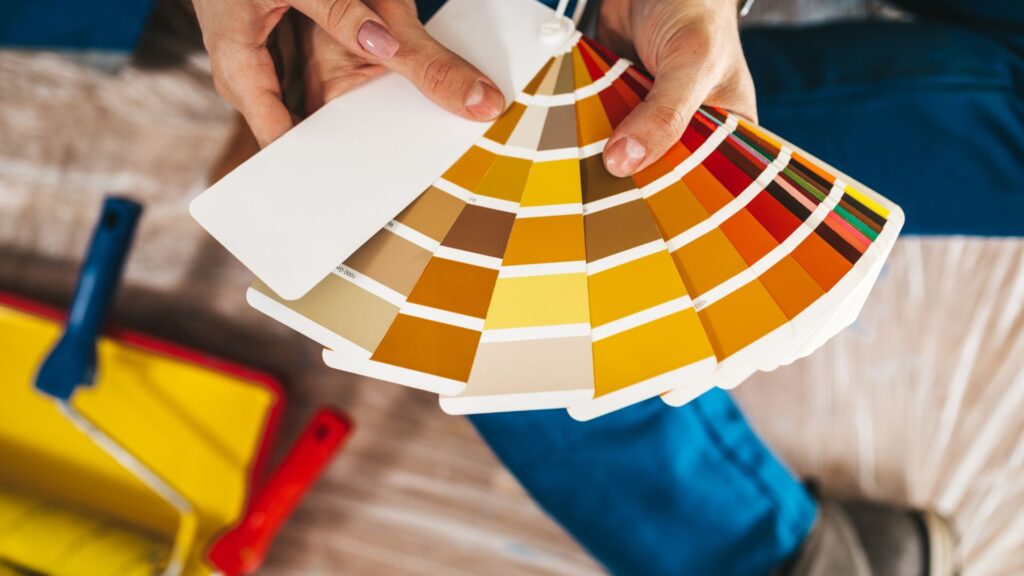
A good paint selection guide helps homeowners make smart choices about colours, types, and finishes for their painting projects. Picking the right paint is way more complicated than just choosing a nice colour from those sample cards. You need to think about what the room is used for, how much light it gets, what kind of surfaces you’re painting, and how long you want it to last. The paint you choose affects everything from how your home looks to how much maintenance you’ll need to do later. Different rooms need different kinds of paint. Bathrooms need paint that handles moisture, kitchens need something you can scrub clean, and bedrooms work best with colours that help you relax. Getting these details right saves you from expensive do-overs and disappointing results. Understanding Paint Types and Formulations Different paint types work better for different jobs and perform differently depending on where you use them. Modern paints have come a long way from just basic latex and oil-based options. Now you’ve got advanced formulas that last longer, cover better, and go on easier. Water-Based vs Oil-Based Paint Fundamentals Water-based paints, usually called latex paints, dominate the home painting market for good reasons. They dry fast, clean up with soap and water, and don’t release as many nasty fumes as oil-based paints. Latex paints keep their colour better over time and resist cracking and peeling on most surfaces. Oil-based paints still work better in certain situations even though they’re not as popular anymore. They stick better to previously painted surfaces, level out smoother, and last longer on high-traffic areas. But they need mineral spirits for cleanup, take forever to dry, and smell awful while you’re applying them. Hybrid paint formulas combine the best of both worlds. Alkyd-modified latex paints flow and level better while still cleaning up with water and having low odour. These work really well for trim work and cabinets where you want that smooth finish. Understanding these basic differences helps you make paint selection guide decisions based on what you actually need instead of just going by marketing hype or price. Specialty Paint Formulations Paint and primer combinations try to make things simpler but don’t always give you the best results. These products work okay over previously painted surfaces that are in good shape, but they might not cover stains, bold colours, or bare surfaces properly. Knowing when to use separate primer and paint versus combination products prevents disappointment. Low-VOC and zero-VOC paints address health and environmental concerns while still performing well. These formulations have gotten much better recently, offering durability and coverage that matches traditional paints. They’re especially important for bedrooms, nurseries, and homes with people who have sensitivities. Antimicrobial paints have additives that stop mould, mildew, and bacteria from growing. These specialty formulas work well in bathrooms, basements, and other damp areas. However, they cost more than regular paints and might not be necessary in well-ventilated spaces that don’t have moisture problems. Self-priming paints contain more solids and special bonding agents that eliminate the need for separate primer on many surfaces. They work best over sound existing paint or properly prepped surfaces but shouldn’t be used over stains, glossy surfaces, or big colour changes without separate primer. Performance Characteristics and Durability Paint quality directly affects how well it performs and how long it lasts. Better-quality paints have more pigment and resin, giving you better coverage, colour that lasts, and durability. While they cost more upfront, quality paints often save money through less maintenance and longer life. Coverage rates vary a lot between paint qualities and colours. Premium paints typically cover 350 to 400 square feet per gallon, while cheap ones might only cover 250 to 300 square feet. Dark colours usually need more coats than lighter ones, no matter what quality paint you use. Washability ratings tell you how well paint stands up to cleaning without getting damaged. Paints rated for heavy-duty cleaning work well in kitchens and kids’ rooms, while those suitable for light cleaning are fine in bedrooms and formal areas. Understanding these ratings helps you match paint performance to how the room gets used. Fade resistance becomes really important for colours that get hit with direct sunlight. Some colours, especially bright reds and blues, fade faster than others. Quality paints use lightfast pigments and UV-resistant formulas to keep colours looking good longer. Paint Selection Guide for Color Theory and Psychology Picking colours involves both how they look and how they make you feel, which affects how spaces work and feel to live in. Understanding how colours work together and their effects on mood helps create environments that support your lifestyle and preferences. Understanding Color Relationships Primary colours (red, blue, yellow) form the base for all other colours and make bold, energetic statements in rooms. Using primary colours effectively needs careful balance because they can quickly overwhelm smaller rooms or create visual fatigue in spaces where you want to relax. Secondary colours (orange, green, purple) come from mixing primary colours and work better in most home situations. Green works well in bedrooms and offices because it’s calming, while orange adds warmth to social spaces. Purple ranges from classy deep tones to fun lighter shades. Tertiary colours blend primary and secondary colours, creating subtle options like blue-green, red-orange, or yellow-green. These colours often feel more sophisticated and easier to live with than pure primary or secondary options. They provide subtle interest without overwhelming other design elements. Complementary colours sit opposite each other on the colour wheel and create strong contrast when used together. However, using them equally can create visual tension. Instead, use one as the main colour and the other as an accent for more pleasing results. Psychological Effects of Different Colors Warm colours (reds, oranges, yellows) come forward visually, making spaces feel cosier but smaller. They get people talking and make you hungry, so they’re great for dining rooms and kitchens. However, they can feel overwhelming in bedrooms or offices where you need calm focus. Cool
Commercial Painting Solutions for Canadian Businesses
Every Canadian business owner knows that first impressions count, and your building’s paint job says a lot about your company. This commercial painting guide covers everything you need to transform your business space with professional painting that works for Canada’s tough climate and business needs. Your paint job talks before customers even walk through your door. Running a retail store in Toronto? Managing offices in Vancouver? Operating a warehouse in Calgary? The right painting approach boosts property value and creates spaces that draw customers and great employees. Understanding Commercial Painting Basics Commercial painting is completely different from painting your house. The size alone creates challenges that need special equipment, skilled crews, and smart planning to keep your business running smoothly. Commercial painters use industrial materials built to handle heavy traffic, crazy weather, and the daily beating that comes with business life. These jobs often cover multiple floors, need special equipment to reach high places, and must follow safety rules and building codes. Project timelines change a lot based on square footage, how much prep work surfaces need, and your business schedule. Many contractors work nights or weekends so they don’t mess with your daily operations. This takes careful planning and coordination. Picking the Right Commercial Painting Contractor The wrong contractor can wreck your project. Start by checking that any contractor has proper licensing, insurance, and bonding for commercial work in your province. Experience with jobs like yours matters more than you think. A contractor who does retail spaces faces different problems than one who mainly works industrial sites. Ask for references from similar businesses and visit their completed projects when you can. Get detailed written quotes that break down labor, materials, prep work, and timeline. The cheapest bid usually isn’t the best deal when you think about delays, quality problems, and warranty coverage. Getting Surfaces Ready Good surface prep makes up about 80% of a painting job that lasts. This means power washing, scraping old paint, filling cracks, sanding rough spots, and priming when needed. Commercial buildings often have tricky prep needs. Older buildings might have lead paint that needs special removal. Industrial places could have grease, chemicals, or other mess that needs specific cleaning before paint goes on. Weather plays a big role in prep timing. Canadian winters make outside prep nearly impossible in many areas, while high humidity messes with drying times and how well paint sticks. Planning around weather prevents expensive delays and gets you better results. Exterior Commercial Painting That Works Canada’s tough climate needs specific outside painting that handles everything from prairie wind to ocean humidity. Your outside paint protects your building from weather while keeping it looking professional all year. Temperature swings, sun damage, rain, and freeze-thaw cycles all hit paint differently across Canada. Knowing these regional differences helps you pick the right materials and timing for where you are. Choosing Paint for Your Climate Here’s what works best in different parts of Canada: When to Paint Outside Most of Canada has short painting seasons, usually late spring through early fall. Planning your commercial painting guide timeline around good weather prevents delays and makes sure paint cures right. Spring jobs get mild temperatures and lower humidity but face unpredictable weather. Summer gives the most reliable conditions but you need to book early because contractors stay busy. Fall painting works well in many areas but watch for temperature drops that mess with curing. Some contractors offer better rates for fall work because demand drops. Picking Colors for Business Buildings Professional colors should match your brand while thinking about upkeep and local climate. Lighter colors reflect heat and hide dirt better. Darker colors might fade faster under strong sun. Think about your building style, surrounding area, and neighborhood when picking colors. Some cities have color rules or approval processes for commercial buildings that need advance planning. Test colors on different sides of your building to see how they look under various lighting throughout the day. What looks great in morning light might look totally different in afternoon sun or under artificial lighting. Interior Commercial Painting Approaches Inside commercial spaces create challenges that house painters rarely see. Heavy traffic, special equipment, air flow needs, and keeping business running all affect project planning. Different businesses need specific paint considerations. Medical places need germ-fighting coatings, restaurants need grease-resistant finishes, and manufacturing spaces might need chemical-resistant paints. Before diving into specific methods, you need to understand that interior commercial painting requires careful coordination between your business needs and the contractor’s work schedule. Working Around Your Business Schedule Businesses can’t always close for painting, so contractors must work around your hours. Many commercial painters specialize in doing work in sections while keeping your business running. Night and weekend schedules let painting happen without messing up normal business hours. This needs proper lighting, security coordination, and careful attention to air flow. Containment systems using plastic and negative air pressure protect work areas while stopping paint fumes and dust from getting into other spaces. These work really well in offices and medical facilities. Special Paint Applications Different business types need specific coatings: Handling Traffic and Wear High-traffic spots like lobbies, hallways, and stairs need paint that resists scuffing, scratching, and frequent cleaning. Semi-gloss and satin finishes usually work better than flat paints here. Wall protection like wainscoting, chair rails, and corner guards can make paint last longer in areas that get hit by equipment, carts, or heavy foot traffic. Planning these during design saves money compared to fixing damage later. Regular maintenance helps paint last longer and keeps your place looking professional. Touch-up programs cost less than complete repainting and keep your facility looking fresh between major jobs. Special Commercial Applications Different industries need unique painting solutions for specific operational needs and regulations. Knowing these special applications helps you pick the right materials and contractors for your business type. Healthcare places must meet strict infection control standards while staying welcoming. Schools need tough finishes that handle heavy use while creating good learning
Complete Home Painting Guide: Interior & Exterior 2025
This comprehensive home painting guide covers everything you need to know about painting your house, from picking colors to applying the final coat. Whether you’re doing this for the first time or just want to brush up on your skills, we’ll walk you through the whole process step by step. Painting your home can feel overwhelming at first. There’s so much to think about – what colors to pick, which paint to buy, how to prep the walls. But here’s the thing: once you break it down into manageable pieces, it becomes much easier. You’ll save money doing it yourself, and there’s something really satisfying about stepping back and seeing a room you just transformed. Most people jump into painting without understanding the basics, which leads to frustration and poor results. This comprehensive home painting guide will teach you professional techniques, help you avoid costly mistakes, and show you how to achieve results that rival what you’d get from hiring contractors. Planning Your Home Painting Project You wouldn’t start cooking dinner without checking what’s in your fridge first, right? Same goes for painting. Planning ahead saves you from those annoying trips to the hardware store in the middle of your project. Most people think painting is just about slapping some color on the wall, but that’s where they go wrong. The planning phase is where successful projects are born. Skip this step, and you’ll likely end up with patchy coverage, weird color choices, or a project that drags on for months. Setting Your Timeline Here’s what most homeowners don’t realize – painting takes way longer than you think. A single room typically needs 2-3 days when you factor in all the prep work, applying multiple coats, and waiting for everything to dry. If you’re tackling the outside of your house, we’re talking weeks, not days. A realistic timeline for a typical 12×12 bedroom includes: This doesn’t include drying time between coats, which can extend the project by another day in humid conditions. Budget Planning Paint costs can shock you if you’re not prepared. Good quality paint might cost twice as much as the cheap stuff, but it usually covers better and lasts longer. Here’s a realistic breakdown for painting a 12×12 room with 9-foot ceilings: For exterior projects, multiply these costs by 3-4 times depending on your home’s size. If you’re feeling overwhelmed by all this planning, the team at TrueCoat Paint can handle the entire project from start to finish. Interior Home Painting Guide: Room by Room Tips Interior painting is probably the most dramatic way to change how your home looks and feels. Each room has its own personality and challenges, and understanding these differences is crucial for success. Every room in your house serves a different purpose and gets used differently, which means your paint choices need to reflect those differences. The paint that works perfectly in your bedroom might fail miserably in your bathroom. Living Areas and Bedrooms These rooms give you the most freedom to play with color. Bigger rooms can handle bold, rich colors that might make smaller spaces feel cramped. For bedrooms, consider the psychological impact of colors: Color temperature matters more than people realize. Test your paint samples under the actual lighting you’ll use in the room. Kitchens and Bathrooms These rooms present unique challenges because they deal with constant moisture, steam, and temperature changes. You can’t just use any paint here – you need formulations specifically designed to handle humidity and frequent cleaning. Go with semi-gloss or satin finishes in kitchens and bathrooms. They’re much easier to wipe down when they get splattered or steamy. Flat paint soaks up moisture and stains, which is the last thing you want near your stove or shower. Kitchen painting considerations: Bathroom painting essentials: Color Selection That Makes Sense Picking colors is where a lot of people freeze up. There are thousands of options, and somehow you’re supposed to know which one will look good on your walls? Let’s make this easier. Color selection combines both art and science. Understanding color theory helps, but you also need to consider practical factors like lighting, room size, and how colors make you feel. Understanding Undertones Every paint color has undertones, and these can totally change how the color looks once it’s on your wall. That beige you thought was neutral might have pink undertones that clash with your brown furniture. Always test paint samples on your actual walls. Those tiny paint chips at the store don’t tell you much. Paint a decent-sized square and look at it throughout the day. Colors change dramatically from morning to evening light. Creating Flow Between Rooms If you have an open floor plan, you can’t just pick random colors for each area. They need to work together or your house will feel choppy and weird. The 60-30-10 rule works really well: 2025 Color Trends This year, people are gravitating toward earthy, calming colors: With more people working from home, camera-friendly backgrounds are actually influencing color choices. Soft, muted tones look professional on video calls while still feeling cozy in person. Need help choosing colors that work together? The color experts at TrueCoat Paint can help you create a cohesive color scheme that flows beautifully throughout your home. Surface Preparation: Why This Step Matters Most Professional painters spend most of their time on prep work, and there’s a good reason for that. This step determines whether your paint job looks great for years or starts peeling within months. You can use the most expensive paint in the world, but if you don’t prep properly, it won’t stick. Surface preparation is the foundation of any successful paint job. It’s also the most commonly skipped step in DIY projects, which explains why so many home paint jobs fail prematurely. Cleaning Walls Properly Your walls are probably dirtier than you think. Years of cooking grease, smoke, and just everyday living create invisible films that prevent paint from sticking properly. Use TSP (trisodium phosphate) or