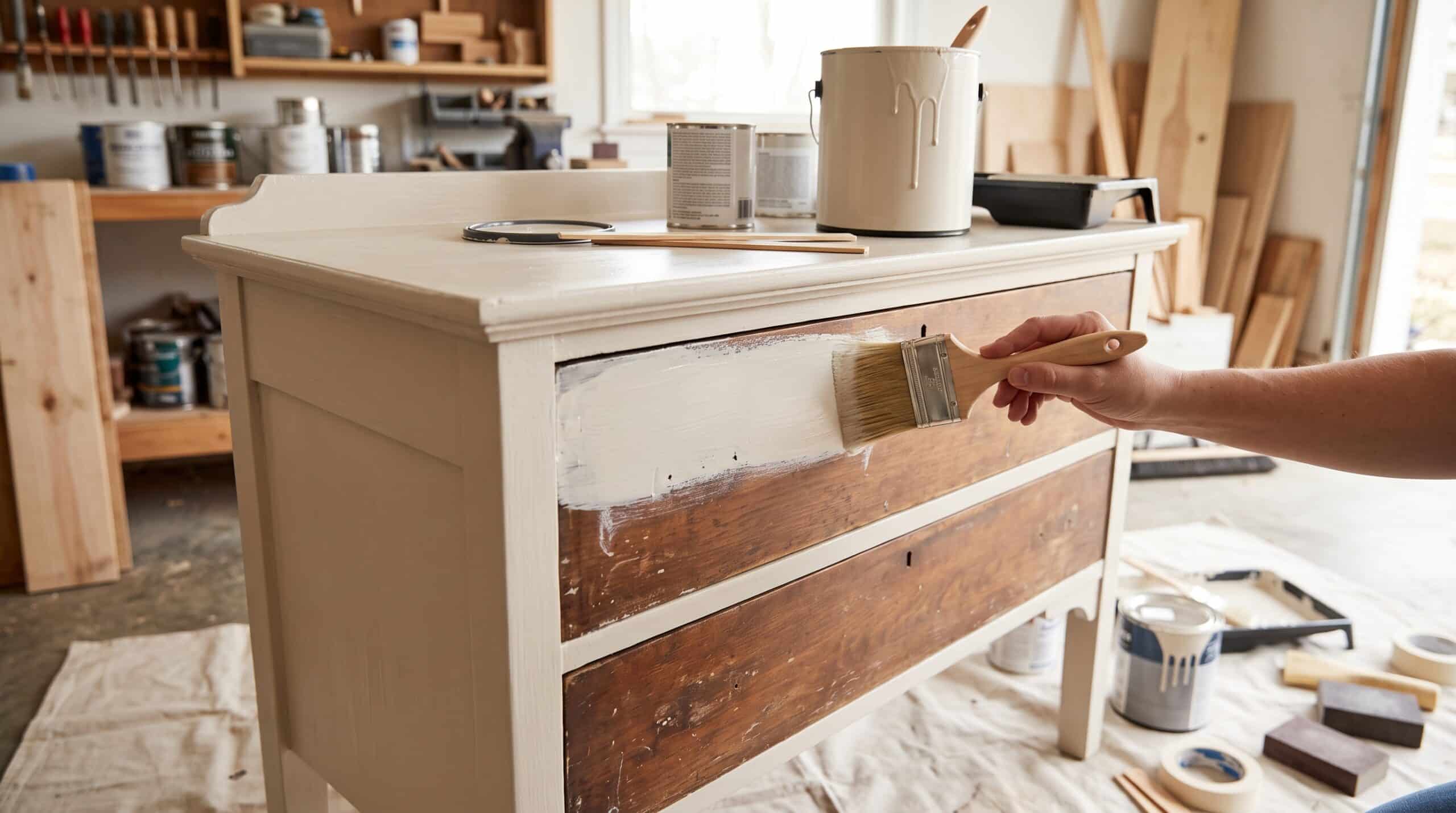

Paint pots are compact, handheld containers that painters use to carry a working supply of paint close to the job, keeping the main can sealed and the workspace cleaner.
They come in metal or plastic, range in size from 500 ml to 2 litres, and are especially useful for cutting in along trim, working on ladders, and tackling detail work.
Choosing the right type, filling it correctly, and cleaning it after each use are what separate a smooth finish from a messy one. Here you will find what they are made of, how to use them properly, which option suits your project best, and practical things every painter should know.
What Are Paint Pots?
Paint pots are small, open-top containers designed to hold a portion of paint for immediate use. Rather than dipping a brush directly into a heavy full-sized can, painters pour a modest working amount into the container and carry it alongside them as they move around a room or climb a ladder.
They typically hold between 500 ml and 2 litres, which is enough for a solid session without being too heavy to hold in one hand. Most include a handle, and many have a hook designed to clip onto a ladder rung so both hands stay free during elevated work.
Using one keeps the main can clean, reduces contamination from brushes, slows evaporation, and lowers the chance of tipping a large open container. They are a standard part of any organized painting setup, useful for both homeowners doing a weekend refresh and professional crews working on multi-day projects.

What Are Paint Pots Made Of?
The material matters more than most people expect. Different options suit different paint types, working conditions, and how often you plan to paint.
Metal Options
Metal containers, usually tinplate or galvanized steel, are the most durable choice. They resist warping from solvents, hold their shape under pressure, and clean up easily with the right cleaner. They are the best match for oil-based paints, primers, and stains because they do not break down from chemical exposure.
Professional painters often favour metal for longer jobs because the container feels solid and stable in hand. The one drawback is rust risk if the pot is not dried completely after washing.
Plastic Options
Plastic is lightweight and costs less than metal. It cleans up with soap and water, making it a natural match for latex and water-based paints. Some versions come with disposable liners, letting you swap colours mid-job without washing the container between each one.
Thinner plastic can flex or crack over time with repeated use, so look for heavier-walled options if you want something reusable for more than a single project.
Comparing Your Choices
| Feature | Metal | Plastic |
| Best paint type | Oil-based, primer, stains | Latex and water-based |
| Durability | High, lasts years | Medium, depends on thickness |
| Cleanup method | Solvent or warm water | Soap and water |
| Weight | Slightly heavier | Very light |
| Cost | Moderate | Low to moderate |
How to Use Paint Pots Correctly
Getting the process right from the start saves time and helps you get better, more even coverage.
Stir your paint thoroughly in the main can before pouring. Then fill the container to about one-third to one-half of its capacity. Overfilling leaves no room to load your brush cleanly and makes spills more likely.
Dip only the lower third of your brush bristles into the paint, then wipe off the excess on the inner rim before applying. This prevents drips and gives you better control, especially when working close to edges or trim.
When on a ladder, clip the container onto a rung rather than holding it the entire time. This frees your non-painting hand for grip and balance.
At the end of each session, return unused paint to the main can instead of letting it sit and skin over. Clean the container right away, because dried paint is significantly harder to remove than fresh paint.
When Should You Use Paint Pots?
These containers are not necessary for every task, but there are specific situations where they are clearly the better choice over a full can or a large roller tray.
Cutting In Along Edges and Trim
Cutting in means painting a sharp, clean line along ceilings, corners, baseboards, and door or window frames before rolling the main wall area. Having the right container nearby means less walking back to a tray, which keeps your rhythm steady and your line sharper.
Working on Ladders
Carrying a full can up a ladder is awkward and creates a safety risk. A hooked container that clips to the ladder rung removes that issue entirely, keeps the paint stable, and leaves both hands available for the work.
Touch-Up Jobs
Small repairs, scuffs, and patched areas rarely need more than a few tablespoons of paint. Working from a small supply keeps the main can sealed and avoids exposing it to repeated air contact.
Detail and Trim Work
Painting window frames, moulding, cabinet edges, and other fine areas calls for careful, controlled strokes. Moving a small container along with you is far more practical than repositioning a heavy can every few minutes.
Choosing the Right Option for Your Project
The best choice depends on how often you paint, what kind of paint you are using, and how much mobility you need during the job.
| Project Type | Best Option | Reason |
| Interior cutting in | Plastic with ladder hook | Light, cleans with water |
| Exterior or oil-based work | Metal container | Solvent-resistant, durable |
| Quick one-time touch-ups | Disposable cup | No cleanup needed |
| Regular professional use | Metal with magnetic brush rest | Built for repeated heavy use |
For a single room or occasional home project, plastic is practical and affordable. For anyone working with oil-based products or painting frequently, a metal container is the better long-term investment.
Things To Know About Paint Pots
Before picking up a container for your next job, keep these practical points in mind.
- Pour only what you can use in 20 to 30 minutes. Paint left sitting in an open container starts to skin over quickly in warm or dry conditions.
- Never pour from an unstirred can. Colour separation produces streaky coverage from the very first stroke.
- Clean the container the same day. Dried paint significantly shortens its useful life and makes future cleaning harder.
- In cold weather, small open containers lose heat faster, which thickens the paint more quickly. Work in shorter sessions or let the paint warm indoors before starting.
- If using liners, replace the liner between colours instead of rinsing the container repeatedly during multi-colour work.
- Store clean containers upside down so any remaining moisture can drain fully before the next use.
- When working with dark colours followed by light ones, wash the container thoroughly between uses or switch to a fresh one to avoid tinting the lighter paint.
- Magnetic brush holders, available on some metal versions, are genuinely useful. They keep the brush suspended and off the bottom of the container, which means the bristles stay loaded but do not sit in pooled paint between strokes.
- If you are doing a room with multiple colours, label the outside of each container with tape so you never mix up your cutting-in colour and your trim colour mid-job.

Working With a Professional Painting Team
For larger jobs involving full exterior repaints, multi-room interiors, or detailed trim and ceiling work, professional painters bring the tools and experience to deliver clean, consistent results. They use paint pots as part of a larger process that keeps edges sharp and coverage even across the whole surface.
Homeowners in Winnipeg can view True Coat’s residential and commercial painting services, explore completed work through their project portfolio, or request a free estimate. True Coat is licensed, insured, and backs all completed work with a three-year craftsmanship warranty.
For more helpful reading, explore articles on finding the best interior painting companies for quality results, choosing the right exterior painters for your home, and what makes residential painting in Winnipeg a worthwhile investment.
Getting the Most Out of Paint Pots
Paint pots are one of the most practical tools a painter can have on hand. The right material for your paint type, the correct fill level, and a consistent habit of cleaning right after each session are what turn a basic container into a reliable part of your workflow. Whether you are cutting in along a ceiling, working from a ladder, or keeping a small touch-up supply nearby, these containers help you stay organized, reduce mess, and get better results from the first stroke to the last.
Frequently Asked Questions
Why do painters use paint pots instead of painting from the can?
They keep the main supply sealed and free from brush contamination. Dipping directly into a full can also risks tipping it, especially on a ladder. A smaller working container holds just enough for the current area and is far easier to carry and control.
How full should I fill the container before starting?
Fill it to about one-third to one-half of its capacity. This leaves room to load the brush cleanly and reduces overflow. A smaller amount also stays fresher during your working session than a completely full container would.
Are plastic paint pots good enough, or is metal always better?
Plastic works well for most latex and water-based paint jobs. Metal is the smarter choice for oil-based products or for anyone painting frequently. For a single room or occasional use, plastic is perfectly functional.
Can I leave paint sitting in the container overnight?
No. Return unused paint to the main can before stopping for the day. Even loosely covered, paint left in an open container will skin over or dry out overnight. Returning it keeps the paint usable and the container easy to clean.
How do I clean a paint pot after use?
Clean it right after finishing, while the paint is still wet. For latex paints, use warm soapy water. For oil-based paints, use the appropriate solvent, then follow with soap and water. Dry completely before storing, especially for metal containers, to prevent rust.