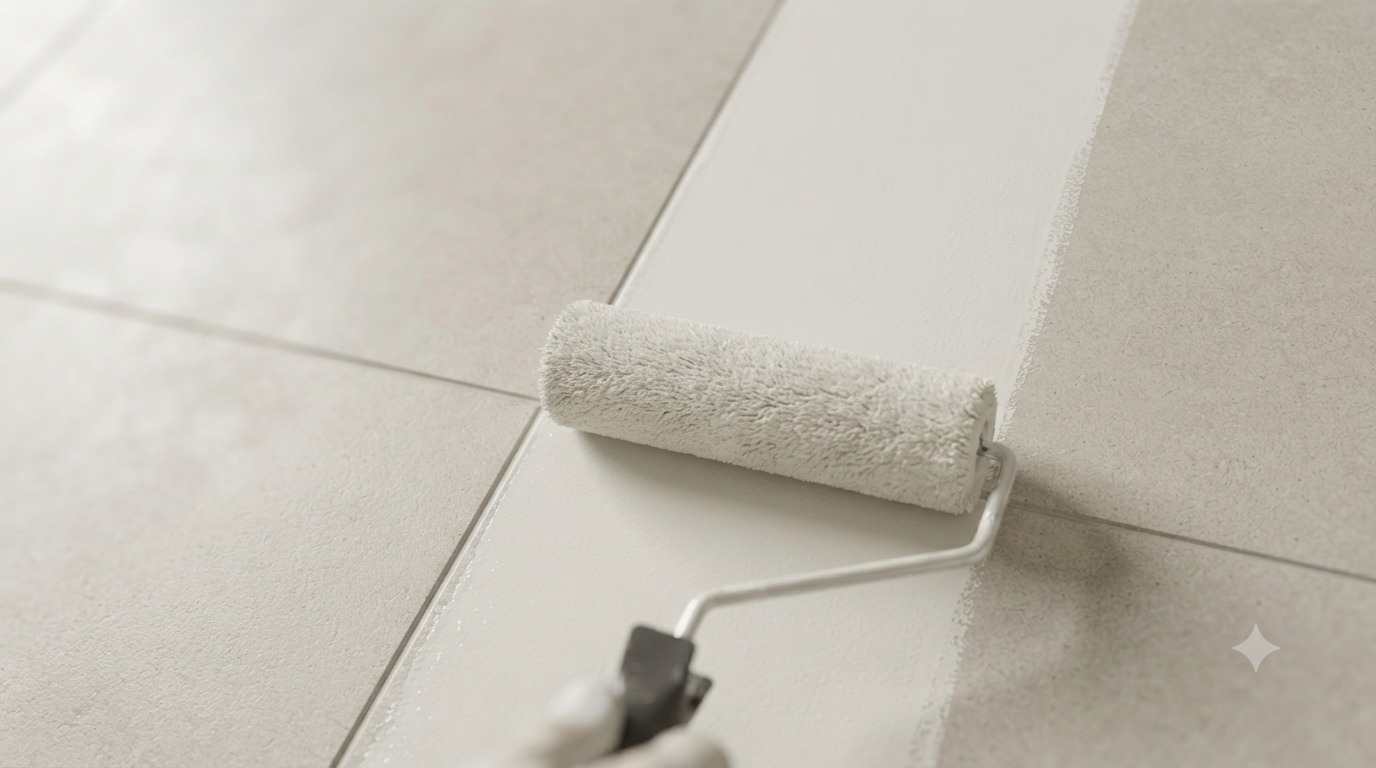
Painting bathroom tile is the process of cleaning, sanding, priming, and coating existing tile with paint made to stick to hard, glossy surfaces, changing the color of the tile without removing it.
When the surface is prepared properly and the right products are used, painting bathroom tile can hold up for three to five years on walls and one to two years on floors or tub surrounds before it needs a touch-up.
The process works in stages, starting with prep work, then primer, then paint, then a protective topcoat, and each stage needs time to dry or cure before the next one begins.
Choosing between painting bathroom tile and tearing it out for new material usually comes down to the condition of the existing tile, the budget available, and how long the bathroom needs to look its best.
A few extra details, like ventilation, grout color, and gentle cleaning afterward, make a noticeable difference in how long the finished surface holds up.
How Does Painting Bathroom Tile Work and Will It Last?
Painting bathroom tile depends on creating a bond between paint and a surface that is naturally smooth, hard, and slightly glossy. Standard wall paint cannot grip that kind of surface, which is why it tends to peel or chip off tile within days of being applied.
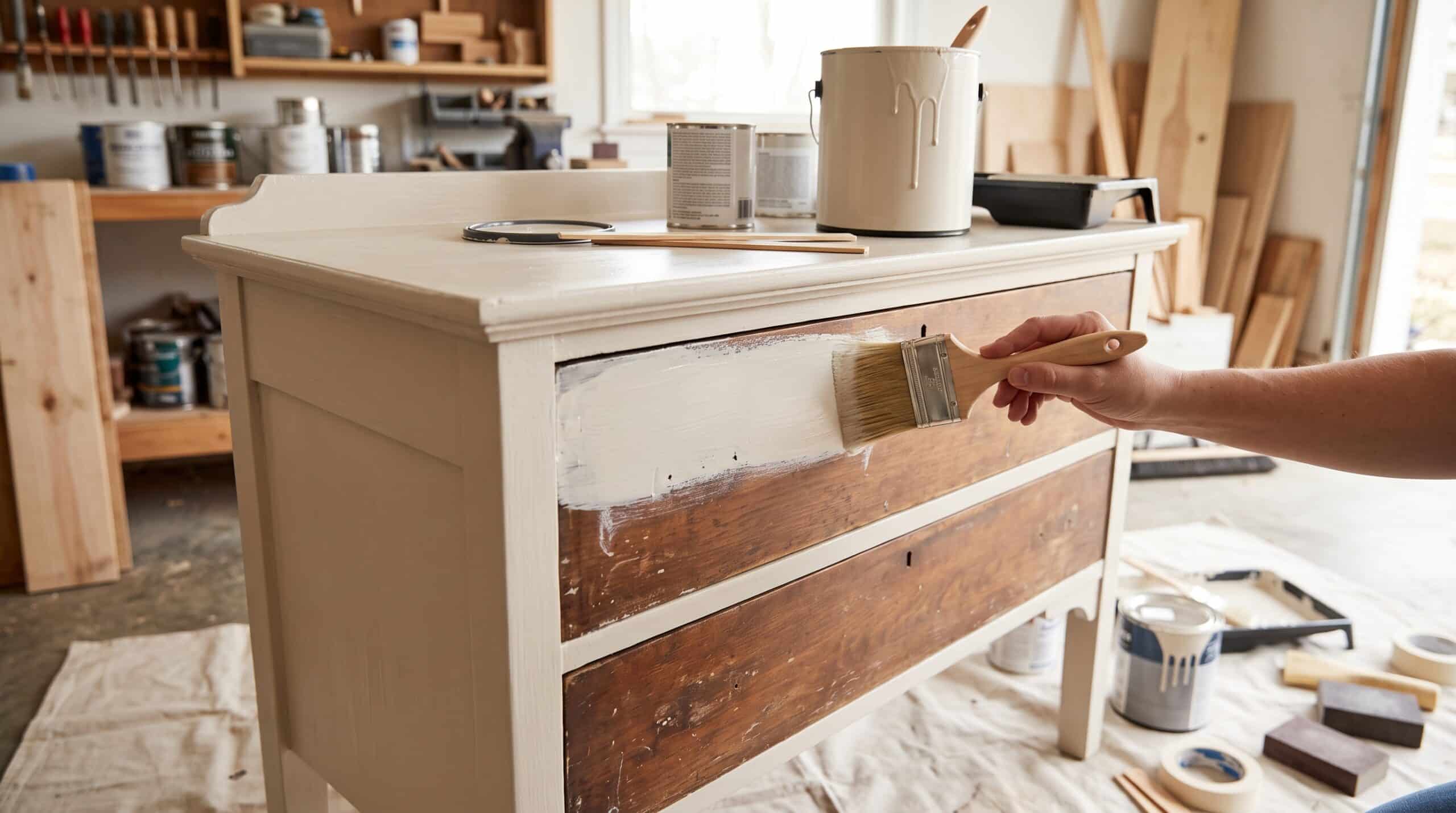
A bonding primer made for tile, glass, or laminate changes that by giving the surface a slight texture on a microscopic level, so the paint that goes on top has something to hold onto.
Once the primer cures, two thin coats of paint go on, followed in most cases by a clear protective topcoat. This layered approach is what gives the finished surface its strength, since the topcoat acts as a barrier against water, soap, and everyday scrubbing.
How long the result lasts depends on where it is in the bathroom. Painted tile on walls tends to last the longest, often three to five years, because walls stay mostly dry and see less direct contact.
Floors and tub surrounds deal with more moisture, foot traffic, and temperature changes, so a recoat is often needed within one to two years. With careful prep and a solid topcoat, painting bathroom tile gives most homeowners several years of good results before another refresh is needed.
What You Need Before Painting Bathroom Tile
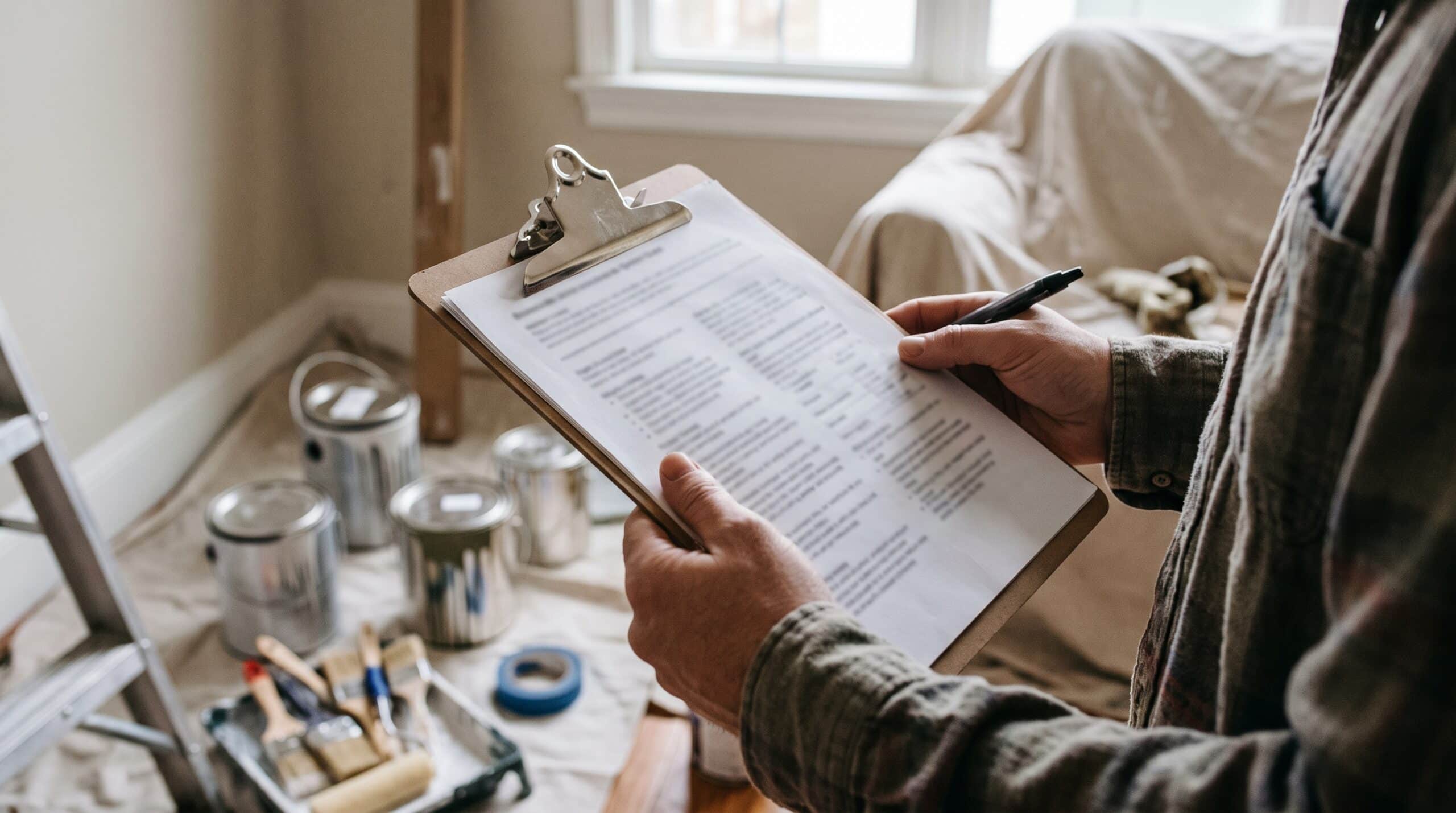
Most of the work in painting bathroom tile happens before any paint goes on. A clean, dry, and slightly roughened surface is what allows paint to bond, so gathering the right materials ahead of time keeps the project moving without delays or surprises.
Materials Checklist for Painting Bathroom Tile
- A degreasing cleaner to remove soap scum, oils, and grime
- Fine grit sandpaper, around 220 grit, or a sanding sponge
- Painter’s tape and plastic sheeting to protect grout lines, fixtures, and floors
- A bonding primer made for tile, glass, or laminate surfaces
- Tile and tub epoxy paint, or a urethane based tile paint
- Small foam rollers and angled brushes for grout lines and corners
- A clear protective topcoat, if not already part of the paint system
Having these items ready before starting keeps things on track, since stopping partway through to find a missing item can leave primer or paint drying unevenly. For anyone who would rather skip the prep work, professional painting services can handle tile cleaning, priming, and painting from start to finish.
Step-by-Step Process for Painting Bathroom Tile
Painting bathroom tile follows a set order, and the most common reason a tile paint job fails early is skipping steps or rushing the drying time between them.
Steps for Painting Bathroom Tile
- Clean the tile completely with a degreasing cleaner, then let it dry fully, since leftover residue stops primer from bonding properly.
- Sand the glazed surface lightly with 220 grit sandpaper to dull the shine, then wipe away dust with a damp cloth.
- Tape off grout lines, fixtures, and edges with painter’s tape to keep clean, sharp lines.
- Apply a thin, even coat of bonding primer and let it cure for the time listed on the label, often a full day.
- Apply two thin coats of tile paint, letting each one dry completely before adding the next.
- Finish with a clear topcoat for added protection against water and scrubbing.
- Avoid using the shower or bathtub for at least 48 to 72 hours so the paint can fully cure.
Walls with deeper damage, like cracks or uneven patches behind the tile, may need extra repair work first, and the same principles behind skim coating a ceiling apply just as well to smoothing out bathroom walls before painting begins.
Each stage builds on the one before it, so patience with drying and curing times matters more than the specific paint brand chosen.
Choosing the Right Paint for Painting Bathroom Tile
Not every paint works on tile, and using the wrong product is the most common reason painting bathroom tile results look patchy or start peeling within weeks. Three main paint types work well on tile surfaces, and each one fits a different part of the bathroom.
| Paint Type | Best For | Notes |
| Two part epoxy paint | Floors, tub surrounds, high moisture spots | Most durable choice, strong fumes, short working time before it sets |
| Urethane based tile paint | Walls, backsplashes, lower traffic areas | Easier to apply, wide color range, usually needs a separate topcoat |
| Latex paint with bonding primer | Accent walls or decorative tile away from water | Least durable option, best kept to areas with minimal moisture |
For most bathrooms, a urethane based tile paint paired with a strong bonding primer gives a good mix of ease and durability for walls. Epoxy paint is worth the extra effort on floors and tub surrounds, where the surface needs to handle standing water, foot traffic, and frequent cleaning over time.
Painting Bathroom Tile vs Replacing Tile: Which Option Is Best?
Choosing between painting bathroom tile and removing old tile for new material comes down to a few practical factors: the condition of the existing tile, the available budget, and how long the bathroom needs to look its best.
Painting makes sense for tile that is structurally sound but outdated in color or style. It costs far less than retiling, takes a few days including dry time instead of a week or more, and avoids the dust and mess of demolition. For a rental property or a home heading toward a sale, it offers a quick visual update without a major investment.
Replacing tile makes more sense when tiles are cracked, loose, or sitting on a surface with water damage underneath, since paint cannot fix problems with the structure behind the tile. New tile also lasts for decades with normal care, while a painted finish eventually needs a recoat.
| Factor | Painting Bathroom Tile | Replacing Tile |
| Upfront cost | Lower | Higher |
| Project length | A few days, including cure time | Several days to over a week |
| Result lifespan | A few years before a recoat | Many years with normal care |
| Best suited for | Cosmetic updates on sound tile | Cracked, loose, or water damaged tile |
Which option works best really depends on what is happening underneath the tile. If the surface is solid and the only issue is color, painting bathroom tile is the practical choice.
If there are cracks, loose pieces, or signs of moisture behind the wall, replacement is the safer long term route.
A closer look from a professional can help confirm which path makes sense, and a post on why it pays to hire interior house painters covers what that kind of assessment usually involves.
Things To Know About Painting Bathroom Tile
A few practical details make a real difference once a tile painting project gets started, and knowing them ahead of time helps avoid common surprises along the way.
- Ventilation matters. Open a window or run an exhaust fan while priming and painting, since fumes from epoxy and urethane products can build up quickly in a small bathroom.
- Grout often stays the same color. Painting bathroom tile usually colors the tile surface only, so grout lines may need a separate grout pen or grout paint for a fully finished look.
- Texture shows through. Textured or patterned tile keeps its texture after painting, since the new coat follows the shape of what is already there.
- Recoat timing varies by area. Floors and tub surrounds may need attention sooner than walls, so a yearly check for chips or wear helps catch small problems early.
- Costs depend on the project. Bathroom size, tile condition, and the paint system chosen all affect pricing, so it helps to request a free quote from True Coat for an accurate number based on your space.
Tips to Help a Painted Tile Finish Last Longer
A handful of habits during and after the project help stretch the life of the finished surface well beyond the average timeline.
Give it time to cure, not just dry. Paint can feel dry to the touch within hours, but the full cure that makes the surface hard and water resistant can take several days, so holding off on showers protects the new finish.
Clean gently from the start. Harsh scrub brushes, abrasive powders, and strong chemical cleaners wear down a painted surface faster than they would untouched tile. A soft cloth with mild soap keeps the finish looking good for longer.
Touch up small chips early. Catching a worn corner or small chip and covering it with leftover paint stops minor damage from spreading, keeping the overall look of the painting bathroom tile project intact for longer.
Final Thoughts on Painting Bathroom Tile
For tile that is in good shape but looking dated, painting bathroom tile remains one of the most practical ways to refresh a bathroom without the cost or mess of a full retile.
The right prep, the right paint, and a little patience with drying and curing time make the biggest difference in how the finished surface looks and how long it holds up.
Anyone planning a wider update can look at residential painting in Winnipeg for ideas beyond the bathroom, or check our painting team’s projects to see examples of finished work before deciding on the next step. Done carefully, this kind of update turns an outdated room into a brighter, more current space for a fraction of the cost of starting over.
Frequently Asked Questions About Painting Bathroom Tile
Does painting bathroom tiles really work?
Yes, painting bathroom tile works when the tile is properly cleaned, sanded, and primed before paint goes on. The color changes and the surface gets a fresh look, though it will not feel or perform exactly like brand new tile.
Is painting over bathroom tiles a good idea?
It’s a good idea when the existing tile is solid but the color or style feels outdated. It is not a fix for cracked, loose, or water damaged tile, which needs repair first.
Can tiles be painted in a bathroom?
Yes, tiles on walls, floors, and tub surrounds can all be painted with the right primer and paint system. Walls tend to hold the finish the longest since they get the least direct water contact.
What kind of paint will stick to bathroom tile?
Two part epoxy paint and urethane based tile paint stick best when used with a bonding primer. Regular wall paint without a primer will peel away within a short time.
How long will painted tiles last?
Painted walls usually last three to five years, while floors and tub surrounds may need a recoat after one to two years. Good prep, ventilation, and gentle cleaning help extend that timeline.