Home painting design starts with selecting colors and finishes that reflect your style while enhancing your space’s natural features. Your home painting design choices influence mood, perceived room size, and overall aesthetic appeal in both residential and commercial settings.
Choosing the right home painting design involves understanding color psychology, current trends, surface preparation needs, and how different finishes interact with lighting. Popular approaches include accent walls, two-tone combinations, and specialized techniques like limewash or faux finishes.
The selection process becomes easier when you consider your existing decor, room function, and long-term satisfaction. Whether refreshing a single room or planning a whole-house transformation, strategic home painting design decisions create spaces that feel cohesive, inviting, and uniquely yours.
What Is Home Painting Design?
It refers to the intentional selection and application of paint colors, finishes, and techniques to create a specific aesthetic in your living or working space. This process goes beyond simply picking a color you like from a paint chip.
A thoughtful home painting design considers how colors work together across different rooms, how natural and artificial light affects appearance throughout the day, and which finishes best suit each surface. Interior designs focus on creating atmosphere and complementing furnishings, while exterior home painting design must withstand weather conditions and enhance curb appeal.
Professional painters in Winnipeg understand that home painting design isn’t just about aesthetics. Proper surface preparation, primer selection, and application technique all contribute to the final appearance and durability. At True Coat, our color consultation services help clients navigate these decisions with confidence.
Why Does Home Painting Design Matter for Your Space?
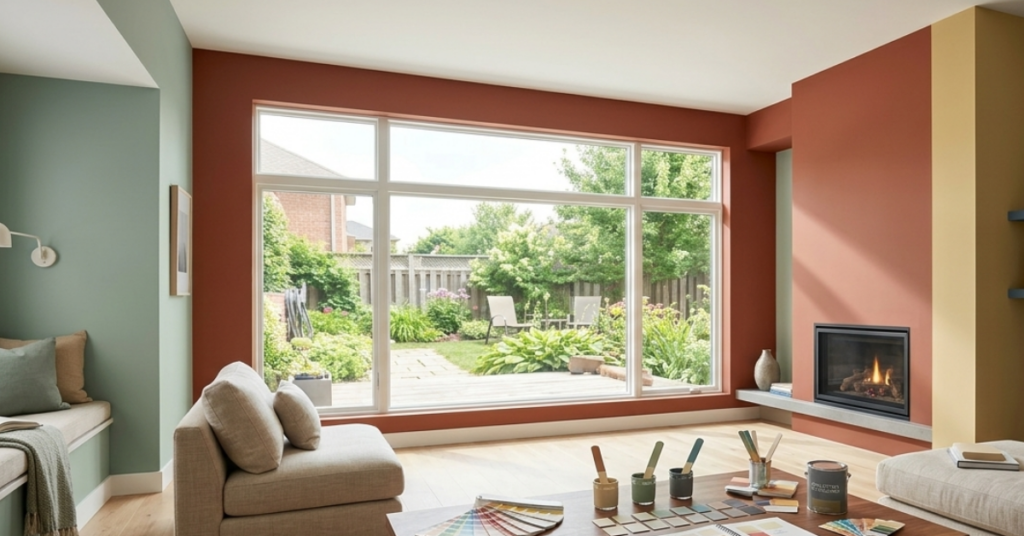
The colors and finishes you choose dramatically impact how you experience your home every single day. Home painting design affects your mood, energy levels, and even how spacious rooms feel.
Psychological Impact of Color Choices
Colors trigger emotional responses that influence comfort levels in your space. Warm tones like terracotta and golden yellow create cozy, welcoming environments perfect for living rooms. Cool colors such as blues and greens promote calmness and focus, working well in bedrooms and home offices.
Neutral palettes offer versatility and timeless appeal. Many Winnipeg homeowners combine neutrals with bold accent walls to add personality without overwhelming the space.
How Design Affects Perceived Room Size
Light colors make small rooms feel larger by reflecting natural light. If you have compact spaces, choosing whites or pale blues expands the visual area significantly. Dark colors create intimacy and drama but can make rooms feel smaller, working beautifully in large spaces where you want cozier atmosphere.
Ceiling color matters too. Painting ceilings lighter than walls draws the eye upward and creates height.
Value Addition Through Strategic Design
Well-executed home painting design increases your property value. Potential buyers notice fresh, modern paint choices that showcase your home’s best features. Quality home painting design also protects your investment by preventing moisture damage and extending wall life. Our interior painting services ensure both beauty and protection.
How to Choose the Right Home Painting Design?
Selecting the perfect home painting design involves balancing personal preferences with practical considerations. Following a structured approach prevents costly mistakes and ensures satisfaction with your finished space.
Assess Your Current Space and Lighting
Start by observing how natural light moves through each room during different times of day. North-facing rooms receive cooler light that can make colors appear darker. South-facing spaces get warm, bright light that intensifies color vibrancy.
Test paint samples directly on your walls rather than relying solely on small chips. Paint large swatches and observe them in morning light, afternoon sun, and evening artificial lighting. Colors shift dramatically based on these conditions.
Consider your existing elements that won’t change. Flooring, countertops, and built-in features all influence which the choices work best.
Match Design to Room Function
Different rooms serve different purposes, and your painting design should reflect this reality. High-traffic areas like hallways and kitchens need durable, washable finishes.
Living and Dining Rooms
These gathering spaces benefit from warm, inviting colors that encourage social interaction.
Bedrooms
Restful spaces work best with calming colors and matte finishes that don’t reflect harsh light.
Bathrooms and Kitchens
Moisture-prone areas require semi-gloss or satin finishes that resist mold and clean easily.
Consider Current Design Trends
Two-tone walls create visual interest without overwhelming spaces. Accent walls remain popular with textured finishes and limewash paint applications adding depth. Earthy, nature-inspired palettes like sage greens and terracottas create organic environments that work across various design styles.
What Are the Best Home Painting Design Techniques?
Beyond color selection, the techniques used in your home painting design significantly impact the final result. Professional application methods create polished, lasting finishes.
Standard Application Methods
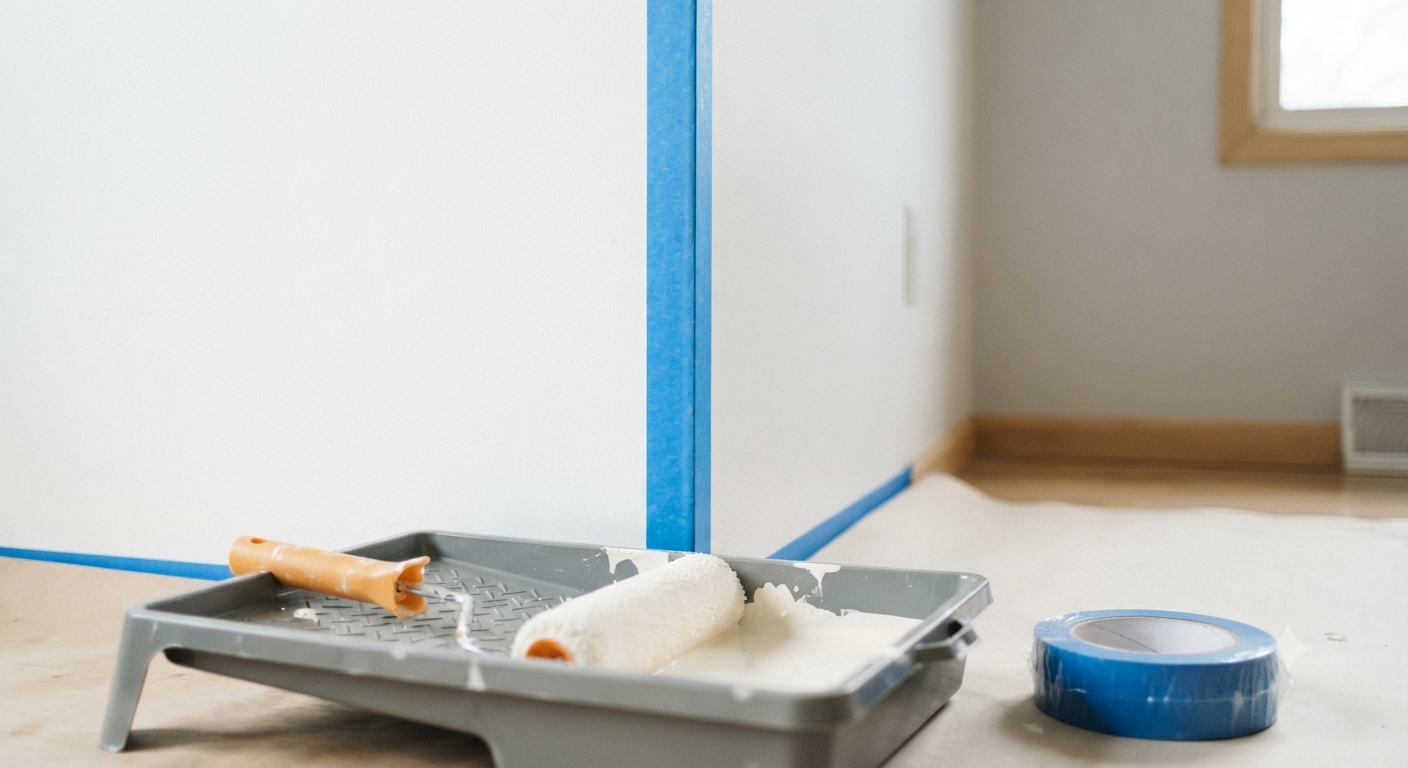
Traditional roller and brush techniques remain the foundation of quality home painting design. Proper surface preparation, including cleaning, patching, and priming, ensures paint adheres correctly and looks smooth.
Two-coat application provides even coverage and true color representation. Professional Winnipeg painting companies understand that patience during application prevents problems later.
Specialty Finishes
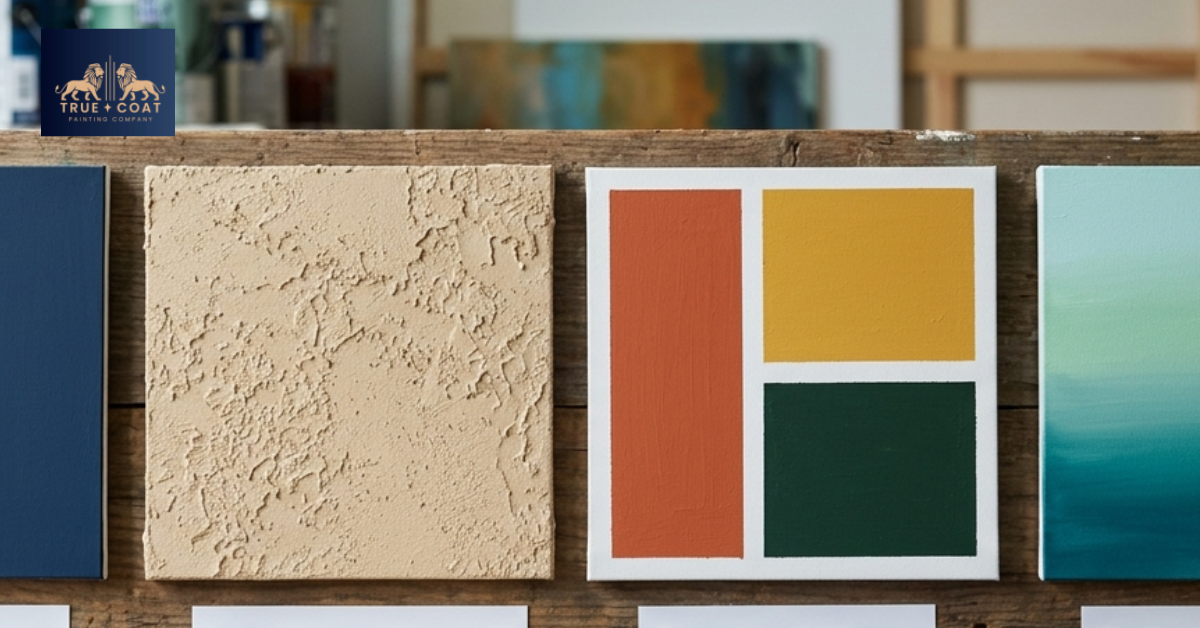
Faux finishes add texture and visual interest beyond flat color. Techniques like color washing create depth and disguise wall imperfections. Ombré effects blend multiple shades from dark to light across a wall, creating stunning focal points.
Geometric patterns and color blocking define spaces without physical barriers. Limewash painting offers a unique, breathable finish with subtle texture variations perfect for vintage charm or contemporary minimalism.
Choosing Between DIY and Professional Application
Simple, single-color rooms might suit confident DIYers with time and patience. However, complex home painting design involving multiple colors or specialty finishes benefits from professional expertise.
Professional painters bring experience that prevents common mistakes and complete projects faster with superior results. For pricing on your specific home painting design project, contact True Coat for a free estimate.
Common Home Painting Design Mistakes to Avoid
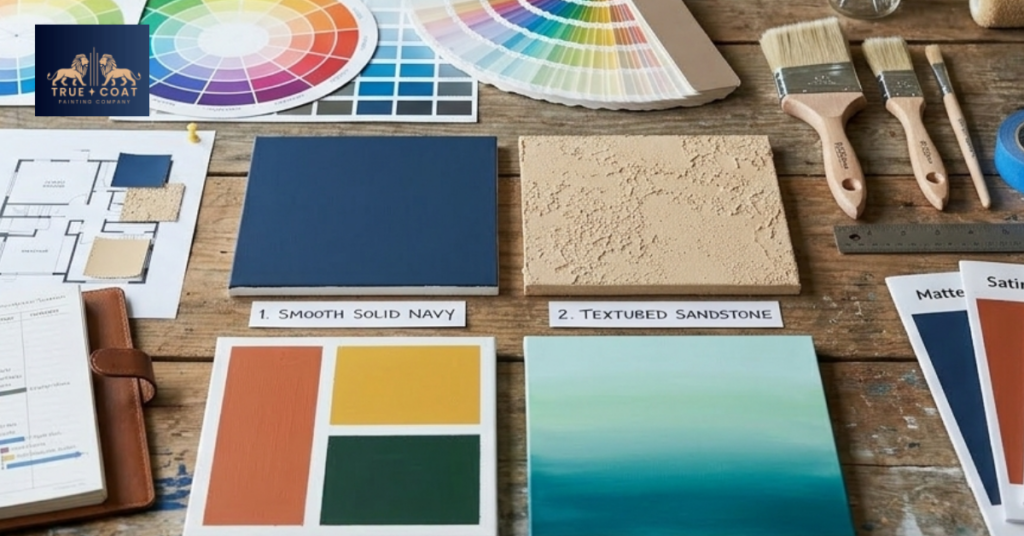
Even well-intentioned home painting design projects can go wrong without proper planning. Recognizing these common pitfalls helps you achieve better results.
Skipping Proper Surface Preparation
Paint only looks as good as the surface beneath it. Failing to clean walls, fill holes, or sand rough patches shows through even multiple coats of premium paint. Many homeowners underestimate how much difference skim coating makes for damaged walls.
Choosing Colors in Isolation
Selecting paint colors at the store under fluorescent lighting rarely translates accurately to your home. Test samples in your actual space and live with them for several days before committing.
Ignoring Finish Selection
The sheen level affects both appearance and practicality. Using flat paint in bathrooms invites mold. Applying high-gloss finish in living rooms highlights every wall imperfection. Match finish to function for best results.
Forgetting About Trim and Ceilings
Your home painting design must account for baseboards, crown molding, door frames, and ceilings. Crisp white trim provides classic contrast that works with virtually any wall color.
Things to Know About Home Painting Design
Understanding key facts about home painting design helps you make informed decisions and set realistic expectations for your project.
Quality paint costs more upfront but lasts longer and requires fewer coats. Cheap paint often needs three or four coats for proper coverage, negating any initial savings.
Color appears different on vertical versus horizontal surfaces. Test ceiling paint on the ceiling itself, not just on walls. Drying time and curing time differ significantly. Paint may feel dry to touch in hours but takes weeks to fully cure.
Spring and fall typically offer ideal conditions for both interior and exterior painting projects. Proper ventilation matters for health and results. Low-VOC and zero-VOC options reduce health concerns while delivering excellent performance.
How Much Does Professional Home Painting Design Cost?
Understanding budget considerations helps you plan your home painting design project realistically. Several factors influence total cost including room size, wall condition, ceiling height, trim complexity, and chosen finishes.
Professional painters account for surface preparation, which often represents the most time-consuming project phase. Patching holes, repairing drywall, and applying primer ensure your home painting design looks flawless.
For accurate pricing tailored to your specific home painting design vision, contact True Coat for a free, no-obligation estimate with transparent quotes detailing all costs upfront.
Working with Professional Painters for Your Home Painting Design
Partnering with experienced professionals transforms your home painting design vision into reality with less stress and superior results.
Professional painting companies begin with thorough consultations where they assess your space, discuss style preferences, and review goals. Color consultation services provide expert guidance for homeowners wanting professional input on which finishes suit different surfaces.
Quality painters never skip preparation steps. They clean surfaces, fill imperfections, sand rough areas, and apply appropriate primers. Communication throughout the project keeps you informed with updates and adjustments when needed.
Our team at True Coat takes pride in delivering exceptional results. Check out our completed projects to see how we’ve transformed homes throughout Winnipeg with thoughtful home painting design.
Wrapping Up Your Home Painting Design Journey
Creating the perfect home painting design requires balancing aesthetics, functionality, and quality execution. Your color choices, finish selections, and application techniques all contribute to spaces that reflect your personality while serving practical needs.
Start by assessing your space honestly. Consider lighting, room function, and existing elements. Test samples extensively before committing. Whether you tackle simple projects yourself or hire professionals for complex home painting design work, prioritize surface preparation and quality materials.
Remember that home painting design is personal. Trends provide inspiration, but your comfort and satisfaction matter most. For Winnipeg homeowners ready to transform their spaces with professional home painting design services, True Coat brings expertise, quality materials, and commitment to your vision.
Frequently Asked Questions
What is the most popular home painting design style?
Modern farmhouse remains the most popular home painting design style, featuring neutral palettes with warm grays, soft whites, and subtle earth tones. This approach works across various room types and complements both traditional and contemporary furnishings, making it versatile for most homeowners.
How do I choose paint colors for my home painting design?
Start by testing large paint samples on your actual walls and observing them in different lighting conditions throughout the day. Consider your existing furniture, flooring, and fixed elements when selecting colors. Professional color consultation helps narrow options based on your style preferences and room functions.
What finish should I use for different rooms in my home painting design?
Flat or matte finishes work best in low-traffic areas like bedrooms and ceilings. Eggshell and satin suit living rooms and hallways. Semi-gloss or gloss finishes belong in kitchens, bathrooms, and on trim where moisture resistance and easy cleaning matter most.
Can I mix different home painting design styles in one house?
Yes, mixing styles works when you maintain color cohesion throughout your home. Use a consistent undertone (warm or cool) across different rooms even if specific colors vary. Transition spaces like hallways benefit from neutral tones that bridge different home painting design choices in adjacent rooms.
How often should I update my home painting design?
Interior paint typically lasts 5-7 years with proper care, though high-traffic areas may need refreshing sooner. Update your home painting design when colors fade, trends shift dramatically, or your lifestyle changes require different functionality from your spaces.