A deck stain remover is a specialized cleaning solution designed to strip old finishes, dirt, and discoloration from wooden deck surfaces.
Commercial deck stain removers typically contain powerful ingredients like sodium hydroxide or oxalic acid that break down old stain molecules, while natural alternatives like vinegar offer gentler cleaning for lighter stains. Choosing the right product depends on your deck’s wood type, the stain’s age, and whether you plan to refinish afterward.
When your deck starts looking tired and worn, you need more than just soap and water. The right deck stain remover can restore your outdoor space to its original beauty, preparing it for fresh stain or simply revealing the natural wood beneath. From powerful chemical formulas to eco-friendly options, there are multiple ways to tackle stubborn deck stains, each with its own benefits and best-use scenarios.
Why You Need a Quality Deck Stain Remover
Old deck stain prevents new stain from bonding properly. When you apply fresh stain over old, peeling finish, you get uneven, blotchy results that won’t last.
A good deck stain remover strips away years of buildup including old stain, dirt, mildew, and weathering. This opens up the wood grain, allowing new coatings to penetrate deeply.
Professional painters in Winnipeg know that surface preparation accounts for 80% of successful deck staining projects. Your deck needs stain removal when you notice peeling finish, dark spots, uneven color, or rough, splintered wood.
What Is the Best Deck Stain Remover?
The best deck stain remover depends on what you’re trying to remove and your deck’s condition. Commercial products offer the strongest results, while natural solutions work better for maintenance cleaning.
Commercial Deck Stain Removers
Professional-grade stain removers contain powerful chemicals that dissolve old finishes quickly. These products typically use sodium hydroxide, sodium percarbonate, or oxalic acid as active ingredients.
Sodium hydroxide formulas work fast on oil-based stains and solid-color finishes, showing results within 15-30 minutes. Oxalic acid products excel at removing tannin stains and brightening weathered wood, making them ideal for cedar decks. Sodium percarbonate cleaners offer gentler cleaning with less odor, perfect for residential projects.
Natural and Homemade Solutions
For lighter cleaning jobs or ongoing maintenance, natural deck stain removers provide effective results without harsh chemicals.
Vinegar solutions can remove light surface stains. Mix one part white vinegar with one part water for basic cleaning, or use full-strength for tougher stains.
Oxygen bleach brightens wood and removes mildew without damaging fibers. Mix it with warm water and apply with a pump sprayer for best results.
Baking soda paste tackles specific stain spots effectively. Create a thick mixture with water and scrub problem areas using a stiff brush.
| Product Type | Best For | Application Time | Safety Level |
| Sodium Hydroxide | Oil-based stains, solid colors | 15-30 minutes | Use protection |
| Oxalic Acid | Tannin stains, brightening | 30-60 minutes | Moderate care |
| Vinegar Solution | Light stains, maintenance | 30 minutes | Very safe |
| Oxygen Bleach | Mildew, general cleaning | 20-40 minutes | Safe |
What Is the Best Way to Remove Stains from a Deck?
Removing deck stain requires proper technique to avoid damaging your wood. Following the right steps ensures complete removal without creating new problems.
Preparation Steps
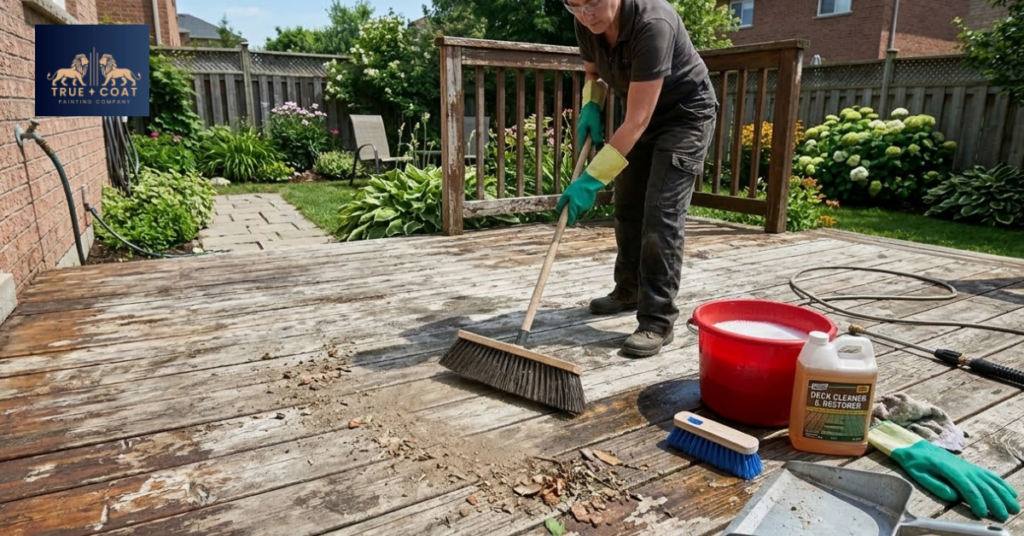
Start by clearing everything off your deck. Remove furniture, planters, grills, and any other items. Sweep away loose debris, leaves, and dirt using a stiff broom.
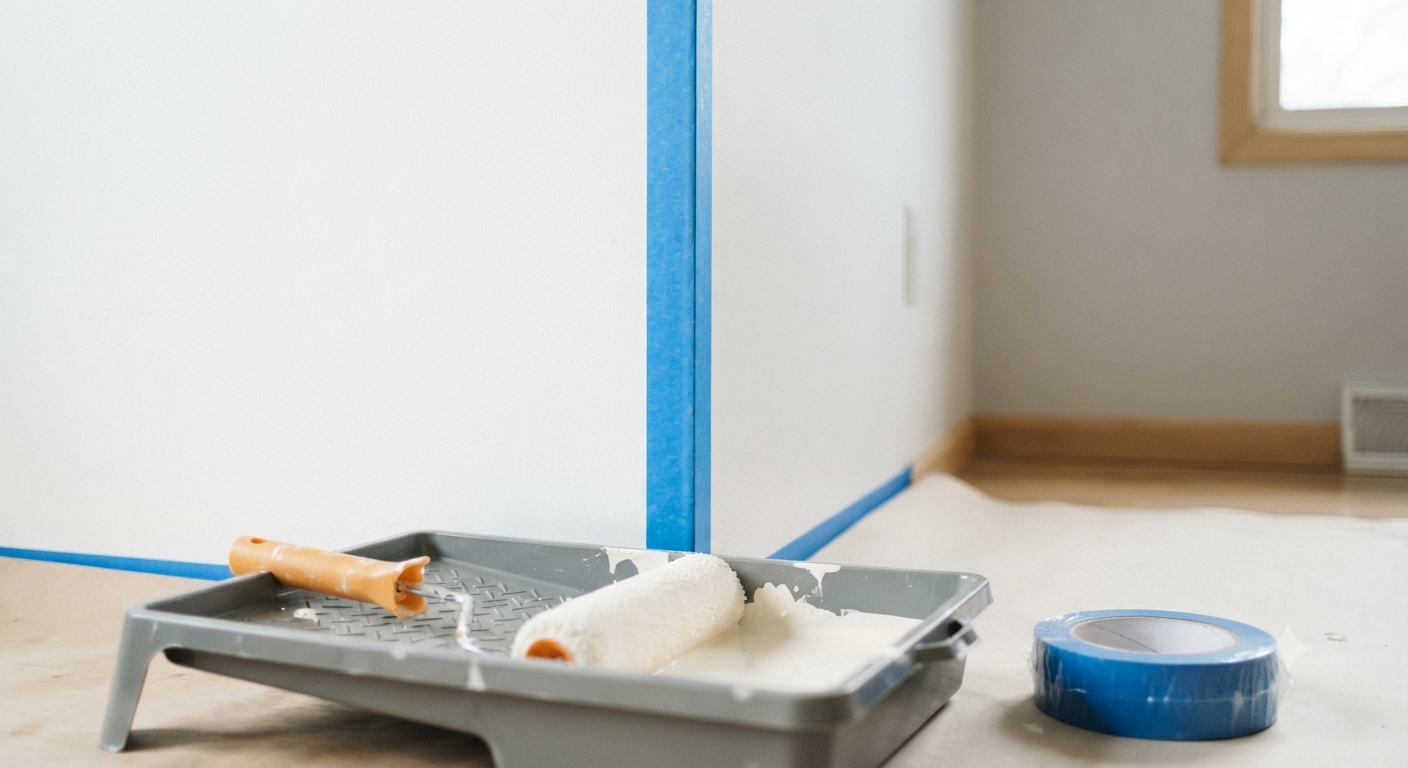
Cover nearby plants, siding, and windows with plastic sheeting. Deck stain remover can harm vegetation and discolor certain materials. Use painter’s tape to secure the sheeting in place.
Test your chosen deck stain remover on a small, hidden section first. Apply it according to directions and wait the recommended time. This test reveals how your specific wood reacts and helps you adjust your approach.
Application Process
Apply deck stain remover on a cool, cloudy day to prevent quick drying. Work in sections of about 100 square feet at a time.
Pour your deck stain remover into a pump sprayer or paint tray. Spray or brush it onto deck boards, working with the wood grain. Apply a thick, even coat and keep it wet.
Wait the manufacturer’s recommended time, usually 15-30 minutes. Watch for the finish to bubble or change color. Scrub the surface using a stiff-bristled brush, working with the grain.
Rinsing and Finishing
Rinse thoroughly with a garden hose or pressure washer set to low pressure (500-1000 PSI). Rinse from top to bottom on multi-level decks to prevent dirty runoff.
Continue rinsing until water runs clear. Let your deck dry completely for 48-72 hours before applying new stain. The wood should feel dry with no dark moisture spots.
For expert help, consider working with Winnipeg’s trusted painting professionals who handle deck restoration regularly.
How to Get Rid of Stains on Decking
Different stain types require specific approaches. Knowing what caused your deck stains helps you choose the most effective removal method.
Common Deck Stain Types
Water Stains: Dark gray or black areas need oxalic acid deck stain remover to brighten and restore original color.
Mildew and Mold: Green or black spots require oxygen bleach to kill spores and lift discoloration.
Rust Stains: Orange or brown marks from metal need oxalic acid treatment applied directly to affected areas.
Grease and Oil: Kitchen spills require sodium hydroxide formulas that cut through oily residue.
Tannin Bleed: Cedar and redwood release tannins creating brown streaks that need specialized wood brighteners.
Targeted Stain Removal Techniques
For isolated problem spots, apply deck stain remover only where needed using a brush or sponge. Let the product sit until you see the stain lifting, then scrub gently with a soft brush.
Rinse carefully, keeping water away from unstained sections to maintain color consistency. Repeat if stains remain after the first application. Some deep stains require multiple treatments.
What Is the Best Homemade Deck Stain Remover?
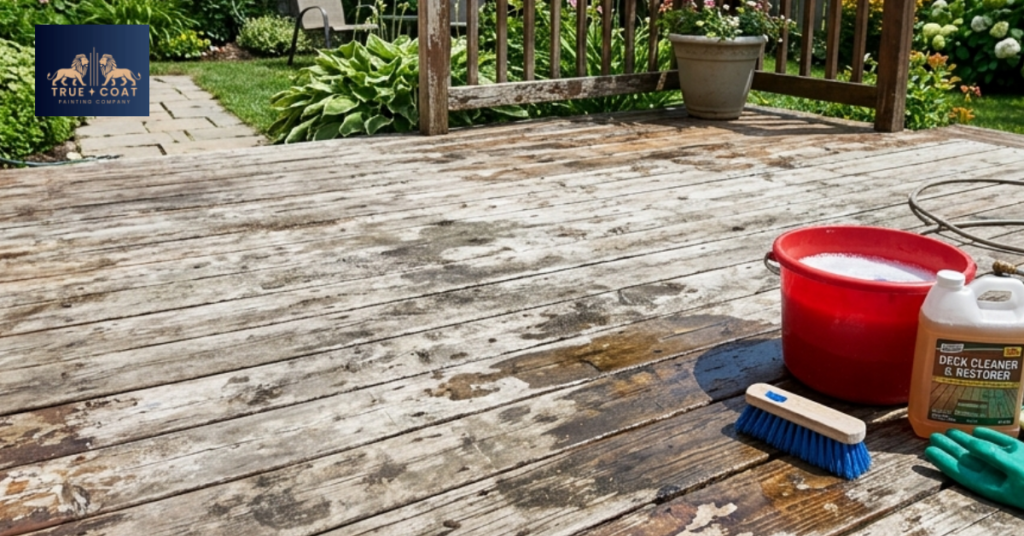
Homemade deck stain removers offer affordable alternatives to commercial products. While they may not work as quickly on heavy buildup, they handle regular maintenance effectively.
Vinegar-Based Cleaner
White vinegar contains acetic acid that breaks down many types of stains. Mix equal parts white vinegar and warm water, or use undiluted vinegar for tougher stains.
Apply with a mop or pump sprayer, let it sit for 30-45 minutes, then scrub and rinse. This homemade deck stain remover works best on light surface stains and general dirt between major refinishing projects.
Oxygen Bleach Solution
Oxygen bleach powder mixed with water creates a powerful yet safe cleaning solution that won’t harm wood or plants.
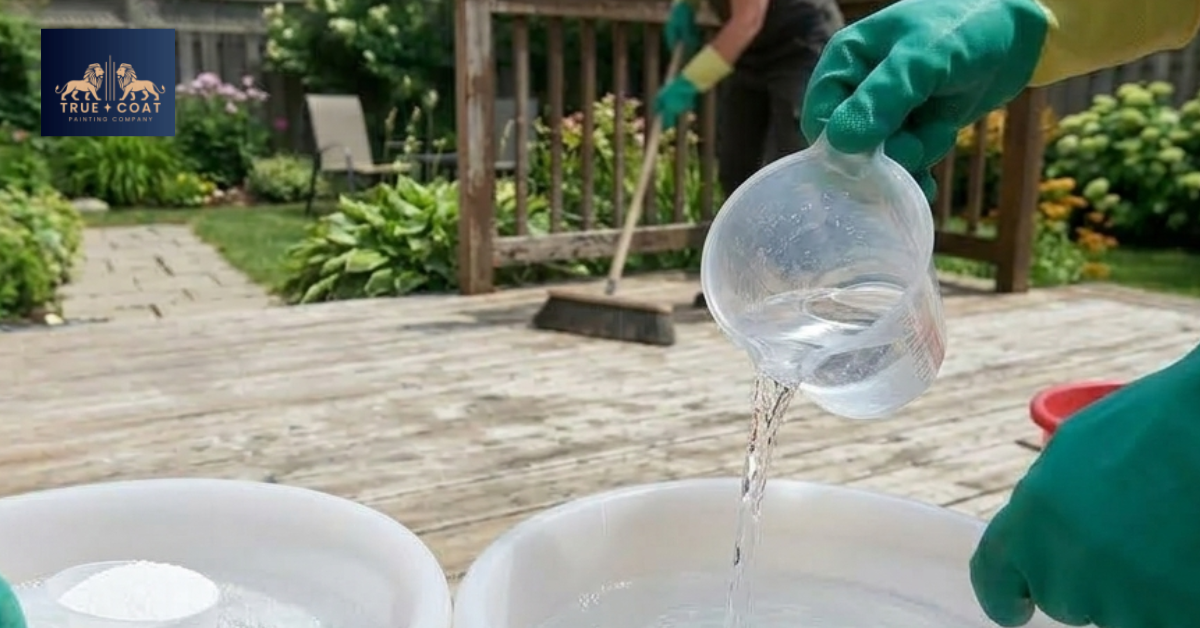
Mix one cup of oxygen bleach powder with one gallon of warm water. Apply liberally and let it work for 20-30 minutes. The solution fizzes as it lifts stains and brightens wood. This homemade deck stain remover excels at removing mildew and weathering.
Baking Soda Paste
For spot treatment, baking soda creates an effective scrubbing paste. Mix three parts baking soda with one part water until you get a thick consistency.
Apply the paste directly to stained areas and scrub with a stiff brush. The mild abrasive action lifts surface stains without scratching wood. Rinse well after scrubbing.
This method works particularly well for small grease spots, food stains, and light discoloration. It’s gentle enough for frequent use without damaging your deck.
| Homemade Solution | Ingredients | Best Uses | Cost per Gallon |
| Vinegar Cleaner | Vinegar, water | Light stains, maintenance | $2-3 |
| Oxygen Bleach | Oxygen bleach powder, water | Mildew, brightening | $3-5 |
| Baking Soda Paste | Baking soda, water | Spot cleaning | $1-2 |
Will Vinegar Remove Deck Stains?
Vinegar can remove certain deck stains, but it has important limitations. Understanding when vinegar works helps you decide if it’s the right choice for your project.
When Vinegar Works
Vinegar effectively removes light surface stains that haven’t deeply penetrated the wood. It breaks down dirt, mildew, algae, and minor discoloration.
For regular maintenance, vinegar keeps your deck fresh between professional treatments. Apply it twice yearly to prevent buildup and maintain appearance. Results appear within 30 minutes of application.
When Vinegar Falls Short
Oil-based stains and solid-color finishes resist vinegar treatment. Old, established stains usually require stronger deck stain removers. Vinegar might lighten them but won’t achieve complete removal.
For deep discoloration or preparing for complete refinishing through services like exterior painting, professional-grade deck stain removers deliver better results.
Proper Vinegar Application
Use white vinegar for higher acetic acid levels without added colors. Heat it slightly before application for better penetration.
Apply generously and keep the surface wet during treatment. After application, rinse with a baking soda solution (two tablespoons per gallon of water) to neutralize acidity before the final rinse.
Choosing the Right Deck Stain Remover for Your Winnipeg Home
Winnipeg’s climate creates unique challenges for deck maintenance. Our cold winters and humid summers demand deck stain removers that handle temperature extremes and moisture damage.
Climate Considerations
Winnipeg’s freeze-thaw cycles cause deck stain to crack and peel faster. Choose deck stain removers that handle deep water penetration. Spring cleaning needs products that remove winter salt residue, while summer humidity requires mildewcide properties.
Wood Type Matters
Cedar decks need gentler treatment with oxalic acid products that brighten without damaging natural oils. Pressure-treated lumber handles stronger sodium hydroxide formulas better. Composite decking requires specialized cleaners compatible with synthetic materials.
Professional vs. DIY Application
Small deck sections and light stains suit DIY approaches with homemade deck stain removers. Large decks or heavily stained surfaces benefit from professional treatment with commercial-grade products.
For pricing on professional deck restoration, contact True Coat for a free estimate based on your deck size and condition.
Things to Know About Deck Stain Removal
Successful deck stain removal requires more than just the right product. These important tips help you avoid common mistakes.
Safety First: Always wear protective gloves, safety glasses, and long sleeves. Keep children and pets away during application.
Timing Matters: Remove deck stain during mild weather between 60-80°F. Extreme temperatures affect product effectiveness.
Test Before Committing: Test your chosen product on a hidden area first to check for potential discoloration or damage.
Protect Surroundings: Cover grass, plants, and painted surfaces within 10 feet. Rinse any overspray immediately.
Plan for Refinishing: Apply new stain within two weeks of stripping. Exposed wood absorbs moisture and can become damaged if left unprotected.
Wrapping Up Your Deck Restoration Project
Choosing the right deck stain remover transforms your outdoor space from worn to inviting. Whether you select commercial products for heavy-duty stripping or natural solutions for maintenance, proper application makes the difference.
Regular cleaning with mild deck stain removers prevents buildup and extends time between major refinishing. Schedule annual maintenance to keep your deck looking its best.
For comprehensive deck restoration including stain removal and fresh finish application, True Coat offers expert services tailored to Winnipeg’s climate. Visit our projects gallery to see recent transformations.
Frequently Asked Questions
What is the best stain remover for decks?
The best deck stain remover for most projects is a sodium percarbonate-based product. These oxygen-powered cleaners effectively strip old finishes, remove mildew, and brighten wood without the harsh fumes of hydroxide formulas. They work on both oil-based and water-based stains while being safer for surrounding plants and surfaces.
What is the best way to remove stains from a deck?
Apply deck stain remover on a cool, overcast day, working in small sections of about 100 square feet at a time. Keep the product wet for the recommended time (usually 15-30 minutes), scrub with a stiff brush following the wood grain, then rinse thoroughly with low-pressure water. Allow 48-72 hours of drying time before applying new stain.
How to get rid of stains on decking?
Match your removal method to the stain type for best results. Use oxalic acid for water stains and rust, oxygen bleach for mildew, and sodium hydroxide for oil-based finishes. Apply the appropriate deck stain remover, let it work for the specified time, scrub problem areas, and rinse completely. Repeat if needed for stubborn stains.
What is the best homemade stain remover?
Oxygen bleach mixed with warm water creates the most effective homemade deck stain remover. Mix one cup of oxygen bleach powder per gallon of water, apply liberally, wait 20-30 minutes, then scrub and rinse. This solution removes mildew, brightens weathered wood, and lifts light stains without harsh chemicals or strong odors.
Will vinegar remove deck stains?
Vinegar removes light surface stains, dirt, and minor discoloration but won’t strip heavy finishes or oil-based stains. Mix equal parts white vinegar and water for maintenance cleaning, or use full-strength for tougher spots. Let it sit 30 minutes, scrub, and rinse. For deep stain removal, you’ll need commercial deck stain remover products instead.