Limewash walls are a mineral-based finish applied in thin, watery coats that soak into the surface and create a naturally layered, textured appearance that standard paint cannot replicate.
They are breathable, mould resistant, and free of VOCs, making them one of the healthiest finishing options for Canadian homes. The application involves two to three coats using a wide brush in crisscross strokes, and while moderately challenging, professional results are achievable with the right technique.
The finish fades and patinas naturally over time, which adds character rather than taking away from it. Interior limewash walls can last seven to ten years, while exterior applications typically hold up for five to seven years depending on exposure.
The main trade-offs include limited compatibility with non-porous surfaces and the need for skilled brushwork to get an even, consistent look.
What Do Limewash Walls Do?
Limewash walls do far more than just change a room’s colour. The finish is applied in thin, watery coats that soak into the surface rather than sitting on top of it. This creates a look that shifts subtly depending on the light, giving the finish its signature depth and movement.
They Create a Natural, Breathable Surface
Unlike synthetic paints, limewash walls allow moisture to pass through rather than trapping it. This is especially valuable in older Winnipeg homes where surfaces need to breathe to prevent moisture buildup and cracking.
The mineral composition of lime also makes it naturally mould and mildew resistant, a practical bonus for kitchens and bathrooms.
They Add Visual Texture Without Full Renovation
This finish produces a layered, slightly aged look that mimics old European plaster. You get the character of a textured surface without the cost or mess of replastering. Many homeowners choose this finish specifically because it adds depth and a curated feel to an otherwise plain room.
They Are Eco-Friendly
Limewash paint is made from natural limestone burned and slaked with water. It contains no volatile organic compounds (VOCs), making it one of the healthiest finishing options for families in Canada who are mindful of indoor air quality.
What Are the Disadvantages of Limewash Walls?
No finish is perfect, and this one comes with a few trade-offs worth knowing before you commit.
Moisture sensitivity during application. The lime mixture needs to be applied in the right conditions. If the surface is too dry or the weather too hot, it can dry too fast and lose its characteristic depth. In Winnipeg’s climate, timing matters, particularly during warmer summer months.
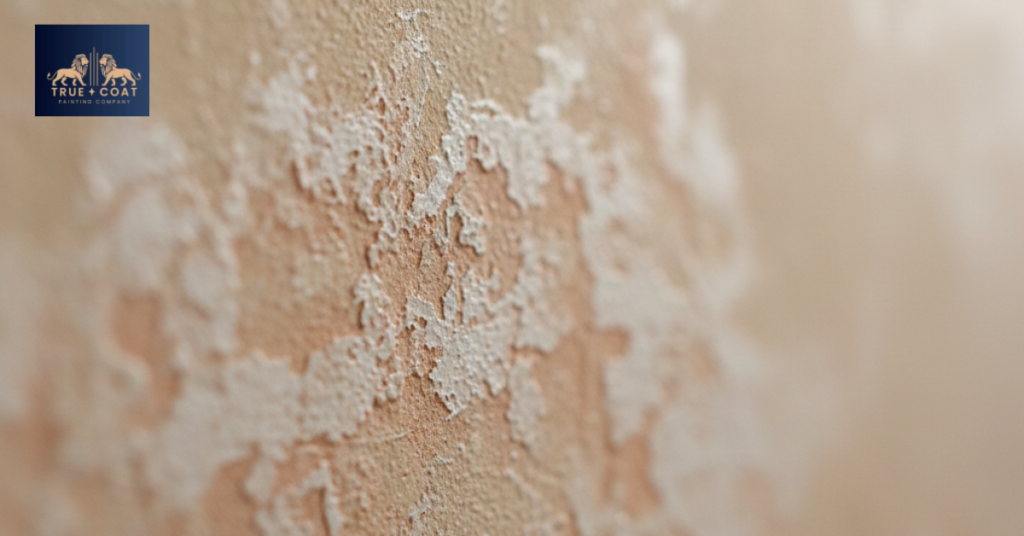
Not ideal for every surface. This finish adheres best to porous materials like brick, natural plaster, concrete, or drywall with a flat coat. On glossy or sealed surfaces, the lime does not bond well, which can lead to peeling or uneven colour.
Colour fading over time. One well-known characteristic of limewash walls is that they fade and patina naturally. While many homeowners love this quality, those who prefer a uniform, consistent colour may find the gradual change frustrating.
Requires professional skill for best results. The layering technique that gives this finish its depth takes practice. Brushwork, dilution ratios, and layering sequence all affect the final outcome, and DIY attempts sometimes produce an uneven or patchy look.
| Advantage | Disadvantage |
| Breathable, moisture-regulating surface | Not suitable for all wall types |
| Natural, eco-friendly composition | Fades and patinas over time |
| Unique layered texture and depth | Requires careful application technique |
| Mould and mildew resistant | Can be tricky in extreme weather |
| Low VOC, safer for indoor air quality | May need periodic touch-ups |
For homeowners who want this finish done right the first time, working with a professional makes a real difference. True Coat offers limewash painting services in Winnipeg with expert application and a three-year craftsmanship warranty.
How Do You Apply Limewash Walls?
Applying limewash walls involves a process quite different from rolling standard paint. The technique relies on layering, timing, and water control to build up the signature finish.
Surface Preparation
Start with a clean, porous surface. Remove dust, grease, or flaking paint before you begin. For drywall, use a flat or matte primer to ensure proper absorption. On brick or natural stone, you can sometimes apply directly after a thorough clean, but always test a small section first.
Mixing and Application
Limewash comes as a thick paste that needs to be diluted with water. The ratio affects how opaque or transparent each layer appears. For a classic, aged result, use a thinner mix on the first coat and a slightly thicker one on the second or third.
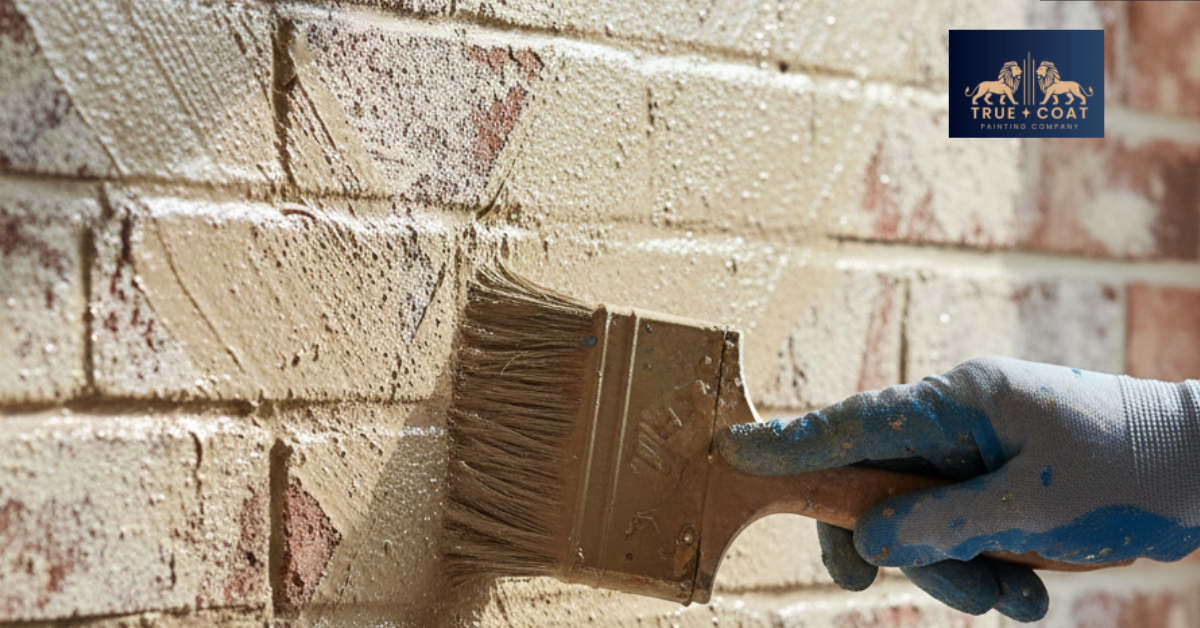
Apply using a wide masonry brush or specialty limewash brush in loose, crisscross strokes rather than even, rolling lines. This irregular brushwork is what creates the natural, textured appearance. Work in sections and maintain a wet edge to avoid lap marks.
Layering for Depth
One coat alone rarely achieves the full effect. Most professional applications involve two to three coats, with each layer fully dried before the next is added. Between coats, lightly misting the surface with water can help with adhesion and slow drying in low-humidity conditions.
Sealing
Limewash walls are often left unsealed, which preserves their breathable properties. However, in high-moisture areas like bathrooms, a breathable mineral sealer can provide added protection without compromising the organic look and feel.
Is Limewash Paint Difficult to Apply?
This is one of the most common questions homeowners ask before starting a project. Honestly, the application is moderately challenging, not impossible, but definitely more involved than rolling conventional paint.
The difficulty comes mostly from maintaining consistent texture across a large surface. If you have experience with decorative painting or faux finishes, the learning curve will feel smaller. If this is your first time, starting on a smaller or less visible wall is a smart approach before tackling a main living area.
Many Winnipeg homeowners hire professionals not because they could not do it themselves, but because the results are noticeably better with experienced hands. The team at True Coat has extensive expertise with specialty finishes. You can learn more about the team and their approach before deciding.
For context on professional technique and surface preparation, this article on exterior painting for house projects offers additional useful perspective.
How Long Will Limewash Walls Last?
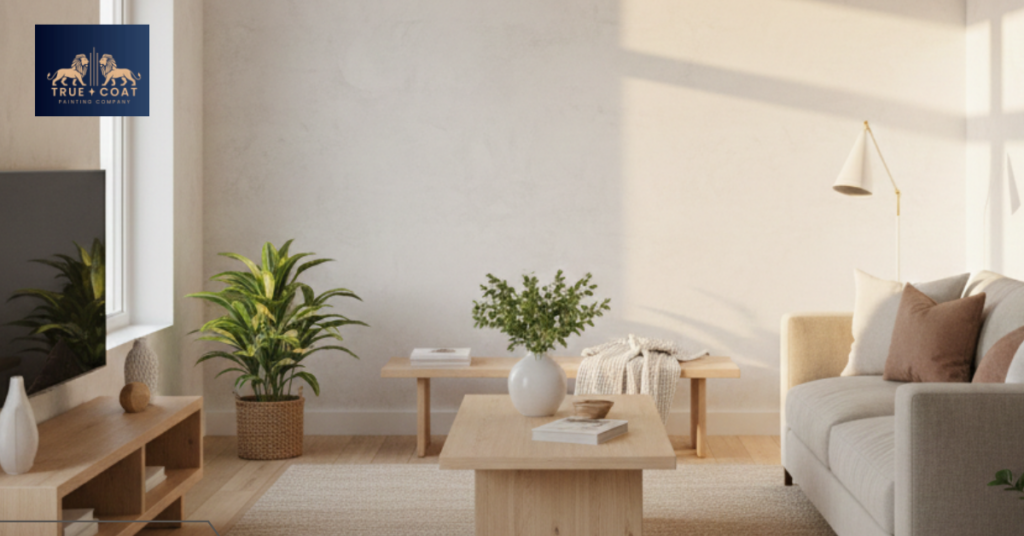
Durability is a reasonable concern in Manitoba, where seasonal temperature swings are significant. When applied correctly to a suitable surface, limewash walls can last anywhere from five to ten years before requiring full reapplication. Interior applications typically last longer with minimal upkeep.
| Location | Expected Lifespan | Maintenance Needed |
| Interior walls (low traffic) | 7 to 10 years | Occasional touch-up |
| Interior walls (high traffic) | 4 to 6 years | More frequent touch-ups |
| Exterior walls (sheltered) | 5 to 7 years | Inspection after each winter |
| Exterior walls (exposed) | 3 to 5 years | Annual inspection recommended |
What makes this finish age so gracefully is that the natural fading and patina that develop over time actually enhance the look rather than detracting from it. Small chips or scuffs blend easily with a touch-up coat because the irregular texture absorbs and distributes colour organically.
For homeowners comparing interior finishing options, reading about interior house painters in Winnipeg can help you decide whether professional application is the right investment for your space.
Things To Know Before Starting a Limewash Walls Project
Before diving in, here are some practical considerations worth having on your radar.
The finish looks different depending on lighting. It shifts tone throughout the day as natural and artificial light change, which is part of its charm but worth factoring into your colour choice.
Not every store carries true mineral limewash. Some products marketed as “limewash” are acrylic paints designed to mimic the appearance. For authenticity, breathability, and long-term durability, genuine mineral-based limewash is the better option.
Limewash walls can be tinted. While white and off-white are the most popular choices, pigments can be added to achieve soft terracotta, sage green, dusty blue, and other tones that suit a range of interior styles and preferences.
Touch-ups are forgiving. Unlike solid paint where patching is often visible, the textured nature of this finish blends seamlessly with corrections because the surface naturally absorbs and distributes colour.
It pairs well with natural materials. Wood, stone, linen, and terracotta all complement the organic, earthy quality of limewash beautifully, making it a versatile choice for many interior design styles.
If cost is a factor, contact True Coat for a free estimate and get a transparent, no-obligation quote tailored to your home’s specific needs.
For inspiration on finished results, explore residential painting projects in Winnipeg and see how professional finishes have transformed local homes.
A Better Way to Refresh Your Home With Limewash Walls
Limewash walls bring a rare combination of beauty, practicality, and long-term character to any interior or exterior surface. They breathe, they age gracefully, and they add a handcrafted depth that conventional paint simply cannot replicate.
Yes, there are trade-offs, and yes, the application process requires some skill, but for the right home and homeowner, this is genuinely one of the most rewarding finishing decisions available.
Whether you are drawn to the rustic European plaster look or simply want a more natural, eco-conscious option for your Winnipeg property, limewash walls are well worth serious consideration.
If you want the job done right with results that last, reach out to the experienced team at True Coat and get started with a free estimate today.
Frequently Asked Questions About Limewash Walls
What does lime wash do to walls?
Limewash walls create a breathable, mineral-based finish that soaks into the surface, building a naturally layered, textured appearance. The finish adds depth and character while resisting mould and allowing moisture to move through the wall rather than becoming trapped behind it.
What are the disadvantages of limewash paint?
The key disadvantages include natural fading over time, limited compatibility with non-porous surfaces, and the need for skilled application. Periodic touch-ups are part of the maintenance, and those who prefer a completely uniform finish may not love how limewash walls evolve naturally over the years.
How do I limewash walls?
Apply the mixture in thin, watery layers using a wide brush in crisscross strokes, building depth over two to three coats. Start with a clean, porous surface, let each coat dry fully, and lightly mist between coats in dry conditions for better adhesion and richer colour development.
Is limewash paint difficult?
The application is moderately challenging, particularly for beginners unfamiliar with decorative painting techniques. Starting on a smaller wall builds confidence, and hiring a professional painter ensures consistent, polished results across a full room or exterior surface.
How long will limewash last?
Interior limewash walls typically last seven to ten years with minimal maintenance, while exterior applications last five to seven years depending on weather exposure. The natural patina that develops over time adds character to the finish rather than diminishing it.