What Is a Paint Spray Gun and How Does It Work?
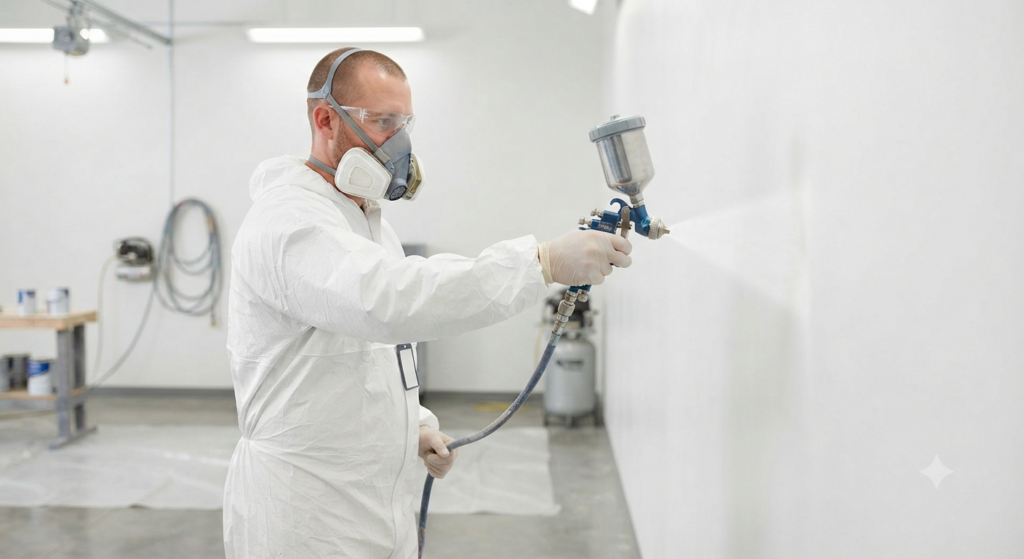
A paint spray gun is a tool that uses air pressure to atomize and apply paint in a fine, even mist across any surface. It covers large areas faster than a brush or roller, delivers a smooth, consistent finish, and works on walls, furniture, fences, and more. Choosing the right type of paint spray gun matters because each model suits different jobs and paint types. This article walks you through how they work, which types exist, what paints to use, how to get the best results, and the trade-offs you need to know before picking one up. What Is a Paint Spray Gun? A paint spray gun is a hand-held painting device that pushes liquid paint through a small nozzle using compressed air or an internal turbine. The paint breaks apart into tiny droplets and fans out in a controlled spray pattern, landing evenly on the surface in front of it. This technology replaces the back-and-forth motion of a brush and eliminates the texture left by rollers. It is widely used in automotive refinishing, furniture coating, cabinet painting, and large wall surfaces where a smooth, professional finish is the goal. There are three main categories of paint spray gun available today: Types of Paint Spray Guns How Does a Paint Spray Gun Work? The working principle of a paint spray gun is simple. Paint is fed into the gun from a cup or container attached to it. When you pull the trigger, air or mechanical pressure forces the paint through the nozzle tip. The nozzle breaks the paint into a fine mist through a process called atomization. Air cap holes then shape that mist into a fan-shaped spray pattern, which you guide across the surface in smooth, overlapping passes. The width and shape of the spray pattern can usually be adjusted with a dial on the gun. You can also control the paint flow rate and the air pressure to suit the type of paint and surface you are working on. Most guns let you choose between a round spray pattern for small areas and a wide flat fan for broad surfaces. Getting this setup right before you start is the key to avoiding drips and uneven coverage. Paint Spray Gun Types at a Glance Type Best For Overspray Level Skill Level HVLP Cabinets, trim, furniture Low Beginner to intermediate LVLP Detail work, small projects Low Beginner Airless Large walls, decks, fences Medium Intermediate Conventional Auto body, fine finishing High Advanced What Type of Paint Do You Use for a Paint Spray Gun? Not all paints work straight out of the tin in a paint spray gun. The right paint depends on the gun type and the nozzle tip size. Using the wrong consistency is one of the most common mistakes beginners make. Latex and water-based paints work well in most HVLP and airless guns. They clean up easily with water and are the safest choice indoors. Oil-based paints and primers also work but require mineral spirits for cleanup and need proper ventilation. Stains, lacquers, and varnishes can be sprayed too, but they are thinner by nature and require a finer nozzle tip to avoid runs. Many paints need to be thinned before spraying. You can test the right thickness using a viscosity cup. As a rough rule, paint should flow freely but still coat the back of a spoon. If it drips off too fast, it will create a runny finish. If it is too thick, the paint spray gun will clog or spit. If you are unsure about the right setup for your project, the team at True Coat can help you figure out what approach suits your space best. How to Get the Best Results from a Paint Spray Gun Getting good results comes down to preparation, settings, and technique. Here is how to set yourself up for success. Prepare the Surface Clean the surface thoroughly. Remove grease, dust, and loose paint. Sand rough areas smooth and apply primer if the surface is bare or porous. Skipping this step leads to peeling and poor adhesion no matter how good your spray technique is. Thin the Paint Correctly Check the paint manufacturer’s recommendation for spraying. Thin it gradually and test on a piece of cardboard first. A properly thinned paint will atomize cleanly through your paint spray gun without drips or spitting. Set the Right Distance and Speed Hold the gun 20 to 30 centimetres from the surface for most jobs. Move at a consistent speed in overlapping passes. Too close causes drips. Too far creates a dry, grainy texture. Practice on scrap material before starting your actual project. Keep Your Passes Overlapping Each pass should overlap the previous one by about 50 percent. This gives even coverage without thin spots. Keep the gun moving at all times. Stopping while the trigger is pulled will leave a heavy wet spot that drips. Protect What You Are Not Painting Cover floors, windows, trim, and anything nearby with plastic sheeting and tape. Overspray from a paint spray gun travels further than you expect, especially outdoors on a windy day. Common Paint Spray Gun Problems and Fixes Problem Likely Cause Fix Spitting or clogging Paint too thick Thin the paint and clean the nozzle Drips or runs Too close or moving too slowly Increase distance, speed up passes Uneven pattern Blocked air cap holes Clean air cap with solvent and a brush Dry, grainy finish Too far or paint too thin Move closer and reduce thinning What Are the Disadvantages of a Paint Spray Gun? A paint spray gun is fast and efficient, but it comes with real trade-offs that every user should understand before buying one. Setup and cleanup take time. You need to mix and thin the paint, set up masking, and clean the gun thoroughly after every use. If paint dries inside the gun, the internal parts can clog and require soaking in solvent. Overspray is another issue. Even HVLP guns produce some overspray, and conventional and