
Painting Interior Doors – How to Do It the Right Way
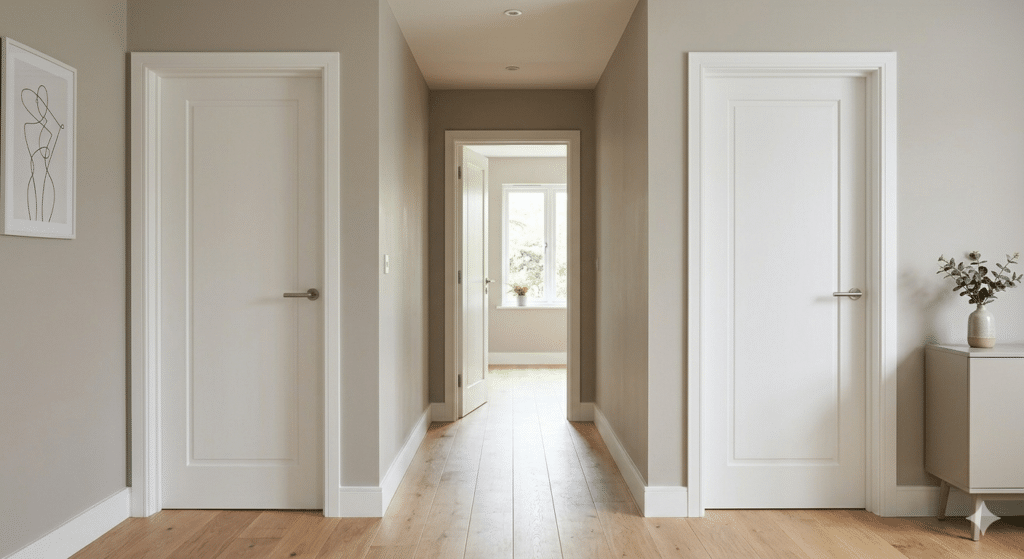
Painting interior doors the right way comes down to proper prep, the correct primer, and applying thin, even coats with the right tool for your finish. Most homeowners can refresh a door in a single weekend if they remove hardware, sand the surface, fill any dings, and let each coat dry fully before adding the next. A small foam roller works well for flat panels, while a brush handles corners and panel edges, and spraying gives the smoothest factory-like result if you have the setup for it. Semi-gloss or satin finishes are the most popular choices because they resist fingerprints and are easy to wipe clean. Painting interior doors also gives a quick, affordable way to update the look of a hallway, bedroom, or living space without a full renovation. Whether you tackle one door or every door in the house, following the right steps makes painting interior doors a simple project with a professional-looking outcome. Why Painting Interior Doors Makes Such a Big Difference Interior doors take a lot of daily wear. Hands touch them constantly, shoes sometimes scuff the bottom, and over the years the paint can turn dull or chipped. Painting interior doors is one of the ways to make a room feel fresher without spending money on new doors. A freshly painted door can truly unify a room’s design. When walls are recently updated but doors remain with old, yellowed paint, the contrast can make the space feel incomplete. Painting interior doors to complement your trim or wall color results in a polished, cohesive appearance. Beyond enhancing aesthetics, painting interior doors provides an extra layer of protection. Using a high-quality paint and primer combination effectively seals the wood or MDF surface, increasing its resistance to moisture, stains, and daily wear and tear. How to Prepare Doors Before Painting Preparation is the most important part of painting interior doors. Skipping this step is the main reason paint jobs look uneven or start peeling within months. Removing Hardware and Cleaning the Surface Start by removing doorknobs, hinges, and any other hardware you can take off. This keeps paint from getting on metal parts and gives you a cleaner edge. If hinges cannot be removed easily, cover them with painter’s tape. Next, clean the door with a mild soap and water solution to remove dust, grease, and fingerprints. Kitchen and bathroom doors often have grease buildup near the handle area, so give those spots extra attention. Let the door dry completely before moving to the next step. Sanding and Filling Imperfections Lightly sand the entire door with fine-grit sandpaper to rough up the existing finish so the new paint can grip properly. This step matters even if the door looks smooth, since glossy old paint can cause new paint to slide off or peel later. Fill any dents, holes, or scratches with wood filler. Once dry, sand the filled areas until they are flush with the surrounding surface. Wipe away all dust with a damp cloth or tack cloth before painting. What Is the Best Method for Painting Interior Doors? The best method for painting interior doors depends on the tools available and the finish you want. For most homeowners, a combination of a small foam roller and an angled brush gives the best balance of speed and smoothness. A foam roller spreads paint evenly across flat sections of the door without leaving heavy texture. The angled brush is used for corners, panel grooves, and edges where a roller cannot reach. Working in this order, paint the panel details first with the brush, then roll the flat areas, and finally smooth everything with light brush strokes in the direction of the wood grain. For those who want a flawless, showroom-style finish, spraying is the better option. Spraying interior doors requires removing them from their hinges and laying them flat or hanging them in a controlled space, but it eliminates brush marks completely. Method Best For Pros Cons Brush and Roller Most homeowners, doors left on hinges Affordable, easy cleanup, no special equipment Slightly more visible texture Spray Flawless finish, multiple doors at once Smoothest result, fast on flat surfaces Requires removing doors, more setup and overspray control Brush only Small touch ups, panel details Good control on edges and corners Slower, can leave brush marks on large areas Is It Better to Spray or Roll Paint on Doors? Spraying generally gives a smoother finish than rolling, but rolling is more practical for most households. Spraying interior doors requires a dedicated work area, proper ventilation, and time to mask off surrounding surfaces to avoid overspray on walls and floors. Rolling with a quality foam roller, paired with brush work on the details, gets you a finish that looks great once dry and is far more manageable for a single door or a few doors at a time. If you are painting interior doors throughout an entire home and want a consistent factory finish, spraying may be worth the extra setup, especially if the doors can be removed and worked on outside or in a garage. For homeowners who are unsure which approach fits their space, hiring professional house painters can help decide between spraying and rolling based on the number of doors and the desired finish. What Paint Do You Use for Interior Doors? The right paint for painting interior doors is a high-quality acrylic or alkyd-based paint in a satin, semi-gloss, or high-gloss sheen. These sheens are durable, easy to clean, and hold up well against the constant touching and bumping that doors go through daily. Satin finishes offer a soft glow and hide minor imperfections better than glossier options, making them a popular choice for bedroom and hallway doors. Semi-gloss and high-gloss finishes are more reflective and tend to be the top pick for kitchens, bathrooms, and high-traffic entry doors because they resist moisture and are simple to wipe down. Primer also plays a big role. If the door is bare wood, has stains, or is a