
What Are the Best Interior Paint Design Ideas for Your Winnipeg Home?
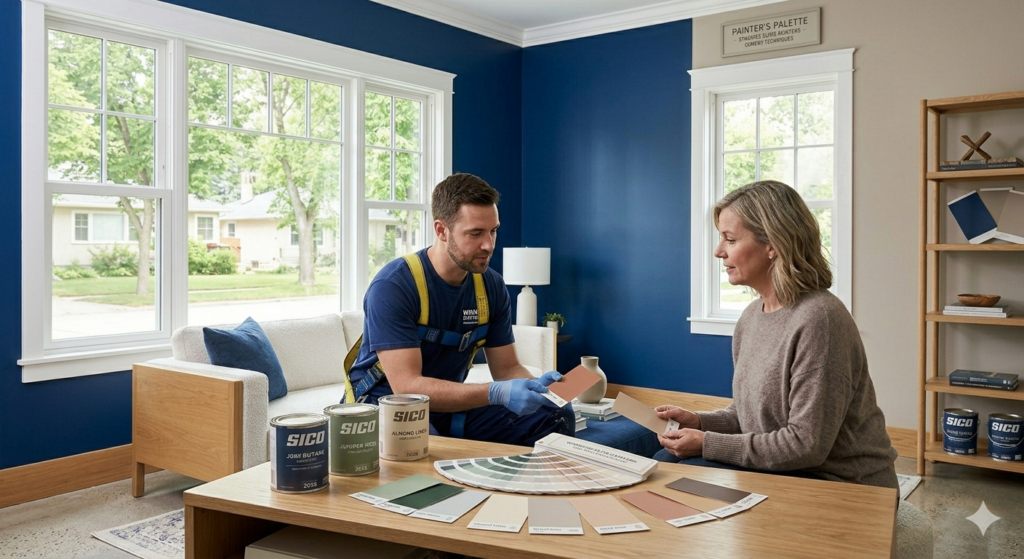
Interior paint design ideas transform ordinary rooms into personalized spaces that reflect your style and enhance your home’s atmosphere. The best approaches combine color psychology, creative techniques like accent walls and two-tone designs, and practical considerations such as room size and natural lighting. Popular interior paint design ideas include using the 60-30-10 color rule for balanced schemes, incorporating nature-inspired palettes with greens and earth tones, and experimenting with bold geometric patterns or ombre effects. Whether you prefer calming neutrals, dramatic dark hues, or vibrant statement walls, choosing the right interior paint design ideas involves understanding how colors affect mood, selecting complementary shades, and applying techniques that suit your room’s function. From minimalist monochromatic looks to texture-rich finishes, these design strategies help homeowners create cohesive, visually appealing interiors that stand the test of time while expressing individual personality through thoughtful color selection and application methods. Why Do Interior Paint Design Ideas Matter for Your Home? Interior paint design ideas play a crucial role in shaping how your home feels and functions. The colors you choose directly impact your mood, energy levels, and even how spacious a room appears. Research shows that color psychology influences emotions, with cool blues promoting calmness while warm yellows encourage happiness and creativity. Beyond aesthetics, interior paint design ideas affect your property value. Homes with modern, well-coordinated color schemes attract buyers and can increase resale prices by up to 10%. Professional painting choices signal care and maintenance, making your space more appealing. Room functionality changes based on your color selections. Kitchens painted in warm tones like terracotta or soft peach stimulate appetite and conversation. Bedrooms benefit from soothing shades such as lavender or sage green that promote restful sleep. Home offices work best with focused colors like navy blue or forest green that enhance concentration. Natural lighting interacts with paint colors throughout the day. North-facing rooms with limited sunlight need warmer hues to feel inviting, while south-facing spaces can handle cooler tones without feeling cold. Testing paint samples at different times helps you understand how light affects your chosen interior paint design ideas. The right paint transforms small spaces into seemingly larger areas. Light colors reflect more light, making cramped rooms feel open and airy. Conversely, dark colors create cozy, intimate atmospheres in oversized rooms that might otherwise feel empty. Your home’s architectural features shine when you select complementary colors. Crown molding, wainscoting, and trim pop against contrasting wall colors. Interior painting services can help highlight these details through strategic color placement. Key Benefits of Thoughtful Paint Design: Which Color Is Best for Interior Paint? Choosing the best color for interior paint depends on several factors including room purpose, size, lighting conditions, and personal preferences. No single color works universally for all spaces, but certain shades prove popular and versatile across different home styles. Neutral colors remain the most reliable choice for interior paint design ideas. Shades like warm white, greige (gray-beige blend), and soft taupe provide timeless backdrops that work with various decor styles. These colors create clean canvases that allow furniture and artwork to stand out while maintaining visual calm. For living areas, warm neutrals like accessible beige or agreeable gray create welcoming environments that encourage conversation and relaxation. These shades adapt to changing natural light throughout the day without appearing drab or cold. Bedrooms benefit from colors that promote relaxation and sleep. Soft blues reduce heart rate and blood pressure, creating peaceful atmospheres. Light lavenders and muted greens also encourage tranquility. Avoid overly stimulating colors like bright red or orange in sleeping spaces. Kitchens and dining rooms work well with appetite-stimulating colors. Warm tones like buttery yellow, soft coral, or earthy terracotta create inviting spaces for cooking and gathering. White kitchens remain popular for their clean, bright appearance and timeless appeal. Bathrooms suit both crisp whites and spa-like colors. Pale aqua, soft seafoam, and light gray create refreshing, clean-feeling spaces. These colors pair well with white fixtures and chrome hardware. Home offices require focus-enhancing colors. Deep blues and forest greens boost productivity and concentration without causing eye strain. These colors create professional atmospheres suitable for video calls and focused work. Consider your home’s overall flow when selecting colors. Choosing a cohesive palette that connects rooms creates visual harmony. Use varying shades of the same color family or complementary colors that transition smoothly from space to space. Popular Interior Paint Colors by Room: Room Type Best Color Choices Why They Work Living Room Warm gray, beige, soft blue Versatile, calming, adaptable Bedroom Pale blue, lavender, sage green Promotes relaxation and sleep Kitchen White, soft yellow, light gray Clean, bright, welcoming Bathroom Aqua, seafoam, crisp white Fresh, spa-like atmosphere Home Office Navy blue, forest green, charcoal Enhances focus and productivity Working with professional painters in Winnipeg ensures your color choices translate well from sample to finished walls. Experts understand how different paint finishes and lighting conditions affect final results. What Is the 3 Color Rule in Interior Design? The 3 color rule, also known as the 60-30-10 rule, provides a balanced approach to interior paint design ideas that creates visually harmonious spaces. This principle guides how you distribute colors throughout a room to achieve professional-looking results without overwhelming the senses. The dominant color occupies 60% of your space. This primary shade typically covers walls and large furniture pieces. Choose neutrals or subtle colors for this dominant role, as these shades won’t tire your eyes over time. Think soft grays, warm beiges, or muted blues that create calm foundations. Your secondary color fills 30% of the room. This shade appears in upholstery, curtains, rugs, or accent furniture. The secondary color should complement your dominant shade while adding visual interest. If your walls are neutral gray, your secondary color might be soft navy or warm terracotta. The accent color comprises the final 10% and brings energy to your design. Use bold, vibrant shades for throw pillows, artwork, vases, or small decorative items. This pop of color catches the eye and prevents rooms from feeling flat. Accent colors