What Is a Paint Quotation and How Does It Actually Work?

A paint quotation is a written cost estimate a painting contractor gives you before any work begins, and knowing how to read one saves you from unexpected charges later. It breaks down labour, materials, prep work, and timelines so you know exactly what you’re paying for. Most homeowners skip reading it carefully, and that’s usually where the problems start. So whether you’re getting your interior walls refreshed or planning a full exterior repaint, a solid paint quotation is the first thing to ask for. What Is a Paint Quotation? A paint quotation is a formal document from a painting contractor that lays out the total expected cost for a painting job. It’s not the same as a rough ballpark number someone throws at you over the phone. A proper paint quotation should be written, itemized, and detailed enough that you can compare it side by side with other quotes. It typically covers the surface area to be painted, the type and number of paint coats, prep work like patching or sanding, the labour charge, and the estimated timeline. Some quotes also include a payment schedule, especially for larger jobs. So why does this matter? Because without a paint quotation in writing, you have no real protection if the contractor charges more than discussed. It’s the document that holds both sides accountable. What Should Be Included in a Paint Quotation? Not every paint quotation looks the same, but a reliable one always has a few key items. Here’s what to check for when you receive one: Labour Costs This is usually the biggest line item. Labour covers the time spent preparing surfaces, applying paint, and cleaning up after the job. Rates vary depending on the complexity of the work and how experienced the crew is. Materials and Paint A good paint quotation specifies the type of paint being used, the brand, the finish (matte, eggshell, semi-gloss), and the number of coats. Don’t accept a quote that just says “paint” without any detail. The cost difference between low-quality and high-quality paint is significant and affects how long the finish lasts. Surface Preparation Prep work includes scraping, sanding, priming, filling holes or cracks, and masking off areas. This step is what separates a job that looks great for years from one that chips in six months. A paint quotation that skips prep work is a red flag. Project Timeline The quote should include a start date and estimated completion date. This protects you from jobs that drag on for weeks longer than expected. Warranty or Guarantee Some contractors include a craftsmanship warranty in their paint quotation. This is worth looking for because it means the contractor stands behind the quality of their work. What Factors Affect the Price in a Paint Quotation? Prices in a paint quotation aren’t random. They’re based on real variables, and knowing them helps you make sense of why one quote is higher or lower than another. Factor How It Affects the Quote Surface area (sq ft) Larger areas need more paint and labour time Wall condition Damaged or textured walls need more prep work Number of coats Two coats cost more than one but last longer Paint quality Premium paints cost more per litre Height and access High ceilings or exterior work need scaffolding or ladders Location Labour rates differ by city and region For example, a single bedroom with smooth walls and one colour is going to come in much cheaper than a full exterior repaint with trim details, patching, and two coats of premium paint. So when you’re comparing quotes, make sure they’re covering the same scope of work. A low paint quotation that skips prep or only includes one coat isn’t actually cheaper, it’s just incomplete. How to Compare Paint Quotations From Different Contractors Getting multiple quotes is smart, but comparing them isn’t always straightforward. Here’s a simple process that works: Step 1: Make Sure the Scope Matches Before comparing prices, check that every paint quotation covers the same areas, the same number of coats, and the same prep work. If one quote includes primer and another doesn’t, they’re not equal. Step 2: Look at the Paint Specs Check if the quote specifies the type of paint. A quote using budget-grade paint will naturally be cheaper, but the quality won’t hold up as long. Ask each contractor what product they’re pricing. Step 3: Check for Hidden Costs Some quotes leave out things like moving furniture, disposal of old materials, or touch-ups after the job. Read the fine print and ask directly if anything is excluded. Step 4: Evaluate the Warranty A paint quotation from a contractor who backs their work with a warranty is worth slightly more than one who doesn’t. It tells you they’re confident in what they’re delivering. Step 5: Trust Your Communication If a contractor is slow to respond, vague on details, or pushes you to sign fast, those are signals. A solid contractor takes time to explain their paint quotation clearly and answers your questions without getting defensive. Things To Know Before Accepting a Paint Quotation Here are a few practical things that don’t always come up in the conversation but matter a lot: Why a Detailed Paint Quotation Protects You as a Homeowner When things go wrong on a painting job, it’s almost always because the expectations weren’t clear from the start. A detailed paint quotation sets the terms so there’s no confusion. If the contractor delivers less than what’s written, you have documentation to stand on. It also makes it easier to plan financially. Knowing the full cost upfront means no surprise invoices when the job wraps up. For bigger projects like full home exteriors or residential painting in Winnipeg, a clear quote can also help you plan payment timing and budget accordingly. And honestly? A contractor who takes the time to give you a thorough paint quotation is usually the kind who takes the rest of the job just as seriously. Red Flags in a Paint Quotation
What Is the Best Paint for Kitchen Cabinets?
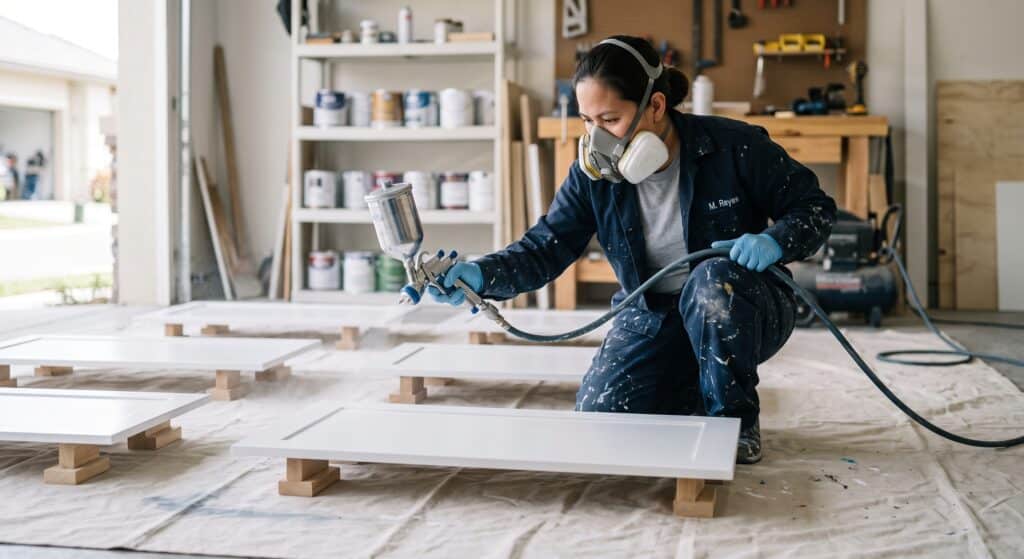
Paint for kitchen cabinets holds up best when it’s alkyd, latex, or a cabinet-specific formula that can handle grease, moisture, and daily wear. The finish type matters just as much as the colour — satin and semi-gloss are usually the go-to picks because they’re easier to wipe down. Prepping your surfaces properly before painting is what separates a job that lasts years from one that chips in months. So if you’re thinking about redoing your kitchen cabinets yourself or hiring someone to do it, knowing your options makes a real difference. What Is the Best Paint for Kitchen Cabinets? The short answer? Alkyd paint or a high-quality latex formula made specifically for cabinets. Both harden into a tough, smooth shell that can take the daily grind of a kitchen environment. Alkyd (also called oil-based) has been the traditional favourite for decades because it levels out beautifully and dries rock solid. Water-based cabinet paints have caught up though, and a lot of painters now prefer them because they dry faster, smell less, and clean up with water. What you want to avoid is regular wall paint. It’s not built for the abuse that kitchen cabinets take. Cooking splatter, steam, constant opening and closing, cleaning products — all of that breaks down a standard wall paint pretty fast. So when you’re looking at paint for kitchen cabinets, stick to products that are specifically labeled for trim, cabinets, or hard surfaces. What Are the Main Types of Paint for Kitchen Cabinets? There are a few different formulas out there, and each one has its strengths. Picking the right one really comes down to how much prep you want to do, how long you want to wait between coats, and what kind of finish you’re after. Alkyd (Oil-Based) Paint This is the classic cabinet paint. It levels itself out as it dries, which means fewer brush marks and a really smooth finish. It takes longer to cure — sometimes up to a week before you can really start using the cabinets hard — but the result is incredibly durable. One downside is the fumes. You’ll need proper ventilation and you have to clean brushes with mineral spirits or paint thinner. Water-Based Latex Paint Modern latex cabinet paints have come a long way. Look for ones with a urethane or acrylic alkyd blend — those are the ones that actually hold up. They dry faster, usually within a couple of hours between coats, and the cleanup is just soap and water. If you’re painting yourself and don’t want to deal with strong solvent smells, this is probably the better choice for paint for kitchen cabinets. Cabinet-Specific Enamel These are paints built from the ground up for cabinets and trim. They’re formulated to resist chipping, block stains, and stay scrubbable. They’re usually worth the extra cost because you won’t be repainting in two years. A lot of professional painters lean toward enamel finishes when doing kitchen cabinet jobs specifically because of how hard they cure. Chalk Paint Chalk paint is popular for furniture and sometimes gets used on cabinets too. It’s easy to apply and gives a matte, vintage feel. But it needs to be sealed with a wax or topcoat to hold up in a kitchen, and even then it’s not as tough as alkyd or enamel. It’s more of a stylistic choice than a practical one for a high-use space. Paint Type Comparison Here’s a quick breakdown of how the main paint types compare when used as paint for kitchen cabinets: Paint Type Durability Dry Time Best For Alkyd (Oil-Based) Very High 6-8 hrs per coat Long-lasting results Latex / Acrylic Alkyd High 2-4 hrs per coat DIY-friendly projects Cabinet Enamel Very High 4-6 hrs per coat Professional finishes Chalk Paint Low-Medium 30-60 min per coat Decorative looks only Which Paint Finish Works Best on Kitchen Cabinets? The finish — meaning the sheen level — matters a lot. Here’s the thing: the higher the sheen, the easier the surface is to wipe clean. For kitchen cabinets that deal with cooking grease and splashes, a washable finish is a must. Satin and semi-gloss are the two most popular choices for paint for kitchen cabinets. Satin has a soft glow that hides minor surface imperfections and still cleans up easily. Semi-gloss reflects more light and tends to be even tougher, making it a solid choice for cabinet doors that get touched constantly. Matte or flat finishes are pretty much off the table in a kitchen — they absorb grease and stains and are really hard to clean without scuffing the paint. A gloss finish is also an option if you want a super shiny look, but it shows every ding and brush mark clearly, so the surface prep has to be near perfect before you apply it. How Do You Prep Kitchen Cabinets Before Painting? Prep is honestly where most paint jobs either succeed or fail. You can have the best paint for kitchen cabinets money can buy, but if the surface isn’t clean, deglossed, and primed properly, it’s going to peel or chip within a year. Step 1: Remove the Doors and Hardware Take everything off — doors, hinges, drawer fronts, handles. Painting around hardware looks sloppy and makes it harder to get clean edges. Number the doors with tape and a marker so you know which cabinet each one came from. Step 2: Clean Everything Thoroughly Kitchen cabinets collect grease over time, even if they look clean. Wipe everything down with a degreaser or a mix of dish soap and warm water. Let the surfaces dry completely before moving on. Step 3: Sand and Degloss Lightly sand the surfaces with 120-150 grit sandpaper. You’re not trying to strip the old finish, just rough it up enough for the primer to grip. Wipe away all the dust with a tack cloth before priming. Step 4: Apply Primer Use a bonding primer, especially if you’re going from a dark colour to a light one or
What Are the Best Interior Painting Ideas for Home Transformation?
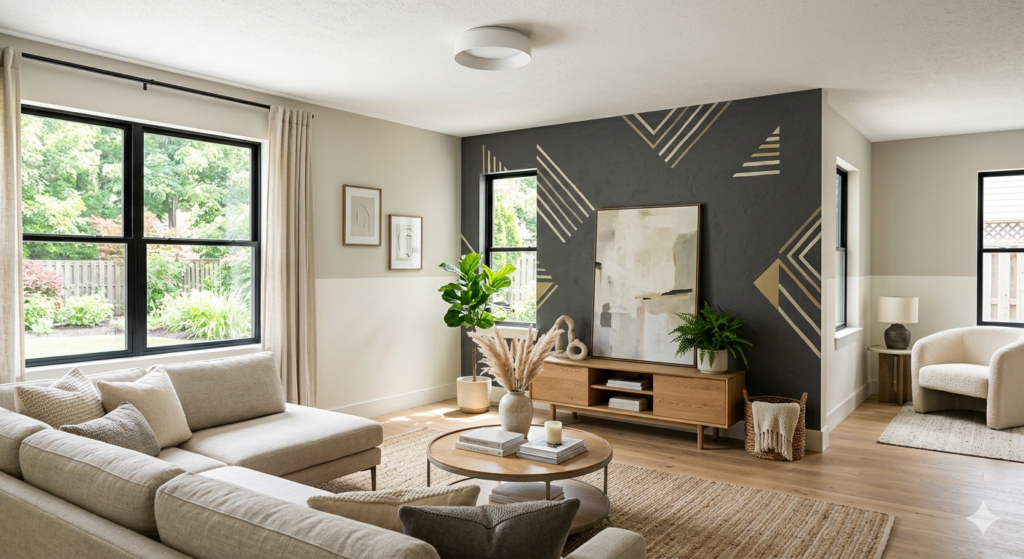
Interior painting ideas for home projects range from simple single-color updates to creative techniques like accent walls, ombré effects, and geometric patterns. The best approach depends on your room size, natural light, existing furniture, and personal style preferences. Popular options include neutral palettes for timeless appeal, bold accent walls for visual interest, two-tone walls for added dimension, and textured finishes for unique character. Proper surface preparation, quality paint selection, and strategic color placement create professional results that enhance your space’s functionality and aesthetic appeal while staying within budget. Refreshing your living space doesn’t always require a complete renovation. Sometimes, a fresh coat of paint in the right color or pattern can completely transform how a room feels and functions. From choosing complementary shades to experimenting with modern techniques, the possibilities are endless when you explore different interior painting ideas for home makeovers. Whether you’re working with a small bedroom or an expansive living area, understanding which colors work best in specific spaces helps you make informed decisions. This guide covers practical color selections, trending palettes, design rules, and professional techniques that deliver stunning results for Canadian homeowners. Why Interior Painting Ideas for Home Matter Choosing the right interior painting ideas for home projects affects more than just appearance. Color influences mood, perceived room size, and even property value. A well-planned paint scheme creates cohesion between rooms while allowing each space to serve its intended purpose. Paint is one of the most cost-effective ways to update your home. Compared to replacing flooring or purchasing new furniture, a professional paint job delivers dramatic change without breaking the budget. The right colors make small rooms feel larger, dark spaces feel brighter, and outdated homes feel current. Different rooms require different approaches. Kitchens benefit from colors that feel clean and energizing, while bedrooms need calming tones that promote rest. Living rooms often use neutral bases that accommodate changing decor, and bathrooms work well with moisture-resistant paint in refreshing shades. Understanding color psychology helps you select shades that support each room’s function. Blues and greens promote relaxation, making them ideal for bedrooms. Yellows and oranges stimulate conversation and appetite, working well in dining areas. Grays and beiges provide versatile backgrounds that never go out of style. Professional execution matters just as much as color selection. Proper surface preparation, quality materials, and skilled application create finishes that last years without peeling or fading. True Coat’s experienced team handles every detail, from protecting your furniture to ensuring crisp, clean lines that showcase your chosen interior painting ideas for home perfectly. What Is the Best Color to Paint Inside Your House? The best interior color depends on your specific needs, but neutral tones like soft gray, warm beige, and creamy white consistently deliver excellent results across different spaces and design styles. Neutral colors provide flexibility. They pair well with various furniture styles, artwork, and accent pieces. When you redecorate or change accessories, neutral walls don’t clash with new choices. This versatility makes neutrals practical for homeowners who like updating their decor periodically. Light neutrals make rooms feel larger and brighter. In Canadian homes where winter months bring limited daylight, lighter wall colors reflect available light and prevent spaces from feeling dark or cramped. Soft whites and pale grays work particularly well in north-facing rooms that receive less natural light. Warm neutrals like beige, taupe, and greige (gray-beige blend) create cozy atmospheres. These colors work beautifully in living rooms, bedrooms, and family spaces where comfort matters. They complement wood tones in flooring and furniture while maintaining a sophisticated appearance. Cool neutrals like soft gray and blue-gray suit modern aesthetics. These shades pair well with contemporary furniture, stainless steel appliances, and minimalist decor. They create calm, uncluttered environments that feel current and clean. Consider your home’s lighting when selecting neutrals. Paint samples on different walls and observe them throughout the day. Morning light, afternoon sun, and evening artificial light all affect how colors appear. What looks perfect at noon might seem too cool or too warm by evening. For those seeking guidance on selecting the perfect shade, professional color consultation services help you navigate options and choose colors that complement your home’s unique features. Popular Interior Painting Ideas for Home in 2026 Current interior painting ideas for home projects blend timeless appeal with fresh, contemporary touches. These trending approaches work well in Canadian homes and suit various budgets and skill levels. Accent Walls Accent walls remain one of the most popular interior painting ideas for home updates. This technique involves painting one wall in a bold or contrasting color while keeping other walls neutral. Accent walls draw attention to architectural features, create focal points, and add personality without overwhelming a space. Choose the wall behind your bed in a bedroom, the wall behind your sofa in a living room, or the wall featuring a fireplace. These natural focal points benefit from accent colors that highlight their importance in the room’s layout. Popular accent wall colors include deep navy, forest green, charcoal gray, and terracotta. These rich shades create drama and depth while remaining sophisticated. Pair them with white or light gray on remaining walls for balance. Two-Tone Walls Two-tone walls divide a single wall horizontally, using different colors on the top and bottom sections. This classic technique adds visual interest and can make ceilings appear higher or rooms feel more proportioned. Traditional applications place darker colors on the bottom portion (typically one-third of the wall height) with lighter shades above. This creates a grounding effect and hides scuffs in high-traffic areas. Modern interpretations sometimes reverse this, placing bold colors on top for unexpected visual impact. Chair rail molding often marks the division point, but painter’s tape creates clean lines without added trim. This approach works particularly well in dining rooms, hallways, and children’s rooms. Geometric Patterns Geometric patterns bring contemporary style to interior painting ideas for home projects. Triangles, hexagons, chevrons, and abstract shapes create custom wall art without the cost of wallpaper or professional murals. These patterns work