What Type of Paint Roller Should You Use for Every Surface?
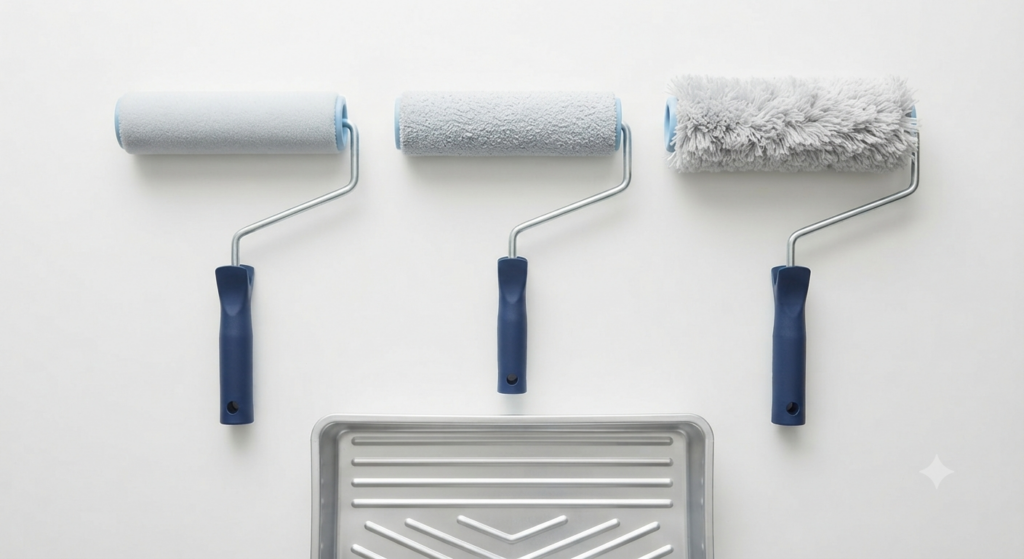
A paint roller is one of the most effective tools for covering large wall and ceiling surfaces quickly, evenly, and with a smooth finish. Choosing the right roller nap thickness, material, and size makes a measurable difference in your results — short nap for smooth walls, medium nap for standard drywall, and thick nap for rough or textured surfaces. This article breaks down every roller type, when to use each one, practical tips to avoid common mistakes, and when calling a professional is the smarter move. What Is a Paint Roller? A paint roller is a cylindrical painting tool made up of a metal or plastic frame and a removable fabric sleeve called a cover or nap. You load the cover with paint by rolling it across a paint tray, then apply it to a surface using back-and-forth or W-shaped strokes. The main advantage over brushes is speed. A paint roller can cover a square metre in seconds, making it the go-to tool for walls, ceilings, and floors. The nap absorbs paint and releases it evenly as you roll, which reduces streaks when used correctly. Rollers come in a range of widths, frame sizes, and cover materials. Each combination suits a different job — and using the wrong one often means extra coats, roller marks, or wasted paint. Does a Paint Roller Actually Make a Difference? Yes, and the difference is significant. Compared to a brush, a paint roller applies paint far more evenly across flat surfaces, cuts application time in half or more, and gives a consistent texture. Brushes are better for trim and tight corners, but for large open areas, a roller wins every time. The type of roller also affects how the finished surface looks. A low-nap roller on a smooth wall leaves an almost seamless finish, while a high-nap roller on the same wall can leave a heavy stippled texture that looks uneven once dry. Getting this match right is as important as choosing the right paint colour. Types of Paint Rollers and What They Are Best For Not all rollers are built the same. The cover material and nap thickness determine how much paint is held, how it releases, and what texture gets left behind. Nap Thickness Guide Nap Size Best Surface Finish Result 6mm (1/4 inch) Very smooth walls, ceilings, metal Ultra-smooth, minimal texture 10mm (3/8 inch) Standard drywall, light orange peel Smooth with slight texture 13mm (1/2 inch) Semi-rough surfaces, wood siding Medium texture 19mm (3/4 inch) Rough stucco, brick, cinder block Heavy texture, full coverage Cover Material Options Synthetic fibers (polyester or nylon blends) work well with latex and water-based paints. They hold their shape through multiple uses and are easy to clean. Natural fibers like lambswool or mohair are traditionally used with oil-based paints because they absorb and release thick paint smoothly without matting. Foam rollers work on very smooth surfaces where you want zero texture, such as cabinets or furniture, but they can leave air bubbles if overloaded. Which Paint Roller Size Should You Use? Roller width matters for efficiency and control. Standard sizes range from 9 inches to 18 inches wide, and the right choice depends on what you are painting. Roller Width Best Use 4-6 inches Trim, narrow spaces, accent walls 9 inches Standard walls and ceilings indoors 12-14 inches Large flat walls, floors, commercial spaces 18 inches Wide open surfaces, gymnasium floors, large exteriors A 9-inch roller is the most common choice for residential interior work. It covers enough area per stroke to stay efficient without becoming hard to control. For most Winnipeg homeowners tackling a living room or bedroom, a 9-inch roller with a 10mm to 13mm nap is a solid starting point. How to Use a Paint Roller Properly Using a paint roller correctly prevents lap marks, uneven coverage, and wasted paint. Follow these steps for the best result. Step-by-Step Roller Technique Always paint wet edge to wet edge. If one section dries before you connect the next, you will see a visible line in the finish. Common Paint Roller Mistakes and How to Fix Them Even experienced painters make roller mistakes. Knowing what causes them makes them easy to avoid. Roller marks and lines are usually caused by pressing too hard or using a dry cover. Keep consistent pressure and reload before the cover runs out. Stippling or heavy texture happens when the nap is too thick for a smooth surface. Switch to a shorter nap. Drips and runs come from overloading the tray and not rolling out excess paint before hitting the wall. Keep the roller moving and avoid stopping mid-stroke. Lint from new covers is a common complaint. Before using a new roller, wrap it with tape and peel it off a few times to remove loose fibers, or rinse it under water first. Things To Know Before Buying a Paint Roller When to Call a Professional Instead A paint roller is simple to use, but the results depend heavily on surface preparation, the right materials, and technique. Uneven walls, peeling old paint, water damage, or hard-to-reach exterior areas are situations where doing it yourself often costs more in corrections than hiring someone from the start. True Coat is a licensed and insured painting company serving Winnipeg’s residential and commercial clients. Whether you need interior walls done cleanly or an exterior refreshed before winter, the team brings the right tools and experience to finish the job properly. You can explore their residential painting services in Winnipeg or browse completed projects to see the quality of their work. For pricing, reach out through the True Coat contact page for a free estimate. Wrapping Up Your Paint Roller Choice Picking the right paint roller comes down to three things: surface texture, paint type, and the size of the area you are covering. Match your nap thickness to the surface, choose the right cover material for your paint formula, and use proper technique to get an even finish without extra coats. For large or