
What Paint Should You Use for an Exterior Paint House Project?
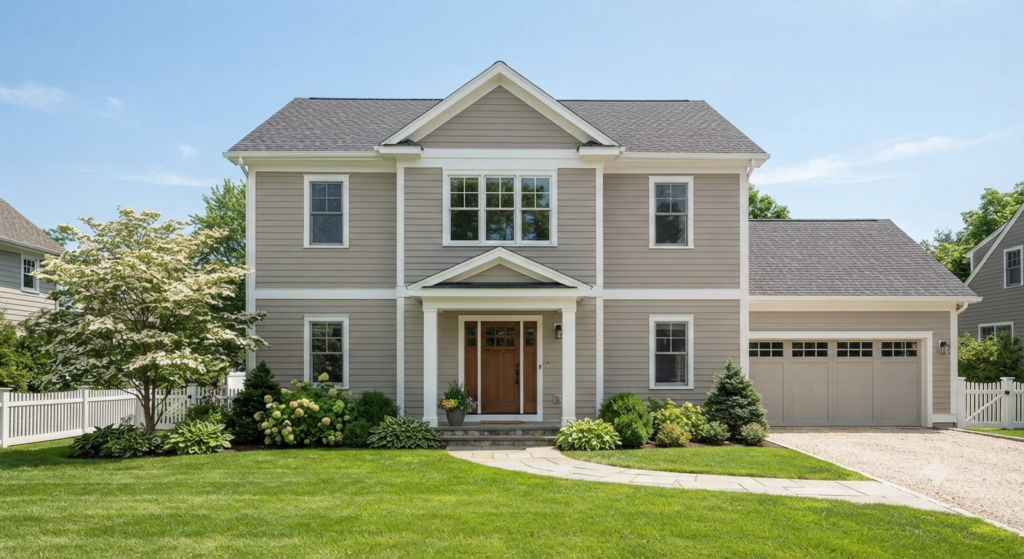
The best exterior paint house choice is a 100% acrylic latex formula rated for your local climate, offering strong adhesion, flexibility, and weather resistance. Picking the right product means your paint job lasts longer, holds its colour, and keeps moisture out of your walls. Whether you are dealing with Winnipeg winters or hot prairie summers, the type of paint you choose for an exterior paint house project affects everything from peel resistance to how long you wait before repainting. What Is Exterior Paint House and Why Does It Matter? An exterior paint house product is a paint specifically formulated to handle outdoor conditions. It is different from interior paint because it has to withstand rain, UV rays, freezing temperatures, heat, humidity, and physical wear. Using the wrong product on the outside of your home leads to early cracking, fading, bubbling, and peeling. A proper exterior paint house formula contains binders, pigments, additives, and solvents that are designed to expand and contract with your siding as temperatures change. This flexibility is what prevents cracks. Without it, your finish fails within a few seasons. Beyond protection, an exterior paint house project improves curb appeal and can even raise your property value. A clean, well-painted home signals that the structure is maintained. For homeowners in Winnipeg and across Canada, where freeze-thaw cycles are harsh, the quality of your exterior paint house product directly determines how often you repaint. Cheap or wrong-type paint in a cold climate means repainting every three to four years instead of every eight to ten. If you want to know more about how professional painters approach these projects in our city, check out this detailed post on the best approach to exterior painting for house projects. What Paint Is Best for an Exterior Paint House? The best paint for an exterior paint house project in Canada is 100% acrylic latex. It outperforms oil-based and alkyd paints on almost every measure that matters for residential use: flexibility, moisture resistance, mildew resistance, and drying time. Acrylic latex also produces fewer fumes and cleans up with water, making it easier and safer to apply. Here is a breakdown of the main exterior paint house product types and when each one applies: Paint Type Best For Key Advantage Limitation 100% Acrylic Latex Most exterior surfaces including siding, trim, stucco Flexible, breathable, durable in cold climates Costs more than basic latex Alkyd/Oil-Based Metal surfaces, heavily chalked surfaces Excellent adhesion on problem surfaces Longer dry time, more VOCs Elastomeric Concrete, stucco, masonry with hairline cracks Fills small cracks, highly waterproof Very thick, harder to apply evenly Latex Blend Budget projects with mild weather exposure Lower cost Less durable, not ideal for harsh winters For most Canadian homes, 100% acrylic latex is the clear winner for an exterior paint house job. It expands and contracts without cracking and resists mould in wet seasons. If your home has stucco or masonry walls, elastomeric paint is worth considering because it bridges minor surface cracks while still providing a clean finish. You can read more about how professional painters handle residential projects on the page about residential painting in Winnipeg. What Are the 5 Types of Exterior Paint Finishes for an Exterior Paint House? The finish level of your exterior paint house product controls how shiny the surface is and how well it resists dirt, moisture, and wear. Each finish has a specific use on different parts of your home’s exterior. Flat / Matte Finish Flat finishes hide surface imperfections very well and give a clean, non-reflective appearance. They work best on siding with rough or uneven surfaces. The downside is that flat paint is harder to wipe clean and shows scuffs more easily. It is a popular choice for large siding areas where you want a low-glare look on your exterior paint house. Eggshell Finish Eggshell has a subtle sheen that is slightly easier to clean than flat. It holds up better in moderate weather conditions and gives your exterior paint house a softer, warmer look than higher-gloss finishes. It is a common choice for body walls that need durability without high shine. Satin Finish Satin is one of the most popular choices for an exterior paint house project. It has enough sheen to repel moisture and dirt while still looking elegant. Satin finishes are durable, easy to clean, and hold up well under direct sun exposure. Most professional painters recommend satin for siding and body walls in Canadian climates. Semi-Gloss Finish Semi-gloss is ideal for trim, window frames, doors, and shutters on an exterior paint house. It reflects light, making these architectural details stand out. It is also highly resistant to moisture and easy to wipe down, which is why it is the standard for all areas that take more contact or exposure. Gloss / High-Gloss Finish High-gloss paint is used sparingly on an exterior paint house, usually just for front doors, decorative shutters, or metal fixtures. It provides the most protection against moisture and the easiest cleaning, but it also highlights any surface imperfections more than any other finish. Proper surface prep is critical when applying gloss paint. How Many Coats Does an Exterior Paint House Need? Most exterior paint house projects require a primer coat plus two topcoats. Primer is not always optional. On bare wood, repaired surfaces, or surfaces where the old colour is dramatically different from the new one, skipping primer leads to uneven coverage, poor adhesion, and reduced lifespan. Two topcoats of your chosen exterior paint house product give you full opacity, better colour consistency, and improved durability. One coat may look fine at first but tends to fade and peel sooner. On highly porous surfaces like raw stucco or rough cedar siding, three coats may be needed for a uniform, long-lasting finish. Surface condition plays a big role in how many coats your exterior paint house needs. Clean and lightly sanded surfaces in good condition can often get by with fewer coats. If you are painting over a dark colour