
What Kind of Paint Works Best for Exterior Paint Stucco Surfaces?
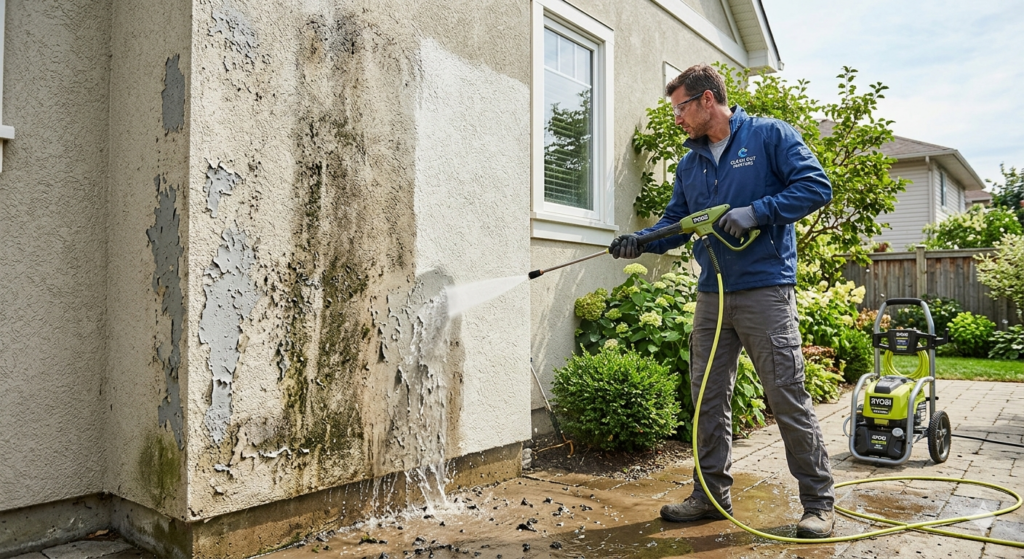
Exterior paint stucco surfaces require a specific type of paint that can handle the texture, porosity, and movement of the material. The best choice is elastomeric or masonry-grade paint, which bonds tightly, fills small cracks, and holds up against Canadian weather year-round. Choosing the wrong product leads to peeling, bubbling, and moisture damage within just a few seasons. Proper surface prep matters just as much as the paint itself, including cleaning, priming, and sealing any cracks before application. Latex-based exterior paint stucco formulas are the most popular because they breathe, stay flexible, and resist fading. Whether you are repainting an old stucco home or freshening up a newly textured commercial building, picking the right exterior paint stucco product and applying it correctly will give you a finish that lasts. What Makes Exterior Paint Stucco Different from Regular Paint? Stucco is a thick, textured surface made from cement, sand, and water. It is porous, meaning it absorbs liquids quickly and holds moisture if not properly sealed. Regular interior or all-purpose paints are not built for that kind of surface. Exterior paint stucco formulas are designed with higher solids content, better elasticity, and stronger adhesion so they can grip the rough texture and stay in place through freeze-thaw cycles. When temperatures drop in Winnipeg, stucco expands and contracts. A standard exterior paint may crack along with it. Elastomeric exterior paint stucco products stretch with the surface instead of splitting, which is why they are widely recommended for homes in colder climates. You also need a paint that prevents moisture from getting trapped behind the surface, which can cause damage from the inside out. Which Types of Paint Are Best for Exterior Paint Stucco? Not every can on the shelf is suitable for exterior paint stucco. There are three main categories worth knowing before you buy. Elastomeric Paint Elastomeric paint is the top recommendation for exterior paint stucco in Canada. It has a thick, rubber-like consistency that fills hairline cracks as it dries. It forms a waterproof barrier while still allowing the surface to breathe. This flexibility makes it ideal for stucco that shifts slightly with seasonal changes. One coat of elastomeric exterior paint stucco typically provides better coverage than two coats of standard masonry paint. Masonry and Latex-Based Paint Masonry paint is a reliable and widely available option for exterior paint stucco. It bonds well to porous cement-based surfaces and comes in a wide range of finishes. Latex-based masonry paints dry faster, are easier to clean up, and carry fewer fumes than oil-based alternatives. They also allow some moisture vapour to pass through, which is critical for stucco that may have trapped humidity underneath. If your stucco is in good condition with no major cracks, a high-quality latex exterior paint stucco product is a practical and cost-effective choice. Acrylic Paint 100% acrylic paint performs well on exterior paint stucco because it adheres tightly to rough surfaces and resists UV fading better than other types. Acrylic formulas stay vibrant longer and hold their colour through years of sun exposure. They also dry to a hard, durable finish that resists dirt and moisture. Acrylic exterior paint stucco is a solid mid-range option between standard masonry paint and premium elastomeric coatings. Comparing Paint Types for Exterior Paint Stucco Here is a straightforward comparison to help you choose the right product for your stucco surface: Paint Type Best For Key Benefit Durability Elastomeric Cracked or aging stucco Fills cracks, waterproof 10 to 15 years Masonry Latex Good condition stucco Breathable, easy to apply 7 to 10 years 100% Acrylic New stucco or repaints UV resistant, strong colour 8 to 12 years Oil-Based Not recommended for stucco Low breathability Less than 5 years How to Prepare Exterior Paint Stucco Before Painting Preparation is the most important part of any exterior paint stucco project. Skipping this step is the leading reason paint fails early on stucco surfaces. If your exterior paint stucco project involves repainting over an old coat, check whether the existing paint is peeling or chalking. Chalky paint must be removed or treated with a bonding primer before applying a new coat of exterior paint stucco. Painting over loose or peeling layers is a common mistake that causes the new coat to fail along with the old one. Things to Know Before Painting Exterior Paint Stucco Before you start your exterior paint stucco project, there are a few practical points that can save you time, money, and frustration. Why Choosing the Right Exterior Paint Stucco Product Matters The wrong product does more than look bad. It allows water to get behind the stucco layer, which can lead to mould growth, structural damage, and costly repairs. In Manitoba, where winters are long and freeze-thaw cycles are frequent, the stakes for using the right exterior paint stucco formula are high. Elastomeric exterior paint stucco protects against moisture infiltration better than any other type. Its thick coating seals the surface while remaining flexible enough to move with the stucco through temperature changes. Latex and acrylic options work well on stucco in better condition but may require more frequent repainting compared to elastomeric coatings. If you are unsure which product is right for your home, a professional assessment can help. Experienced painters know how to identify the condition of your stucco, choose the appropriate exterior paint stucco product, and apply it in a way that maximises the lifespan of the finish. You can learn more about professional exterior painting services or explore related topics like siding and stucco painting services for a closer look at what professional work involves. Exterior Paint Stucco: Application Method Comparison Choosing how you apply exterior paint stucco affects coverage, finish quality, and time on the job. Application Method Coverage Best For Skill Level Paint Sprayer Fast, even Large stucco surfaces Intermediate Thick-Nap Roller Good penetration Mid-size walls, back-rolling Beginner Paintbrush Slow, detailed Trim edges and repairs Beginner Sprayer + Roller Best overall Full exterior stucco jobs Intermediate Related Reading on Exterior Painting in Winnipeg