
What Is the Best Exterior Paint for Stucco?
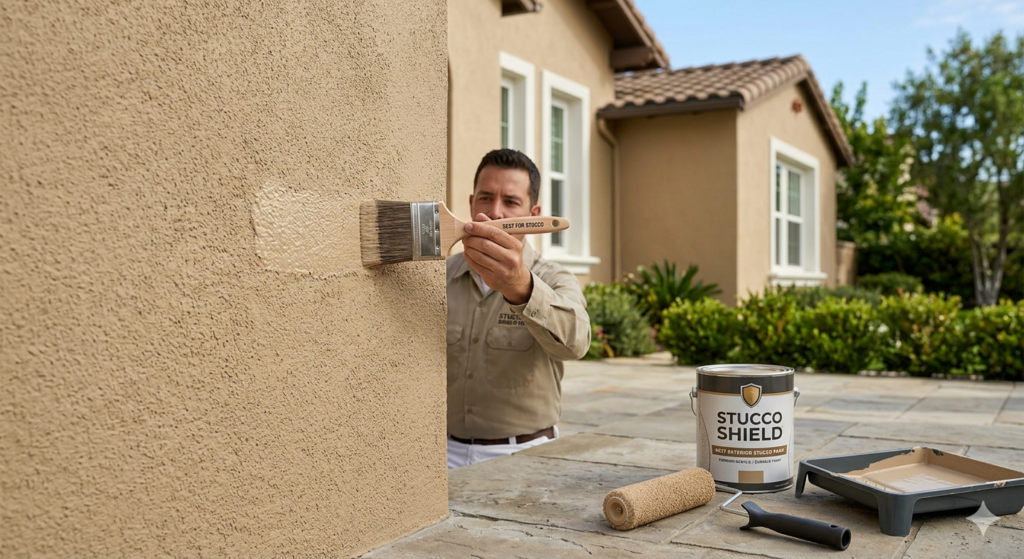
The best exterior paint for stucco is 100% acrylic paint because it flexes with the surface, resists cracking, and allows trapped moisture to escape. Elastomeric coatings work well for stucco with hairline cracks, while mineral silicate paint suits older or historic stucco that needs to breathe. Picking the right exterior paint for stucco protects the wall from Winnipeg’s freeze-thaw cycles and keeps the finish looking fresh for years. Stucco is a porous, textured surface that behaves differently from wood or vinyl siding, so not every paint formula holds up on it. A good exterior paint for stucco needs to stretch slightly as the wall expands and contracts with temperature changes, while also letting moisture pass through instead of trapping it inside. The wrong product can peel, blister, or trap water that damages the stucco from within. The right one, paired with proper prep and a breathable finish, can protect a home for a decade or longer. Why Stucco Needs a Different Type of Exterior Paint Stucco is made from cement, sand, and lime, which makes it porous and slightly absorbent compared to wood or metal siding. Because of this texture, exterior paint for stucco has to do more than just look good. It needs to manage moisture, handle small surface movements, and stand up to the grit of the textured finish without wearing thin in just a few years. Regular paint made for smooth surfaces can crack on stucco because it doesn’t stretch with the tiny shifts that happen as temperatures rise and fall. Winnipeg’s harsh winters and humid summers put extra strain on exterior walls, so the paint film needs enough flexibility to avoid splitting along hairline cracks. At the same time, stucco can hold moisture inside its pores, and a paint film that’s too thick or non-breathable can trap that water, leading to bubbling, peeling, or even mold growth behind the surface. This is why exterior paint for stucco is usually formulated with higher elasticity and better vapor permeability than standard wall paint. Choosing a product built for masonry surfaces, rather than a generic all-purpose paint, makes a measurable difference in how long the finish lasts. How to Choose the Best Exterior Paint for Stucco Choosing exterior paint for stucco comes down to matching the paint type to the condition of your walls, your climate, and how much maintenance you’re willing to do. Each option below has strengths suited to different situations, so the best choice depends on what your stucco needs most. Acrylic Paint for Stucco Acrylic paint is the most common exterior paint for stucco because it strikes a good balance between flexibility, breathability, and cost. It expands and contracts along with the stucco as seasonal temperatures shift, which helps prevent the fine cracking that rigid paints are prone to. Acrylic formulas also allow some water vapor to pass through the film, reducing the risk of trapped moisture. Most 100% acrylic exterior paints come in a range of finishes and colors, and they’re widely available at paint retailers. They typically last eight to twelve years when applied correctly over properly prepared stucco. For homeowners who want reliable performance without paying for specialty coatings, acrylic is usually the starting point. Elastomeric Coatings Elastomeric coatings are thicker than standard acrylic exterior paint for stucco and stretch significantly more, which makes them useful for walls with existing hairline cracks. The coating can bridge small gaps in the surface, filling minor imperfections while still flexing with the wall. These coatings tend to be more expensive and require careful application since they go on thicker than regular paint. They also reduce breathability more than standard acrylic, so they work best on stucco that’s already dry and in reasonably good shape, rather than walls with ongoing moisture problems. Mineral Silicate Paint Mineral silicate paint is a specialty option that chemically bonds with the mineral components in stucco rather than just sitting on top of it as a film. This creates a finish that breathes exceptionally well, making it a strong choice for older or historic stucco homes where moisture management is critical. Silicate paint costs more upfront and isn’t as widely stocked as acrylic, but it can outlast standard exterior paint for stucco by many years when applied on suitable surfaces. It’s worth asking a painting contractor whether your stucco’s age and condition make it a good candidate for this option. Comparing the Main Paint Types Paint Type Best For Breathability Typical Lifespan 100% Acrylic General use, most stucco walls Good 8–12 years Elastomeric Stucco with hairline cracks Moderate 10–15 years Mineral Silicate Older or historic stucco Excellent 20+ years Which Paint Finish Works Best on Stucco The right finish matters just as much as the paint type when choosing exterior paint for stucco. Because stucco already has texture built into the surface, the sheen level affects how that texture reads and how easily dirt or stains show up over time. Flat or matte finishes are the most popular choice for stucco because they hide surface imperfections well and give a soft, natural look that suits the material’s texture. They don’t reflect much light, which helps minor flaws blend in rather than stand out. Low-sheen or satin finishes offer a bit more durability and are slightly easier to wipe clean, though they can highlight texture more than a flat finish would. Glossy finishes are rarely recommended for stucco since they tend to emphasize every bump and ridge in the surface, making the wall look uneven rather than smooth. For most homes, a flat or low-sheen exterior paint for stucco strikes the right balance between appearance and practicality. How to Prepare Stucco Before Painting Preparation has a bigger impact on how long exterior paint for stucco lasts than the paint brand itself. Skipping steps here is the most common reason a paint job fails early, regardless of how good the product is. Cleaning the Surface Stucco collects dust, pollen, and mildew in its textured surface, so a thorough wash is the first