
What Is the Best Exterior Paint Primer for Wood?
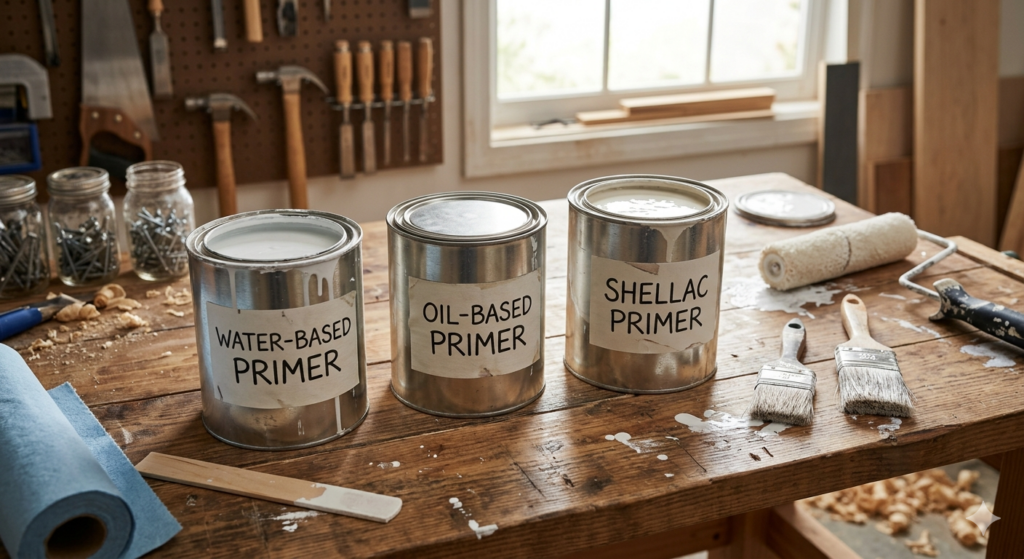
Exterior paint primer for wood is the layer applied before paint that seals the surface, blocks stains, and helps the topcoat stick properly. Oil-based primers work best on bare wood, raw cedar, and surfaces with tannin staining, while water-based acrylic primers suit previously painted wood and offer faster drying with easier cleanup. Choosing the right exterior paint primer for wood depends on the wood type, its condition, and the climate it will face. Why Exterior Paint Primer for Wood Matters Wood is a porous material that absorbs moisture, expands, and contracts with temperature changes. Without a proper exterior paint primer for wood, paint can peel, crack, or fade much faster because it has nothing to bond to evenly. Primer creates a stable base layer that paint can grip onto, which extends the life of the finish significantly. Bare wood also contains natural oils and tannins, especially in cedar and redwood, that can bleed through paint and cause yellow or brown stains. An exterior paint primer for wood with stain-blocking properties stops this discoloration before it starts. Primer also fills small pores and rough fibers in the wood, giving the topcoat a smoother surface to land on. Another reason exterior paint primer for wood is important is moisture protection. Untreated or unprimed wood absorbs rain and humidity, which can lead to swelling, warping, or even rot over time. A quality primer acts as a moisture barrier, sealing the wood before the paint goes on. Do You Need Primer Before Painting Exterior Wood? In most cases, yes. Bare or new wood almost always needs an exterior paint primer for wood because untreated surfaces absorb paint unevenly, leading to blotchy results and poor durability. If you’re working with wood that has never been painted, skipping primer often means the topcoat will fail within a year or two. There are situations where primer may not be strictly required. If the existing painted surface is in good condition, clean, and the new paint is the same type and similar color, a fresh coat of paint alone might be enough. However, even in these cases, applying exterior paint primer for wood to any bare spots, repairs, or sanded areas is still recommended for an even finish. Old wood that has been painted multiple times, has chalky residue, or shows signs of peeling will benefit from primer because it helps the new paint adhere to a clean, stable layer rather than fighting against old, deteriorating paint. When Primer Is Necessary When Primer May Be Skipped Types of Exterior Paint Primer for Wood There are three main categories of exterior paint primer for wood, and each one serves a different purpose depending on the wood’s condition and the climate. Oil-Based Primer: Oil-based exterior paint primer for wood is known for its strong stain-blocking ability. It penetrates deep into the wood grain, seals knots and tannins, and creates a hard, durable surface. This type works particularly well on cedar, redwood, and other woods prone to bleeding through paint. The downside is a longer drying time and the need for mineral spirits during cleanup. Water-Based Acrylic Primer: Acrylic exterior paint primer for wood dries quickly, has low odor, and remains flexible after curing, which helps it handle the expansion and contraction of wood in changing weather. It is easier to clean up with soap and water and is a good choice for previously painted surfaces or wood that does not have heavy tannin issues. Shellac-Based Primer: Shellac primers are excellent for blocking severe stains, including water damage and smoke stains, but they are less commonly used for general exterior wood priming because of strong fumes and limited flexibility outdoors. Below is a quick comparison to help decide which exterior paint primer for wood fits a specific project. Primer Type Best For Drying Time Stain Blocking Oil-Based Bare wood, cedar, tannin-prone surfaces 8-24 hours Excellent Water-Based Acrylic Previously painted wood, general surfaces 1-2 hours Good Shellac-Based Severe stains, water damage spots 30-60 minutes Outstanding How to Apply Exterior Paint Primer for Wood Correctly Applying exterior paint primer for wood properly makes a noticeable difference in how long the finished paint job lasts. Here is a practical breakdown of the process from start to finish. Step 1: Clean the Surface Remove dirt, dust, mildew, and loose debris from the wood before priming. A pressure washer on a low setting or a stiff brush with mild soap and water works well. Let the surface dry completely, ideally for 24 to 48 hours, before moving forward. Step 2: Sand and Repair Sand any rough spots, peeling paint, or uneven areas to create a smooth base. Fill cracks, holes, or gaps with exterior-grade wood filler and sand it flush once dry. This step ensures the exterior paint primer for wood adheres evenly across the whole surface. Step 3: Apply Primer Use a brush, roller, or sprayer depending on the size of the area. Apply a thin, even coat of exterior paint primer for wood, working in the direction of the wood grain. Avoid heavy application, which can lead to drips and uneven drying. Step 4: Let It Cure Follow the drying time listed on the product label. Oil-based primers typically need longer to cure than water-based options. Painting over primer before it fully cures can cause adhesion problems. Step 5: Inspect Before Painting Check for missed spots, especially around edges, corners, and knots. Touch up any thin areas with a second coat of exterior paint primer for wood before applying the topcoat. Choosing the Best Exterior Paint Primer for Wood by Project Type Different parts of a home’s exterior face different challenges, so the right exterior paint primer for wood can vary by location. Siding: Large surface areas benefit from acrylic primers for ease of application, unless the siding is cedar or has visible knots, in which case an oil-based exterior paint primer for wood is the stronger choice for stain blocking. Trim and Fascia: These areas are often made from softer woods and