
What Exterior Painting Temperature Is Right for Your Home?
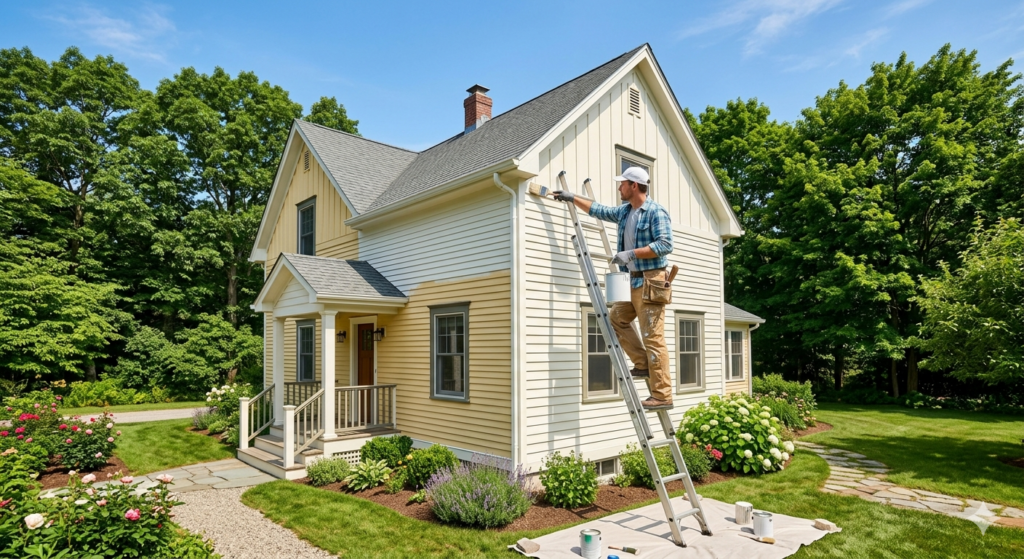
The right exterior painting temperature sits between 10°C and 29°C, making late spring through early fall the best window for painting the outside of your home in Canada. Painting outside this range causes peeling, bubbling, and poor adhesion, which means costly re-work down the road. Whether you plan to tackle the job yourself or hire a professional, knowing the ideal exterior painting temperature saves you time, money, and frustration. In the sections below, you will learn the exact temperature ranges to aim for, which conditions to avoid, how humidity and wind affect the job, what season works best in Winnipeg, and answers to the most common questions homeowners ask before scheduling their exterior painting project. What Is the Right Exterior Painting Temperature for Your Home? Most paint manufacturers recommend an exterior painting temperature range of 10°C to 29°C (50°F to 85°F). This window allows the paint to flow smoothly, bond firmly to the surface, and dry at a steady pace. In Winnipeg and across Manitoba, late May through early September typically falls within this safe range, making it the prime season for exterior painting projects. Latex or water-based paints are the most popular choice for exterior painting in Canada because they are flexible and handle temperature shifts better than oil-based options. That said, even latex paint struggles when temperatures drop below 10°C or spike above 30°C. Always check the label on your paint can, because some premium formulas tolerate slightly wider exterior painting temperature ranges. How Does Temperature Affect Exterior Painting Results? Temperature directly controls how paint behaves from the moment it leaves the brush to the moment it fully cures. When the exterior painting temperature is too low, the paint thickens, takes too long to dry, and may freeze before bonding with the surface. When it is too high, the paint dries too fast, leaving lap marks, brush strokes, and uneven colour across the wall. Cold Weather: What Happens Below 10 Degrees Celsius Painting below 10°C is one of the most common mistakes homeowners make when pushing the season. At this exterior painting temperature, the paint film forms a surface skin while the lower layers stay wet, leading to cracking and flaking within months. Dew point also becomes a serious concern in cold conditions. If the surface temperature of your siding is near the dew point, moisture condenses on the wall and prevents proper paint adhesion, no matter how good your technique. Hot Weather: What Happens Above 30 Degrees Celsius Extreme heat is just as damaging. An exterior painting temperature above 30°C causes water to evaporate from the paint too fast. This shortens the working time and traps air bubbles in the film. Dark-coloured surfaces sitting in direct sunlight can reach 10 to 15 degrees above the air temperature, meaning the actual surface you are painting may already be too hot even on a mild day. Always paint in the shade when possible or wait until the surface cools in the late afternoon. Humidity and Wind: The Hidden Factors Humidity and wind matter as much as air temperature. High humidity above 85% slows drying and promotes mildew growth under the paint film. Strong winds speed up drying unevenly and carry dust onto the wet surface. Ideal exterior painting temperature conditions include relative humidity between 40% and 70% and calm or light wind, so the paint can cure on its own schedule. Exterior Painting Temperature: Quick Reference Guide Condition Temperature Range Effect on Paint Recommended Action Ideal 10°C to 29°C Smooth application, proper bonding Safe to paint Too Cold Below 10°C Freezing, poor adhesion, cracking Delay the project Too Hot Above 30°C Fast drying, lap marks, bubbling Paint in the shade or wait High Humidity Above 85% RH Slow drying, mildew risk Choose a drier day Strong Wind Above 25 km/h Uneven drying, dust contamination Wait for calmer weather What Is the Best Season for Exterior Painting in Winnipeg? In Winnipeg, the best season for exterior painting is late May through early September. This window reliably delivers the exterior painting temperature range both latex and oil-based paints need. Early spring can fool homeowners with a warm afternoon followed by a frost overnight, which ruins paint that has not fully cured. Fall projects can work if you schedule them for late August or early September, before overnight temperatures drop below 10°C consistently. A practical tip: always check both the daytime high and the overnight low before starting an exterior painting project. Paint needs several hours to cure, and a cold night following a warm afternoon can still cause problems. Most professionals recommend starting no earlier than 9 a.m. so morning dew has dried off the surface, and stopping at least two to three hours before sunset to avoid the temperature drop in the evening. If you are planning a full home exterior refresh and want to get the timing right, explore our exterior painting services or check out our post on the best approach to exterior painting for house projects for more preparation tips. Which Paint Type Works Best at Different Exterior Painting Temperatures? Not all paints behave the same at every exterior painting temperature. Choosing the right formula for your climate makes a noticeable difference in durability and finish quality. Paint Type vs. Ideal Exterior Painting Temperature Paint Type Min. Temperature Max. Temperature Best Use Latex / Water-Based 10°C 29°C Siding, walls, general exterior Acrylic Latex 7°C 32°C All-purpose exterior in variable climates Oil-Based 15°C 30°C Trim, doors, metal surfaces Low-Temp Latex 4°C 27°C Fall or early spring projects Things To Know Before Starting Your Exterior Painting Project Before you pick up a brush, here are the most important practical points to keep in mind about exterior painting temperature and preparation: Why Hiring a Professional Makes Exterior Painting Temperature Management Easier Managing exterior painting temperature conditions is one of the most challenging parts of any exterior project. A professional painter knows when to start, when to stop, and how to adjust for changing weather throughout the day. True Coat