
What Makes Deck Stain Oil Based the Best Choice for Your Deck?
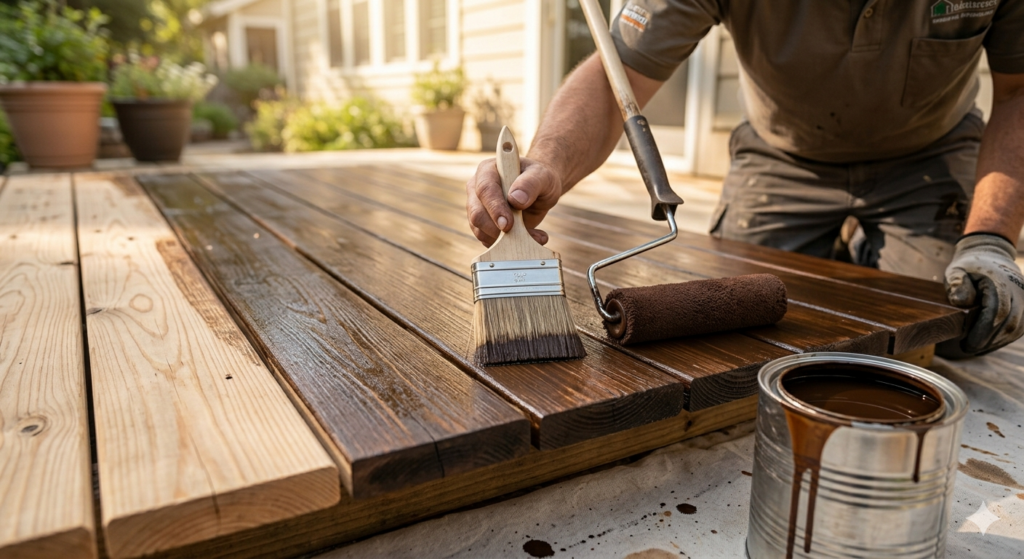
Deck stain oil based is the most effective option for protecting and preserving outdoor wood in Canadian climates. It penetrates deep into the wood fibres, seals out moisture, prevents cracking, and brings out the natural grain of your deck with a rich, lasting finish. Whether you have a brand new pressure-treated deck or an older structure that needs attention, using a deck stain oil based product offers clear advantages over surface-level coatings. From preparation and application tips to drying times and long-term maintenance, every step plays a role in getting results that last. Y ou can also explore our painting and staining services to see how True Coat handles these projects from start to finish. What Is Deck Stain Oil Based and How Does It Work? A deck stain oil based product is a penetrating finish that uses oil as its carrier, allowing it to soak below the surface of the wood rather than forming a film on top. This is what separates it from latex or water-based alternatives, which tend to sit on the surface and peel over time. When oil penetrates the wood, it nourishes and stabilises the fibres from within. This is especially important for aged or weathered decks that have started to dry out and crack. The oil replenishes the natural moisture balance of the wood, making it more flexible and better able to expand and contract with temperature changes throughout the year. Most deck stain oil based products also contain UV inhibitors and mildewcides, which protect against sun fading and fungal growth. This combination of deep penetration and added protection makes oil-based staining particularly well-suited to Canadian weather conditions where temperatures swing from very hot summers to harsh winters. Because a deck stain oil based formula does not form a surface film, it also does not peel or blister the way paint can. When it eventually wears away, it does so gradually and evenly, making reapplication far simpler with no heavy stripping needed. Is Deck Stain Oil Based Better Than Water-Based Stain? This is one of the most common questions homeowners ask before starting a deck staining project, and the honest answer depends on the condition of your wood and what you are trying to achieve. When Oil-Based Stain Wins A deck stain oil based formula is the stronger choice when you are working with older, more porous wood that has dried out over years of sun and rain exposure. The oil soaks in deeply and restores the wood’s natural character. It also handles heavily weathered boards better because the thinner formula reaches the deep fibres where protection is needed most. Oil-based deck stain also performs better in climates with extreme temperature swings. In Winnipeg and across much of Canada, decks experience freeze-thaw cycles that can be brutal on surface-level coatings. A penetrating deck stain oil based product moves with the wood as it expands and contracts, reducing the risk of visible wear over time. When Water-Based Stain Has the Edge Water-based stains dry faster, have lower VOC levels, and clean up with water rather than mineral spirits. For brand new pressure-treated lumber, water-based formulas are sometimes recommended because fresh treated wood can repel oil if it still contains high moisture content. That said, once wood is fully dried and seasoned, most professional painters still reach for a deck stain oil based product for the depth of protection it provides. To explore what option is best for your specific deck, reach out through our contact page and one of the True Coat team can advise you directly. Deck Stain Type Comparison Stain Type Penetration Durability Best For Deck Stain Oil Based Deep 3 to 5 years Aged, dry wood Water-Based Stain Moderate 2 to 3 years New or treated wood Solid Colour Stain Surface only 3 to 5 years Worn or damaged decks Semi-Transparent Moderate deep 2 to 4 years Healthy, visible wood grain How to Apply Deck Stain Oil Based the Right Way Getting a proper result with deck stain oil based products depends almost entirely on preparation. Even the best stain will fail prematurely if applied to a dirty, wet, or previously coated surface that was not properly cleaned first. Step 1: Clean and Prepare the Surface Start by sweeping the deck thoroughly and removing all furniture, planters, and debris. Use a deck cleaner or brightener to strip away dirt, mildew, and grey weathered fibres. If the deck has an old coating that is peeling or bubbling, you will need to strip it completely before applying a new deck stain oil based product. Allow the wood to dry for at least 48 hours after washing. Step 2: Check the Weather Oil-based stains require warm, dry conditions to absorb and cure properly. Aim for temperatures between 10 and 30 degrees Celsius, with no rain in the forecast for at least 24 to 48 hours. Applying a deck stain oil based product in cool or humid conditions will prevent it from curing correctly and can leave a tacky or uneven finish. Step 3: Apply Thin, Even Coats Use a brush, roller, or pump sprayer designed for oil-based products. Work in the direction of the wood grain and keep a wet edge to avoid lap marks. Apply the stain in thin coats, allowing the first coat to absorb fully before deciding whether a second coat is needed. Over-applying a deck stain oil based formula can lead to a sticky surface that takes much longer to dry. Step 4: Wipe Away Excess If any areas appear shiny or pooled after 15 to 20 minutes, wipe away the excess with a clean rag. This is a critical step with oil-based products, as too much stain sitting on the surface can prevent proper absorption and leave blotchy results. For large or complex decks, working with a professional ensures even coverage and proper technique. You can view our completed staining projects to see the kind of results a trained team can deliver. How Long Does Deck Stain Oil Based