What Is Drywall Compound and How Do You Use It?
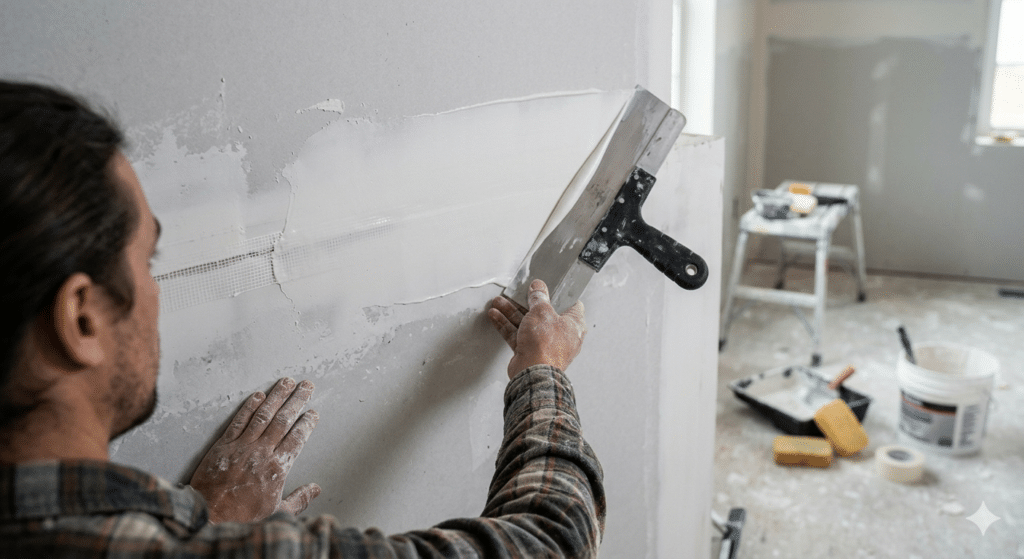
Drywall compound is a paste-like material used to fill joints, cracks, and imperfections in walls and ceilings, and it is one of the most important products in any wall repair or finishing project. Choosing the right drywall compound and applying it properly can mean the difference between a smooth, paint-ready wall and a surface full of cracks, bumps, or uneven spots. There are several types of drywall compound available, including all-purpose, lightweight, topping, and setting compound, each designed for a specific stage of the job. Knowing when to use each type, how to mix and apply it, and how to sand and prime correctly helps you get a professional finish. Whether you are patching a small hole, finishing new drywall, or prepping for paint, using the correct drywall compound technique makes the whole process faster and cleaner. For large or complex projects in Winnipeg, working with a licensed team like True Coat ensures the job is done right the first time. What Is Drywall Compound? It is called joint compound or mud, is a white paste made from gypsum dust mixed with water and other additives. It is spread over drywall seams, screw holes, corners, and damaged areas to create a flat, uniform wall surface. Once it dries and is sanded smooth, the wall is ready for primer and paint. Without it, you would see every joint line, nail pop, and seam through your finish coat. In Canada, drywall compound is sold in buckets ranging from small 1-litre containers to large 20-litre pails. It is used for both residential and commercial construction, renovations, and repairs. The product has a creamy consistency when fresh and shrinks slightly as it dries, which is why multiple coats are almost always needed. What Does Drywall Compound Do? Drywall compound serves several key purposes in wall construction and repair. Its primary job is to cover and blend drywall joints so they disappear under paint. It also fills screw or nail holes, patches surface damage, and creates smooth corner finishes. Without a proper layer of drywall compound, any wall would show all the seams where sheets of drywall meet, making it impossible to get a clean painted finish. Beyond hiding joints, drywall compound also bonds drywall tape to the wall. Paper or mesh tape is embedded into the first coat of wet compound, and additional coats are feathered out to blend the repaired area with the surrounding wall. This layered process, often called taping and mudding, is what creates that seamless look you see in finished rooms. What Kind of Compound Is Used for Drywall? Not all drywall compound is the same. Each type has a specific role, and using the wrong one at the wrong stage can cause cracking, poor adhesion, or a surface that is hard to sand. Here is a breakdown of the four main types: All-Purpose Drywall Compound This is the most commonly used product on job sites. All-purpose drywall compound can be used for taping, topping, and texturing. It is a solid choice for general repairs and smaller projects because you only need one product for multiple steps. However, it takes longer to dry than setting compound and may shrink a bit more. Lightweight Drywall Compound Lightweight drywall compound contains additives that reduce its weight by about 25 to 35 percent compared to all-purpose compound. It is easier to sand, dries faster, and is less likely to crack. This makes it popular for finish coats and skim coating. For projects in Winnipeg where humidity can slow drying times, lightweight compound is a practical choice. Topping Compound Topping compound is used for the final coat. It is the smoothest and easiest to sand of all the pre-mixed options. It is not strong enough for taping, but it gives you that super-fine finish coat before painting. Topping drywall compound is best used on new construction where large flat areas need to be finished. Setting Compound (Hot Mud) Setting compound, sometimes called hot mud, comes in powder form and mixes with water. Unlike pre-mixed products, it hardens through a chemical reaction rather than by drying. Setting drywall compound comes in different time ratings such as 20, 45, or 90 minutes. It is harder, denser, and much more difficult to sand. It is ideal for filling deep holes, building up thick areas, or working in cold or humid conditions where pre-mixed compound dries slowly. Drywall Compound Types at a Glance Type Best Use Key Benefit All-Purpose Taping, topping, and texturing Versatile, one product for all stages Lightweight Finish coats and skim coating Easy to sand, faster drying Topping Final coat only Smoothest surface for painting Setting (Hot Mud) Deep fills, cold/humid conditions Hardens by chemical reaction, very durable How to Apply Drywall Compound Step by Step Applying drywall compound correctly takes practice, but the basic process is straightforward. A proper application always involves at least three coats: a tape coat, a second filling coat, and a finish coat. Rushing through the steps or skipping drying time between coats leads to cracking and shrinkage. • First coat (tape coat): Spread a thin layer of drywall compound over the joint, embed your tape, and smooth it flat. Let it dry completely, which usually takes 24 hours depending on temperature and humidity. • Second coat: Apply a wider, thinner layer over the tape coat. Feather the edges out several centimetres on each side to blend with the surrounding wall. Allow full drying time. • Third coat (finish coat): Use lightweight or topping compound for a thin, smooth final layer. Sand lightly once dry using 120 to 150 grit sandpaper. • Prime and paint: After sanding, apply a coat of drywall primer before painting. Skipping primer causes paint to absorb unevenly and show lap marks. For walls that need more than just mudding, True Coat offers professional drywall and plaster repair services to restore any surface to a flawless condition. How Many Coats of Drywall Compound Do You Need? Most professionals recommend a minimum