
What Limewash Color Is Best for Your Home?
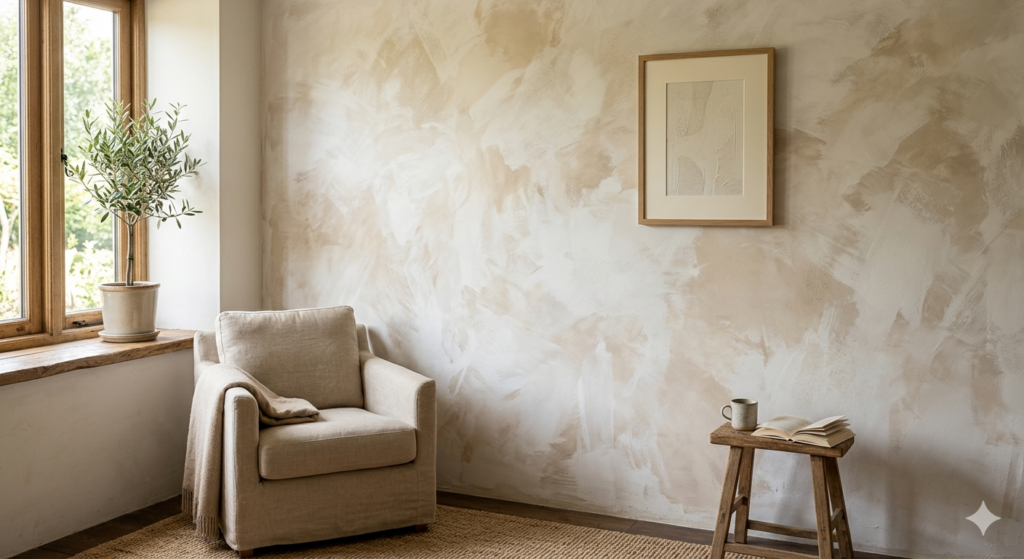
Limewash color is one of the most popular paint finishes in Canadian homes right now, known for its soft, textured look and breathable, natural formula. The best limewash colors for most homes range from warm whites and soft greys to earthy beiges and muted greens, depending on the room’s light and style. Choosing the right limewash color can change the entire mood of a space, so it’s important to pick the right tone before committing. This article walks through the most popular limewash color options, explains why certain shades work better in specific spaces, covers how professional application makes a big difference, and answers the most common questions homeowners ask about limewash color choices. Whether you’re refreshing a living room wall, updating an exterior, or adding character to a bedroom, you’ll find practical guidance here to help you move forward with confidence. What Is Limewash Color and Why Is It Trending? Limewash color refers to the finish produced by applying diluted lime-based paint to a wall in thin, overlapping layers. Unlike standard paint that sits on top of the surface, limewash color soaks into the material, creating a soft, mottled look that changes slightly as the light shifts throughout the day. It’s a finish that feels both old-world and modern at the same time. Homeowners across Winnipeg and the rest of Canada are choosing limewash color for several good reasons. First, it’s breathable, which means it allows moisture to pass through walls rather than trapping it. This is especially useful in older homes or spaces prone to humidity. Second, the natural ingredients make it a low-VOC option, which is better for indoor air quality. Third, the textured, layered look adds depth that flat paint simply cannot replicate. Practically speaking, limewash color works well on brick, plaster, drywall, and even exterior surfaces. The finish ages gracefully over time, developing a patina that actually improves the character of the wall rather than looking worn out. If you’re looking for a finish that brings both visual interest and function into the same choice, limewash color delivers on both fronts. Which Limewash Color Works Best for Each Room? Not every limewash color works equally well in every room. The right choice depends on the amount of natural light, the existing furniture tones, and the mood you want to create. Here’s a breakdown of the most popular shades and where they perform best. Warm Whites and Creamy Tones Warm white limewash color is the most versatile option available. It brightens a space without feeling stark or clinical. In Canadian homes where natural light can be limited during winter months, a warm white limewash color keeps rooms feeling open and airy year-round. This shade works especially well in living rooms, dining areas, and bedrooms where a relaxed, welcoming atmosphere is the goal. A creamy off-white limewash color also pairs beautifully with wood floors, linen textiles, and natural stone finishes. Soft Greys and Greige Shades Grey limewash color is a strong choice for modern or Scandinavian-inspired interiors. A soft grey limewash color adds a cool, calm tone to bedrooms and home offices. Greige (a blend of grey and beige) is particularly popular because it bridges warm and cool palettes, making it easier to match with a wide variety of furniture. This is one of the most requested limewash color choices among homeowners who want a neutral tone without going too stark. Earthy Beiges and Taupes Earthy limewash color tones like warm beige and taupe bring a grounded, organic feeling to any room. These shades work well in spaces where you want a cozy, enveloping atmosphere, such as a study, reading nook, or master bedroom. They also complement terracotta tiles, dark wood furniture, and woven natural textiles. An earthy limewash color tends to look richer and more saturated in spaces with warm lighting. Muted Greens and Sage Tones Muted green limewash color has been gaining serious traction as homeowners lean toward nature-inspired palettes. A sage or olive limewash color adds a sense of calm and brings the outdoors inside without being loud or distracting. This works well in bathrooms, kitchens, and sunrooms where a fresh, organic feel is wanted. Limewash Color by Room: Quick Reference Use the table below to match the best limewash color to each room based on light level and style. Room Best Limewash Color Why It Works Living Room Warm White or Creamy Beige Brightens space, pairs with most furniture Bedroom Greige or Soft Grey Calm, restful tone for relaxation Kitchen Sage Green or Warm White Fresh, clean feel with natural character Bathroom Soft Grey or Muted Green Cool tones work well with tile and fixtures Home Office Warm Beige or Taupe Grounded tone supports focus without distraction Exterior Walls Warm White or Natural Stone Weather-resistant and adds classic curb appeal How Professional Application Affects Your Limewash Color Results The technique used to apply limewash color matters as much as the shade itself. Two homes can use the exact same limewash color and end up with very different results depending on how it was applied. This is one of the biggest reasons why professional application is worth considering. The process typically involves applying two to three thin layers of diluted lime paint using a wide brush with crosshatch strokes. Each layer is allowed to partially dry before the next is applied, which creates the characteristic depth and variation that defines limewash color. Some areas are left slightly lighter while others absorb more pigment, producing an intentionally uneven finish that looks natural and organic. Surface preparation also plays a significant role. Walls that have not been properly cleaned, patched, or primed will not absorb limewash color evenly. A professional painter knows how to prepare the surface correctly so the final limewash color outcome looks consistent and intentional, not blotchy or patchy. If you’ve been researching limewash paint in Canada and why it works so well, you’ll know that the right technique and the right local expertise make all the difference in the final result.