
How Do You Choose the Best Interior Paint Wall Colors for Your Home?
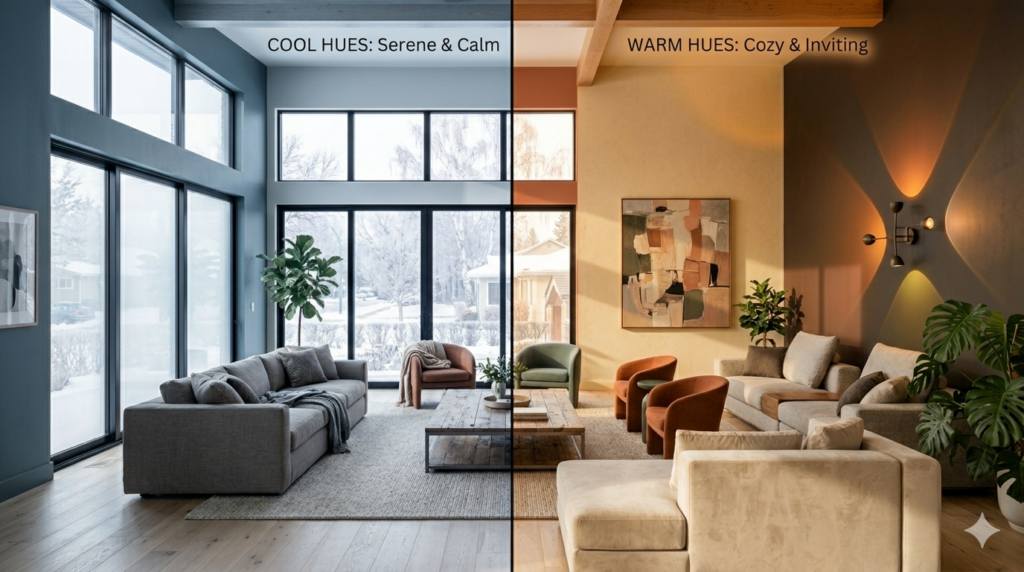
Interior paint wall colors can make or break the atmosphere in your home. Choosing the right shade involves understanding how colors affect mood, considering natural and artificial lighting, testing samples in your actual space, and selecting appropriate finishes for each room. The best interior paint wall colors balance personal preference with practical considerations like room size, existing furniture, and the amount of natural light available. Whether you prefer neutral tones that stand the test of time or bold accent walls that make a statement, the key is selecting colors that create the environment you want while complementing your home’s architecture and your lifestyle needs. Why Do Interior Paint Wall Colors Matter? Interior paint wall colors shape how you experience every room in your home. The shades you choose affect your emotions, energy levels, and even how you interact with family and guests. Color has real psychological power. Blues and greens typically create calm, relaxing spaces perfect for bedrooms and bathrooms. Warm tones like yellows and oranges energize kitchens and dining areas where families gather. Neutrals provide versatile backdrops that work anywhere. Your interior paint wall colors also influence how large or small a room feels. Light shades make tight spaces appear more open and airy. Dark colors add coziness and intimacy to large rooms that might otherwise feel cold or empty. The colors you select impact your home’s resale value too. According to residential painting experts, homes with well-chosen, neutral palettes often appeal to more buyers. That doesn’t mean you can’t have personality, it just means balance matters. Paint color affects how your furniture, artwork, and decor look. A sofa that looked perfect in the store might clash with the wrong wall color. Your interior paint wall colors should enhance your existing pieces, not fight against them. How Do Different Interior Paint Wall Colors Affect Room Atmosphere? Every color tells a different story and creates a unique feeling in your space. Understanding these effects helps you make smarter choices for each room. Warm Colors and Their Impact Warm interior paint wall colors include reds, oranges, yellows, and warm neutrals like beige and cream. These shades bring energy and warmth to any space. Red stimulates conversation and appetite, making it popular for dining rooms. However, too much red can feel overwhelming. Consider using it as an accent wall rather than covering an entire room. Orange creates a friendly, welcoming atmosphere. It works well in social spaces like living rooms and home offices where creativity matters. Softer peach or coral tones offer the same warmth without the intensity. Yellow brings sunshine indoors. Pale yellows work beautifully in kitchens and breakfast nooks, promoting cheerfulness during morning routines. Deeper golden yellows add richness to living areas. Warm neutrals like tan, beige, and cream provide flexibility. These interior paint wall colors pair well with almost any decor style and create cozy, inviting environments throughout your home. Cool Colors and Their Benefits Cool interior paint wall colors encompass blues, greens, purples, and cool grays. These shades typically calm and refresh. Blue is the most popular color for bedrooms because it promotes relaxation and better sleep. Lighter blues make small rooms feel larger, while navy creates sophisticated, dramatic spaces. Green connects us to nature and reduces stress. Sage green has become increasingly popular for its versatility. It works in bedrooms, bathrooms, living rooms, and even kitchens. Deeper forest greens add elegance to formal spaces. Purple ranges from calming lavender to luxurious deep plum. Lighter purples suit bedrooms and bathrooms, while richer purples create statement walls in living areas or home offices. Gray remains a neutral favorite. Cool grays with blue or green undertones feel modern and fresh. They provide excellent backdrops for colorful furniture and artwork while maintaining a clean aesthetic. Neutral Colors for Versatility Neutral interior paint wall colors include whites, grays, beiges, and taupes. These timeless choices offer maximum flexibility for changing decor over time. White brightens spaces and makes them feel clean and open. Bright whites work well in modern homes with lots of natural light. Warmer whites with cream or beige undertones suit traditional spaces and rooms with less light. Greige, a blend of gray and beige, has become one of the most requested interior paint wall colors. It offers the warmth of beige with the contemporary feel of gray, working beautifully in open-concept homes. True Coat’s team of experienced professionals can help you navigate the subtle differences between neutral shades to find the perfect match for your space. What Factors Should You Consider When Selecting Interior Paint Wall Colors? Choosing interior paint wall colors involves more than just picking your favorite shade. Several practical factors determine whether a color will work in your specific space. Room Size and Layout The size of your room dramatically impacts how colors appear and function. Small rooms benefit from light interior paint wall colors that reflect light and create an illusion of more space. Whites, pale blues, soft grays, and light greens work particularly well. Large rooms can handle darker, richer colors without feeling cramped. Deep blues, charcoal grays, or warm chocolates add intimacy and sophistication to spacious areas that might otherwise feel empty or cold. Room shape matters too. Long, narrow rooms benefit from painting the shorter walls a darker shade to visually pull them closer, making the space feel more balanced. Low ceilings appear higher when painted lighter than the walls. Natural and Artificial Lighting Lighting transforms how interior paint wall colors appear throughout the day. A shade that looks perfect at noon might seem completely different at night under artificial lights. North-facing rooms receive cooler, indirect light that can make colors appear darker and flatter. These spaces often need warmer interior paint wall colors to feel inviting. South-facing rooms get abundant warm, natural light that can intensify colors. Cooler shades often balance this warmth beautifully, though warm colors can create a sunny, cheerful atmosphere. East-facing rooms receive warm morning light that shifts to cooler tones in the afternoon. West-facing rooms experience the