
How to Plan the Interior Painting of House Projects Successfully
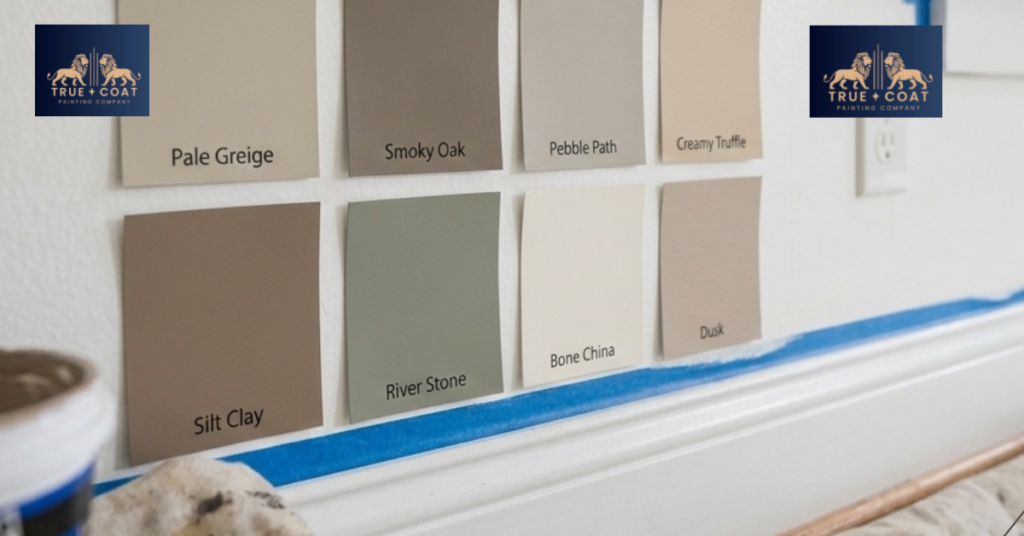
Interior painting of house projects starts with proper planning, surface preparation, and choosing the right colors and finishes for each room. Whether you refresh one room or transform your entire home, understanding the process helps you achieve professional results. The right approach involves selecting quality paints, preparing walls correctly, using proper techniques, and knowing when to hire professionals versus handling the work yourself. From color selection and paint types to preparation steps and application methods, every decision impacts your final results. Budget considerations, timing, and understanding different paint finishes all play crucial roles in creating beautiful, long-lasting interior spaces. How to Plan the Interior Painting of House Projects Successfully Planning the interior painting of house projects requires a systematic approach that covers preparation, execution, and finishing touches. Start by assessing every room you plan to paint and creating a detailed list of materials needed. Walk through your home and note wall conditions, ceiling heights, and any repairs needed before painting begins. Create a realistic timeline based on room sizes and complexity. A single bedroom might take a weekend, while an entire house could require several weeks. Consider your schedule and whether you will work on weekends only or take time off for larger projects. Budget planning helps avoid surprises. Calculate paint quantities by measuring wall square footage and checking coverage rates on paint cans. Most quality paints cover 350-400 square feet per gallon. Add 10-20% extra for touch-ups and second coats. Include costs for brushes, rollers, painter’s tape, drop cloths, and any repair materials. Choose your color scheme early in the planning process. Gather paint samples and test them on walls in different lighting conditions. Natural light in the morning looks different from artificial light in the evening. Live with test patches for a few days before committing to full room colors. Prepare a detailed supply checklist. Beyond paint and basic tools, you might need spackling compound, sandpaper, primer, extension poles, and cleaning supplies. Having everything ready before starting prevents frustrating mid-project trips to the hardware store. Consider the order of rooms. Paint from top to bottom of your house and from back to front. This approach prevents tracking paint through finished areas. If you are painting multiple rooms, complete one fully before moving to the next to maintain momentum and see progress. Essential Steps Before Starting Clear rooms completely or move furniture to the center and cover it with drop cloths. Remove outlet covers, light switch plates, and hanging decorations. Patch holes and cracks with spackling compound and let dry completely. Sand patched areas smooth and wipe walls clean of dust. Apply primer to new drywall, patched areas, or when making dramatic color changes. Primer ensures even coverage and helps paint adhere properly. For professional interior painting services, experts handle all preparation steps to guarantee flawless results. What Makes Quality Interior Painting of House Projects Stand Out Quality interior painting of house work shows in the details. Professional results come from proper surface preparation, using the right tools, and applying paint with correct techniques. The difference between acceptable and exceptional work lies in attention to small details that many homeowners overlook. Wall preparation accounts for most of the quality difference. Professionals spend more time preparing surfaces than actually painting. They fill every small hole, sand rough spots smooth, and ensure walls are clean and dry before opening paint cans. This preparation creates a smooth canvas for paint application. Edge work and cutting in separates amateur from professional results. Clean, straight lines where walls meet ceilings, around trim, and along baseboards require steady hands and proper technique. Quality painter’s tape helps, but skilled application matters more. The best painters can cut in freehand with brushes, creating crisp lines without tape. Paint Quality and Application Techniques Premium paints cost more but provide better coverage, richer colors, and longer-lasting finishes. They contain higher pigment concentrations and better binders, which means fewer coats and more durability. Cheap paint requires multiple coats and fades faster, ultimately costing more in time and repeat work. Application technique affects the final appearance significantly. Roll paint in a W pattern for walls, spreading it evenly without leaving roller marks. Work in sections, maintaining a wet edge to avoid lap marks. Apply even pressure and avoid pressing too hard, which squeezes paint out and creates thin spots. Two thin coats always beat one thick coat. Thick paint drips, sags, and takes forever to dry properly. Thin coats dry faster, level better, and create a more uniform finish. Wait the recommended time between coats as listed on the paint can. Common Mistakes to Avoid Skipping primer on new drywall or drastic color changes leads to uneven coverage and visible patches. Primer seals surfaces and provides a uniform base for paint. It costs less than paint, so using it actually saves money by reducing the number of paint coats needed. Removing painter’s tape too early or too late causes problems. Pull tape while the final coat is still slightly wet but not dripping. This prevents peeling dried paint along tape edges. Wait too long and tape pulls off dried paint, requiring touch-ups. Poor lighting during application hides imperfections that become obvious later. Use bright work lights to spot missed areas, thin spots, or drips while you can still fix them easily. Natural daylight reveals the most, so check your work during daytime when possible. Choosing Colors for Interior Painting of House Spaces Color selection transforms the entire feel of your home. The interior painting of house projects succeeds or fails largely based on color choices. Understanding color psychology, room function, and lighting conditions helps you make confident decisions that you will love for years. Start with the room’s purpose and mood you want to create. Bedrooms benefit from calming colors like soft blues, gentle greens, or warm neutrals that promote relaxation. Living areas can handle bolder choices since people spend time there in varied activities. Kitchens and dining rooms often feature warmer tones that stimulate appetite and conversation. Consider your