What Are the Essential Steps and Benefits of Exterior Painting for Your Winnipeg Home?
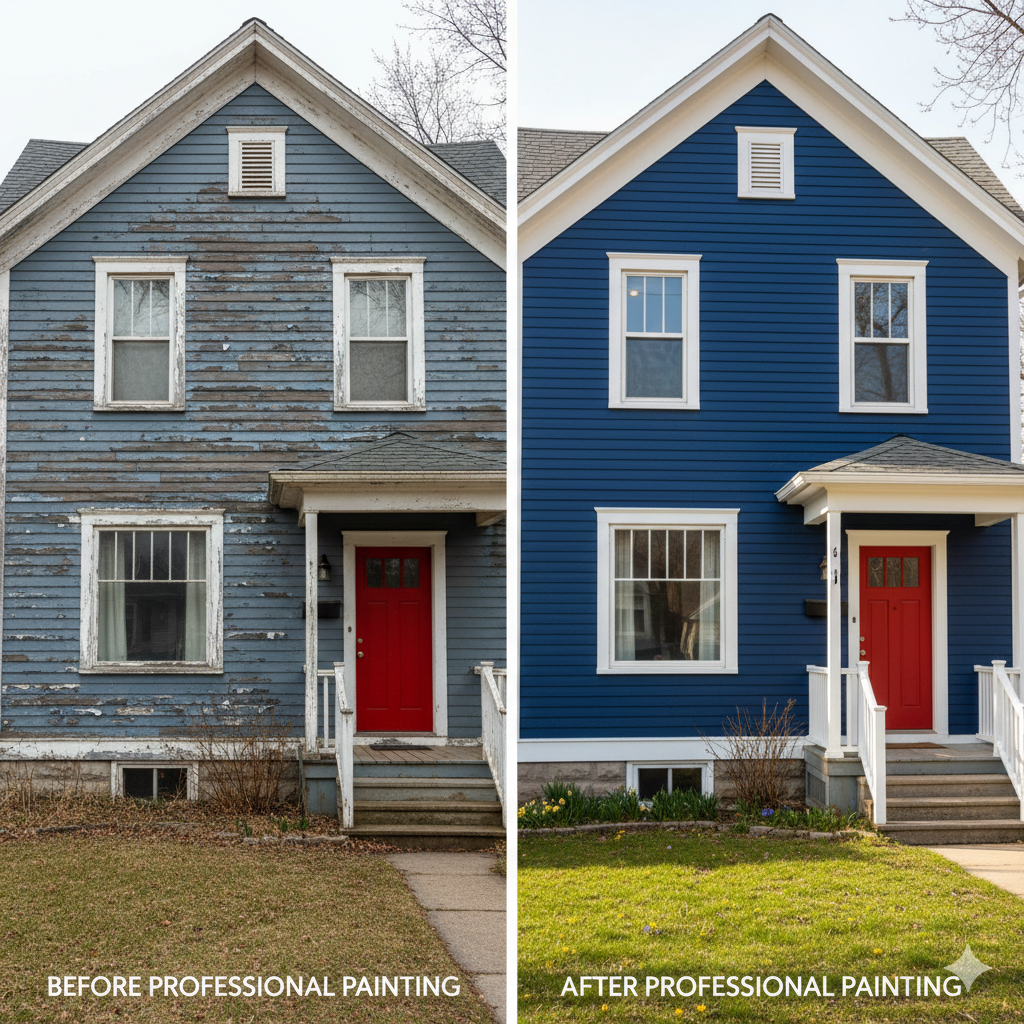
Exterior painting protects your Winnipeg home from extreme weather while enhancing curb appeal and property value. The process involves surface preparation, selecting weather-resistant paint finishes for Canadian climates, and applying protective coats that withstand temperature swings from -40°C to +30°C. Understanding the five paint finish types—flat, eggshell, satin, semi-gloss, and high-gloss—helps balance aesthetics with protection. Professional exterior painting follows systematic steps including inspection, power washing, scraping, priming, and multi-coat application ensuring lasting results. While costs vary by home size and condition, quality exterior painting delivers excellent returns through increased value and protection against moisture damage and UV degradation common in Winnipeg’s challenging climate. What Is Exterior Painting and Why Does It Matter? Exterior painting applies protective coatings to building surfaces, creating barriers against moisture, UV radiation, and temperature extremes. In Winnipeg, where temperatures swing dramatically, exterior painting serves as your home’s primary defense against weather damage, preventing water infiltration that causes wood rot and structural deterioration while blocking UV rays that fade materials. Beyond protection, exterior painting transforms property appearance, updates color schemes, and highlights architectural features. For Winnipeg homes, proper exterior painting addresses unique climate challenges—extreme temperature variations crack inferior paint, summer humidity promotes mildew, and harsh winters test durability. Professional application with weather-resistant products formulated for Canadian conditions delivers protection that lasts. What Are the 5 Types of Paint Finishes for Exterior? Selecting the right finish is crucial for exterior painting success. Each offers different sheen levels and durability for Winnipeg’s climate. Flat or Matte Finish Flat finishes create non-glossy appearances hiding surface imperfections, ideal for older homes with textured siding. They minimize flaws and provide excellent color depth but are harder to clean. For Winnipeg homes, flat finishes work well on body walls not receiving heavy wear. Satin and Eggshell Finishes These mid-range finishes balance subtle sheen with washability. Satin offers better moisture resistance than eggshell. Both provide good color retention on various siding materials, handling moisture better than flat paints. These finishes are ideal for areas needing occasional washing. Semi-Gloss Finish Semi-gloss creates noticeable sheen and superior durability, resisting moisture penetration. It’s ideal for trim, doors, and shutters. In exterior painting, semi-gloss typically accents rather than covers large surfaces, creating visual contrast highlighting architectural details. High-Gloss Finish High-gloss delivers maximum shine and highest durability, extremely resisting moisture and damage. It excels for front doors, shutters, railings, and architectural details, adding visual interest while providing superior rust protection for metal surfaces. Choosing the Right Combination Most successful exterior painting uses multiple finishes strategically, combining satin or eggshell for main walls with semi-gloss for trim. Surface Area Recommended Finish Primary Benefit Main walls, siding Satin or Eggshell Balance of durability and appearance Window and door trim Semi-Gloss Enhanced moisture resistance Front doors, shutters Semi-Gloss or High-Gloss Visual impact and protection Foundations Flat or Satin Hides surface irregularities Professional painting companies guide finish selection based on your home’s characteristics and Winnipeg’s climate demands. What Are the Steps for Professional Exterior Painting? Quality exterior painting follows systematic processes ensuring lasting results. Professional painters in Winnipeg use comprehensive approaches addressing climate-specific challenges. Surface Inspection and Planning Projects begin with thorough inspection examining conditions—loose siding, wood rot, mildew, or failing paint. This determines preparation requirements and ensures accurate estimates. Painters assess existing paint and test for lead paint on pre-1978 homes. Planning considers weather—exterior painting requires temperatures above 10°C and dry conditions. Cleaning and Power Washing Power washing removes dirt, mildew, and chalky residue at appropriate pressure (1500-2500 PSI). For mildew, specialized solutions are applied before washing. After washing, surfaces must dry completely—typically 24-48 hours before painting. Preparation and Repairs Scraping and sanding remove all loose or damaged paint, creating solid foundations. Removed areas are feathered smooth. Damaged wood requires repair or replacement. Fresh caulk is applied around windows, doors, and joints using paintable, flexible exterior caulk. Priming and Painting Primer creates bonding layers while sealing and blocking stains. Bare wood must always be primed. Professional exterior painting typically involves two finish coats for optimal coverage and durability. Professionals maintain “wet edges” ensuring seamless blending. Final Inspection Final steps involve thorough inspection and touch-ups. Professionals check for missed spots, thin coverage, and finish defects, ensuring crisp trim lines and proper window and door function. Proper cleanup includes removing masking materials and restoring landscaping. Experienced house painters in Winnipeg stand behind their work. Understanding Exterior Painting Costs Exterior painting represents a significant property investment. Home size is the primary cost factor—larger square footage requires more materials and labor. Surface condition dramatically impacts costs—homes requiring extensive preparation, repairs, or paint removal cost more than those needing simple cleaning. Design complexity affects pricing. Single-color exterior painting costs less than projects involving multiple accents and detailed trim work. Material quality influences both initial costs and long-term value—premium paints cost more but provide better coverage and last longer. For accurate pricing specific to your Winnipeg home, contact True Coat for detailed estimates reflecting quality workmanship and materials. Value and Return on Investment Quality exterior painting delivers substantial returns, potentially returning 50-100% of costs in increased home value. Beyond resale, it protects structures from weather damage and prevents costly repairs. Fresh paint on wood siding prevents moisture intrusion leading to rot—problems costing thousands to repair. Energy efficiency can improve with proper exterior painting. Light-colored paints reduce cooling costs by reflecting solar heat. Quality paint seals gaps, reducing heating costs during Winnipeg’s cold winters. Can You Paint Over Old Exterior Paint? Whether you can apply new paint over existing coatings depends on several factors. When Painting Over Works You can successfully paint over old exterior painting when existing coatings properly adhere, showing no peeling, with only minor fading. Old paint must be clean and free from dirt, mildew, and chalk preventing new paint bonding. Coatings should be intact without significant cracking or blistering. Minor imperfections can be addressed through spot repairs, but extensive damage indicates failed coatings. Modern acrylic latex paints adhere well to old latex coatings. When existing paint chemistry is unknown, bonding primers ensure proper adhesion.