How Do You Fix Damaged Drywall & Plaster Walls in Your Home?
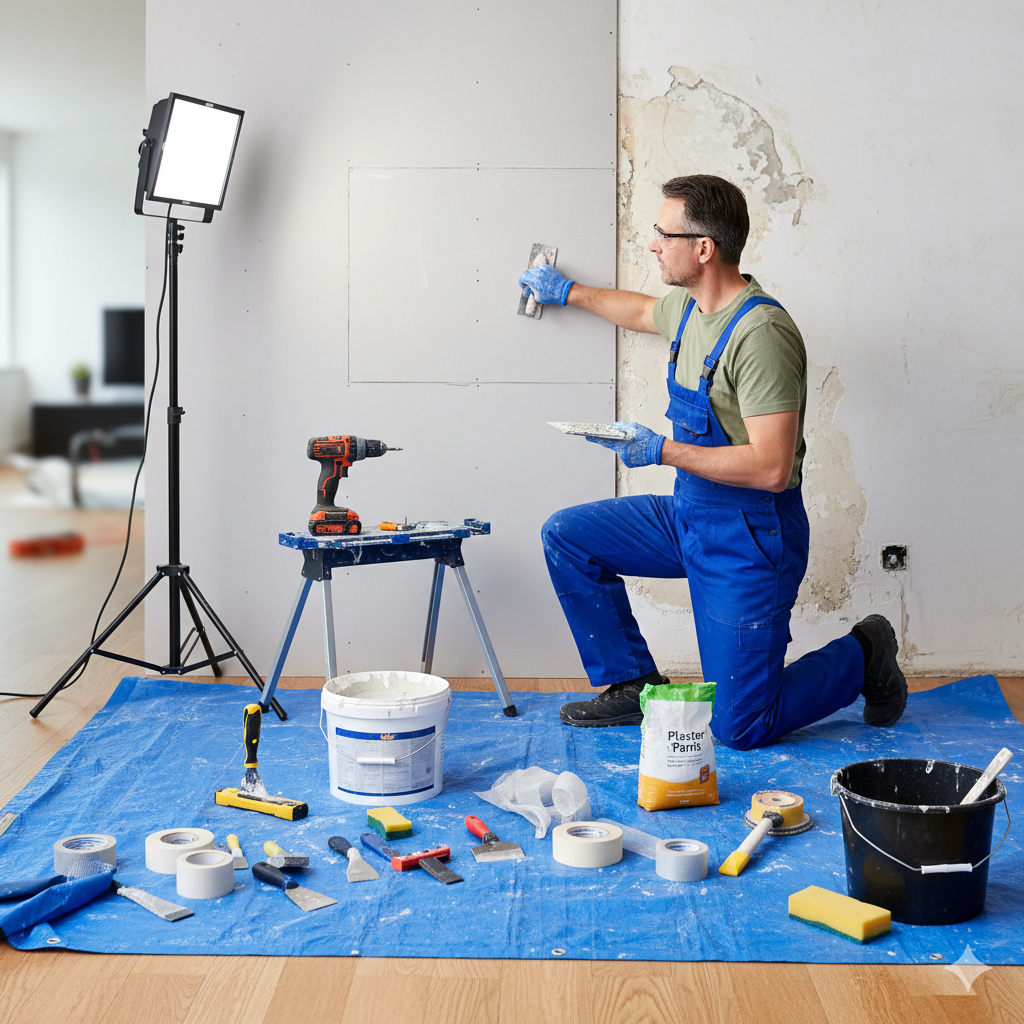
Drywall & plaster repair is a necessary service that fixes cracks, holes, and surface damage on interior walls to restore them to a smooth, paintable condition. Whether you’re dealing with small nail holes or large damaged sections, proper repair techniques can make your walls look brand new again. Most homeowners in Winnipeg face wall damage at some point, from settling cracks to accidental impacts, and knowing how to address these issues saves time and money. Professional repair work ensures durable results that blend seamlessly with existing surfaces, while DIY attempts often lead to visible patches and recurring problems. The process involves assessing the damage, choosing the right materials, applying proper techniques, and finishing with a smooth surface ready for painting. What Is Drywall & Plaster Repair? Drywall & plaster repair involves fixing damaged sections of interior walls to restore their original appearance and structural integrity. This service addresses everything from minor cosmetic issues to significant structural damage that affects your home’s value and appearance. The repair process differs depending on whether you’re working with modern drywall or traditional plaster walls. Drywall, also called gypsum board, consists of a gypsum core sandwiched between paper layers. Plaster walls, common in older Winnipeg homes, feature multiple layers of plaster applied over wood lath or metal mesh. Common Types of Wall Damage Wall damage comes in many forms, each requiring specific repair approaches. Small nail holes and picture hook marks are the most common, usually appearing when you remove wall hangings or rearrange your space. Cracks develop from house settling, temperature changes, or structural movement. Hairline cracks are mostly cosmetic, while wider cracks may signal foundation issues that need professional assessment. Impact damage creates dents or holes from doorknobs, furniture, or accidental collisions. Water damage shows up as staining, bubbling, or crumbling sections where moisture has compromised the wall material. Corner bead damage occurs at wall corners where metal or plastic edges get dented or separated. Texture damage happens when wall surfaces get scraped, gouged, or worn down over time. Why Professional Repair Matters Professional drywall & plaster repair delivers results that last. Experienced technicians understand how different materials behave, which products work best, and how to match existing textures perfectly. Improper repairs often crack again within months, requiring costly rework. Professionals use the right joint compounds, proper drying times, and skilled finishing techniques that prevent future problems. True Coat’s team brings years of experience to every drywall & plaster repair project, ensuring your walls look flawless and remain durable for years to come. How Does Drywall & Plaster Repair Work? The repair process follows specific steps that ensure strong, invisible fixes. Understanding these steps helps you appreciate the skill involved and why professional service delivers superior results. Assessment and Preparation Every successful repair starts with thorough assessment. Professionals examine the damage extent, identify the wall type, and check for underlying issues like moisture or structural problems. Preparation involves protecting your floors and furniture with drop cloths. The damaged area gets cleaned of loose material, dust, and debris. For holes, technicians cut away damaged sections to create clean, stable edges. Water-damaged areas must dry completely before repair begins. Any mold growth requires treatment before patching. Structural issues get addressed first to prevent repair failure. Repair Techniques for Different Damage Small Holes and Nail Pops Tiny holes get filled with spackling compound or lightweight joint compound. The filler goes in flush with the wall surface, then gets sanded smooth after drying. Multiple thin coats work better than one thick application. Medium Holes (1-6 Inches) These require backing support. Professionals install mesh tape, metal patches, or cut drywall pieces that fit behind the hole. Joint compound builds up in layers, with each coat extending slightly beyond the previous one to blend the patch. Large Holes (Over 6 Inches) Major damage needs full section replacement. Technicians cut a rectangular opening, install new drywall secured to studs, tape the seams, and apply multiple compound coats. This approach provides the strongest, most durable repair. Crack Repair Cracks get opened slightly with a utility knife to create a V-groove that holds compound better. Mesh tape reinforces the crack before compound application. Flexible compounds prevent re-cracking in areas with movement. Plaster Wall Repair Plaster repair requires different materials and techniques. Loose plaster gets removed back to solid material. For shallow repairs, bonding agents help new plaster adhere to old. Deep repairs may need multiple plaster layers that match the original wall thickness. Traditional skim coating techniques create smooth surfaces on damaged plaster walls, giving them a fresh, uniform appearance. Finishing and Texturing After repairs dry completely, technicians sand the surface smooth, feathering edges so patches blend invisibly. Matching existing wall texture is crucial for professional results. Common textures include orange peel, knockdown, and smooth finishes. Professionals replicate these textures using specialized tools and techniques. For interior painting projects, properly finished repairs ensure paint applies evenly without visible patches. Table 1: Drywall vs. Plaster Repair Comparison Feature Drywall Repair Plaster Repair Material Gypsum board, joint compound Lime or gypsum plaster, bonding agents Typical Damage Holes, dents, tape separation Cracks, crumbling, loose sections Repair Time 1-3 days (drying time) 3-7 days (multiple plaster layers) Difficulty Level Moderate Advanced Best For Modern homes (post-1950s) Historic homes (pre-1950s) Common Issues Paper damage, corner bead dents Lath separation, plaster delamination What Makes Drywall & Plaster Repair Challenging? Several factors make wall repair more difficult than it appears. These challenges explain why professional services often deliver better results than DIY attempts. Matching Existing Textures Wall textures vary significantly between homes and even between rooms. Orange peel texture, popular in many Winnipeg homes, requires specific spray equipment and technique to replicate accurately. Knockdown texture involves applying compound, then partially flattening it with a trowel. The timing and pressure must match the original application exactly. Smooth walls seem simple but show every imperfection, requiring expert finishing skills. Older homes may have custom textures or multiple texture layers that are extremely difficult to match. Professional contractors maintain texture samples