What Is Paint Primer and Why Does Your Painting Project Need It?
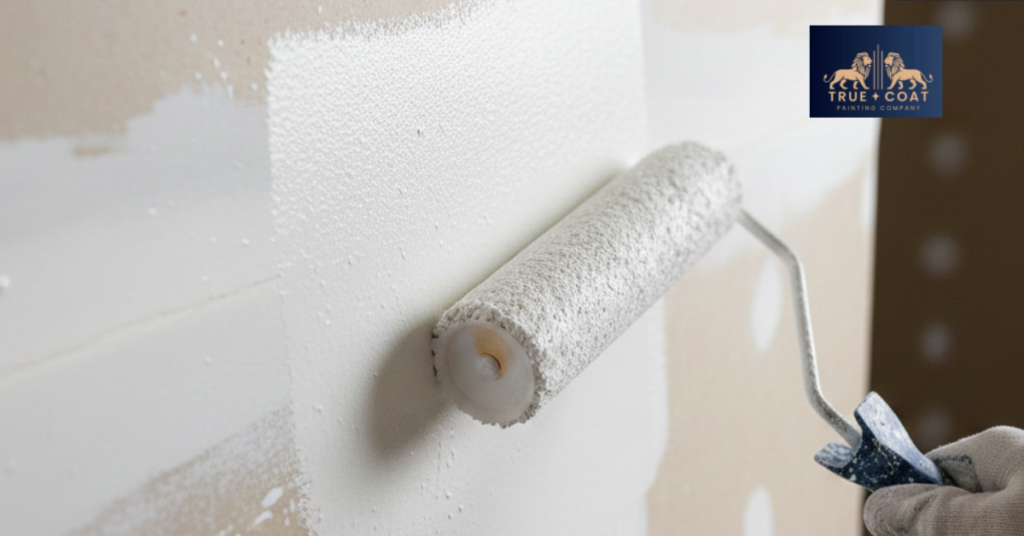
What is paint primer? It is a preparatory coating applied before the topcoat of paint, helping the final color stick better and last longer. Primer seals porous materials, hides stains, and creates a uniform base for your chosen colour. Knowing what is paint primer helps you plan every step of a successful painting project. Below, you will learn the different types available in Canada, when to use it, and practical tips from professional painters in Winnipeg. Whether you are refreshing a room or tackling a full exterior painting project, this knowledge will save you time and money. What Is Paint Primer? So what is paint primer, exactly? It is a base coat applied to walls, ceilings, trim, or any surface before the finish paint. Its job is to bond tightly to the material below and create a stable layer for your topcoat to grip. Without it, paint can peel, bubble, or absorb unevenly. Once you understand what is paint primer, you can see why professionals never skip it. Think of primer as the foundation of a house. You would never build walls on bare soil, and you should not apply colour to an unprepared surface either. It fills tiny pores, smooths out imperfections, and blocks stains from bleeding through. For Winnipeg homeowners dealing with temperature swings, primer helps paint withstand harsh winters and warm summers. If you are planning a painting project and want expert help, contact True Coat for a free estimate on any residential or commercial job. Why Knowing What Is Paint Primer Matters for Your Walls Better Adhesion When you learn what is paint primer, the first benefit you notice is adhesion. Primer gives your topcoat something solid to grip. Raw drywall, wood, and metal each have different textures. Primer evens all of that out so finish paint bonds properly. Skipping this step often leads to flaking within the first year. Stain Blocking Water marks, smoke residue, and tannin bleed from wood can ruin a fresh coat of paint. A quality stain-blocking primer seals those blemishes so they do not show through your new colour. This is especially useful in older Winnipeg homes with years of wear. True Colour Accuracy Ever notice a dark colour looking patchy on a light wall? Primer creates a neutral, uniform base so your topcoat appears exactly as you picked it. You often need fewer coats of finish paint, which saves money on materials. Longer Lasting Results When primer and topcoat work together, the paint system lasts longer. Professional interior painting companies always include priming as part of surface preparation because it extends the life of the finished job. What Is Paint Primer Made Of? Types and Which One to Choose A common follow-up to what is paint primer is asking about the different types. Not every primer is the same. The right choice depends on the surface you are painting, its condition, and whether you are working indoors or outdoors. Primer Type Best For Dry Time Cleanup Latex (Water-Based) Drywall, softwood, brick, galvanized metal 30 min to 1 hour Soap and water Oil-Based Stained surfaces, bare wood, heavy odour areas 8 to 24 hours Mineral spirits Shellac-Based Severe stains, smoke damage, odour sealing 15 to 30 minutes Denatured alcohol Bonding Primer Glossy, slick, or hard-to-stick surfaces 1 to 2 hours Varies by formula Latex primer is the most popular choice for interior walls in Canadian homes because it dries fast and has low odour. Oil-based primer is better for tough stain coverage and outdoor wood. Shellac-based options are the strongest stain blockers but require proper ventilation. When Should You Use Paint Primer? What Is Paint Primer Best For? Now that you know what is paint primer, here are the situations where using it is not optional. If you skip it in these cases, you risk a poor finish that will need to be redone. Use primer when you are painting over new drywall. Fresh drywall is extremely porous and will soak up paint unevenly, leaving a blotchy look. A coat of drywall-specific primer seals the surface and provides consistent absorption. Use primer when making a drastic colour change. Going from deep red to soft white will require multiple coats without it. You should also prime over repairs, patches, or skim coated ceilings to ensure repaired areas blend seamlessly with the rest of the wall. Use primer on any surface that has water stains, smoke damage, or persistent odours. These issues will bleed right through regular paint. A stain-blocking primer creates a barrier that keeps discolouration locked underneath. When You Might Skip Primer Part of learning what is paint primer is also knowing when you can skip it. If you are repainting a wall in good condition with the same sheen and similar colour, and there are no stains or repairs, you can go straight to your topcoat. Self-priming paints can work here, though professionals note they rarely match the performance of a separate primer and topcoat. If your walls have a solid coat and you are freshening the same shade, two coats of quality paint may suffice. For larger projects, consult with experienced painting professionals who can recommend the best approach. How to Apply Primer Like a Pro: What Is Paint Primer Application? People who ask what is paint primer also want to know how to apply it correctly. Start by cleaning the surface. Remove dust, grease, and any flaking old paint. Sand glossy surfaces lightly so the primer has something to grip. Use painter’s tape to protect trim, edges, and any area you want to keep clean. Pour the primer into a tray and use a roller for large surfaces and a brush for cutting in around edges. Apply primer in thin, even coats. Thick coats take longer to dry and can drip. One coat is usually enough, but heavily stained or porous surfaces may need two. Allow each coat to dry fully before sanding lightly and applying the next. For Winnipeg homeowners tackling exterior projects, make sure the