
Paint Selection Guide: Colors, Types & Finishes
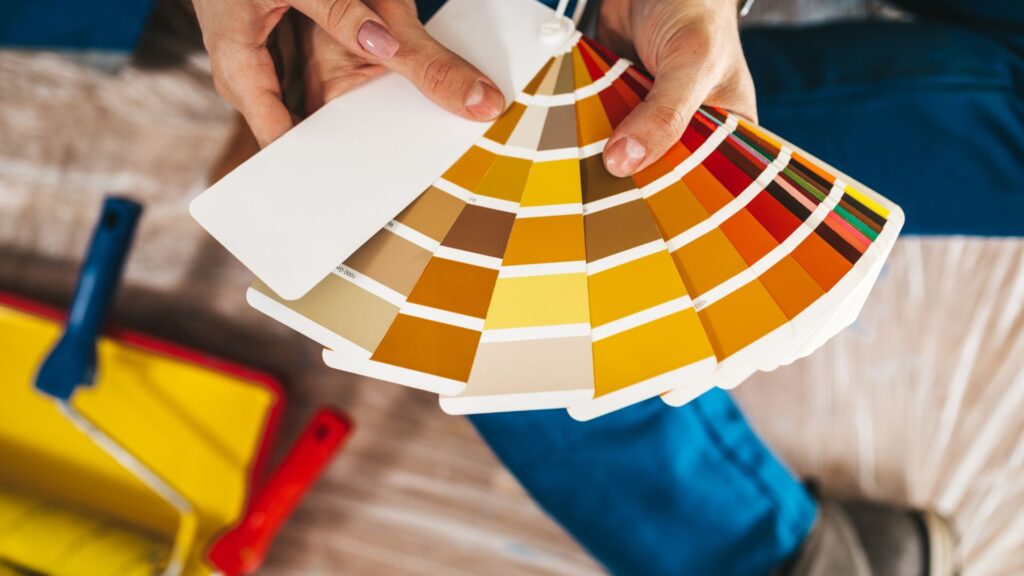
A good paint selection guide helps homeowners make smart choices about colours, types, and finishes for their painting projects. Picking the right paint is way more complicated than just choosing a nice colour from those sample cards. You need to think about what the room is used for, how much light it gets, what kind of surfaces you’re painting, and how long you want it to last. The paint you choose affects everything from how your home looks to how much maintenance you’ll need to do later. Different rooms need different kinds of paint. Bathrooms need paint that handles moisture, kitchens need something you can scrub clean, and bedrooms work best with colours that help you relax. Getting these details right saves you from expensive do-overs and disappointing results. Understanding Paint Types and Formulations Different paint types work better for different jobs and perform differently depending on where you use them. Modern paints have come a long way from just basic latex and oil-based options. Now you’ve got advanced formulas that last longer, cover better, and go on easier. Water-Based vs Oil-Based Paint Fundamentals Water-based paints, usually called latex paints, dominate the home painting market for good reasons. They dry fast, clean up with soap and water, and don’t release as many nasty fumes as oil-based paints. Latex paints keep their colour better over time and resist cracking and peeling on most surfaces. Oil-based paints still work better in certain situations even though they’re not as popular anymore. They stick better to previously painted surfaces, level out smoother, and last longer on high-traffic areas. But they need mineral spirits for cleanup, take forever to dry, and smell awful while you’re applying them. Hybrid paint formulas combine the best of both worlds. Alkyd-modified latex paints flow and level better while still cleaning up with water and having low odour. These work really well for trim work and cabinets where you want that smooth finish. Understanding these basic differences helps you make paint selection guide decisions based on what you actually need instead of just going by marketing hype or price. Specialty Paint Formulations Paint and primer combinations try to make things simpler but don’t always give you the best results. These products work okay over previously painted surfaces that are in good shape, but they might not cover stains, bold colours, or bare surfaces properly. Knowing when to use separate primer and paint versus combination products prevents disappointment. Low-VOC and zero-VOC paints address health and environmental concerns while still performing well. These formulations have gotten much better recently, offering durability and coverage that matches traditional paints. They’re especially important for bedrooms, nurseries, and homes with people who have sensitivities. Antimicrobial paints have additives that stop mould, mildew, and bacteria from growing. These specialty formulas work well in bathrooms, basements, and other damp areas. However, they cost more than regular paints and might not be necessary in well-ventilated spaces that don’t have moisture problems. Self-priming paints contain more solids and special bonding agents that eliminate the need for separate primer on many surfaces. They work best over sound existing paint or properly prepped surfaces but shouldn’t be used over stains, glossy surfaces, or big colour changes without separate primer. Performance Characteristics and Durability Paint quality directly affects how well it performs and how long it lasts. Better-quality paints have more pigment and resin, giving you better coverage, colour that lasts, and durability. While they cost more upfront, quality paints often save money through less maintenance and longer life. Coverage rates vary a lot between paint qualities and colours. Premium paints typically cover 350 to 400 square feet per gallon, while cheap ones might only cover 250 to 300 square feet. Dark colours usually need more coats than lighter ones, no matter what quality paint you use. Washability ratings tell you how well paint stands up to cleaning without getting damaged. Paints rated for heavy-duty cleaning work well in kitchens and kids’ rooms, while those suitable for light cleaning are fine in bedrooms and formal areas. Understanding these ratings helps you match paint performance to how the room gets used. Fade resistance becomes really important for colours that get hit with direct sunlight. Some colours, especially bright reds and blues, fade faster than others. Quality paints use lightfast pigments and UV-resistant formulas to keep colours looking good longer. Paint Selection Guide for Color Theory and Psychology Picking colours involves both how they look and how they make you feel, which affects how spaces work and feel to live in. Understanding how colours work together and their effects on mood helps create environments that support your lifestyle and preferences. Understanding Color Relationships Primary colours (red, blue, yellow) form the base for all other colours and make bold, energetic statements in rooms. Using primary colours effectively needs careful balance because they can quickly overwhelm smaller rooms or create visual fatigue in spaces where you want to relax. Secondary colours (orange, green, purple) come from mixing primary colours and work better in most home situations. Green works well in bedrooms and offices because it’s calming, while orange adds warmth to social spaces. Purple ranges from classy deep tones to fun lighter shades. Tertiary colours blend primary and secondary colours, creating subtle options like blue-green, red-orange, or yellow-green. These colours often feel more sophisticated and easier to live with than pure primary or secondary options. They provide subtle interest without overwhelming other design elements. Complementary colours sit opposite each other on the colour wheel and create strong contrast when used together. However, using them equally can create visual tension. Instead, use one as the main colour and the other as an accent for more pleasing results. Psychological Effects of Different Colors Warm colours (reds, oranges, yellows) come forward visually, making spaces feel cosier but smaller. They get people talking and make you hungry, so they’re great for dining rooms and kitchens. However, they can feel overwhelming in bedrooms or offices where you need calm focus. Cool