
Complete Home Painting Guide: Interior & Exterior 2025
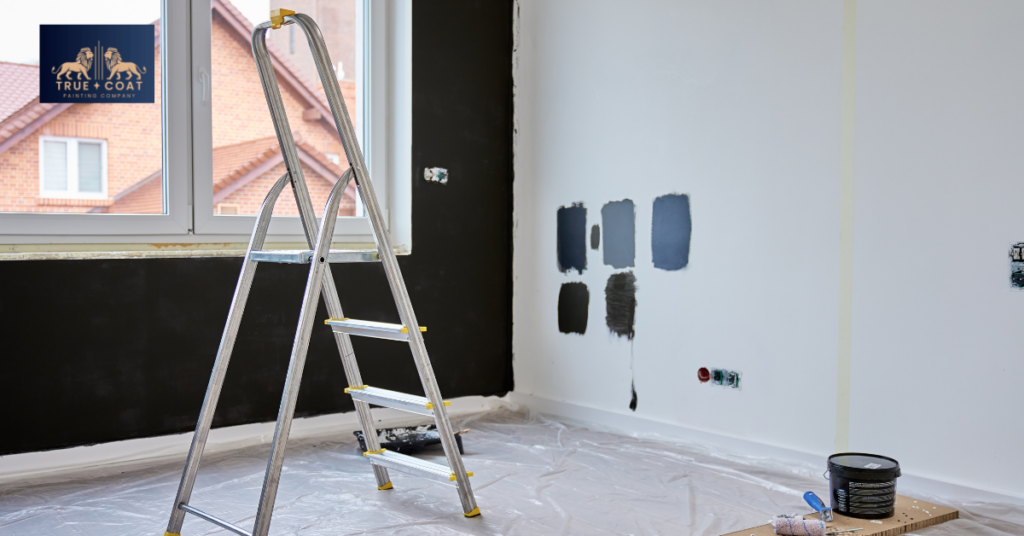
This comprehensive home painting guide covers everything you need to know about painting your house, from picking colors to applying the final coat. Whether you’re doing this for the first time or just want to brush up on your skills, we’ll walk you through the whole process step by step. Painting your home can feel overwhelming at first. There’s so much to think about – what colors to pick, which paint to buy, how to prep the walls. But here’s the thing: once you break it down into manageable pieces, it becomes much easier. You’ll save money doing it yourself, and there’s something really satisfying about stepping back and seeing a room you just transformed. Most people jump into painting without understanding the basics, which leads to frustration and poor results. This comprehensive home painting guide will teach you professional techniques, help you avoid costly mistakes, and show you how to achieve results that rival what you’d get from hiring contractors. Planning Your Home Painting Project You wouldn’t start cooking dinner without checking what’s in your fridge first, right? Same goes for painting. Planning ahead saves you from those annoying trips to the hardware store in the middle of your project. Most people think painting is just about slapping some color on the wall, but that’s where they go wrong. The planning phase is where successful projects are born. Skip this step, and you’ll likely end up with patchy coverage, weird color choices, or a project that drags on for months. Setting Your Timeline Here’s what most homeowners don’t realize – painting takes way longer than you think. A single room typically needs 2-3 days when you factor in all the prep work, applying multiple coats, and waiting for everything to dry. If you’re tackling the outside of your house, we’re talking weeks, not days. A realistic timeline for a typical 12×12 bedroom includes: This doesn’t include drying time between coats, which can extend the project by another day in humid conditions. Budget Planning Paint costs can shock you if you’re not prepared. Good quality paint might cost twice as much as the cheap stuff, but it usually covers better and lasts longer. Here’s a realistic breakdown for painting a 12×12 room with 9-foot ceilings: For exterior projects, multiply these costs by 3-4 times depending on your home’s size. If you’re feeling overwhelmed by all this planning, the team at TrueCoat Paint can handle the entire project from start to finish. Interior Home Painting Guide: Room by Room Tips Interior painting is probably the most dramatic way to change how your home looks and feels. Each room has its own personality and challenges, and understanding these differences is crucial for success. Every room in your house serves a different purpose and gets used differently, which means your paint choices need to reflect those differences. The paint that works perfectly in your bedroom might fail miserably in your bathroom. Living Areas and Bedrooms These rooms give you the most freedom to play with color. Bigger rooms can handle bold, rich colors that might make smaller spaces feel cramped. For bedrooms, consider the psychological impact of colors: Color temperature matters more than people realize. Test your paint samples under the actual lighting you’ll use in the room. Kitchens and Bathrooms These rooms present unique challenges because they deal with constant moisture, steam, and temperature changes. You can’t just use any paint here – you need formulations specifically designed to handle humidity and frequent cleaning. Go with semi-gloss or satin finishes in kitchens and bathrooms. They’re much easier to wipe down when they get splattered or steamy. Flat paint soaks up moisture and stains, which is the last thing you want near your stove or shower. Kitchen painting considerations: Bathroom painting essentials: Color Selection That Makes Sense Picking colors is where a lot of people freeze up. There are thousands of options, and somehow you’re supposed to know which one will look good on your walls? Let’s make this easier. Color selection combines both art and science. Understanding color theory helps, but you also need to consider practical factors like lighting, room size, and how colors make you feel. Understanding Undertones Every paint color has undertones, and these can totally change how the color looks once it’s on your wall. That beige you thought was neutral might have pink undertones that clash with your brown furniture. Always test paint samples on your actual walls. Those tiny paint chips at the store don’t tell you much. Paint a decent-sized square and look at it throughout the day. Colors change dramatically from morning to evening light. Creating Flow Between Rooms If you have an open floor plan, you can’t just pick random colors for each area. They need to work together or your house will feel choppy and weird. The 60-30-10 rule works really well: 2025 Color Trends This year, people are gravitating toward earthy, calming colors: With more people working from home, camera-friendly backgrounds are actually influencing color choices. Soft, muted tones look professional on video calls while still feeling cozy in person. Need help choosing colors that work together? The color experts at TrueCoat Paint can help you create a cohesive color scheme that flows beautifully throughout your home. Surface Preparation: Why This Step Matters Most Professional painters spend most of their time on prep work, and there’s a good reason for that. This step determines whether your paint job looks great for years or starts peeling within months. You can use the most expensive paint in the world, but if you don’t prep properly, it won’t stick. Surface preparation is the foundation of any successful paint job. It’s also the most commonly skipped step in DIY projects, which explains why so many home paint jobs fail prematurely. Cleaning Walls Properly Your walls are probably dirtier than you think. Years of cooking grease, smoke, and just everyday living create invisible films that prevent paint from sticking properly. Use TSP (trisodium phosphate) or